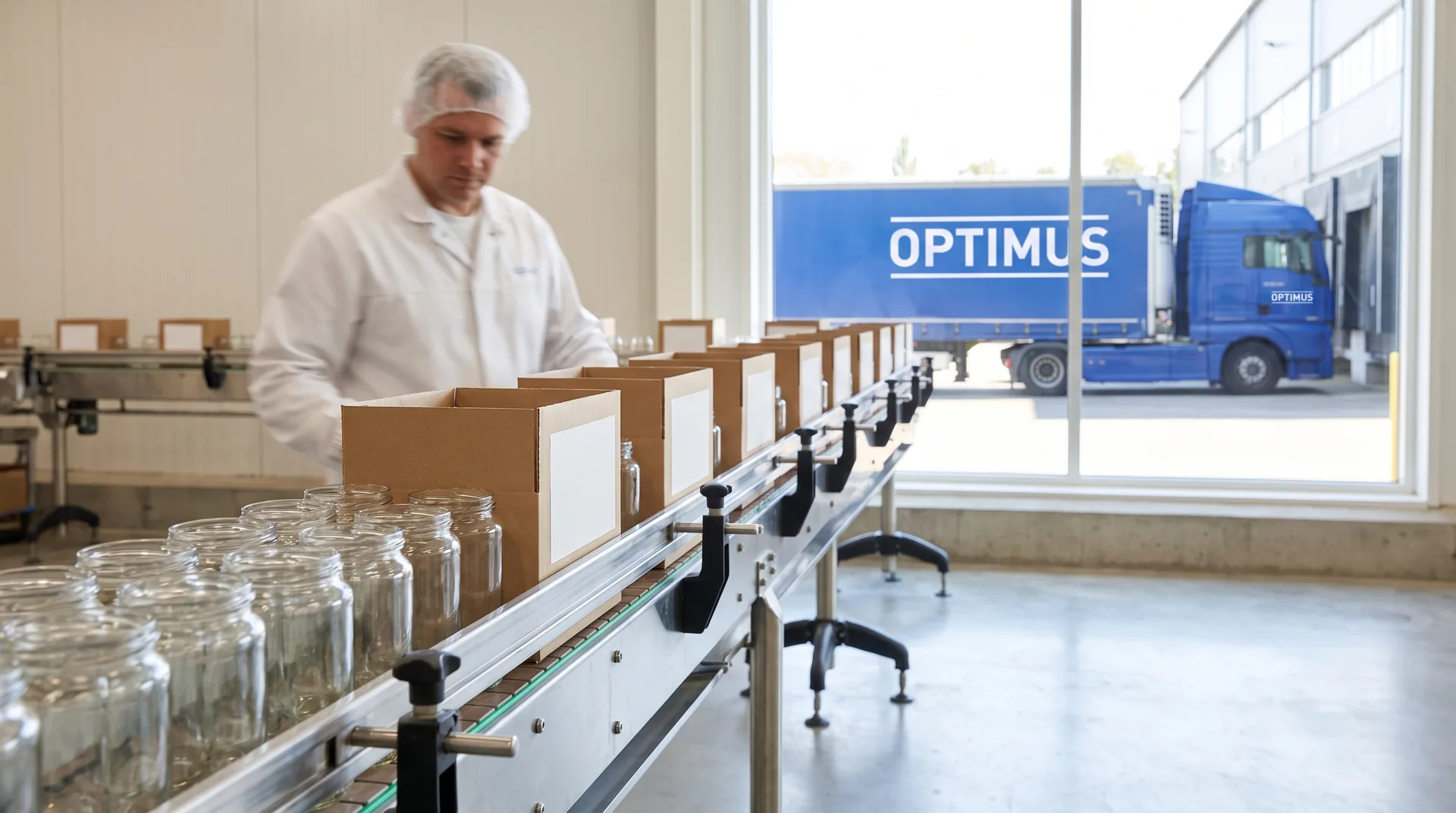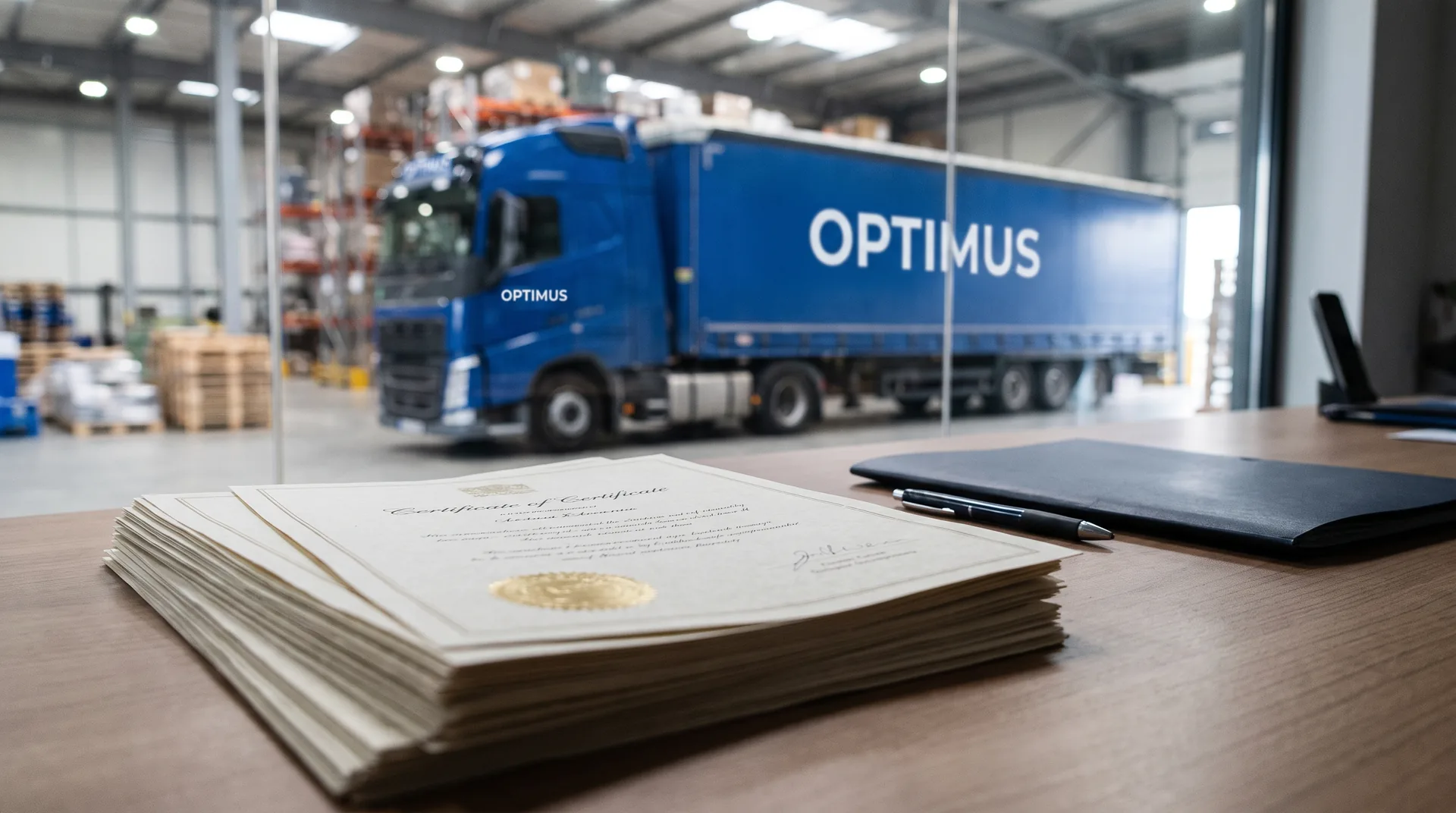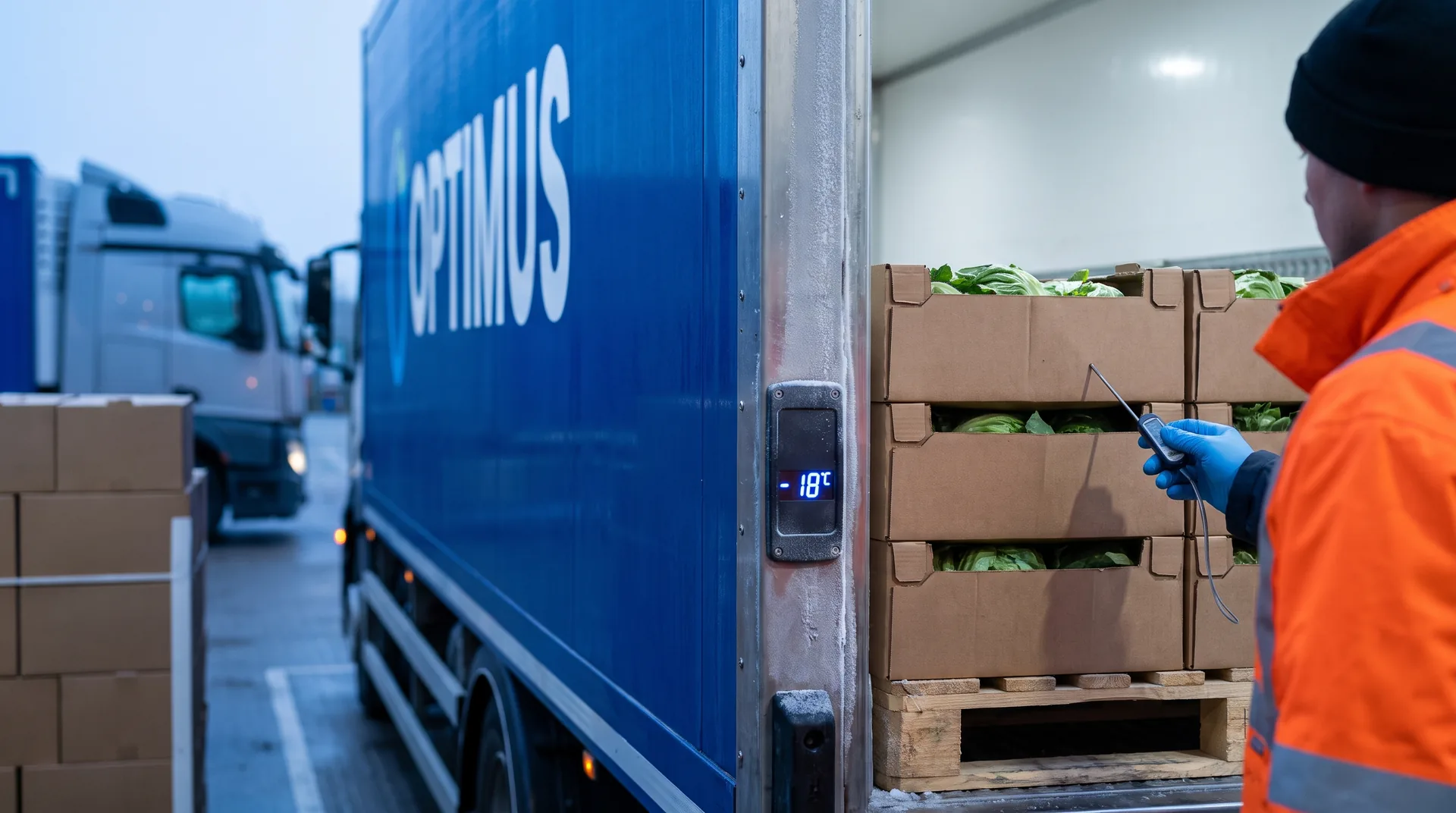
We move fresh food from Poland to the United Kingdom in temperature-recording reefers, and we prepare the BTOM sanitary formalities before departure: the product's risk category, pre-notification in the IPAFFS system and, for medium risk goods, an EHC health certificate. Without the full set of filings the truck should not approach the border at all.
The cold chain in practice
A reefer holds a set temperature, but it will not chill goods loaded too warm. So we watch three points: product temperature at loading (entered in the documents), the unit running and recording en route, and the shortest possible windows on ramps. The recorder printout or download is part of the delivery file and the first piece of evidence in any dispute about condition. Our reefer fleet is described on the refrigerated transport service page.
BTOM: the risk category decides the paperwork
- Medium risk products of animal origin (meat, dairy and various milk products): IPAFFS pre-notification plus an EHC health certificate signed by an official veterinarian in the country of dispatch.
- Low risk goods: as a rule pre-notification, without routine physical checks.
- Composite and shelf-stable products are covered separately in dry food transport to the UK.
A full description of the risk categories is in our article on the BTOM model and SPS controls, and the border check itself in sanitary checks at a BCP step by step.
The sequence before departure
- Establish the commodity code and risk category of every product on the truck.
- IPAFFS notification lodged by the UK importer before the goods arrive.
- EHC certificate signed before loading where the category requires it.
- Standard customs clearance and a GMR, as for any goods to the UK.
If the border selects the truck for a check
The physical check happens at a BCP: documents, identity of the goods and temperature. A reefer with a temperature record and consistent paperwork passes quickly; trouble starts with gaps between the certificate, the invoice and what is actually on the truck. Mixing risk categories on one vehicle stretches every check, so we plan such loads deliberately.
The most common mistake: a certificate that does not match the vehicle
Most stoppages of fresh food at the border come not from temperature but from a mismatch between paperwork and load. The typical cases: a certificate issued for a different number of packages than were actually loaded, a batch number on the document differing from the one on the label, an establishment named on the certificate different from the one shown on the product marking, or a pallet added at the last minute that appears in no pre-notification. Every one of those turns a routine documentary check into a physical one, and with chilled cargo every extra hour on a terminal costs money. So before loading we compare three things at once: the certificate, the packing list and what is actually standing on the ramp.
Chilled groupage versus a full load
With a full load it is straightforward: one shipper, one set temperature, one set of documents. Chilled groupage is harder, because it demands that the whole group of shippers is ready together. Every consignment on the vehicle has to tolerate the same temperature, and each shipper must have its filings closed within the same window. One missing certificate holds everybody's goods, which is why on chilled groupage we close the paperwork earlier than on ambient work and do not add lines after the list closes. Loading itself matters too: goods chilled down to their target temperature before the vehicle arrives, and short door-open times, do more for a stable journey than turning the unit down harder en route.
Sources
- GOV.UK: the Border Target Operating Model (policy paper)
- GOV.UK: the IPAFFS system, import pre-notification
Shipping fresh food to the UK? Use the contact form and we will check your products' risk categories and set up the whole chain: vehicle, temperatures and filings.