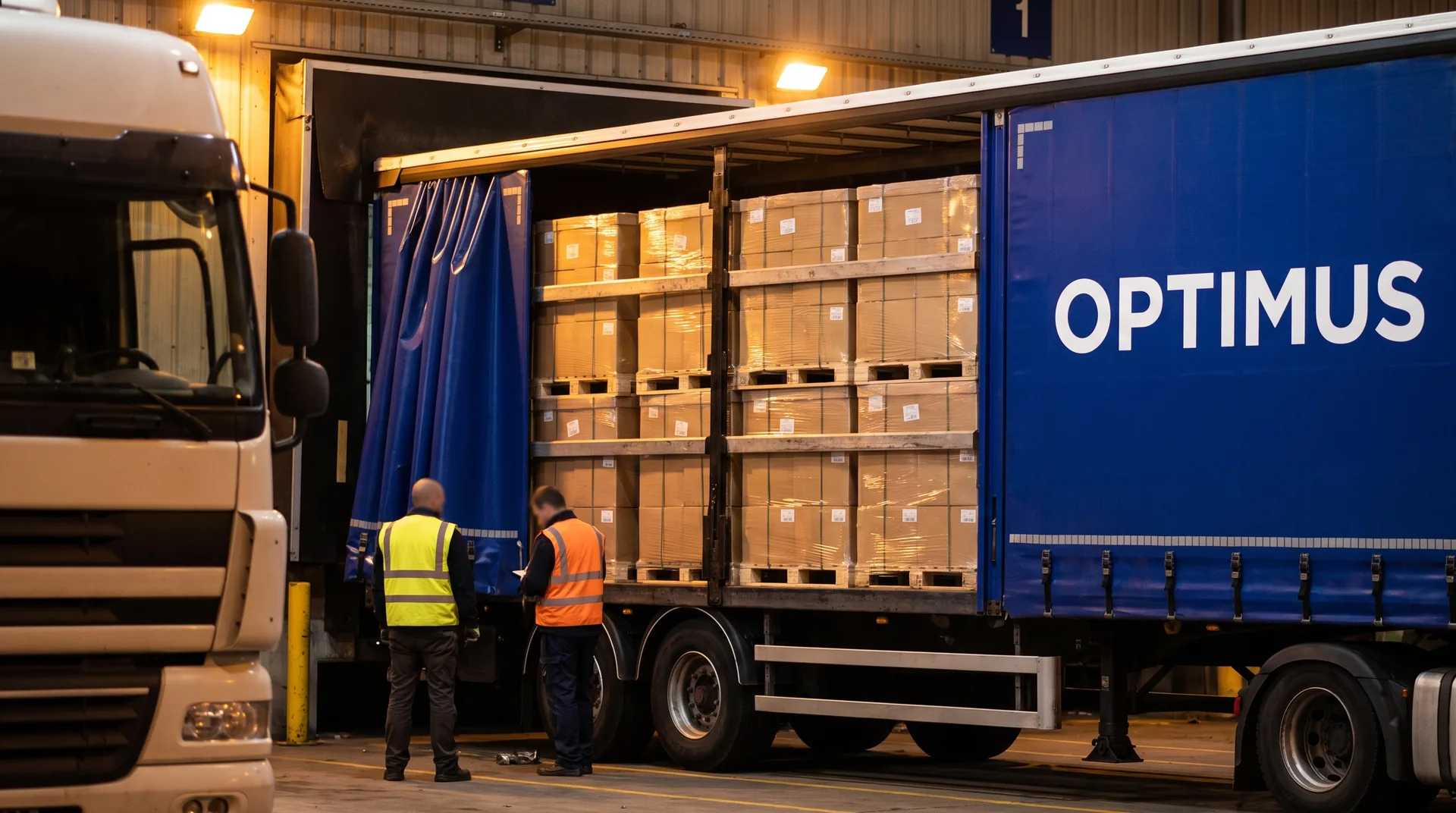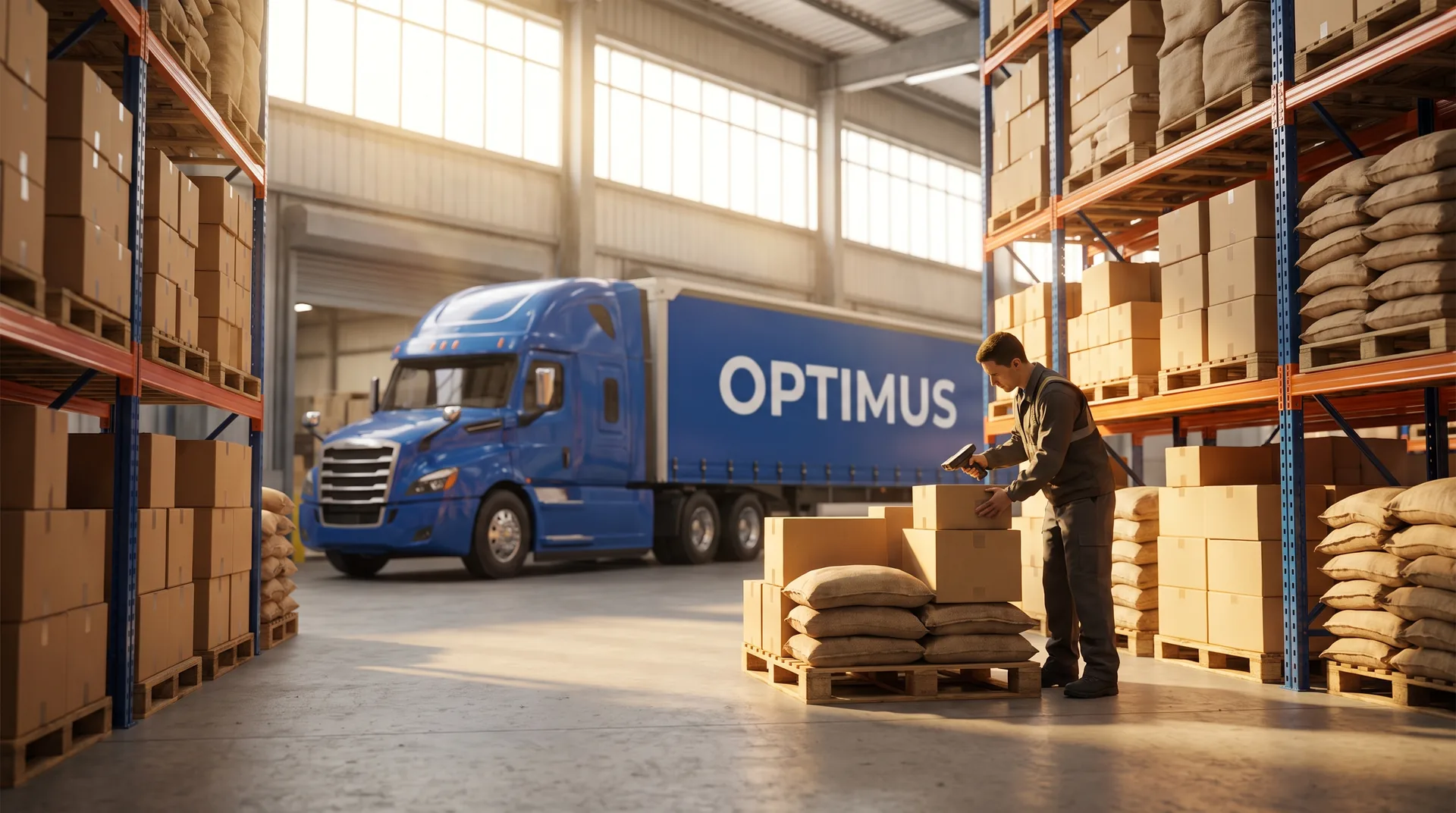
Dry, shelf-stable food is the easiest food category to import into the UK, but it still falls under the BTOM border control model. Requirements depend on the product's risk category: some goods travel on commercial documents alone, others need a certificate and prenotification in the IPAFFS system. We verify the classification before the first shipment, not at the border.
BTOM risk categories in brief
The UK border model splits food from the EU into low, medium and high risk categories. Low-risk products need no health certificates and no routine border checks; medium-risk ones need a certificate and prenotification and face risk-based checks at border control posts. Much of the dry food range comes out well: low-risk plant products and a share of shelf-stable composite products carry the lightest regime. Classification depends on composition though (animal-origin content, milk, eggs, meat), so for composite products we always check the category individually. The full model is described in our article on BTOM and SPS controls.
Prenotification: who, what and when
Where prenotification is required, the UK importer or an agent acting for them submits it before the goods arrive. The IPAFFS notification generates a reference that must flow into the transport documents and the customs declaration. From the transport side one fact matters: without complete prenotification the truck can be routed to inspection or held, and in groupage the whole vehicle suffers. What sanitary checks look like in practice is covered in our article on SPS checks on food imports to the UK.
Food groupage takes discipline
A consolidation vehicle carries goods of many shippers, so one paperwork gap of one exporter can hold everyone up. That is why with food we ask for composition specifications and documents early, check descriptions against the invoice and do not take products whose category cannot be confirmed on somebody's word. This is not overzealousness, it protects the deadlines of every other customer on the truck. The same discipline applies to exhibition freight, because tasting samples face the same controls as any other food consignment; we show that in food transport to IFE at ExCeL London.
The warehouse role on the UK side
Our Milton Keynes warehouse handles dry food: receipt, repacking and deliveries to consignees in agreed windows. Food products are stored away from chemicals and strongly scented goods, and we confirm the acceptance conditions for each product individually. The warehouse buffer separates international transport from local distribution, which for deliveries to shops and wholesalers simply works. Details in our article on food-grade storage in the UK.
Sources
- GOV.UK: the Border Target Operating Model
- GOV.UK: the IPAFFS system
- Food Standards Agency: business guidance
We move dry food in regular groupage and by full load, with clearance handled by our customs service and backed by the Milton Keynes warehouse. Describe your product in the contact form and we will confirm the requirements before dispatch.