BTOM is the British border control model that sorts food, plants and products of animal origin into three risk categories: low, medium and high. The category drives the requirements, from pre-notification alone through to a health certificate and a check at a border control post. The model was introduced in stages, so requirements are checked for the specific commodity.
Who the model applies to
Primarily to consignments subject to sanitary and phytosanitary control: products of animal origin, plants and plant products, higher-risk food and animal feed. It does not cover industrial goods, though those still go through ordinary customs clearance. The key point is that the risk category attaches to the commodity, not the company: the same exporter can send one consignment needing no certificate and another requiring a full check at a border post.
Three categories and what follows from them
- Low risk: limited requirements, normally amounting to a correct declaration and standard customs clearance.
- Medium risk: pre-notification of the import and a health certificate issued in the country of despatch, with documentary checks and physical checks on a proportion of consignments.
- High risk: the full set of requirements, with the consignment directed to a border control post for physical inspection.
Categorisation follows British lists based on tariff codes and product type. We do not guess it; we confirm it at source before despatch.
Pre-notification: who and when
The filing in the British system is made by the importer or their representative, in advance of the consignment arriving. It needs consignment data, details of the establishment of despatch, a goods description and the certificate number where one is required. That reference has to be linked to the rest of the border paperwork, including the movement reference the driver uses at the terminal. A mismatch between the sanitary filing and the customs entry stops a consignment just as effectively as a missing one.
Health certificates and what happens without them
The certificate is issued by the competent authority in the country of despatch, normally the veterinary or plant health inspectorate, after checking the goods and the establishment. It is a document with a defined validity and specific content: the consignment must match what it describes. A missing certificate, or one that does not match the load, means the consignment is held and, in the worst case, destroyed or returned. We set out that scenario in a missing certificate and lost goods.
What it changes in transport planning
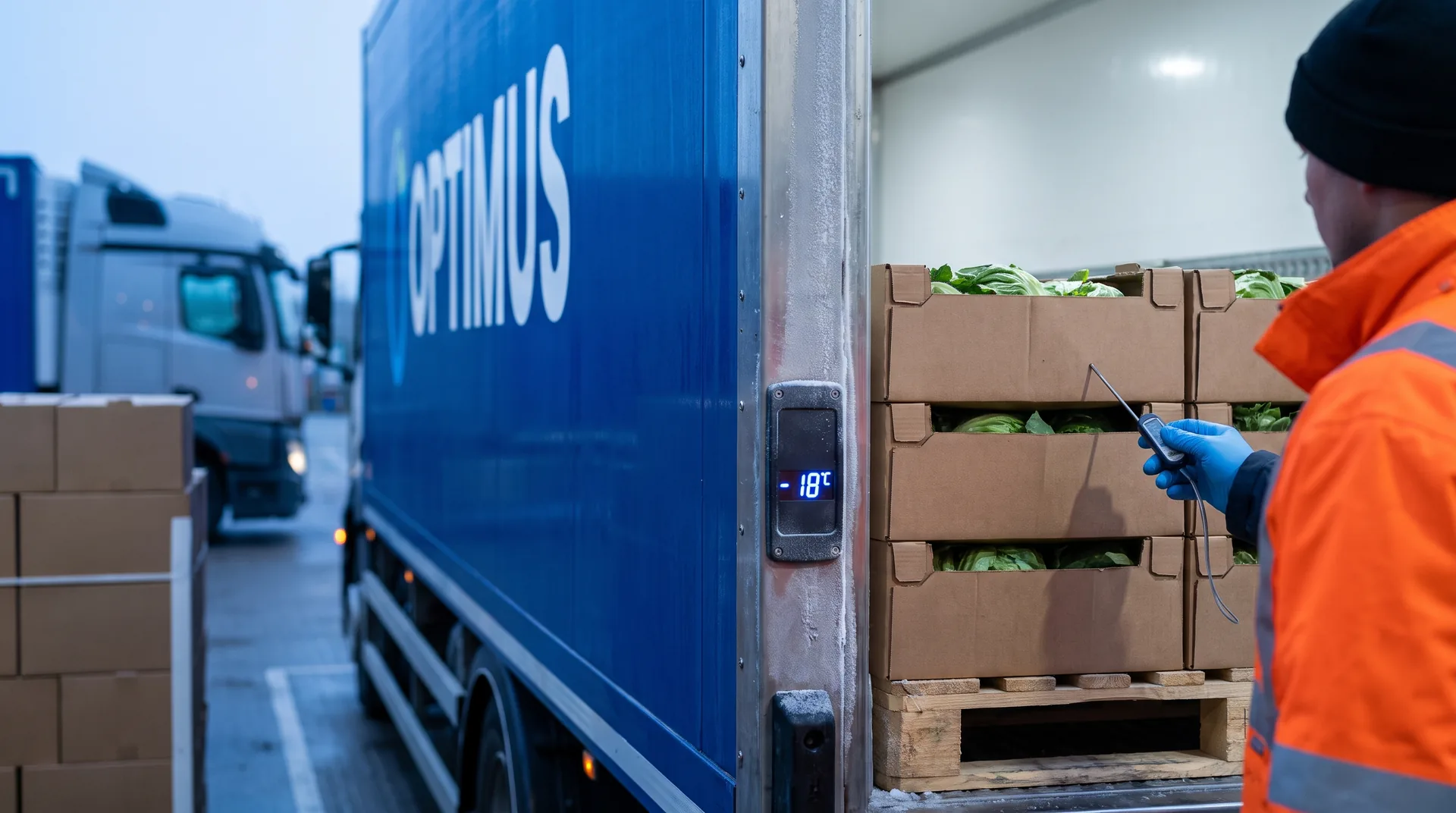
A controlled consignment needs a different schedule: certificates and filings have to exist before loading, and the route plan has to allow time for a possible referral to a control post. With chilled products there is also the question of maintaining conditions during a check, which is why we run these movements as refrigerated transport with a temperature record. How a check actually proceeds is described in sanitary checks on food imports, and the requirements for ambient food in dry food to the UK.
Labelling and formalities on the receiving side
Sanitary requirements are not the whole story: food sold in the United Kingdom needs compliant labelling, including the details of the responsible food business. We collect those requirements in food labelling for export to the UK and in Polish packaged food in UK shops. Where goods arrive incompletely labelled we relabel at pallet and outer-carton level at our own warehouse in Milton Keynes rather than sending pallets back to Poland. Customs formalities are handled within the job, as described on our customs clearance page.
What the establishment of despatch has to do
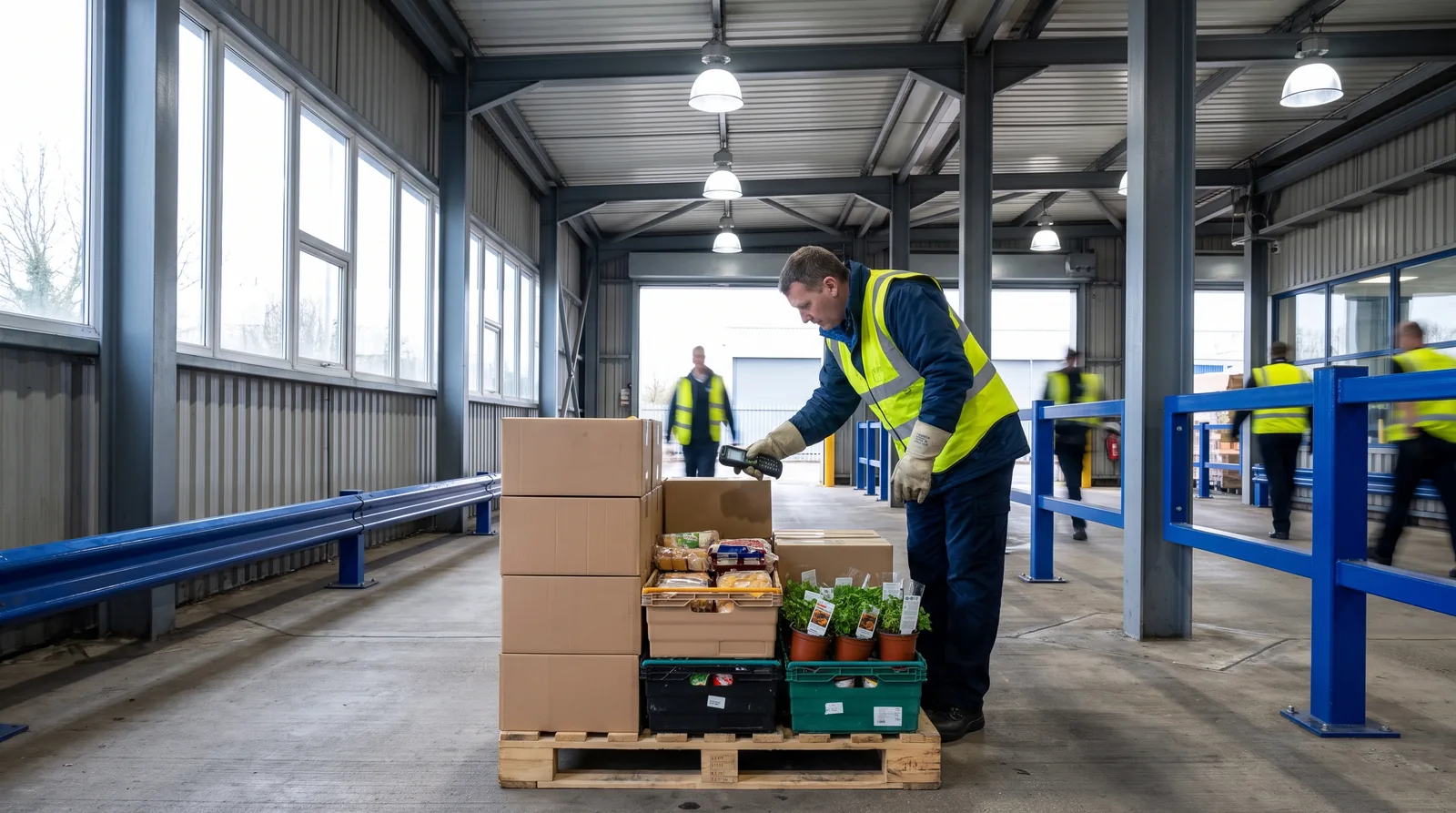
Sanitary requirements attach not only to the consignment but to where it comes from. For products of animal origin the certificate is issued for goods from an establishment that meets the requirements and is under official supervision, and the establishment number appears on the paperwork. An exporter who has only ever sold within the EU is often surprised that this layer has to be sorted out before a first shipment to the islands: confirming the status of the plant, deciding who applies for the certificate and how far ahead, and checking that the establishment and product details on the commercial documents match what appears on the certificate. That work sits with the producer rather than the carrier, but its absence stops a consignment just as effectively as a missing customs number. The role of the warehouse in handling these flows is described in food inspection and preparation.
Sources
- GOV.UK: Border Target Operating Model
- GOV.UK: import of products, animals, food and feed system
- Food Standards Agency: UK food requirements
Moving food or plants to the islands? Describe the commodity and its tariff code in our quote form and we will establish the requirements, prepare the filings and plan the route with slack for checks.