A return from the UK to the EU is a British export and an EU import declaration. Duty can be avoided through returned goods relief: article 203 of the Union Customs Code relieves Union goods returning in an unaltered state within three years of export, provided the original export is documented. Returns are worth consolidating, not clearing one by one.
Returned goods relief in practice
- Deadline: return within three years of export from the EU; in special circumstances the period can be extended.
- State: the goods come back as they left; repairs and upkeep do not defeat the relief, upgrades do.
- Evidence: the export declaration, invoices, transport documents; customs wants to tie specific goods to a specific export.
- For duty relief the provision does not require that the same person re-imports who exported; for import VAT exemption the rules are narrower and as a rule concern return to the same party, so check that element with a tax adviser.
The British side: re-export without drama
Moving returns out of the UK requires an export declaration and inclusion in the vehicle border reference. For the seller the bigger topic is elsewhere: UK VAT on the refunded sale and the correction in the records. The mechanics depend on the sales model, described in our article on e-commerce to the UK.
Consolidating returns: why not ship one by one
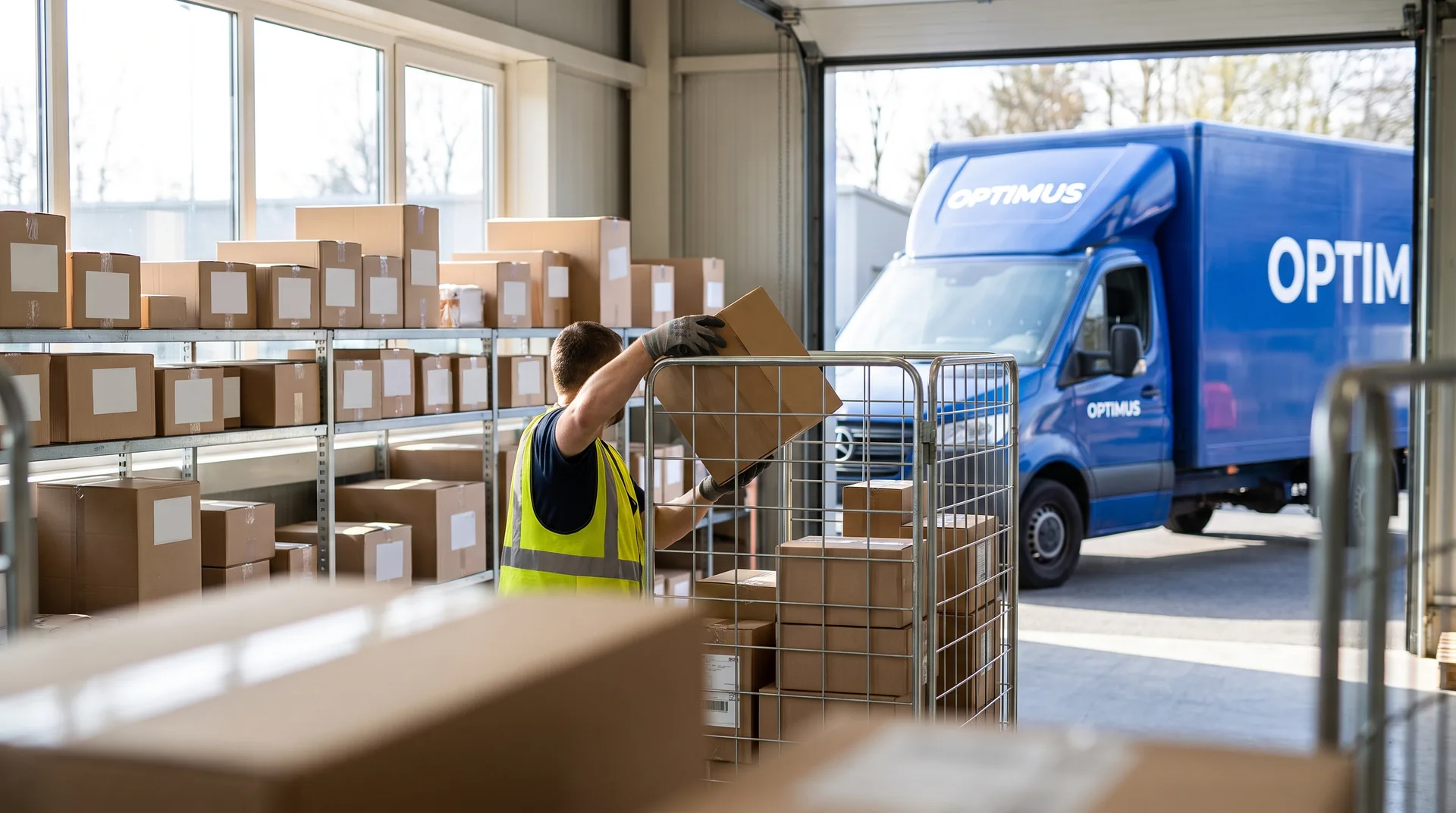
A single return cleared separately can cost more than the goods are worth. So we gather returns at the Milton Keynes warehouse: we receive returns handed over by the seller and their parcel operator, check them against the list, build pallet batches and ship to the EU in bulk, with one truck and an ordered set of declarations. We do not run a returns address for end customers. Who performs which part of the reverse flow is set out in a UK returns address.
What to watch
- No proof of the original export: without the link to the export declaration the relief fails and duty returns.
- Altered goods: repacked is one thing, reworked another, but customs judges the line, so document the state.
- Mixed parcels of returns and new goods: keep the streams apart, because the declaration will not separate them.
- Legal position: description as at August 2026; confirm details in the UCC provisions and with your customs agent.
A return and a warranty repair are not the same path
Goods coming back to the EU because the customer did not want them, and goods travelling to a service centre to return to the UK after repair, are two different stories in customs terms. The first is a return to the state before export, and the natural tool is returned goods relief. The second is temporary export and re-import after processing, where what matters is the value added during the repair. The path is chosen before dispatch, because each requires different declarations and different evidence. Calling a repair a return to simplify the paperwork ends in a reassessment at audit.
Where the boundary of our work runs
We handle returns at pallet and outer carton level: goods-in, checking against the list provided by the seller, building batches, documents and carriage to the EU. Work at single retail piece level, meaning opening consumer packaging, grading the condition of goods, relabelling and preparing them for resale, stays with the seller or their parcel operator. We say this plainly because it is one of the more frequent misunderstandings in a first conversation: transport and consolidation of returns is a different thing from their commercial handling.
The most common mistake
Returns sit in the UK for weeks until a "sensible batch" accumulates, and then it turns out that part of the goods left the EU more than three years ago and returned goods relief no longer applies to them. The clock runs from export, not from the decision to return. So with a steady stream of returns it is worth agreeing a rhythm of bulk shipments and keeping to it, even when an individual batch is smaller than one would like.
Sources
- Article 203 UCC: returned goods (text of Regulation 952/2013)
- European Commission: customs union, import of goods
- GOV.UK: export goods from the UK
Selling into the UK and returns are starting to hurt? Describe the scale in our contact form and we will propose a flow through Milton Keynes. The general rules are in our article on returns of goods from the UK to the EU, and we run clearances within our customs service.