Furniture ordered from a Polish manufacturer by an end customer in the UK travels in a B2B2C model: the shipper is the factory, the consignee a private person at a home address. Three things are key: correct clearance with the manufacturer as exporter, road-ready packaging, and notification agreed with the recipient. The unloading scope is agreed before departure.
How does delivering to an end customer differ from delivering to a shop?
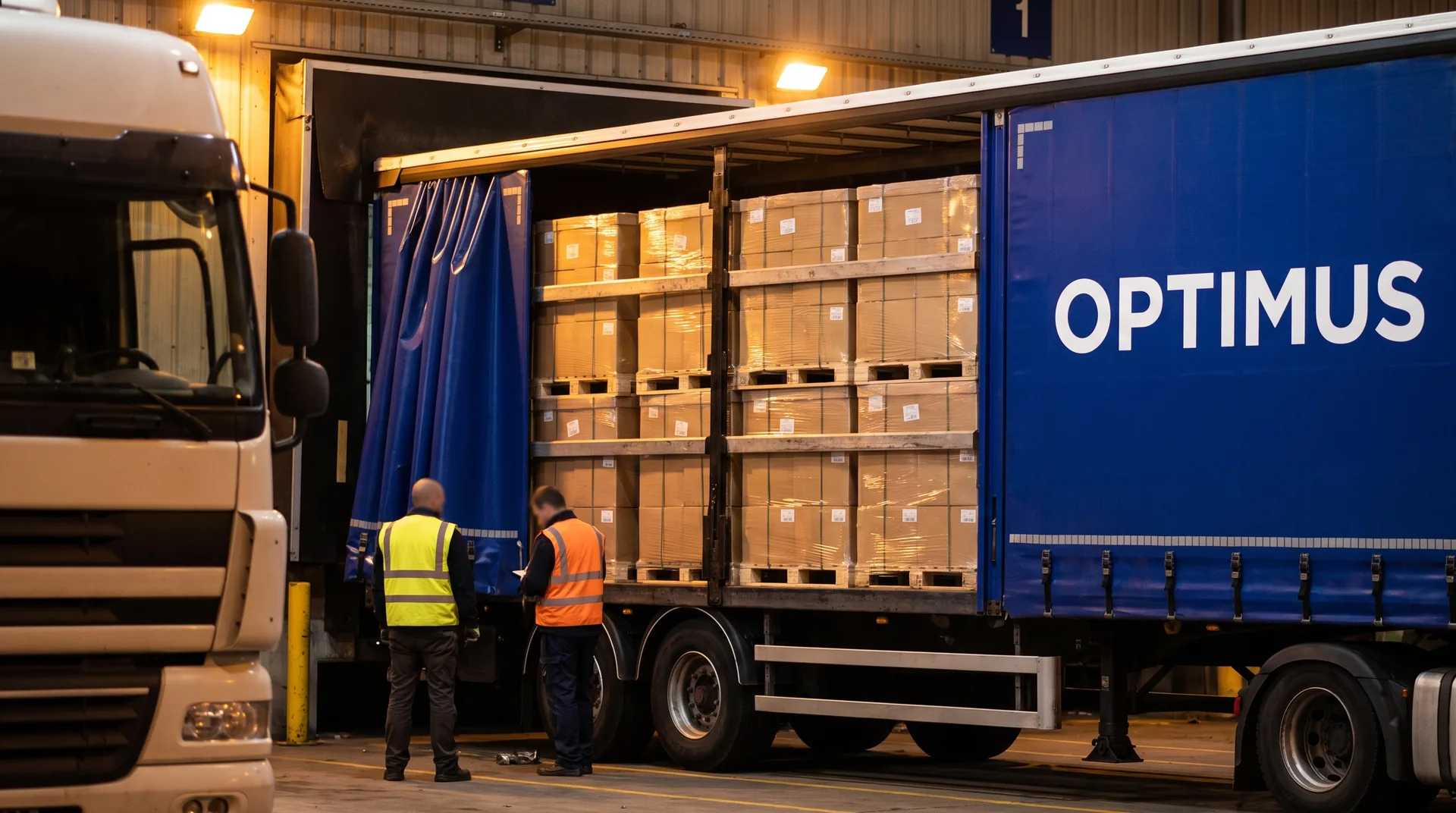
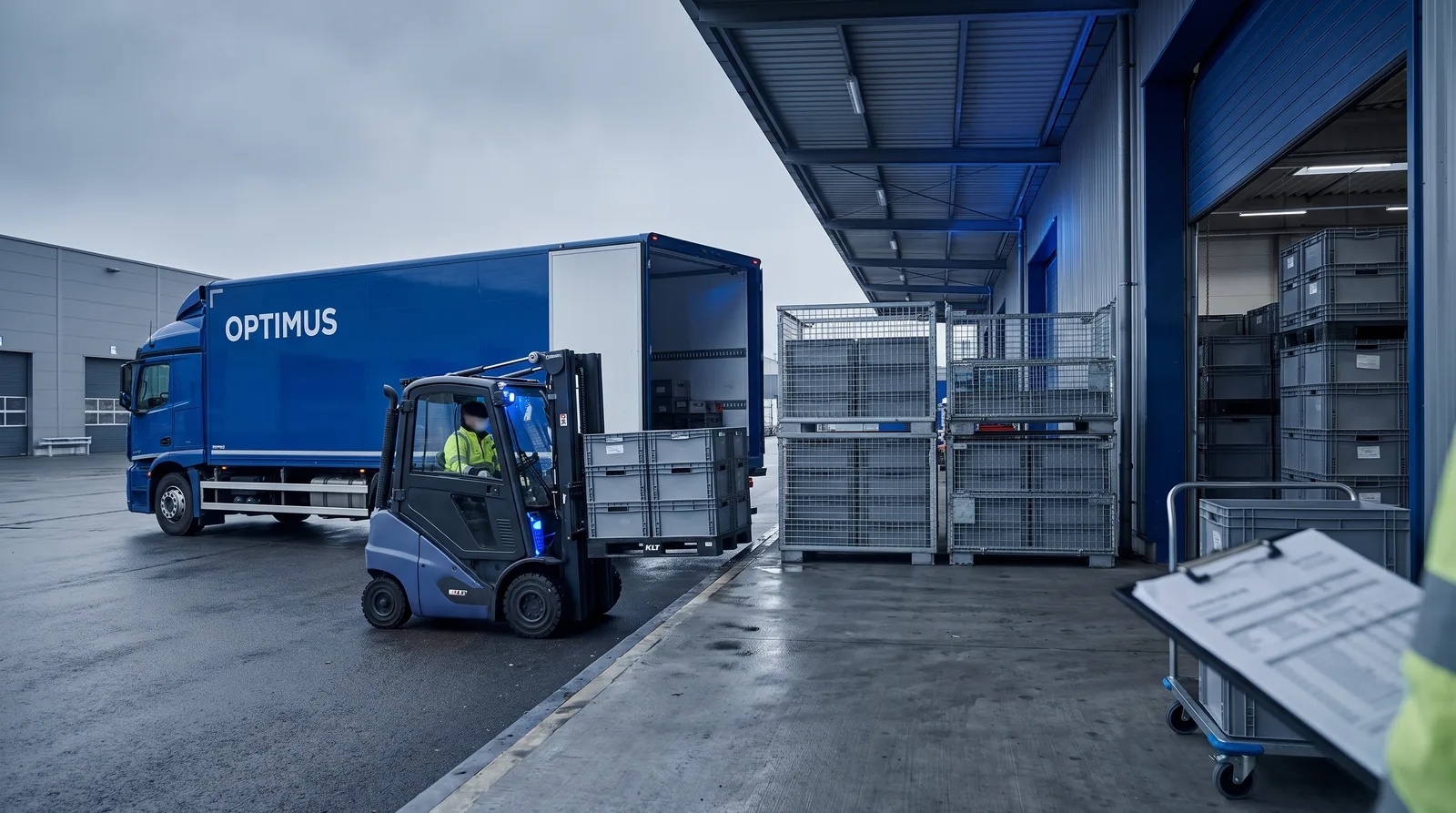
A shop or warehouse has a ramp, a forklift and people used to receiving goods. A private customer has a narrow street, an intercom and a calendar with one specific window. B2B2C delivery is therefore a different service in practice: a tail-lift vehicle instead of a ramp, a phone notification instead of a warehouse system, and a driver who must know exactly what the recipient was promised. The customs differences between selling to a company and to a private person are covered in our article on e-commerce B2C versus B2B to the UK.
Documents: who is who in this arrangement?
In the typical scenario the manufacturer is the exporter, and the UK import is settled according to the terms agreed in the order: most often the seller takes on the formalities and taxes so the private customer never has to deal with the authorities. For the shipment we need an invoice with the goods' value, a piece list and the recipient's contact details with a phone number. The manufacturer should hold an EORI number, and we complete the remaining document list at the first shipment; the whole path is described in our guide transport to England step by step. Where the manufacturer is not to be visible to the end recipient, the delivery paperwork is prepared differently from the customs paperwork, and exactly where that line runs is described in document neutralisation on deliveries to an end client.
What does such a delivery look like step by step?
- The manufacturer registers the shipment: dimensions, weight, value, the recipient's address and phone.
- We agree the unloading scope and pass it to the end customer at notification.
- The furniture travels in the scheduled flow through our hub, or by dedicated vehicle for larger sets.
- Our team closes clearance on both sides before the crossing.
- The driver confirms the delivery window by phone and delivers to the given address, with confirmation sent to the manufacturer.
Carrying indoors: what to settle before the truck leaves?
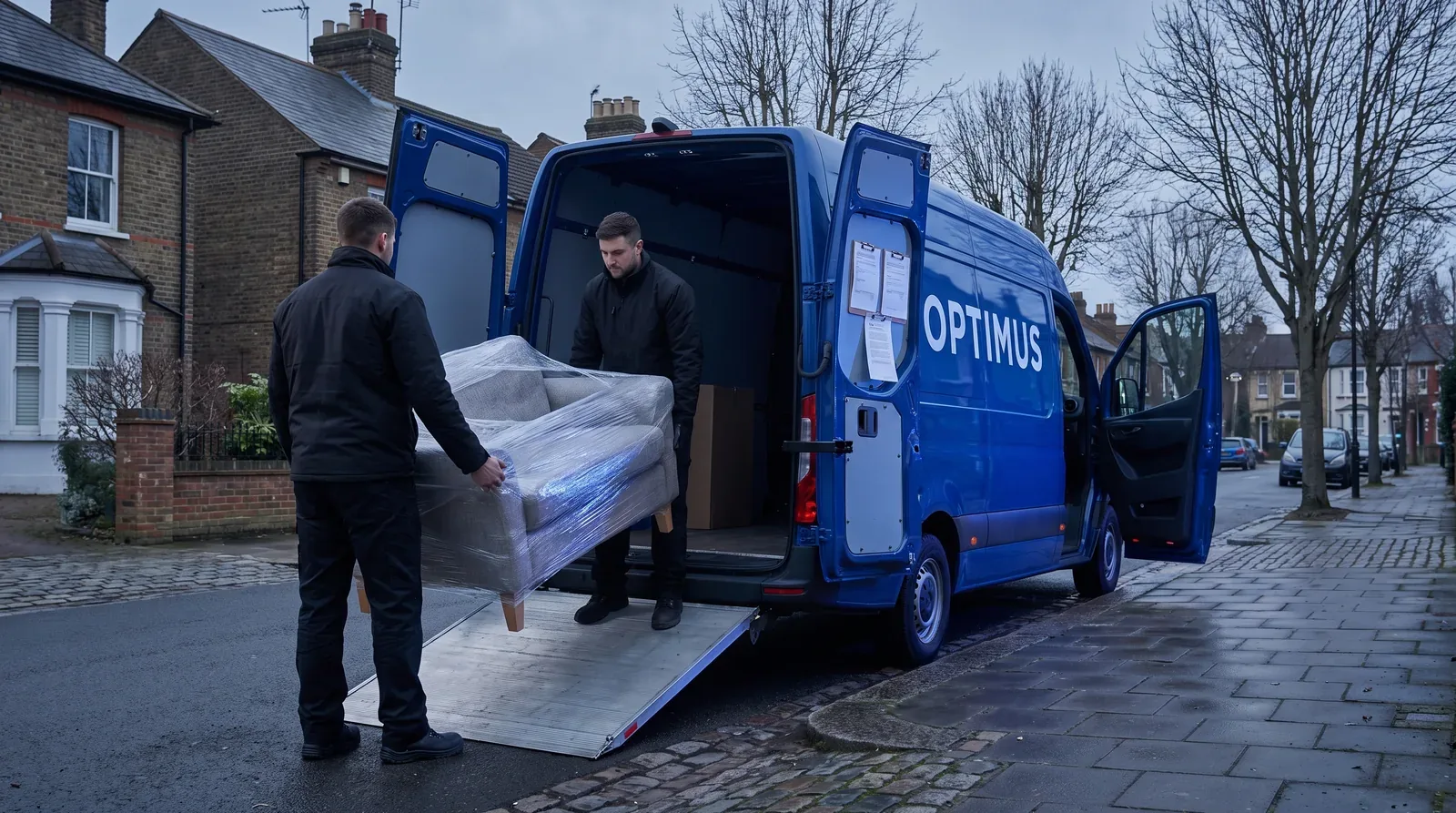
The road transport standard is delivery to the address: the vehicle comes as close as the road allows, and unloading ends at the vehicle. Carrying furniture into the flat, up the stairs or assembling it are additional services that need separate arrangements and are not always possible with a single driver. Setting this honestly protects everyone: the manufacturer knows what they sold, the customer knows what they are waiting for, and the driver is not negotiating on the pavement. If an order requires indoor carriage, tell us at the quoting stage and we will check what variant is feasible for the specific address.
Packaging and protecting furniture on the road
Furniture for an end customer must arrive in showroom condition, so the packaging is designed for a road journey: edge protection, separators, film and rigid cartons or crates for glass elements. In the vehicle the furniture rides fitted and secured against shifting, away from goods that could stain it. Carriage practice is described in our article on furniture and oversized goods, and joinery in windows and doors transport to the UK; the full range is on our furniture and home page.
When the recipient cannot take the delivery
Life writes its own scripts: the customer is in hospital, the renovation slipped, a camper blocks the drive. Then the furniture does not travel back across half of Europe; it waits for a new date at our warehouse in Milton Keynes. In the B2B2C model that buffer can be priceless: the manufacturer pays for no return trip, and the customer gets the delivery when they can genuinely receive it.
Notification that works: a phone call beats an email
In deliveries to private recipients a phone notification beats every other form. An end customer does not check tracking systems, but they do answer a call where the window can be confirmed, access asked about and the vehicle size flagged. Our process: first contact once the goods are en route, a second the day before delivery with a concrete hour range, and a third from the driver about an hour out. After delivery the manufacturer receives a signed confirmation, and photos from the unloading point if anything is questioned, closing potential disputes before they grow.
Selling furniture to customers in England and want the delivery off your mind? Write through the quote form and we will set up a standing process: from documents to a phone notification for every delivery.