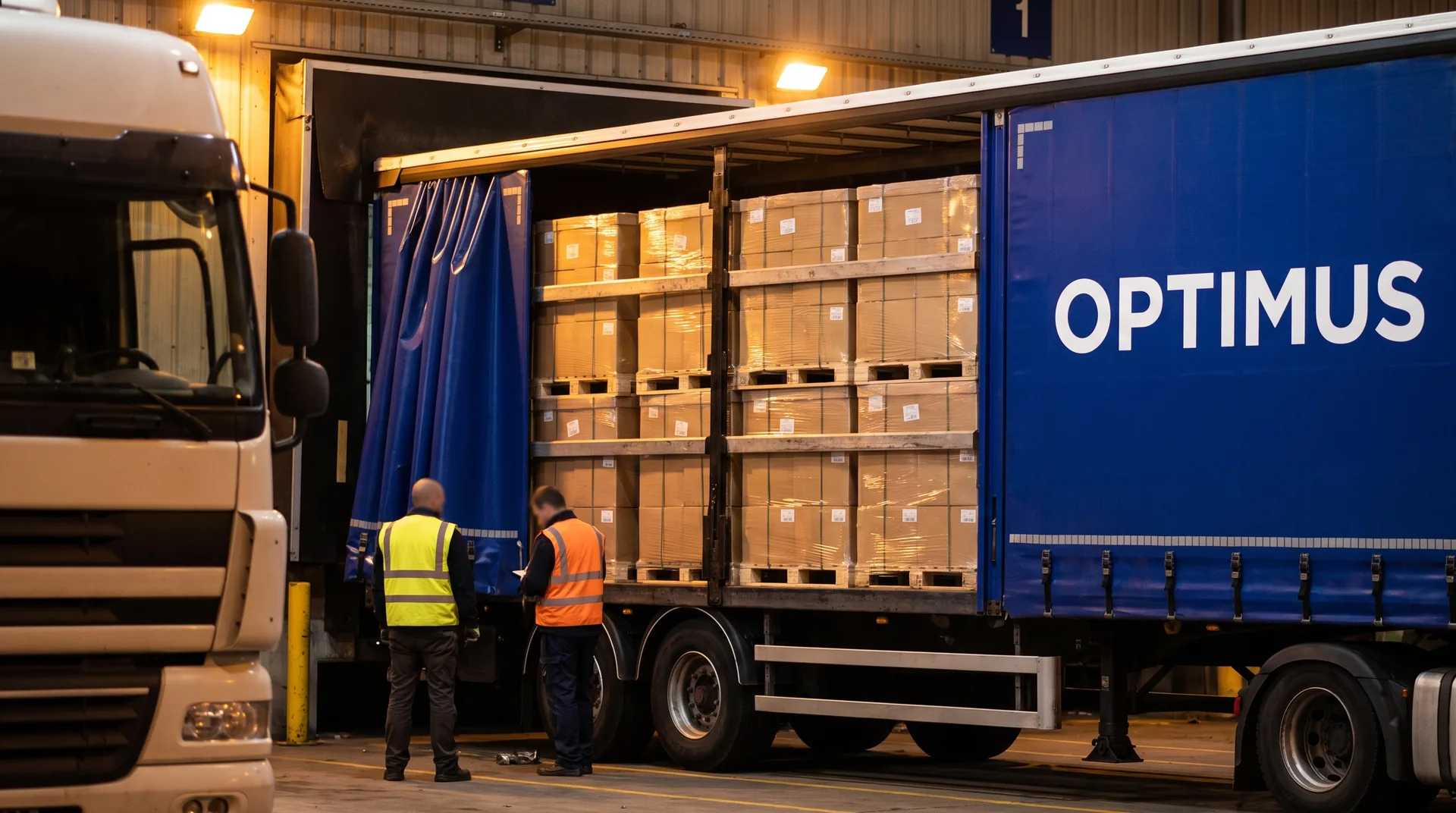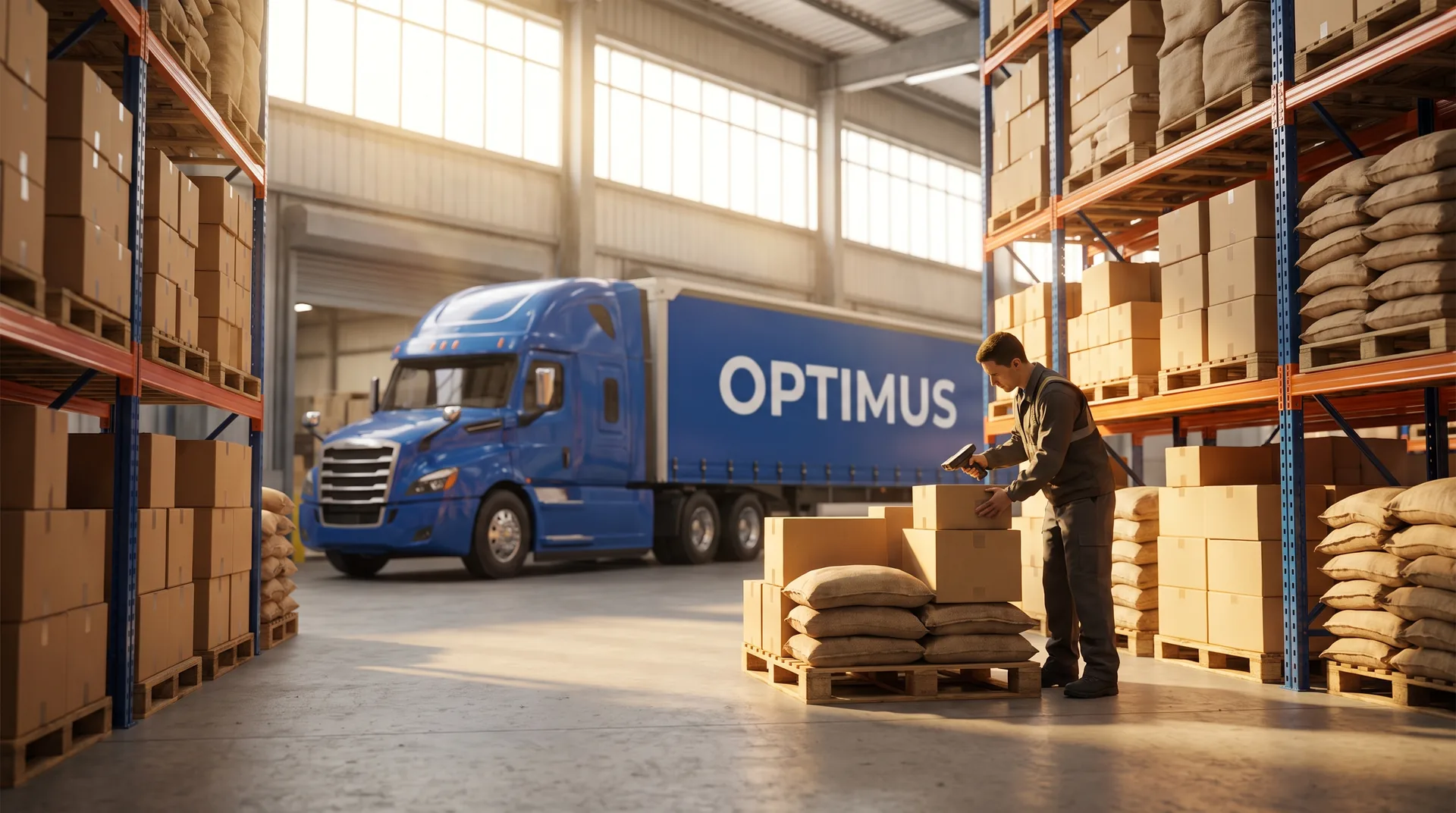
Document neutralisation means preparing a shipment so the end consignee never sees the original supplier's details: no supplier name on delivery documents, no purchase prices, no logos on the packaging. It is a legal, common practice in intermediary trade, with one condition: you neutralise commercial and delivery documents, never customs declarations, which must always carry true data. We run this on the Poland to United Kingdom route with a break point at our Milton Keynes warehouse.
Who needs neutralisation, and why?
Because in intermediary trade, information is margin. If the British consignee sees the Polish factory's address on a delivery note, the next order may go direct. If the producer learns the end client's details, it may offer to supply them without the trader. Neutralisation keeps the arrangement in which each party knows only its own counterparty. This applies to regular B2B flows as much as to larger scale dropshipping.
Which documents are neutralised?
- The CMR consignment note: the sender field shows the trader or the dispatch warehouse, in line with the actual contract of carriage the trader concludes with us.
- The delivery note: issued by the trader, without producer details and without purchase prices.
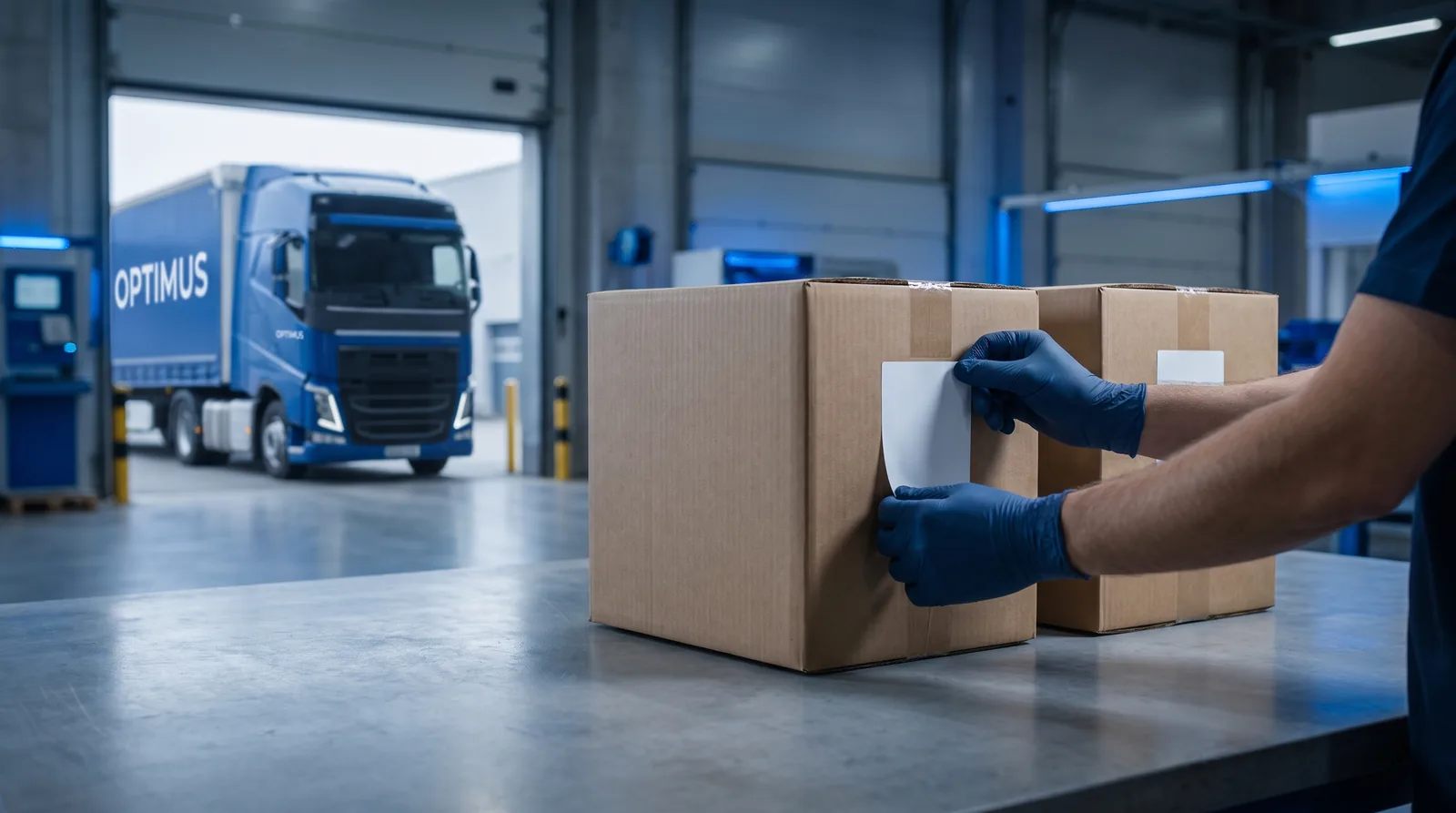
- Logistics labels and packaging: we remove or cover supplier markings, and the goods can receive the trader's labels.
- The commercial invoice: never travels with the goods; the end client receives the trader's invoice through a separate channel.
What must never be neutralised?
Customs and tax documents. The export declaration in Poland and the import declaration in the United Kingdom must show the true parties and true values, because falsifying them is a customs offence, not margin protection. In practice there is no conflict: customs documents are seen by the customs agency and the authorities, not by the end client. Separating the customs paper flow from the commercial one is enough to protect a trade secret without breaking any rules. Valuation for duty and VAT in chain transactions follows customs valuation rules and is worth discussing with the agency before the first shipment; the basics are in our article on customs clearance to the UK after Brexit.
How do we do it, step by step?
- We collect the goods from the producer in Poland on first-leg documents.
- The goods clear customs and travel on our vehicle to the warehouse in Milton Keynes.
- In the warehouse we neutralise: repack or cover markings, apply new labels, issue the trader's delivery note. The scope of repacking is described in our article on cross-dock and repacking in Milton Keynes.
- We perform the final delivery to the client's UK address with neutral second-leg documents.
The producer sees a delivery to a warehouse; the end client sees a delivery from a warehouse. Both parties receive a complete, correct set of documents for their own leg.
What do traders ask us before the first order?
Usually two things. Can the driver let the loading address slip? Our drivers know the rules of neutral orders, and the final delivery is usually made by a different vehicle than the collection at the producer, so there is physically nothing to let slip. Second: what about delivery booking, since the consignee cannot receive a call from a Polish factory? Our team books the delivery in the trader's name. We close data protection off with a confidentiality clause in the transport order.
Which mistakes most often break neutral deliveries?
It is nearly always a detail that fails, not the concept. A purchase invoice slipped into a carton by the producer's warehouse, with a price the end client was never meant to see. A logistics label with the factory address stuck to the underside of a pallet nobody turned during repacking. The producer's delivery note handed to the driver with the CMR and passed on at unloading. A delivery booked from a phone number the consignee later finds online next to a different company. Each of these disarms the whole construction with one slip of paper, which is why neutralisation must be a checklist procedure, not a verbal understanding. Our warehouse closes that list: before final delivery we check every pallet and every document in the dispatch set, and what goes into the cartons at the producer is agreed with the trader at order stage.
Sources
Running intermediary trade to the Isles and protecting your source? Write via the contact form: we will set up the document flow so everyone sees exactly as much as they should.