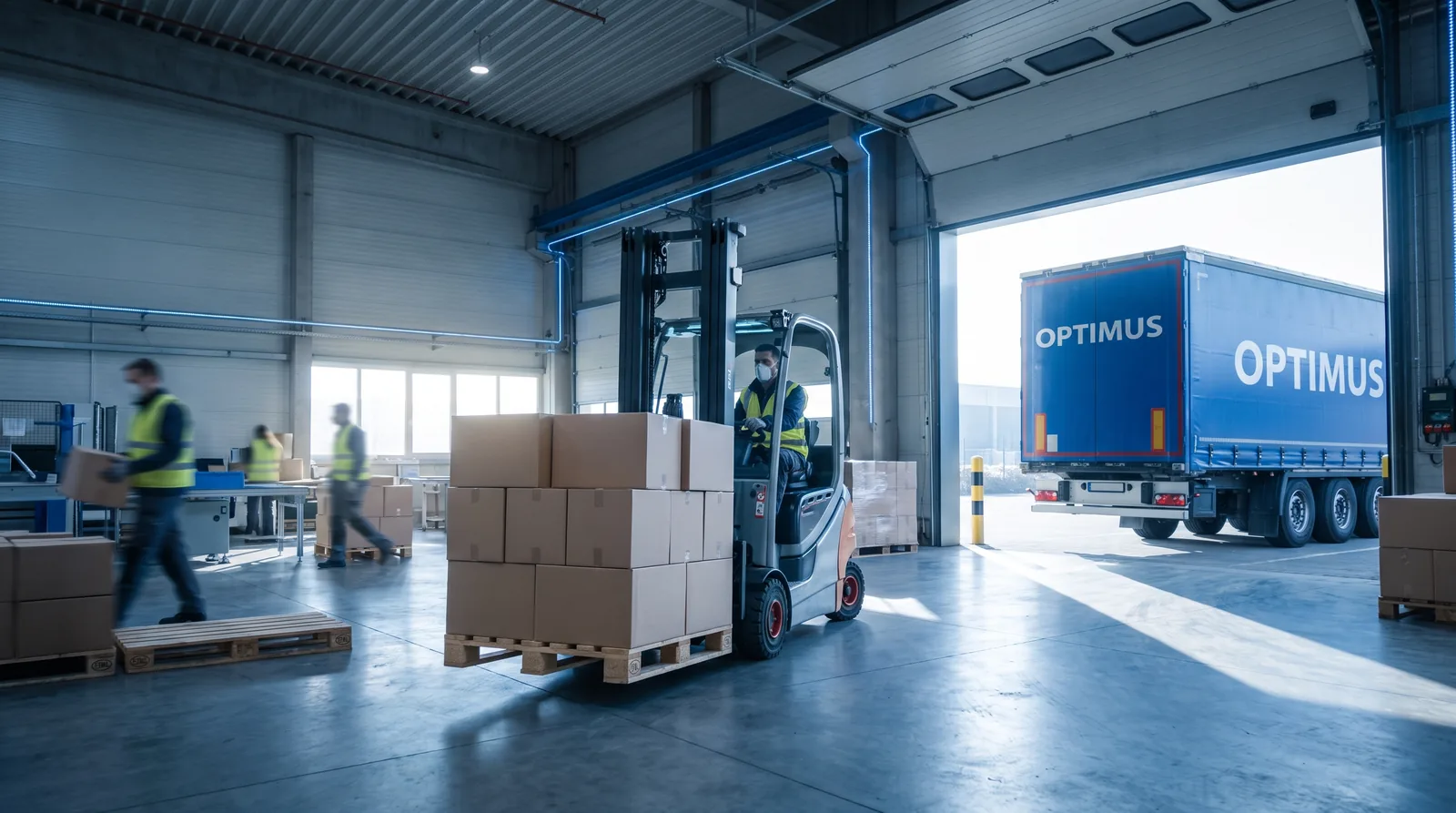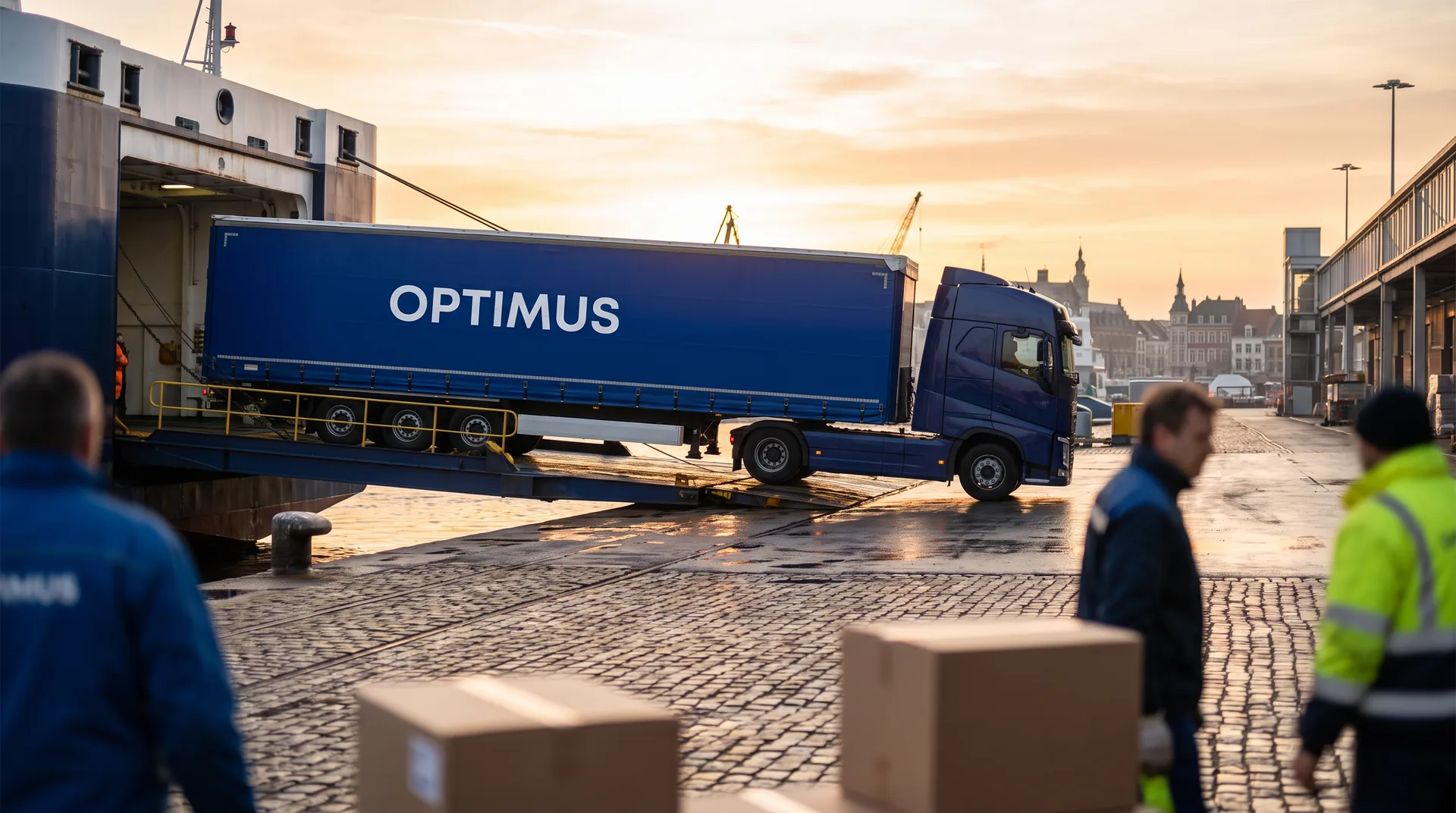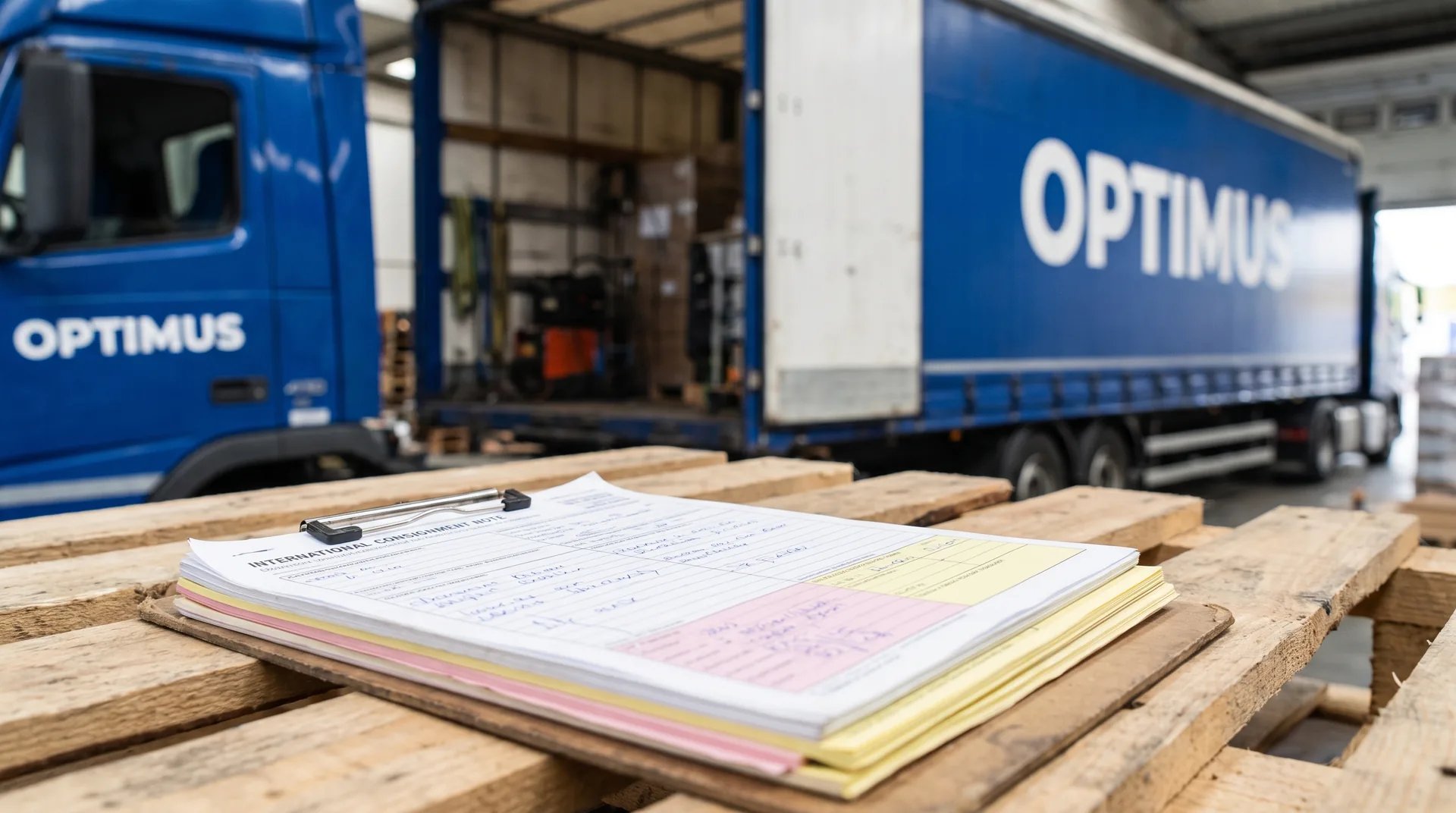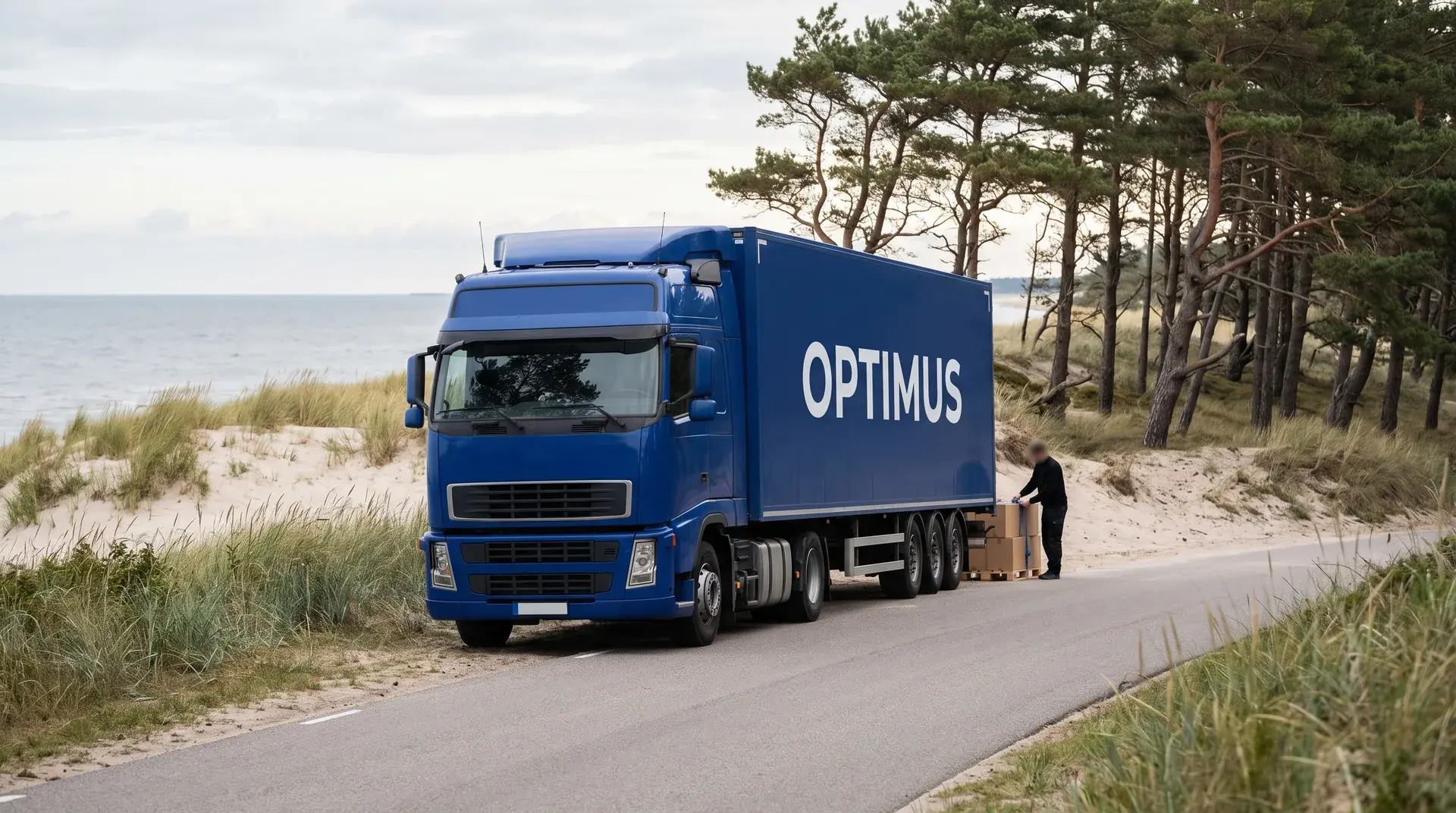
We take groupage from Lithuania, Latvia and Estonia into consolidation via our hub in Poland: the goods arrive overland along the Via Baltica, with no ferries and no customs, because the whole leg runs inside the EU. At the hub the pallets join UK bound freight and continue with one set of customs formalities, from declarations to the GMR.
The approach: one road, zero customs borders
Route E67, the Via Baltica, runs from Tallinn through Riga and Kaunas to Warsaw; the Tallinn to Warsaw leg is roughly 970 km. For freight from the Baltic states it is the natural corridor towards our bases. The entire approach happens inside the EU, so the only things we watch at this stage are the commercial documents travelling with the goods and the condition of the pallets on the way.
Why via Poland rather than separately
- A few pallets from Vilnius, Riga or Tallinn will not fill a truck to the UK; in consolidation you pay for the space you occupy.
- The export declaration, the UK import entry and the GMR are part of the carriage, not a separate task for the consignor.
- The hub absorbs timing differences: goods can wait for the next departure instead of forcing a dedicated truck.
- On the British side the delivery can run through our Milton Keynes warehouse when the consignee requires booking in.
Documents and formalities
We need the invoice, the packing list, the EORI numbers of the parties and origin information if the goods are to travel at the zero tariff of the EU and UK agreement. Where the export declaration is lodged depends on who the exporter is and where the goods are loaded for export; we settle that at order stage. The mechanics of declarations and the border reference are described in our article on EU export clearance and in the piece on the GMR.
Time: orientation only, with conditions
The run from the Baltic states to the hub and the consolidated departure to the UK are two stages with separate dates. The total time depends on the pickup point, the consolidation schedule and the Channel crossing, so we give specifics in the quote. When planning a booked in delivery on the UK side, keep a margin where the stages meet.
Where this route makes no sense
There is no point routing a load through the Polish hub if it fills a truck on its own. We draw the line at roughly a third of a trailer, around twelve pallets: above that level a dedicated run from Kaunas or Riga usually wins, because it skips the hub stage and goes straight to the crossing. The second case is a deadline with no slack. A groupage truck waits for the next scheduled line departure, so if a delivery must land on a specific day with no margin, consolidation is the wrong tool. The third is a load that needs equipment on the vehicle, a tail lift or temperature control across the whole route: we plan those separately.
How many transhipments a pallet goes through
Usually two: consolidation at our hub in Poland and a cross dock in Milton Keynes if the British side needs booking in or a split across addresses. On a direct delivery the second transhipment falls away. That is the key fact for a packing department: a load from Tallinn to Manchester passes through several pairs of hands and forklifts, so the pallet has to be stable on its own, not because it is wedged between two others.
What to prepare before collection
- A loading address with ramp working hours and the person releasing the goods.
- Real weight and dimensions of every pallet: the space on the truck and the load plan follow from them.
- Invoice and packing list complete and consistent on package counts.
- EORI numbers of the parties and confirmation of who acts as the exporter.
- Whether the UK consignee requires booking in: it decides whether the consignment runs through Milton Keynes.
Sources
- GOV.UK: import goods into the UK, step by step
- European Commission: customs union, export of goods
- GOV.UK: get a Goods Movement Reference (GVMS)
Groupage in Lithuania, Latvia or Estonia? Describe the load in our contact form and we will match a consolidation date. We serve eastern Germany the same way; the full map is on our destinations page.