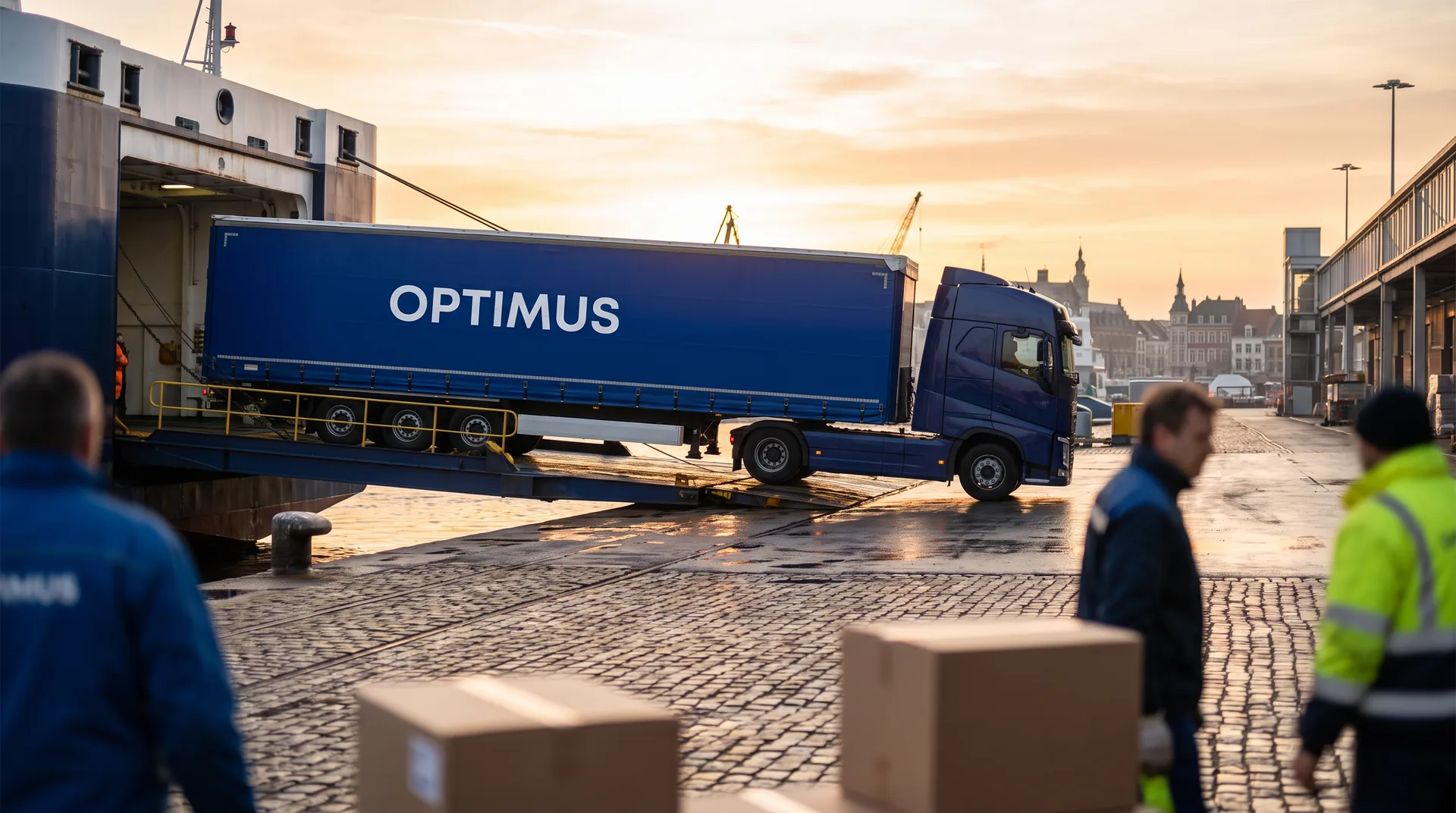
We run imports from the UK to Czechia, Slovakia, Austria and Hungary via Poland: we collect the freight in the UK, consolidate it at our Milton Keynes warehouse, and after the crossing the goods either clear import into the EU or travel under T1 transit to the consignee country. Once released, consignments are distributed from our facilities across the region.
The British stage: collection and consolidation
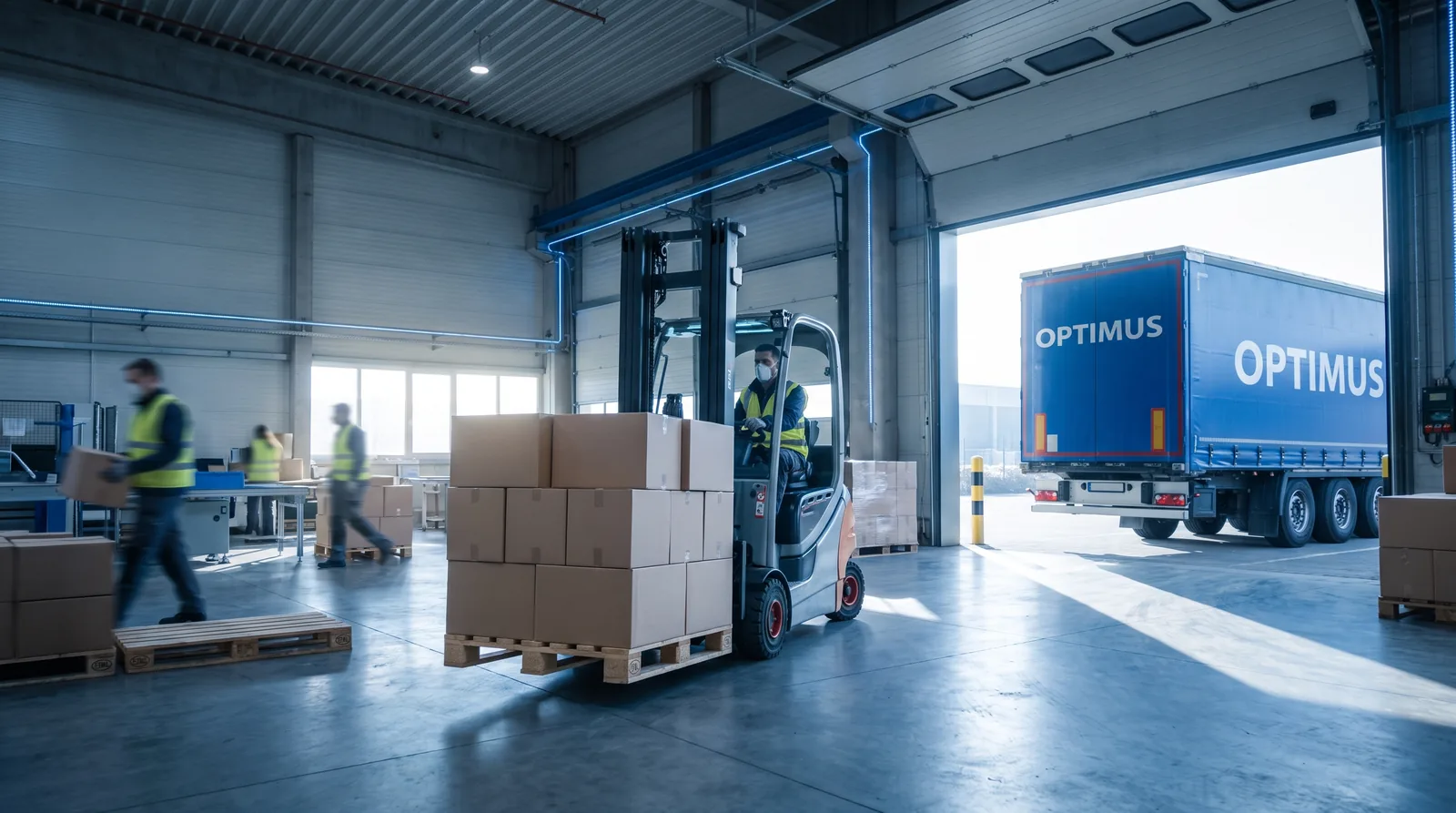
We collect goods from anywhere in England, Scotland or Wales and gather them at the Milton Keynes warehouse. There consignments are checked, weighed and built into one truck for the continent. On the British side an export declaration is lodged and the vehicle receives a GMR reference for the crossing.
Entering the EU: two customs paths
- Import clearance in Poland. The goods are released for free circulation in the EU already in Poland. When the consignee is in another member state, procedure 42 comes into play, with VAT settled in the destination country as an intra EU supply. We describe it separately in the article on procedure 42.
- T1 transit to the consignee country. The goods cross Poland under customs seal and import clearance happens only in Czechia, Austria or Hungary. The mechanics are covered with T1 and T2 documents.
The choice depends on where the importer is VAT registered, who acts as their customs representative and what the onward distribution looks like. We settle it at order stage, not in the port.
Distribution after clearance
Once the goods are released, consignments fan out from our facilities: some on a regional groupage truck, some directly to individual consignees. Goods in free circulation move around the EU with no further customs borders, so the last mile in Czechia or Hungary is no different from a domestic delivery.
Documents we watch
- Invoice and packing list from the British consignor, consistent with the declarations.
- EORI numbers of the parties and the importer VAT registration details in the destination country.
- Proof of origin if the goods are to use the zero tariff of the EU and UK trade agreement.
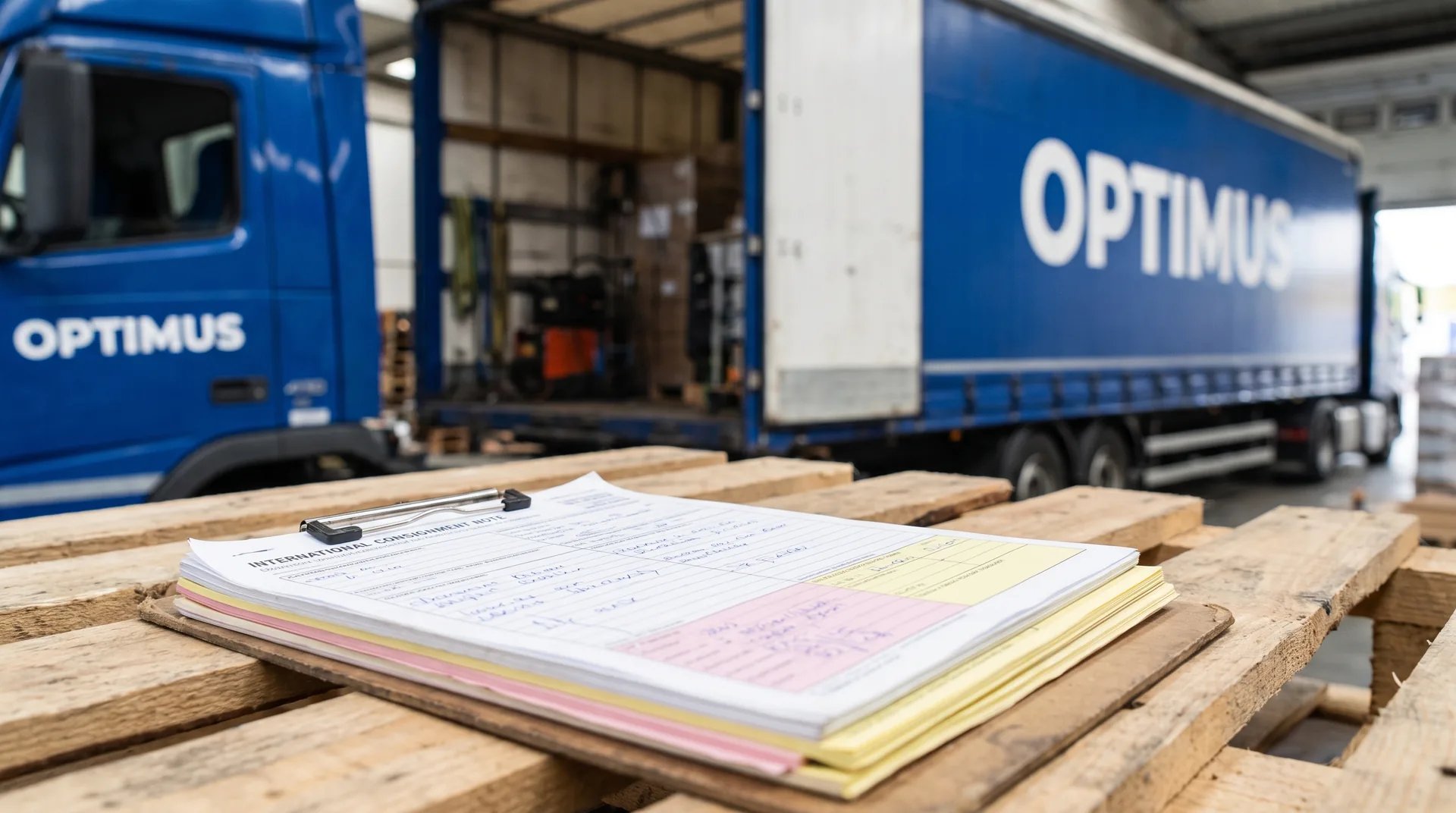
- A CMR note for every consignment and the manifest of the groupage truck.
The most common mistake: a customs decision taken after the fact
The choice between clearance in Poland and transit to the consignee country looks like a technical detail until the truck is standing on the continent with goods for which nobody made that decision. Then it turns out that the Hungarian consignee has no customs representative, or that the VAT registration on which procedure 42 was to rest belongs to another company in the group. The remedy is dull and effective: we settle the path when we take the order, together with the data the declaration will need.
How many transhipments a consignment from this corridor sees
Usually two: a cross dock in Milton Keynes while the continental truck is built, and a transhipment at our hub in Poland before regional distribution. On a full truck to a single consignee in Czechia or Austria both stages can fall away and the goods run ramp to ramp. For a British consignor that means a simple rule of thumb: if you are sending groupage, the packaging has to survive a sea leg and two forklifts.
What to prepare on the British side
- An invoice with currency, delivery terms and details of both parties.
- A packing list with package counts and weights, consistent with the invoice.
- The UK consignor EORI and the importer EORI in the destination country.
- Origin information if the goods are to travel at the zero rate.
- The collection address and hours, and the person releasing the goods from the warehouse.
Sources
- European Commission: customs union, import and transit
- GOV.UK: export goods from the UK
- PUESC (Polish customs / KAS): declarations on the Polish side
Suppliers in the UK and consignees in Czechia, Slovakia, Austria or Hungary? Describe the flow in our contact form. We run clearances within our customs service, and imports into Poland itself are covered in a separate guide.