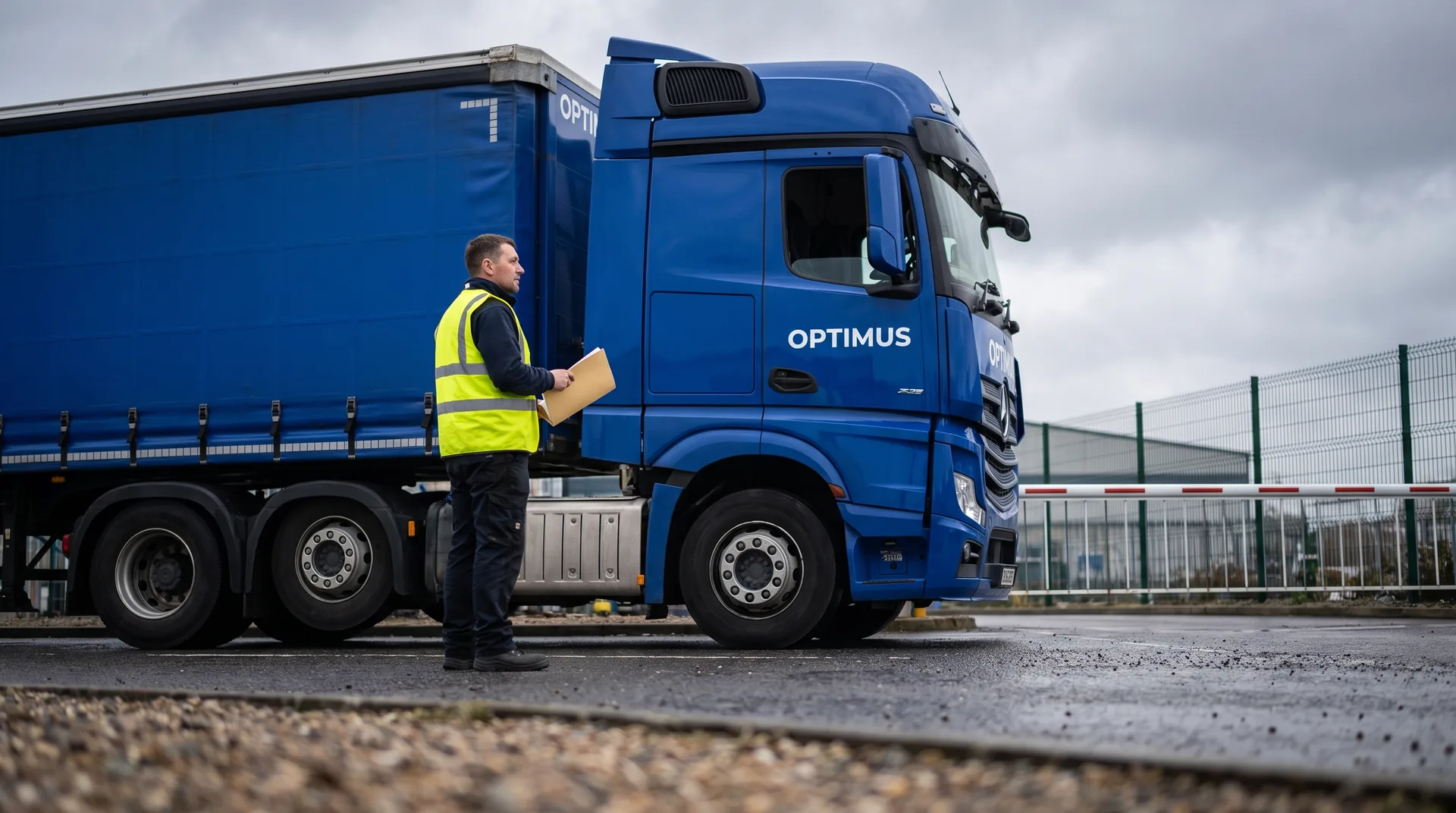
Without a valid EORI number no customs declaration can be lodged, and without declarations there is no GMR for the UK border crossing. The truck stands at the loading bay while the waiting clock runs. That is why we check the EU and GB EORI numbers in the free online validators before the truck is booked, not on departure day.
Three typical scenarios where everything stops
- The UK consignee is a new business and only when asked for an EORI does it turn out they never registered for one. Registration takes time and the goods wait.
- The number formally exists but is inactive or no longer matches the company data, for example after a change of legal form or VAT deregistration.
- A typo: one wrong character is enough for the system to reject the declaration.
Why this always surfaces at the worst moment
An EORI is not needed to book transport, so the topic is easy to postpone. The problem appears only when the customs agency starts preparing declarations, often the day before loading or during it. At that point there are two options and both cost money: postponing departure until the number is registered, or unloading the truck and rebooking for another date. The driver and equipment waiting time is, as a rule, paid by the party ordering transport.
How to check a number in a few minutes
- GB number: the free checker on GOV.UK confirms whether the number is valid and which business it is registered to.
- EU number: the European Commission EORI validation service works the same way for EU numbers.
- Data consistency: the company name behind the number must match the invoice. Mismatched names are a frequent trigger for customs queries.
How we run this at OPTIMUS TRANSPORT
With the first order for a new customer we ask for both EORI numbers together with the commercial documents and verify them before the loading is scheduled. If the consignee has no number, we say so straight away and point to where to get one, instead of discovering the gap on departure day. What an EORI is and how to obtain it is covered in our article on the EORI number for UK trade, and the whole process in the guide transport to England step by step.
EORI and a VAT number are not the same thing
The most common misunderstanding on a first shipment to the UK sounds like this: "we have a British VAT number, so we have an EORI too". These are two separate registrations for two separate purposes. The VAT number serves the tax settlement, the EORI identifies the business on customs declarations. A British EORI is often issued alongside a VAT registration and then looks like the VAT number with extra characters, but that is not a rule and it is not something to base a shipment plan on. Checking takes a minute in the validator, and the answer is unambiguous: the number either exists and belongs to that company, or it does not.
Who is the importer, and why that must be settled early
The consignee's EORI is only useful if the consignee actually acts as the importer. It happens that the goods go to one company's warehouse while another lodges the declaration: a parent company or a sales representative. Then the second party's EORI and details belong on the declaration, while the delivery address stays the warehouse address. Settling that before loading is one phone call; settling it after the truck has entered the terminal costs a day.
Sources
- GOV.UK: check an EORI number starting with GB
- GOV.UK: get an EORI number
- European Commission: customs (including EORI validation)
Planning a shipment and not sure the paperwork is complete? As part of our customs service we verify EORI numbers and the full data set before the truck arrives. Write to us through the contact form.