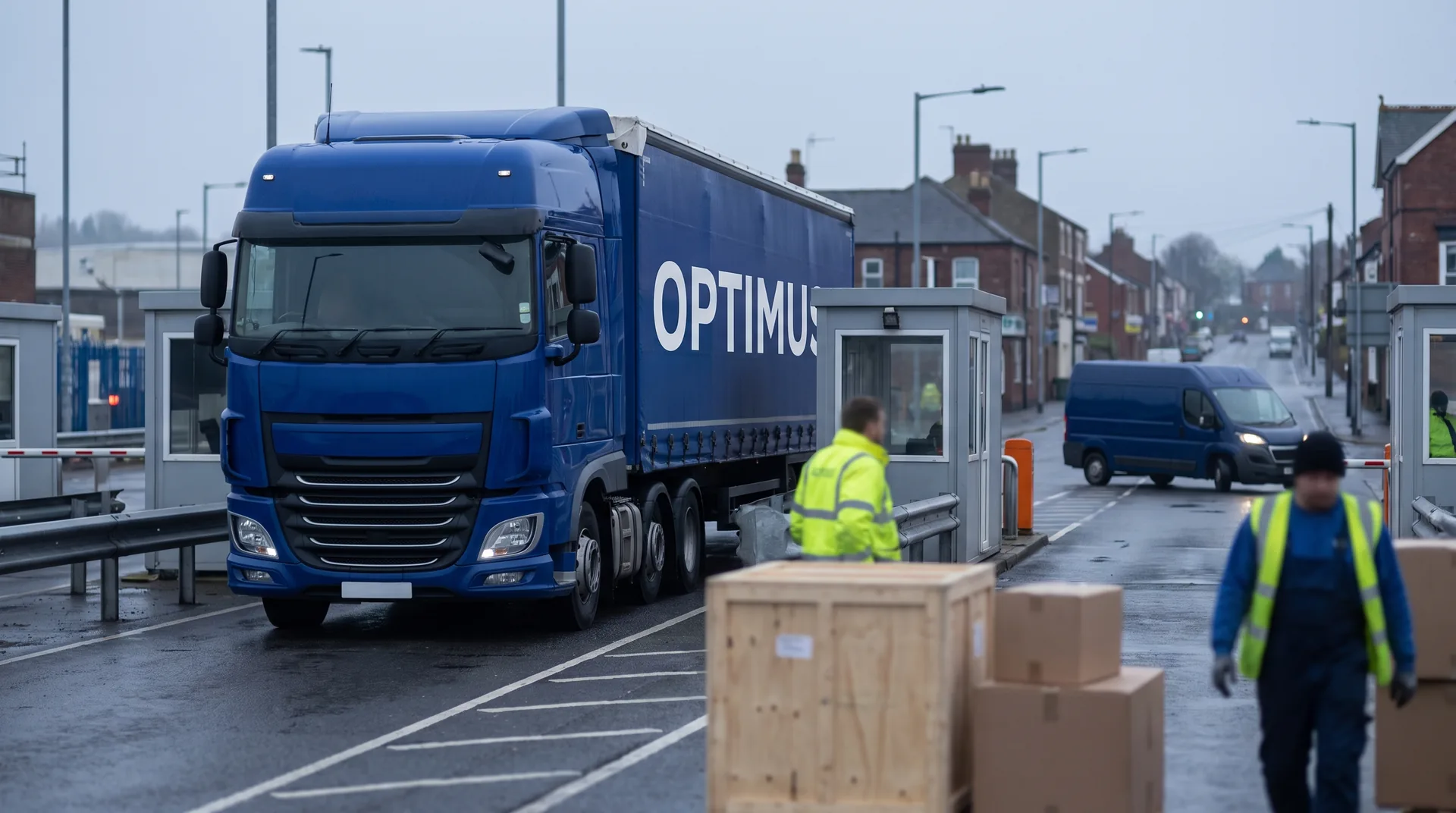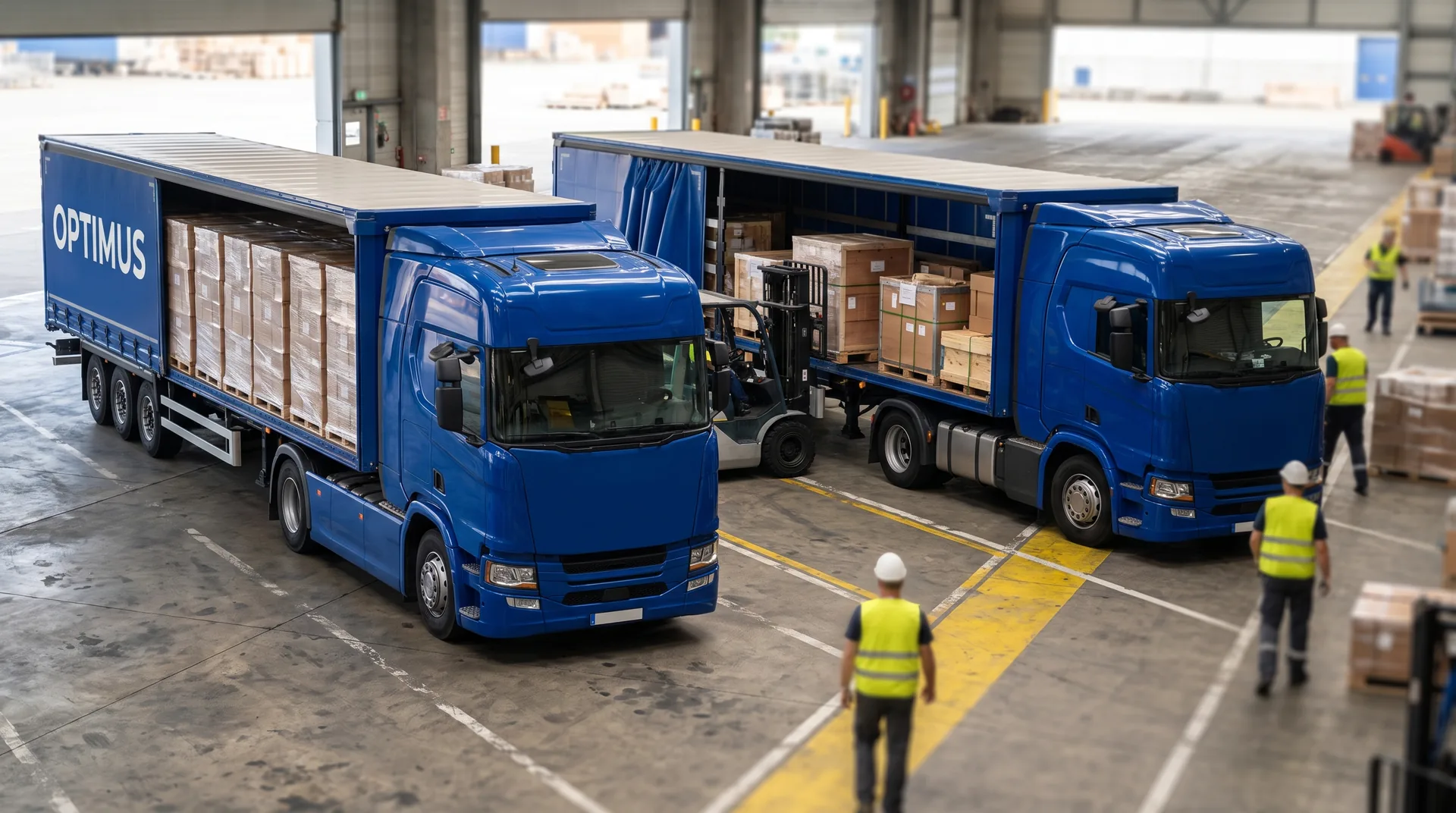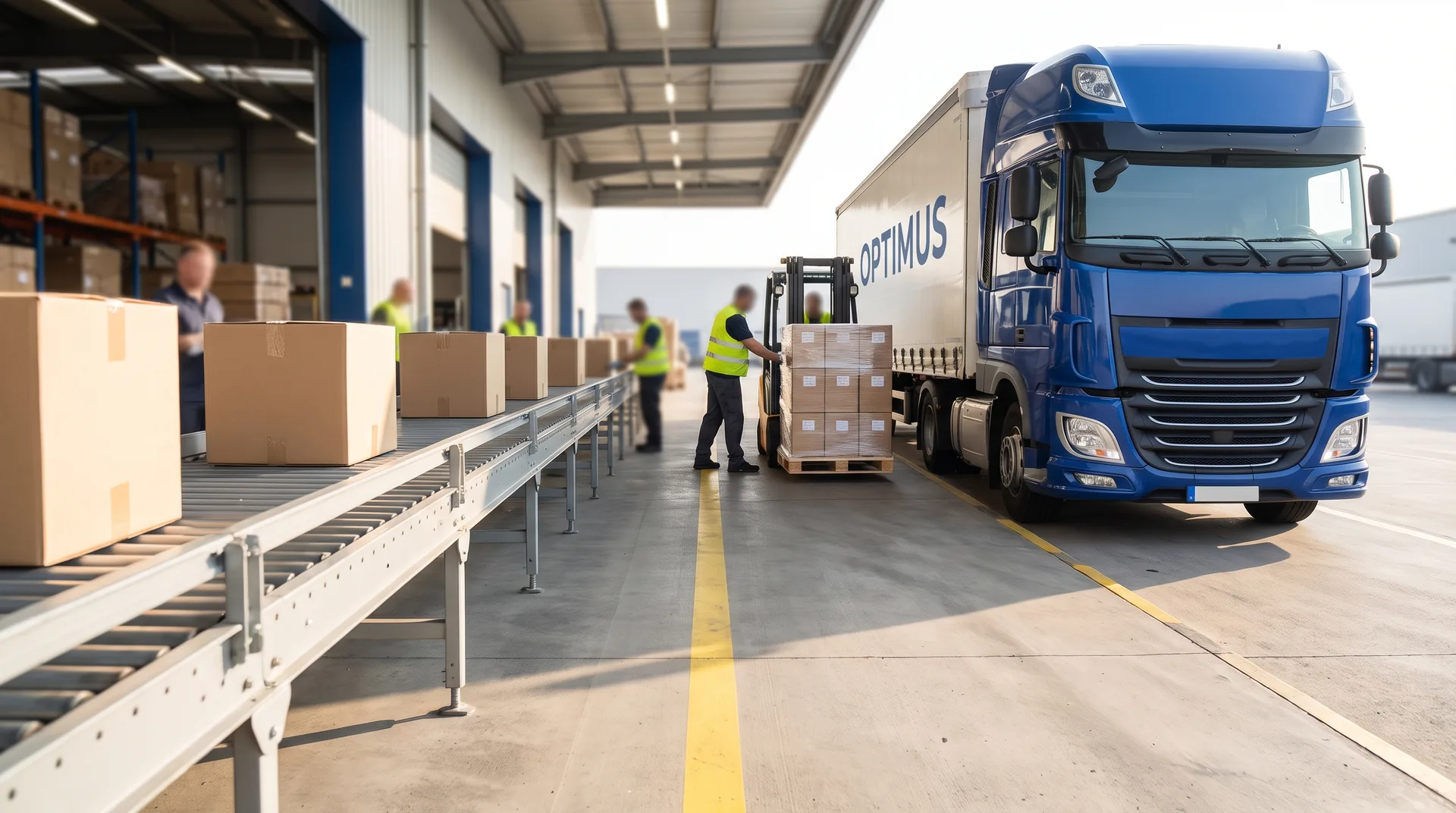
The return direction can be cheaper because a truck that delivered exports to the UK returns to the continent anyway. Every pallet taken on the way back cuts empty kilometres, so the carrier can offer a better rate than for a journey arranged from scratch. The condition: the load must fit the route and time window of the returning vehicle.
Where the difference comes from
Trade flows are rarely symmetrical: the number of trucks needed one way does not equal the number needed the other. When more freight travels to the UK than comes back on a given relation, some vehicles would return underfilled. Yet the cost of the run, the ferry and the driver is almost the same, empty or full. A return load fills space that would otherwise travel for nothing, and that is why the space can be priced more favourably.
What this means for an importer
- A flexible date is real currency: a load that can wait for a returning truck travels cheaper than one forced onto a fixed day.
- Location matters: a pickup along the return route prices better than one requiring a long detour.
- Groupage benefits twice: a few pallets slot easily into the free space of a returning vehicle.
- Backhaul rates are not a guarantee: they depend on the current export pattern, so treat them as an opportunity, not a price list.
How it works with us
Our trucks carry exports from Poland to the UK and come back with imports: we collect freight across the UK, consolidate at Milton Keynes and plan the returns so the space does not travel empty. For the customer this means two things: a competitive price on the UK outbound direction and a predictable document flow, because the UK export and the EU import run within one carriage. How domestic collection works is described in collection anywhere in the UK.
When the return will not be cheaper
With rigid delivery windows, loads that require a dedicated vehicle, and in seasonal peaks when many shippers hunt for returns at once. Then availability counts, not the bargain. For a rough cost breakdown see our article on the cost of transport to the UK; the return direction runs on the same components, just from a different starting point.
Planning: exports and imports in tandem
The biggest winners are companies with flows both ways that let us plan them together: deliveries to the UK and collections from the UK in one rhythm. That stabilises rates in both directions and shortens the wait for a vehicle.
A backhaul and free space are two different things
In transport conversations "return load" means two different things and they are worth separating. The first is a full truck taken out of the UK by a vehicle that would otherwise run empty: the saving is largest there, but the time window is narrowest, because the vehicle already has its return day fixed. The second is space on a groupage truck that comes back with freight anyway: flexibility is greater, because the consignment waits for the next scheduled line departure and the price follows the space occupied rather than the whole run. We draw the line at roughly a third of a trailer, around twelve pallets.
What to prepare to fit into a return
- A date range instead of a single day: two or three days of slack move the price more than negotiation does.
- A collection address with ramp hours, afternoon ones included, because returns are planned around the sailing time.
- Real weight and dimensions: space on a returning truck is counted pallet by pallet.
- A complete document set, so that UK export clearance does not hold up a vehicle with a fixed slot on the crossing.
What happens when a return does not come together
Some weeks there is no return that fits your address and your date. Then we say so plainly and offer an alternative: a shift of a few days, a feeder run of the goods to Milton Keynes, or a dedicated vehicle at the normal rate. What we do not do is promise a return we cannot see in the plan in order to win the order and look for a solution later.
Sources
- GOV.UK: Department for Transport, road freight statistics
- GOV.UK: export goods from the UK
- European Commission: customs union
A load in the UK and some slack in the date? Write through our contact form and we will check the nearest returns. Our lanes are on the destinations page and the scope on the services page.