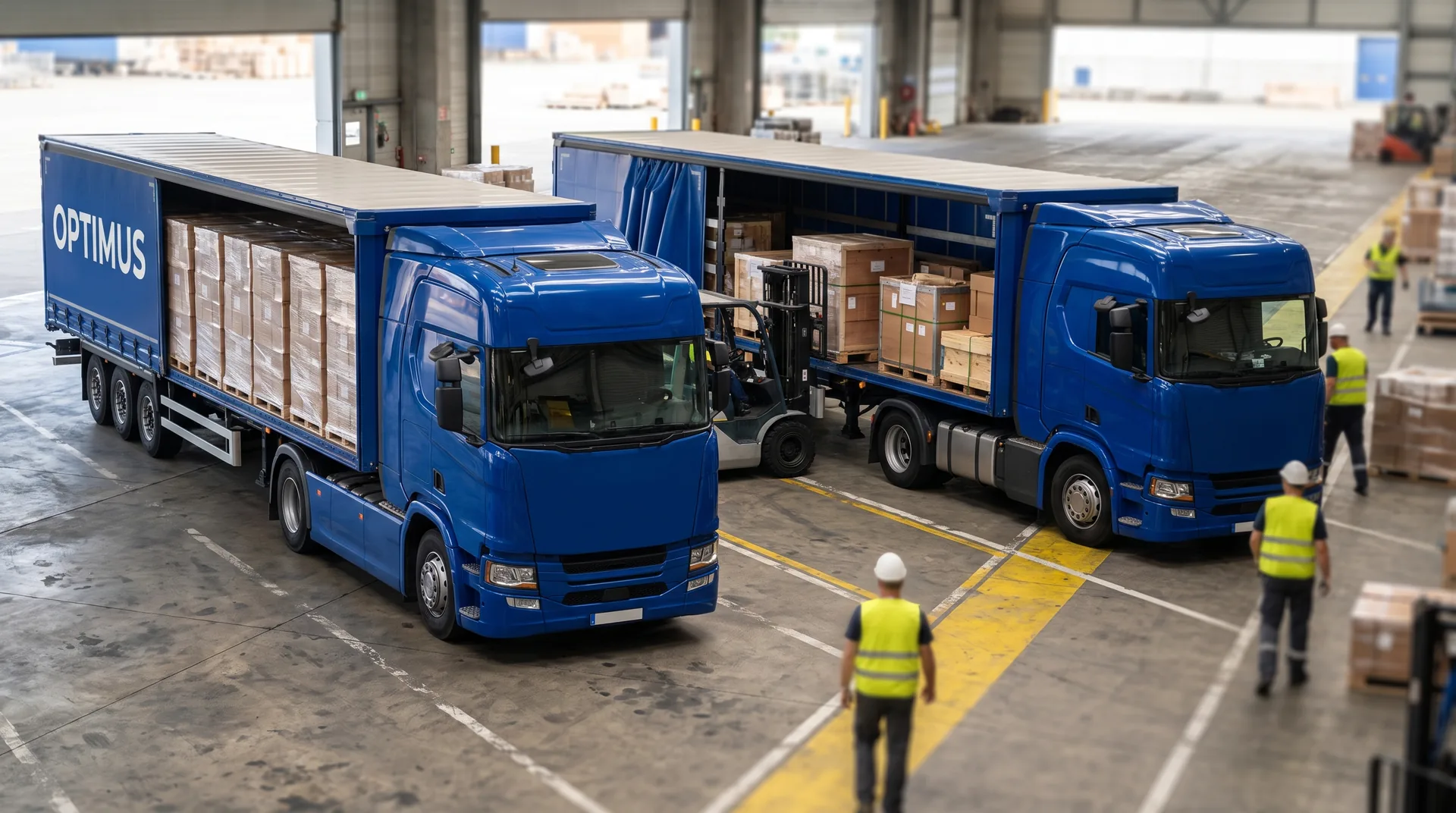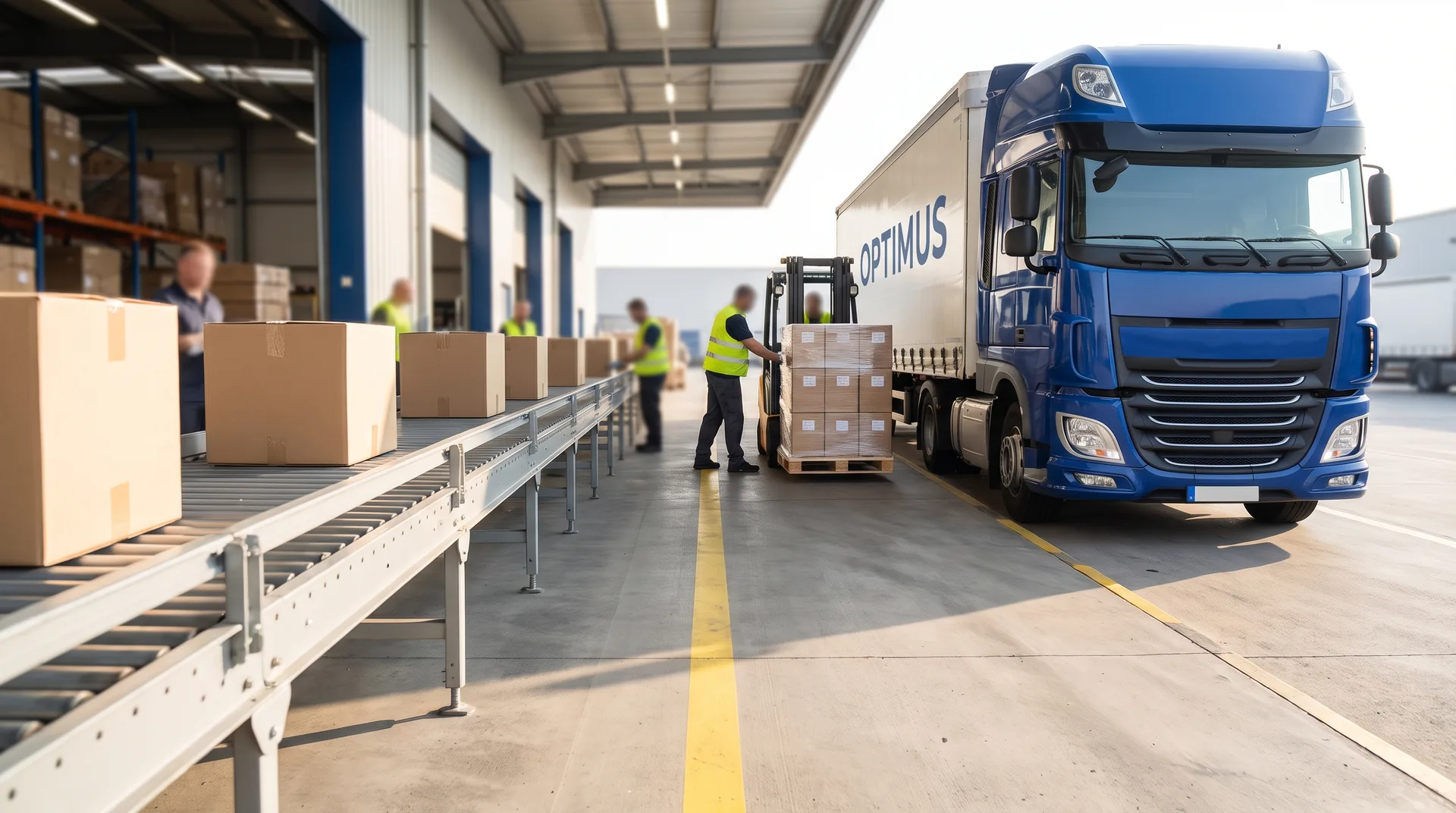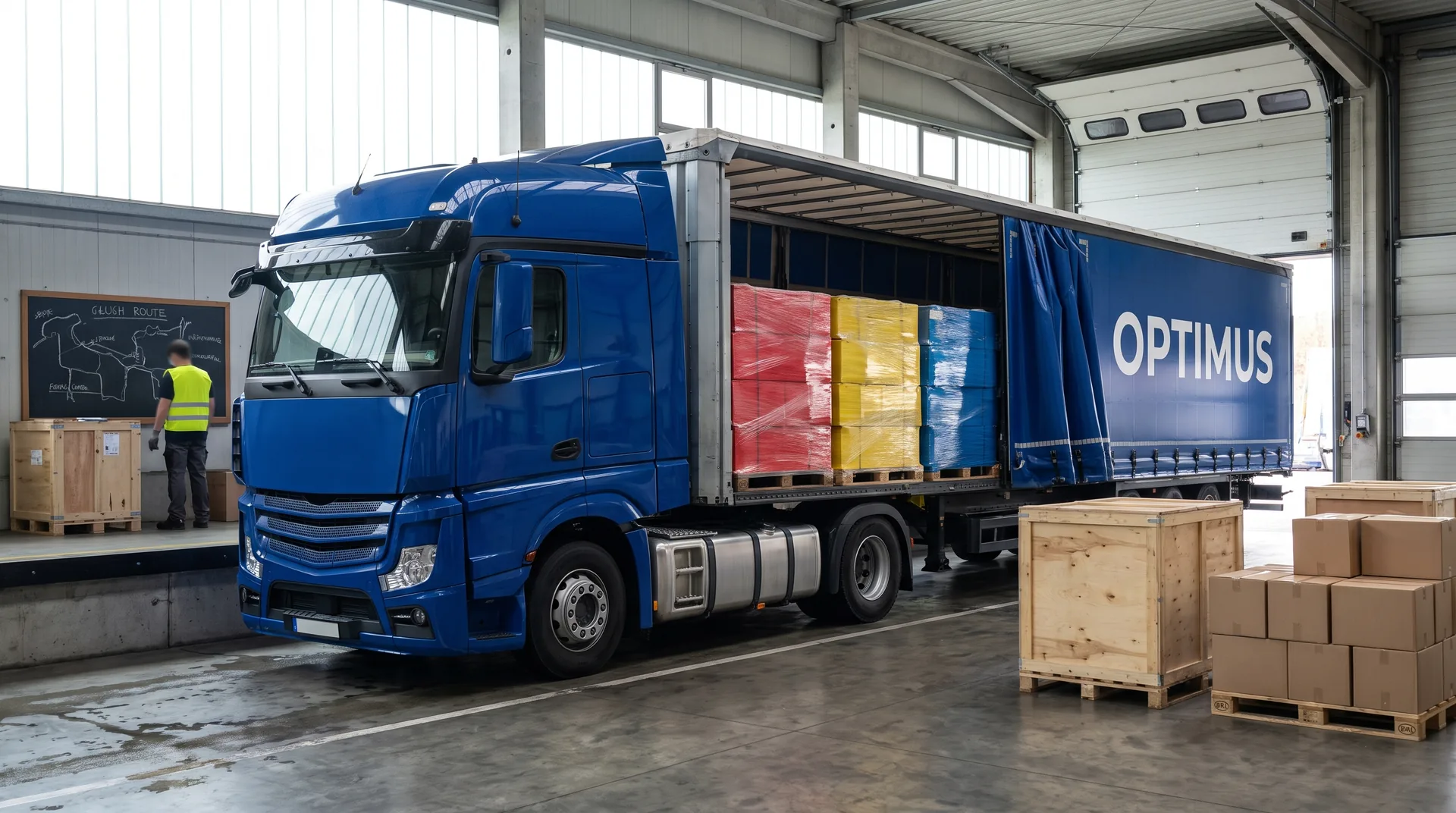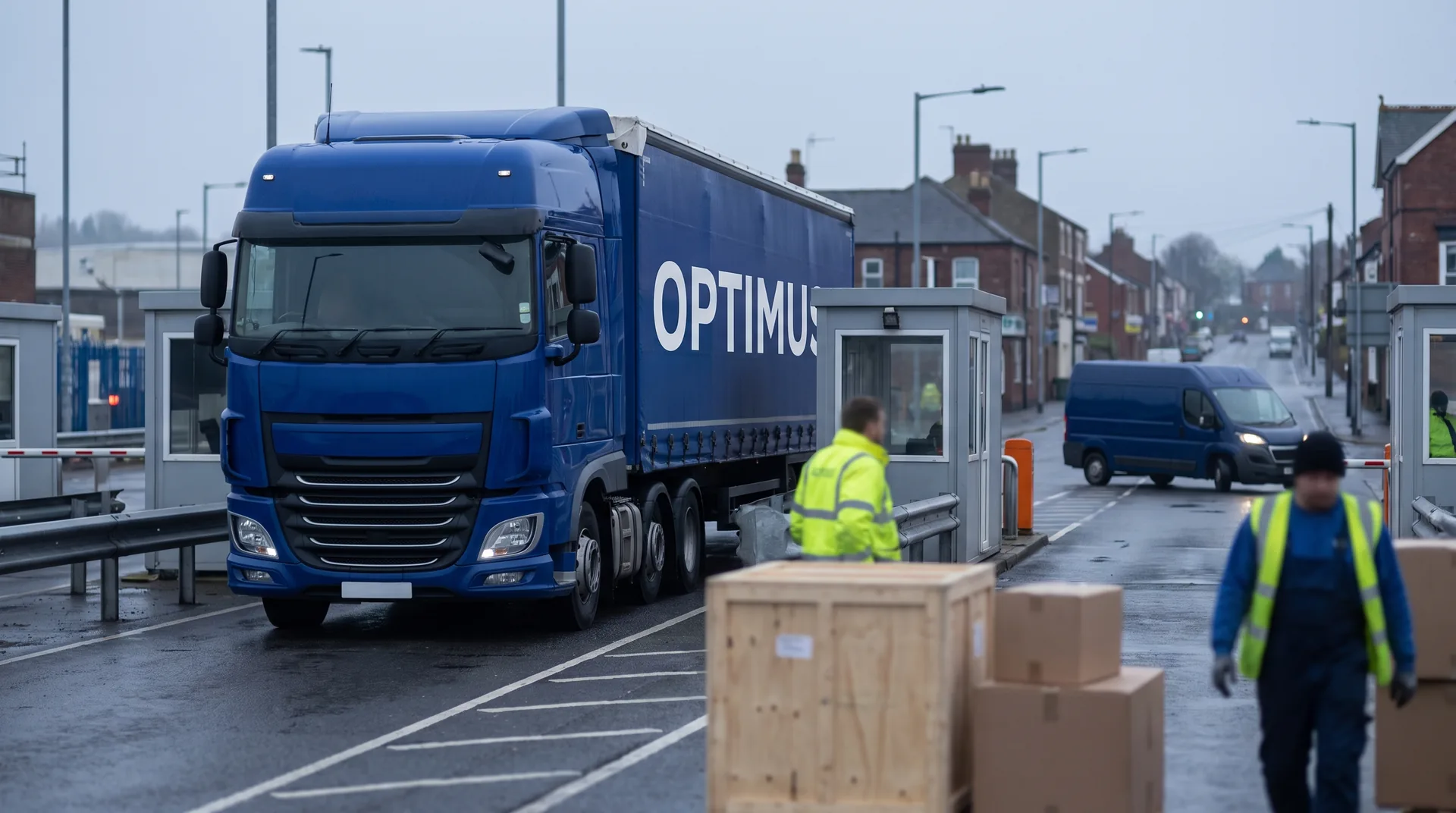
A partnered carrier programme handles a consignment that is already in the United Kingdom and crosses no border. A chain from Poland looks different: an export declaration, an import declaration, the crossing, a buffer on the British side and pallet preparation to the warehouse requirements are all added. The line runs exactly where clearance begins, and choosing a label does not move it.
What a partnered carrier programme does
The seller creates the shipment in the panel, picks a carrier from the programme and receives documents and a delivery window. For a consignment leaving a warehouse inside the United Kingdom that is convenient and quick. There is one limitation, and it is fundamental: the programme does not deal with duty, with import VAT or with who the importer is. Who that is on a delivery into somebody else warehouse is settled in our article on import and tax on a delivery to an Amazon warehouse.
What is added on the route from Poland
- Clearance on both sides. An export declaration in the Union and an import declaration in the United Kingdom, an EORI number and the load documents. Without them the consignment does not enter, however firmly the window is booked.
- The crossing. Ferry or tunnel, with its own rhythm and its own delay risk that the delivery window does not allow for.
- A buffer on the British side. Somewhere the pallet can stand when the window is lost or markings need correcting. Without one the only option is turning the vehicle back to Poland.
- Pallet preparation. The carrier unit, the footprint, the wrapping and the pallet label, a mechanism described in our article on pallet height, weight and wrapping.
What must not be attributed to the programme
The receiver programme does not clear goods, does not act as importer, does not store a pallet when the window is lost and does not correct carton markings. We do not do that last one either: labelling retail units is the seller obligation, as set out in our article on the service boundary. Listing all of those in one breath as included in the programme is simply untrue and leads to an invoice the seller was not expecting.
When the choice is obvious
A domestic consignment inside the United Kingdom, warehouse to warehouse, no border: the partnered programme is the natural answer. A load from Poland, particularly with several pallets, where consolidation is involved or where the seller wants a reserve on the British side: the international chain with clearance and a buffer. We covered the groupage-to-full-load threshold separately, and at around twelve pallets the conversation turns to a dedicated departure instead of a consolidated vehicle. A consolidated vehicle waits for the next scheduled line departure rather than leaving on demand, and that is the one difference that really changes the date.
What we do
We collect in Poland, consolidate, arrange clearance working with our regular customs agencies, run the crossing, cross-dock in Milton Keynes and deliver to the warehouse inside the booked window. The window is booked by the carrier, but the data for it comes from the seller shipment, as covered in our article on booking the delivery appointment. If the window is lost, the pallet stands with us in Milton Keynes on short-term storage rather than going back to Poland.
Sources
- Amazon: Fulfilment by Amazon in the United Kingdom, seller information
- GOV.UK: importing goods into the United Kingdom
- GOV.UK: EORI number
Not sure which route to send your pallets to a UK warehouse? Send the pallet count, the collection address and the destination site through the quote form. See also warehousing.