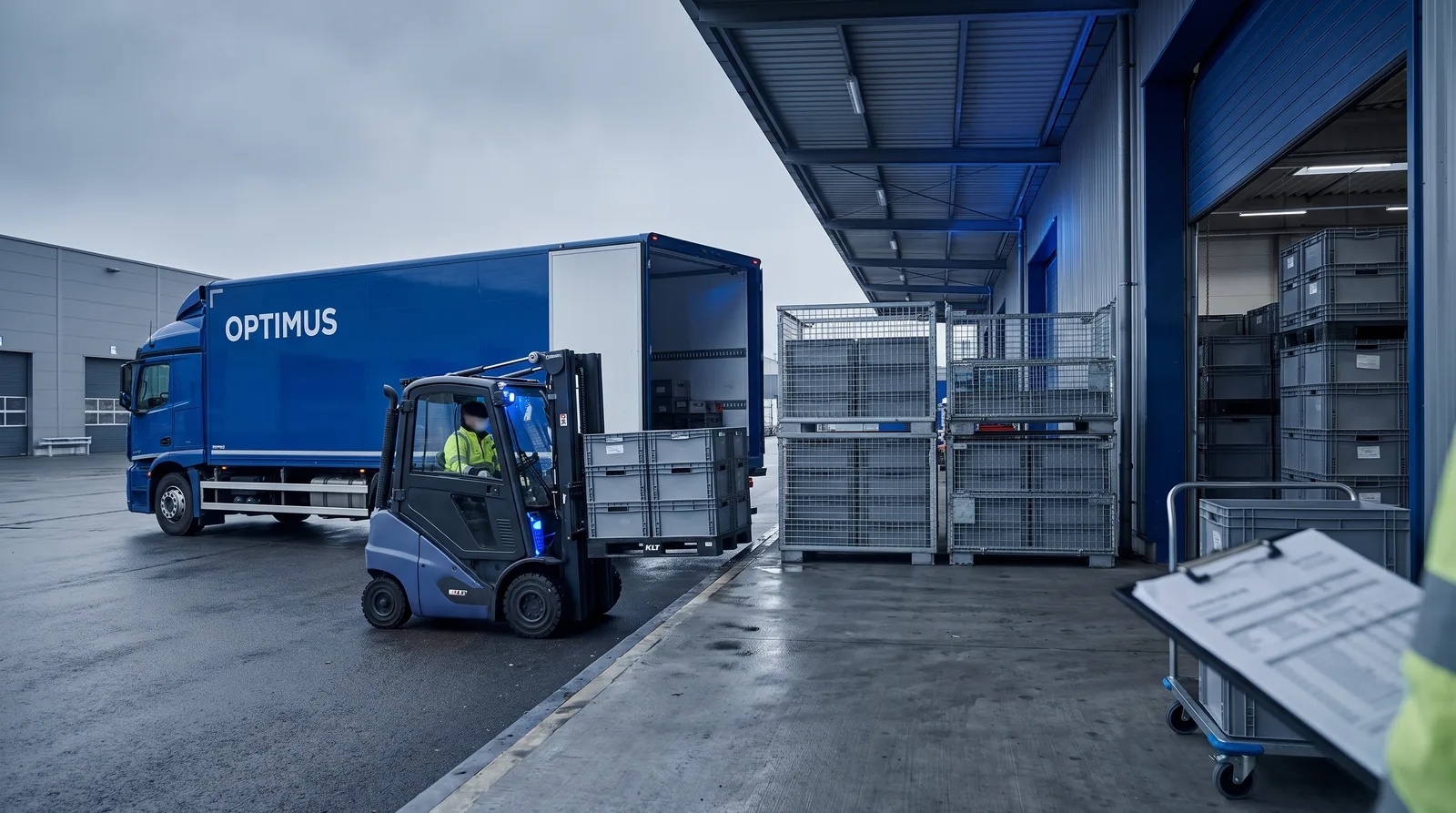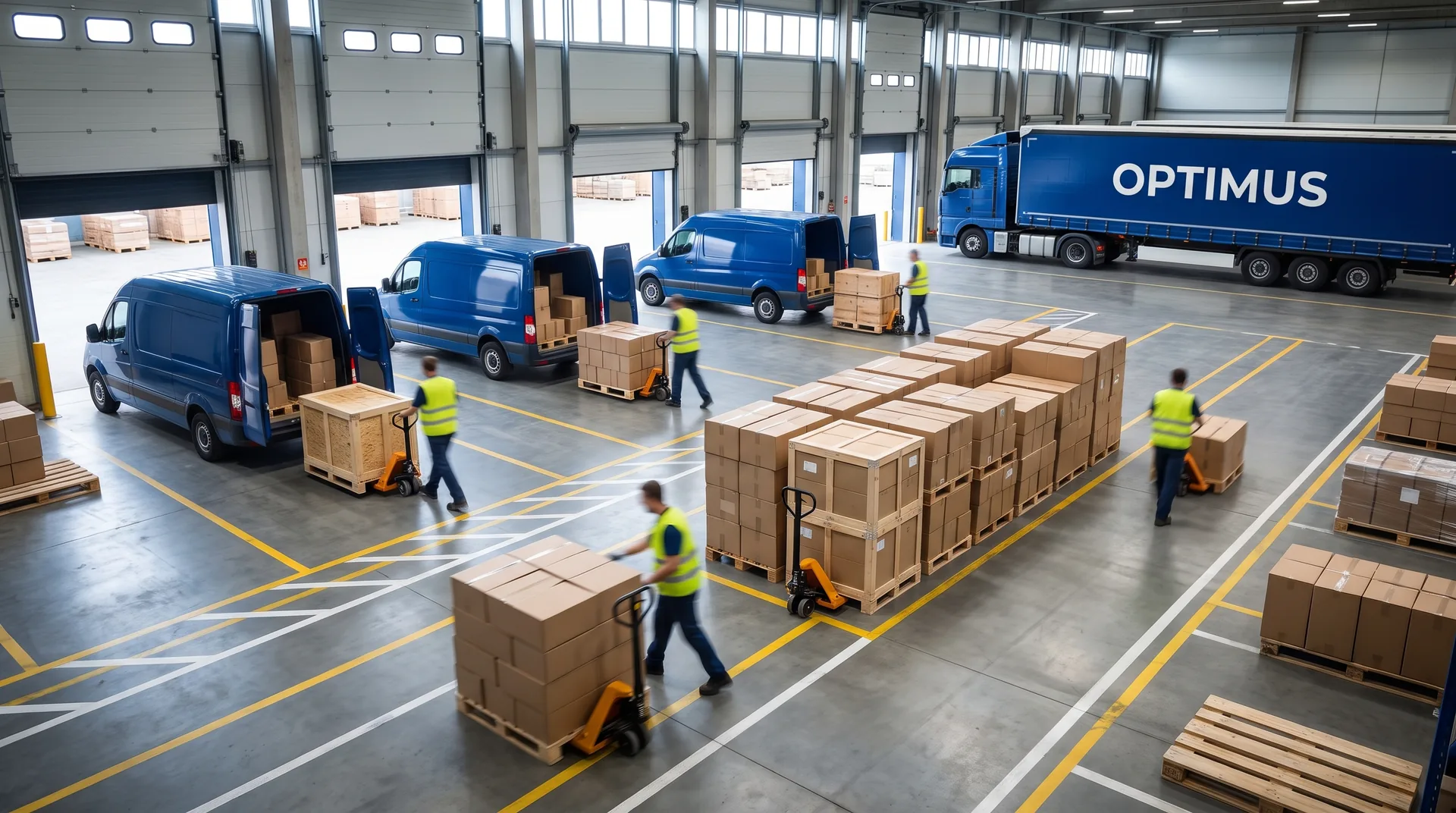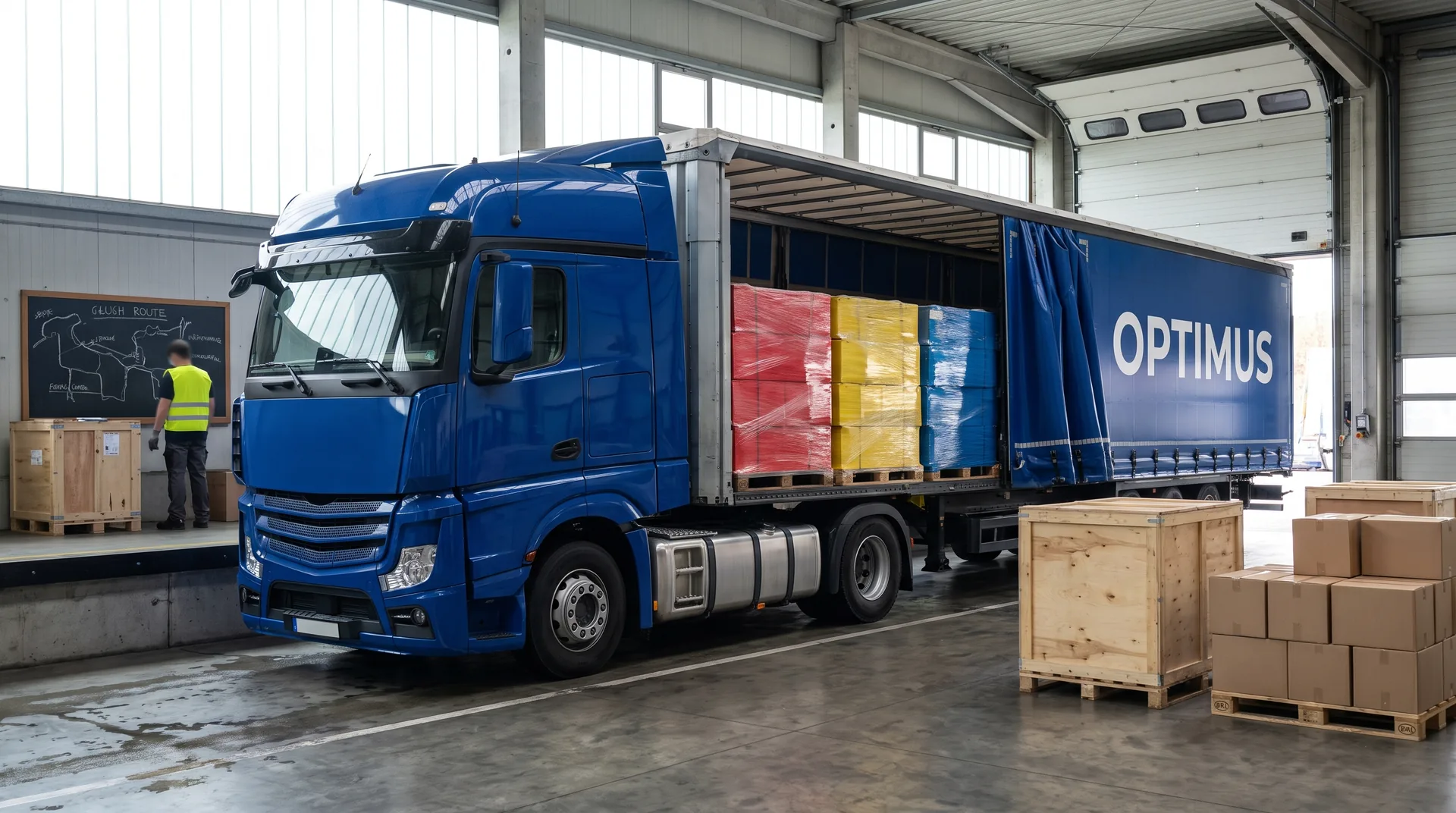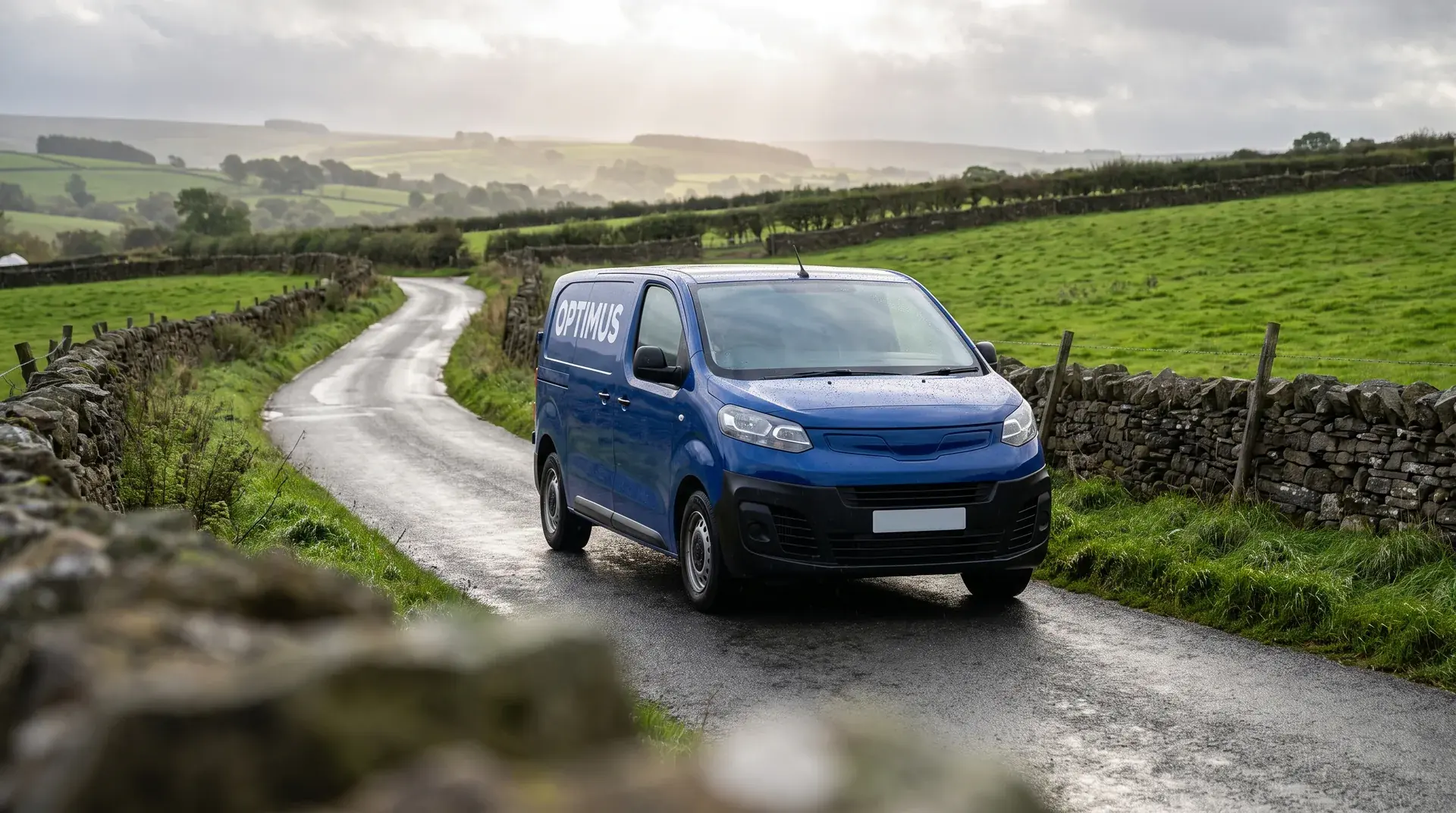
We collect cargo from anywhere in England, Scotland and Wales: with our vehicles working across the UK or by a feeder run to the Milton Keynes warehouse. There the goods are checked and consolidated, pass UK export clearance, join a truck for the continent and, after the crossing, go through EU import clearance and delivery to the given address.
Where the collection vehicle comes from
Our vehicles are in the UK constantly: they arrive with loads from Poland and after unloading have mileage to use. These trucks do the domestic collections: from factories, warehouses, industrial auctions, ports. Smaller lots go to Milton Keynes first; full loads are often collected straight into the continental departure, skipping the warehouse stage. The number of such domestic movements is not unlimited: a Community licence allows at most two cabotage operations within seven days of unloading, which we set out in cabotage and cross-trade after Brexit.
Milton Keynes: the export gathering point
- Goods in and check: quantities, condition, consistency with the British consignor documents.
- Consolidation of consignments from different suppliers into one truck for the EU.
- Document preparation: invoices and packing lists tied to the future declarations.
- Short term storage when collections and the departure need spreading over time.
More about the site itself on the Milton Keynes warehouse page.
Formalities: UK export and EU import
On the British side an export declaration is lodged and the vehicle receives a GMR reference. On the EU side the goods go through import clearance: in Poland, including procedure 42 for consignees in other member states, or under transit to the destination country. Which path applies is settled at order stage; the mechanics are the same as described with imports from the UK to the region.
What speeds a collection up
- An exact loading address with a contact for the person releasing the goods and ramp working hours.
- Invoice and packing list ready before the truck arrives, not after.
- EORI numbers of the parties and clarity on who acts as the exporter on the British side.
- Weight and dimensions matching reality: vehicle choice depends on them.
Time: a matter of geography and consolidation
A collection near Milton Keynes is different logistics from one in northern Scotland, and the continental departure depends on the consolidation schedule. So we give dates with the quote, once the address and lot are checked. As a rule of thumb, plan in stages: collection, warehouse handling, crossing and delivery.
Groupage versus a full truck on a UK collection
On a full load the collection is planned around one address and one date: the vehicle arrives, loads and heads for the crossing. In groupage the collection is part of a bigger puzzle, because the same truck gathers goods from several consignors that day and must reach Milton Keynes before the continental load is built. Hence the question about ramp hours, which sounds fussy for a single pallet but in practice decides whether the consignment catches the next scheduled line departure or waits for the following one. We draw the line between the two at roughly a third of a trailer, around twelve pallets.
The most common mistake
A collection order carries the address and the pallet count, and omits the three things that actually decide it: who releases the goods on site, what hours the warehouse works, and whether the load is already palletised. The driver reaches the right address and finds a closed gate or goods lying loose on the floor, and a whole working day has to be replanned. On collections in Scotland or Wales an aborted call like that can push the continental departure back by several days.
What else is worth settling before the truck arrives
- Whether a forklift and a qualified operator are available on site.
- Whether the access yard takes an articulated vehicle or a smaller one is needed.
- Whether the collection itself needs booking in, as contract warehouses often require.
- Whether the pallets are exchangeable and who answers for their condition.
Sources
- GOV.UK: export goods from the UK
- GOV.UK: get a Goods Movement Reference (GVMS)
- European Commission: customs union, import of goods
Goods to collect in the UK? Give us the address and lot in the contact form. The scope is on our services and warehousing pages, and formalities run within our customs clearance.