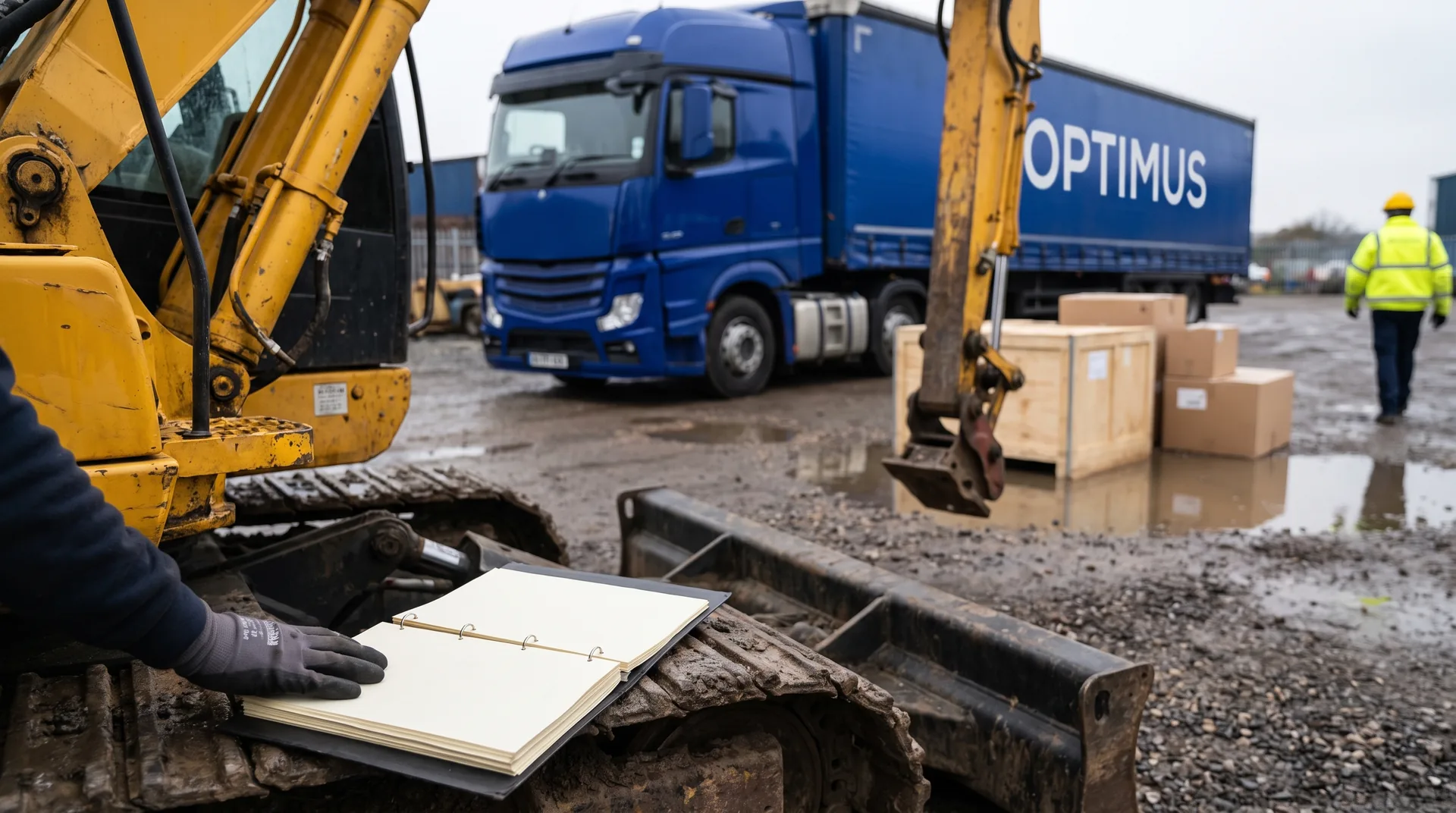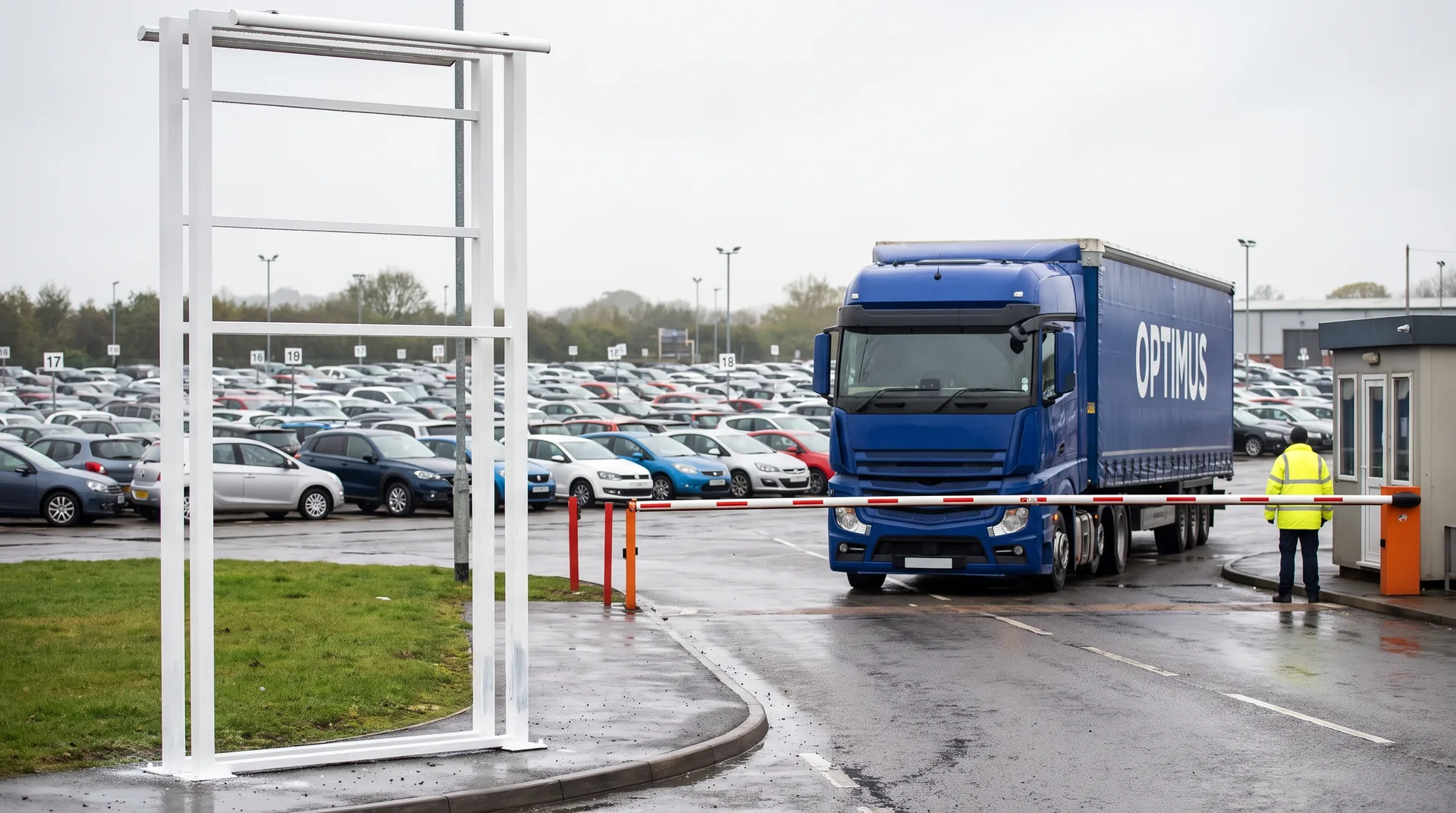
In LTL and FTL road transport, tracking means operational statuses and contact with a specific person, not a dot on a map. Every load has a dedicated contact who sees the vehicle's GPS position and reports statuses on request: loading, crossing, customs, delivery ETA. We say plainly what we know instead of promising a public tracking portal road groupage does not have.
What does tracking look like in road freight?
A shipment on the Poland-England route passes through clear stages, and these are the natural status points: hub intake and check, loading onto the linehaul vehicle, departure, the Channel crossing, the customs decision, arrival in the delivery region and unloading with a POD confirmation. In parcel networks these statuses are generated by scanners at sorting hubs. In pallet groupage there are fewer scans, but every stage has a dispatcher who knows more about the vehicle than any scanner: why it is standing, when it will move and what that means for your delivery.
Where does the ETA come from, and why does it change?
An ETA is built from three variables: the vehicle's position, the driver's legal hours and the consignee's booking window. GPS shows the first, the tachograph constrains the second, and the third is often the hardest: a slot-run warehouse admits the truck at its appointed hour even if it physically arrives earlier, as we describe in our article on booking in at UK warehouses. That is why an honest ETA is quoted as a window and updated after the crossing, not to the minute three days ahead. How long the whole route takes is covered in how long transport from Poland to the UK takes.
What will GPS not tell you?
GPS shows where the vehicle is, but not what is happening to it. It will not tell you the truck is queuing for the crossing because a storm shifted the sailings, or that customs selected the trailer for a check, or that the consignee's warehouse moved the slot by four hours. The dispatcher has that information: from the driver, the ferry check-in and the GVMS system. That is why a status from a cargo contact is richer than a dot on a map: it carries the cause and the forecast, not just coordinates. What happens at a check is described in how long UK customs clearance takes.
How does it work with us in practice?
- With your order you get a named contact: one person who knows your load, not a call centre.
- We report the key stage statuses on request or on an agreed rhythm: loading, crossing, clearance, delivery ETA.
- We flag deviations immediately with the cause and a new ETA, instead of waiting for you to ask.
- After delivery you receive the POD confirmation with the carriage documents.
The fleet runs under constant GPS supervision by our dispatchers, and UK-bound vehicles are covered by an operations team available around the clock. We do not sell a public tracking portal: we sell the certainty that a specific person is watching your vehicle and will pick up the phone.
Which statuses are worth following on a first shipment?
If you are shipping to England for the first time, agree four contact points with your cargo contact. First: loading confirmation with the pallet count and vehicle number, closing the stage you control. Second: confirmation of boarding the crossing, because from that moment the British part of the schedule starts running. Third: the customs status after rolling off the ferry, meaning whether the truck drives straight on or was selected for a check. Fourth: the delivery ETA agreed with your consignee, so the warehouse on the other side is ready. That rhythm gives the full picture without burying you in messages about every coffee stop. In long-term cooperation most clients drop part of the statuses and keep exceptions only: no news means everything runs to plan, and every message carries meaning.
Sources
Want to know where your goods are without guessing? Write via our contact form: you get a named cargo contact and statuses at whatever rhythm suits you.