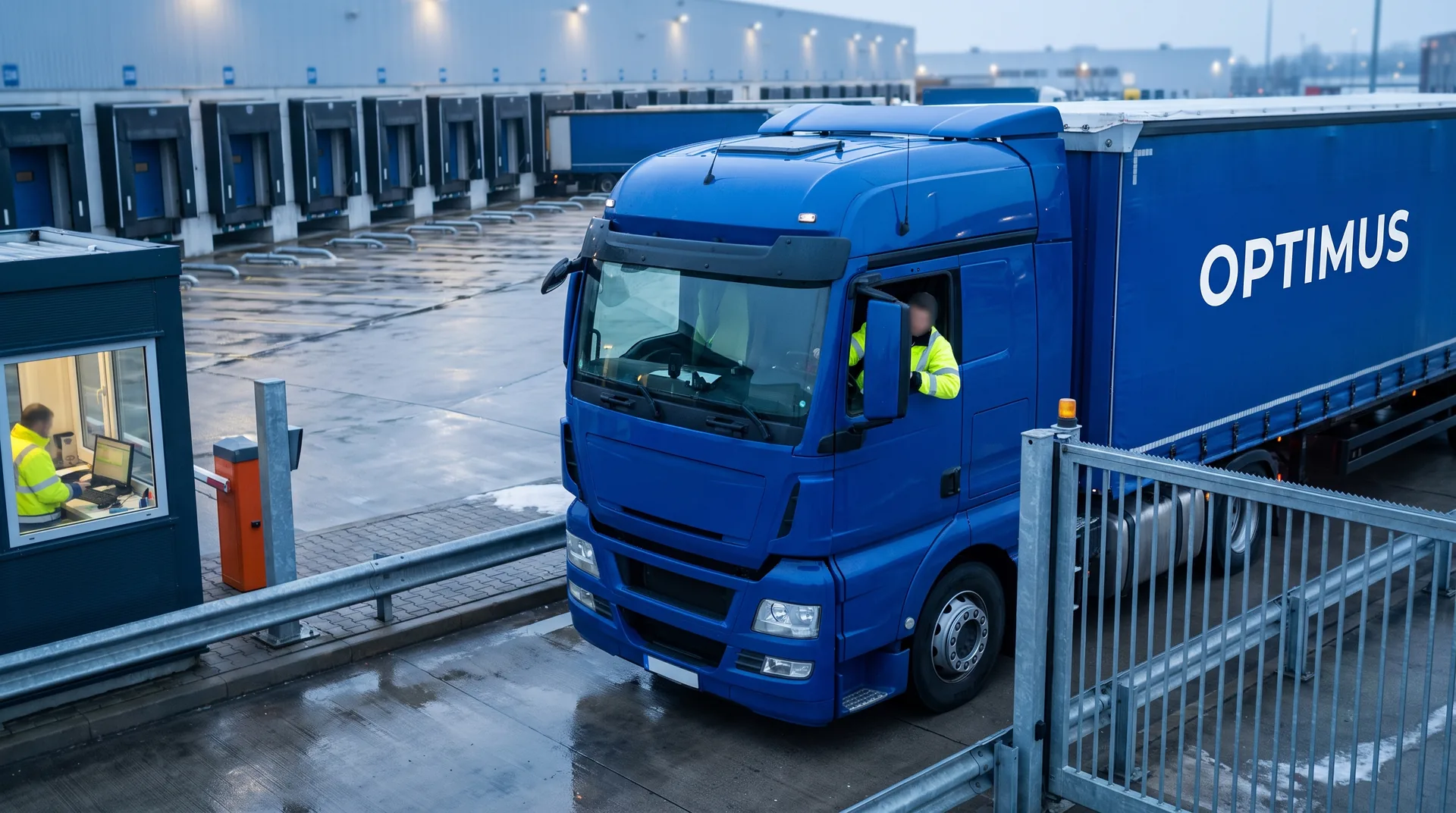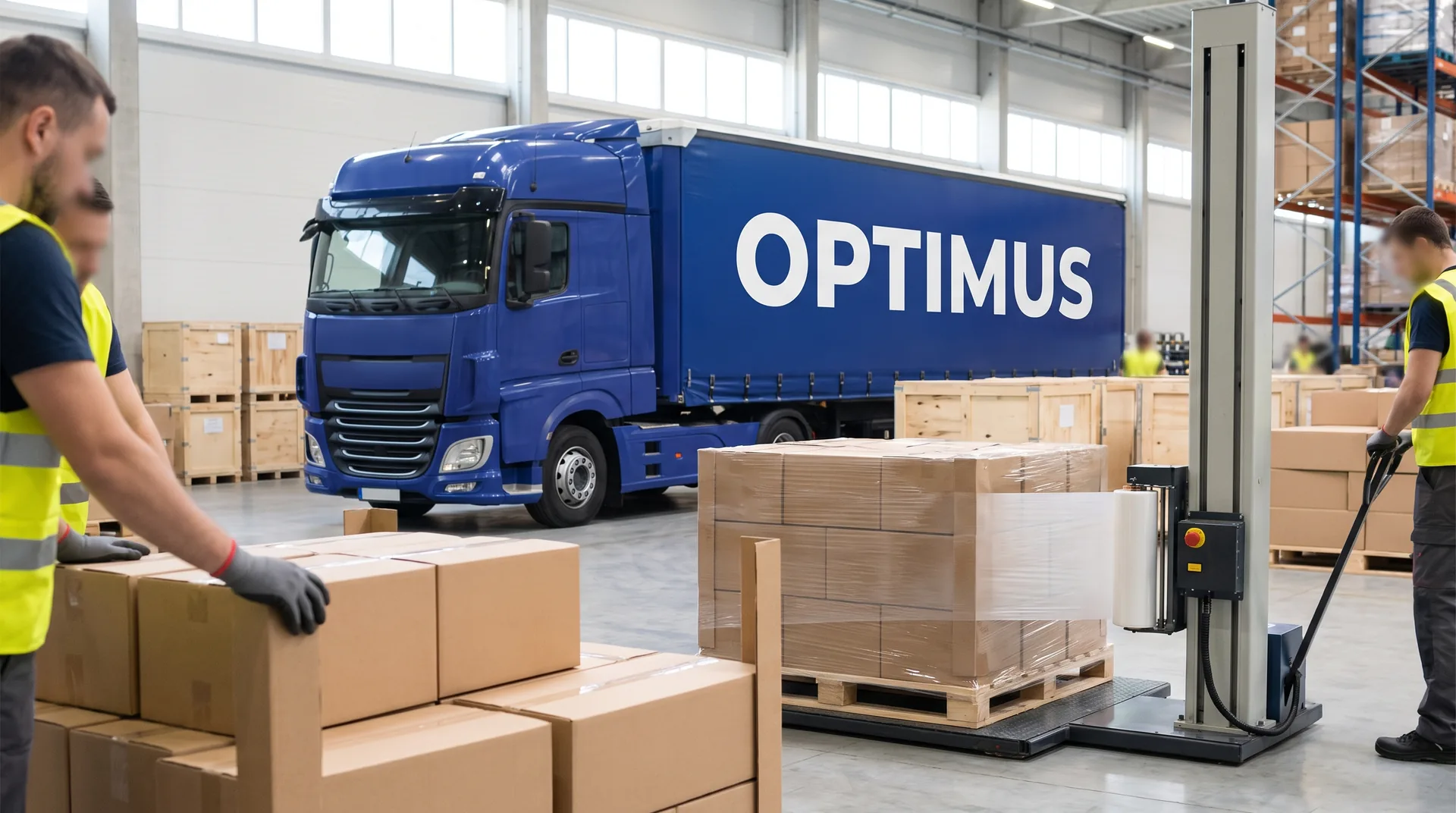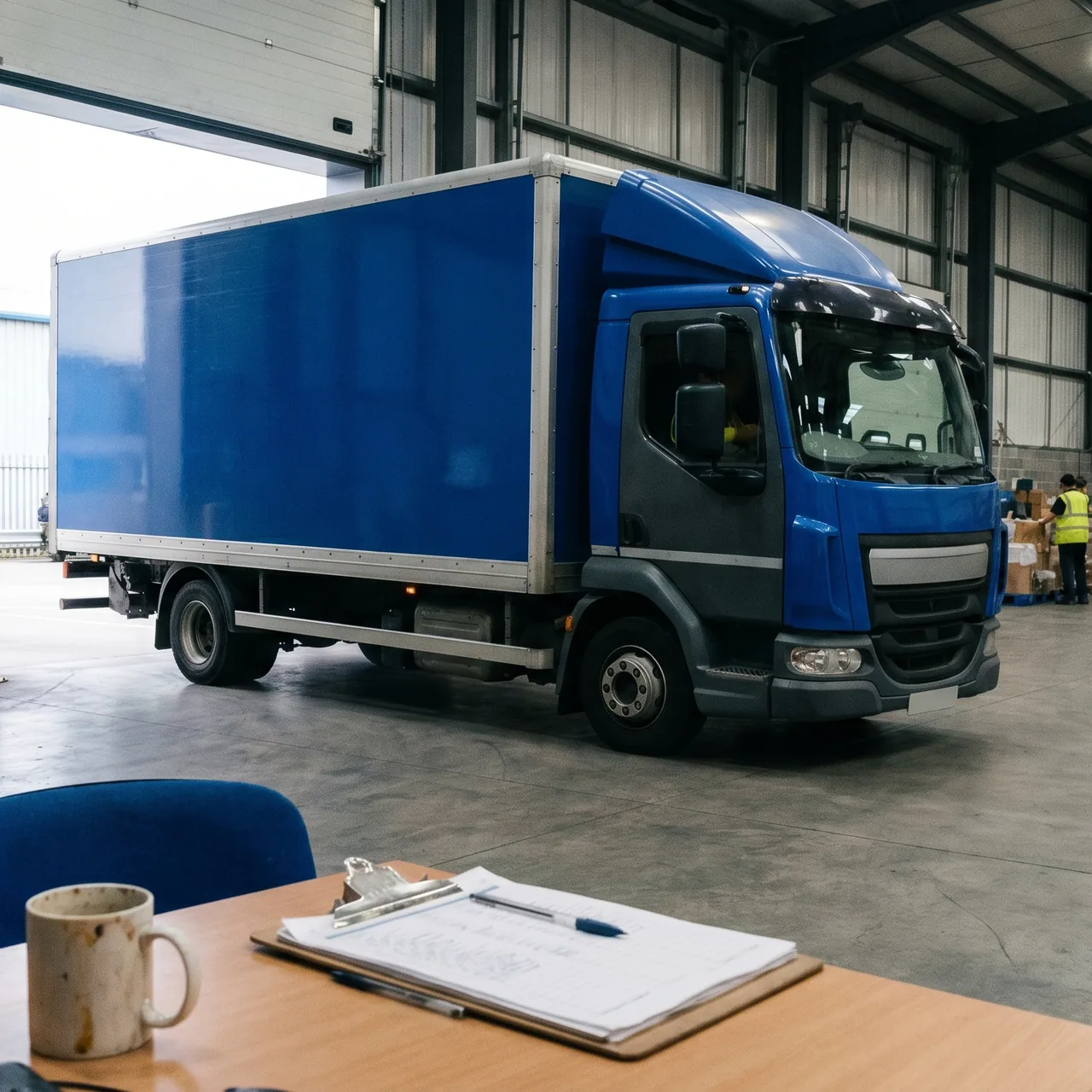
Booking-in is the compulsory reservation of an unloading window at a British warehouse or distribution centre. The slot is tied to a specific order reference, and without one a vehicle will not be accepted even if the goods are correct. Missing the window usually means losing it and rebooking, sometimes only for the following day.
Why British warehouses run on slots
A large warehouse has a finite number of docks and a finite number of people unloading. If vehicles arrived whenever it suited them, some docks would stand idle in the morning and a queue would build up for hours in the afternoon. The slot is how that flow is levelled. The consequence for a supplier is simple: the unloading hour is set by the consignee, not the carrier, and the whole route has to be planned backwards from it.
In retail the mechanism is more formalised still, because the slot comes with contractual penalties for missing the window. We cover that model separately in deliveries to UK retail distribution centres.
What you need to reserve a window
- The consignee's purchase order number or another reference the goods are attached to.
- Pallet count, type and height, plus whether they can be stacked.
- Gross weight and vehicle type, because some docks have height and length limits.
- Driver name and registration number, required by most gatehouse systems.
- Sometimes an ASN sent electronically ahead of the delivery.
How the electronic layer of this process works is described in ASN and EDI in UK retail deliveries.
The most common reasons for rejection
Rejection rarely comes from one dramatic failure. Usually it is a mismatch between what was booked and what arrived: a different pallet count, a different order number, a pallet taller than declared, a carrier too damaged to lift safely. On top of that come formal requirements for the pallets themselves, described in UK retail pallet requirements. Bear in mind that a warehouse does not negotiate at the gate: either the delivery matches the booking or it turns around.
What happens when the window is lost
A lost window can rarely be recovered the same day. In practice it means a standing vehicle, later jobs pushed back and a question about who carries the waiting cost. We take that apart in waiting time charges on UK transport. With Amazon fulfilment centres the reaction has to be faster still, because the vehicle cannot wait at the gate and the goods need somewhere to go: see a missed Amazon delivery window.
The practical plan B looks the same in most cases: the load goes into our Milton Keynes warehouse, we remove the cause of the rejection and the delivery is booked in again. That is cheaper and faster than sending goods back across the Channel.
Booking-in on a groupage delivery
A separate problem appears when your pallet travels in consolidation and the consignee requires a slot. A line vehicle cannot wait at one gate, because it carries goods for a dozen shippers with different deadlines. So consignments for booked-in warehouses are detached from the line route and delivered separately by a distribution vehicle once a window has been agreed. For the shipper the conclusion is single: if the consignee works on slots, tell us at booking rather than on the day of delivery, because it determines how the whole British leg is arranged. How the load is split on arrival is described in LTL groupage.
How we plan a route around a slot
A route into a booked-in warehouse is built from the end. The unloading hour fixes the crossing, the crossing fixes the clearance and the loading hour in Poland. Each of those points gets a buffer, because a terminal queue or a documentary check can take time that cannot be made up on the road. On regular deliveries we agree repeating windows with the consignee, so booking stops being a separate operation each time. That is also the moment to agree how delivery paperwork will be annotated, covered in POD, GRN and clausing on deliveries.
What to tell us when you book
- Whether the consignee requires booking-in and in which system.
- Who reserves the slot: you, the consignee or us on your behalf.
- Goods-in hours and whether the site works at weekends.
- Whether the delivery is tied to a specific order number, and which.
- Whether a late penalty applies, because that changes how the route is planned.
We handle booking-in as part of the transport job, including for consignees that require supplier registration in their own system. Send the delivery address and the consignee's requirements through the quote form and we will check what is needed before the vehicle moves. The warehousing scope is described on the warehousing page.