Customs clearance brings a machine into the Union but says nothing about whether it may be driven on a public road. Those are two separate routes. A self-propelled machine that is not registered for the road takes no road approval and works on site as equipment. A vehicle that is to carry Polish plates needs its conformity with technical requirements confirmed, and on a British vehicle that is often the hardest part of the whole purchase.
Three different cases that must not be confused
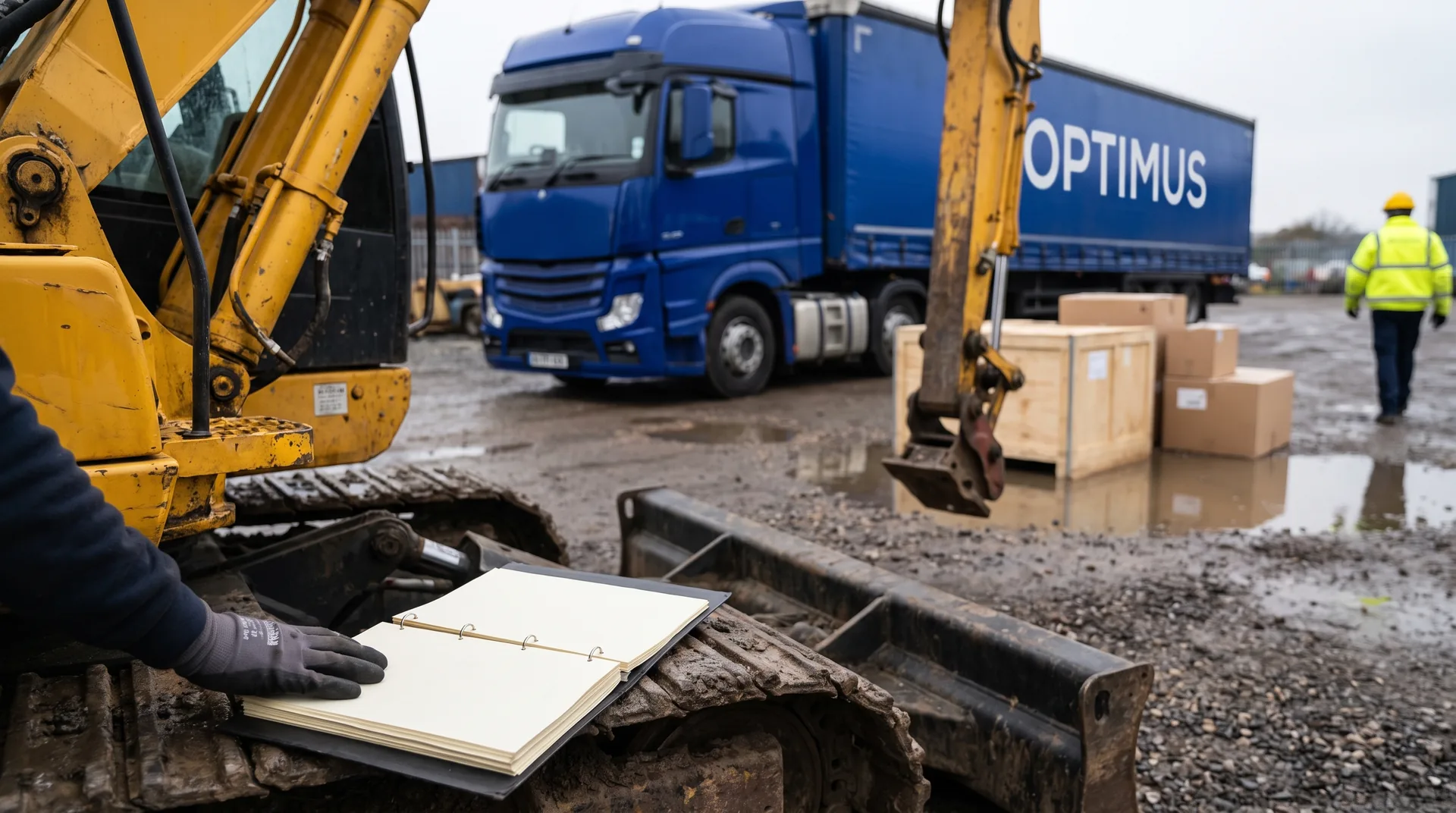
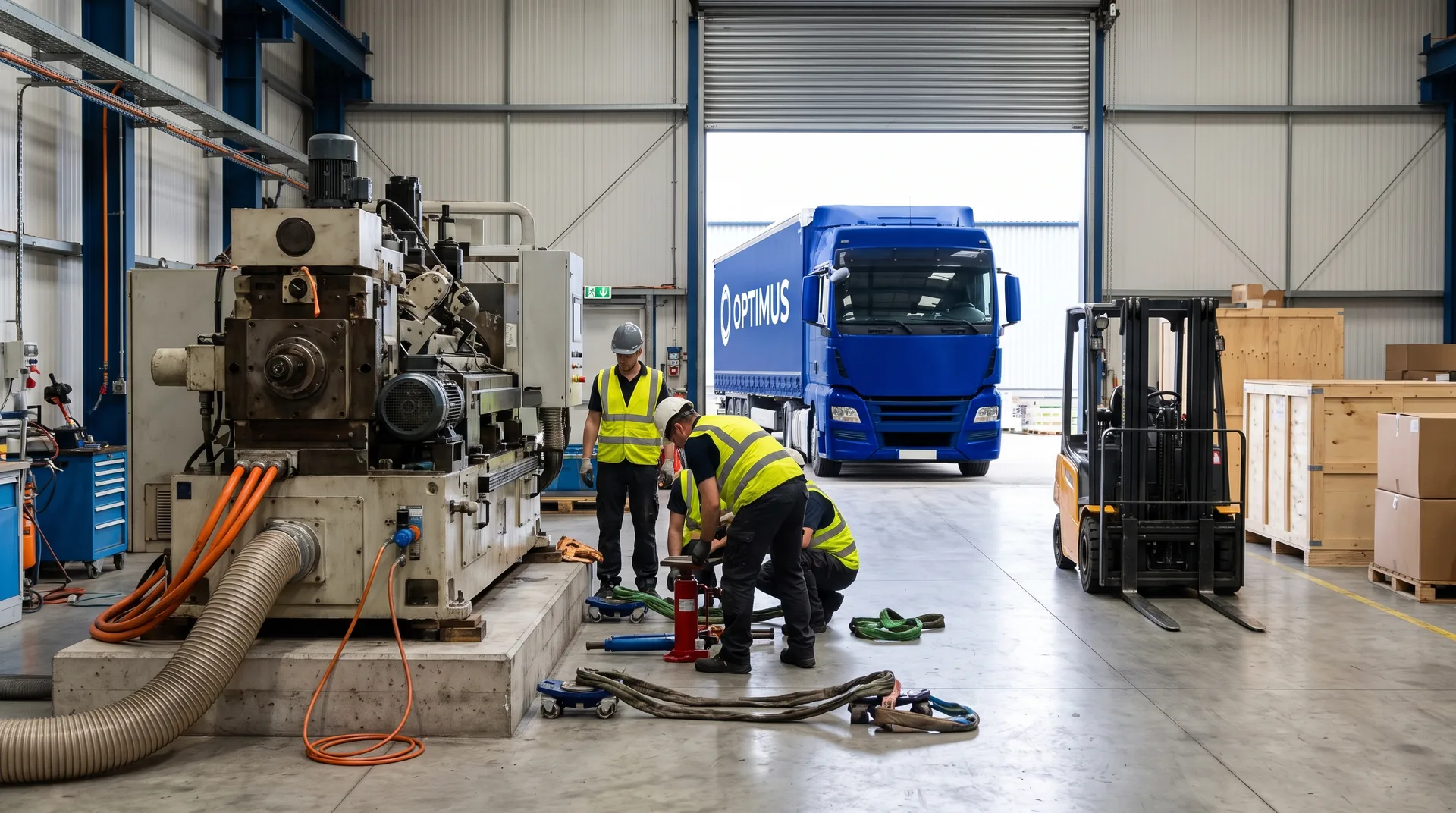
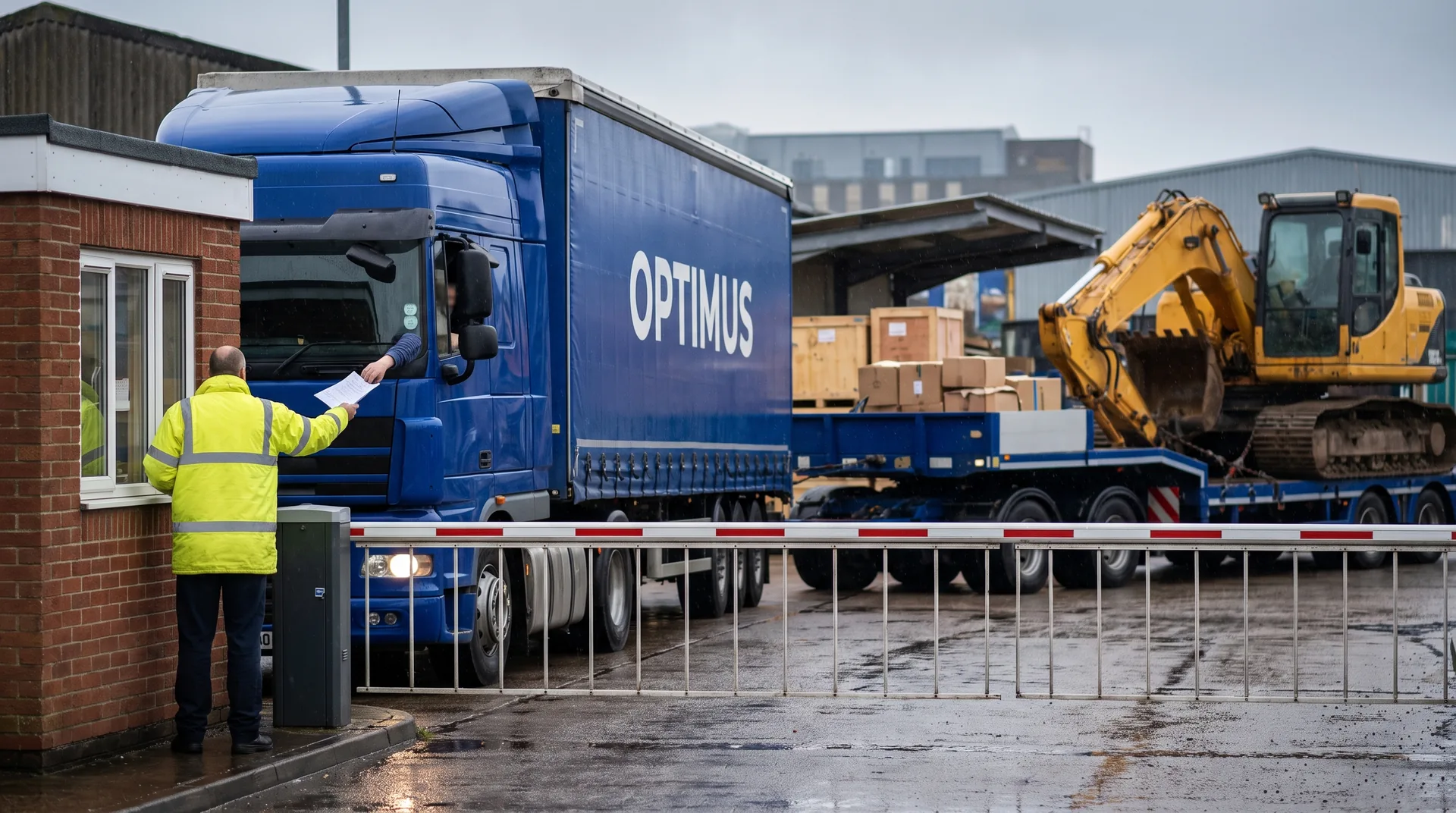
- Unregistered working machinery. An excavator, a loader, a crusher, a generator. It travels as cargo on a trailer, works on site and needs no road approval at all. Its safety requirements come from machinery legislation, not from road traffic rules.
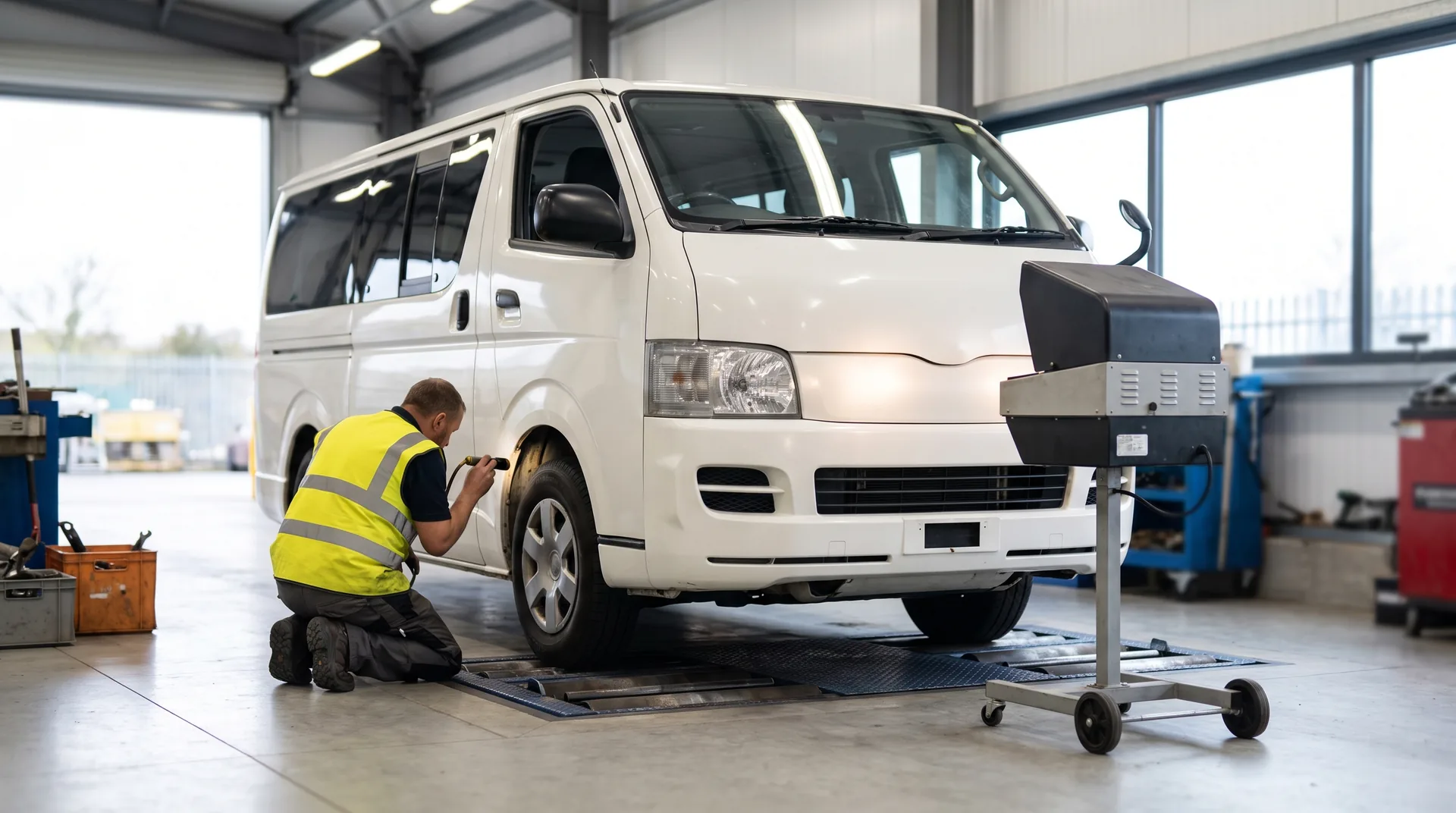
- A vehicle covered by type approval. A car, a van, a truck, a trailer. With a valid EU certificate of conformity, registration is an administrative route. Without one, or where the vehicle was approved for the British market only, the route runs through individual approval.
- Slow-moving vehicles and agricultural tractors. A separate category with its own requirements; on equipment bought at a farm sale this has to be settled before bidding, not after unloading. The collection side is covered in our article on tractors and farm machinery from the UK.
Right-hand drive
This is not one rule but several different consequences depending on the vehicle category. In some categories the driving position is a matter of adapting lighting and mirrors; in others it is a genuine obstacle. We do not publish a list of requirements or any fees here, because the law in force is read in the legislation, not in a haulier article. What we do give is the operational rule that saves money: check the legal position before bidding. A vehicle that cannot be registered is, once landed in Poland, a pile of metal with an invoice attached rather than an asset.
What we do not do here
We do not register vehicles in Poland, we do not carry out roadworthiness testing, we do not apply for individual approval and we do not arrange statutory inspections for equipment under technical supervision. Nor do we assess whether a given vehicle can be registered; that is a question for the registration authority and the testing station. Our part of the chain is collection, clearance with our regular customs agencies, and haulage.
A damaged vehicle is a separate risk
On salvage equipment there is the further question of whether the vehicle may be put back on the road at all after repair, and a damage category assigned in the United Kingdom does not map directly onto Polish procedures. That is a purchasing problem rather than a transport problem, which is why we cover it in our piece on damaged vehicles from Copart UK. From the haulage side one thing changes: a non-runner needs a recovery truck with ramps or a winch, and that has to be known before a vehicle is sent.
What is worth having in the auction paperwork
Beyond the invoice and the release note, anything that identifies the vehicle or machine is useful: the VIN or serial number, the nameplate, and the registration document if the vehicle was registered in the United Kingdom. Auction houses usually do not supply a declaration of conformity for used machinery, which is a separate matter set out in our articles on documents for a machine bought at auction and on importing used machinery from the UK.
Sources
- EUR-Lex: Regulation (EU) 2018/858 on the approval of motor vehicles
- gov.pl: registering a vehicle brought in from abroad
- GOV.UK: vehicle approval
Buying a vehicle or a self-propelled machine at a UK auction? Send the equipment category and the yard address through the quote form and we will cost the haulage and tell you whether it travels on a trailer or on a recovery truck. See also customs clearance.