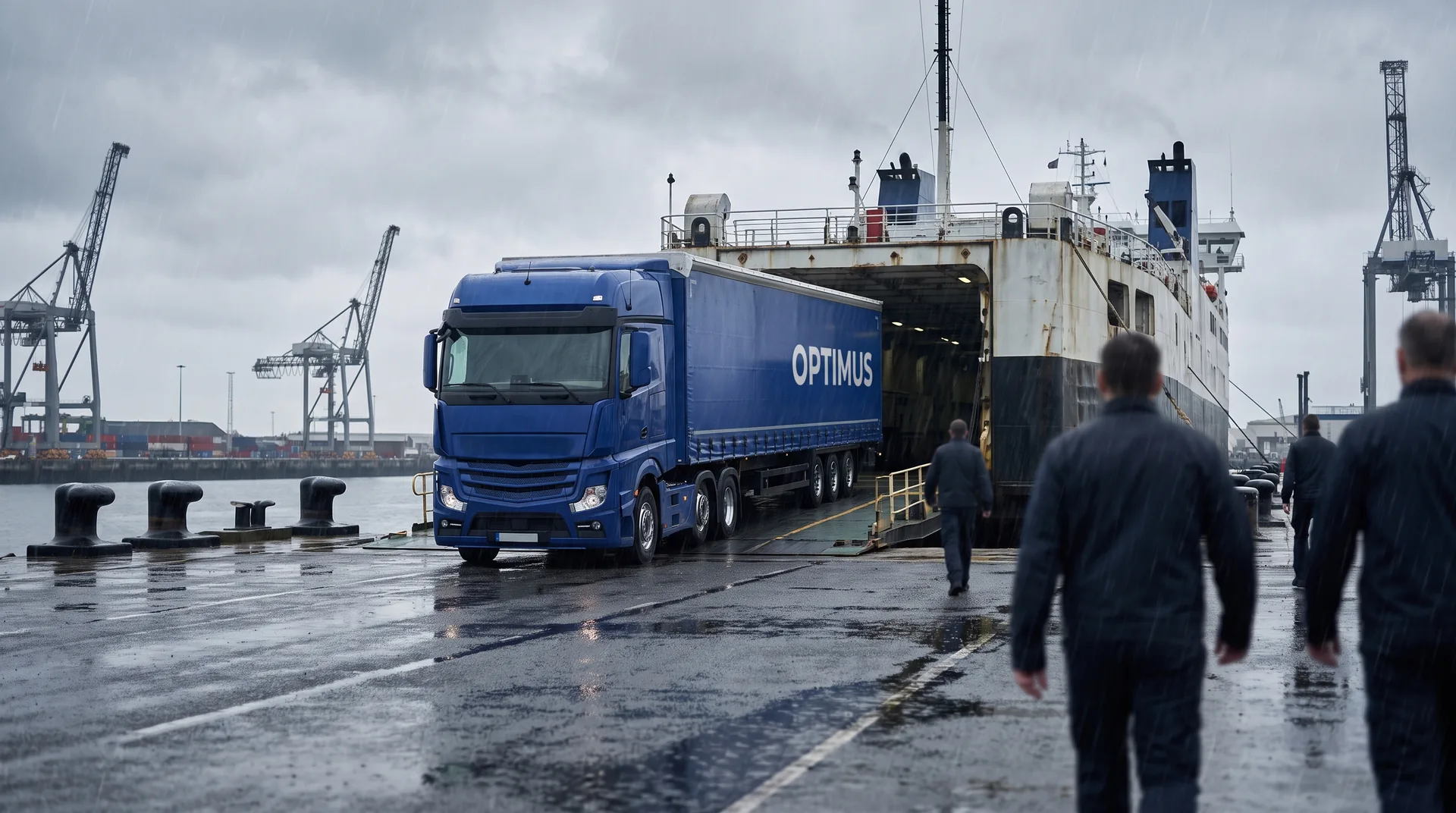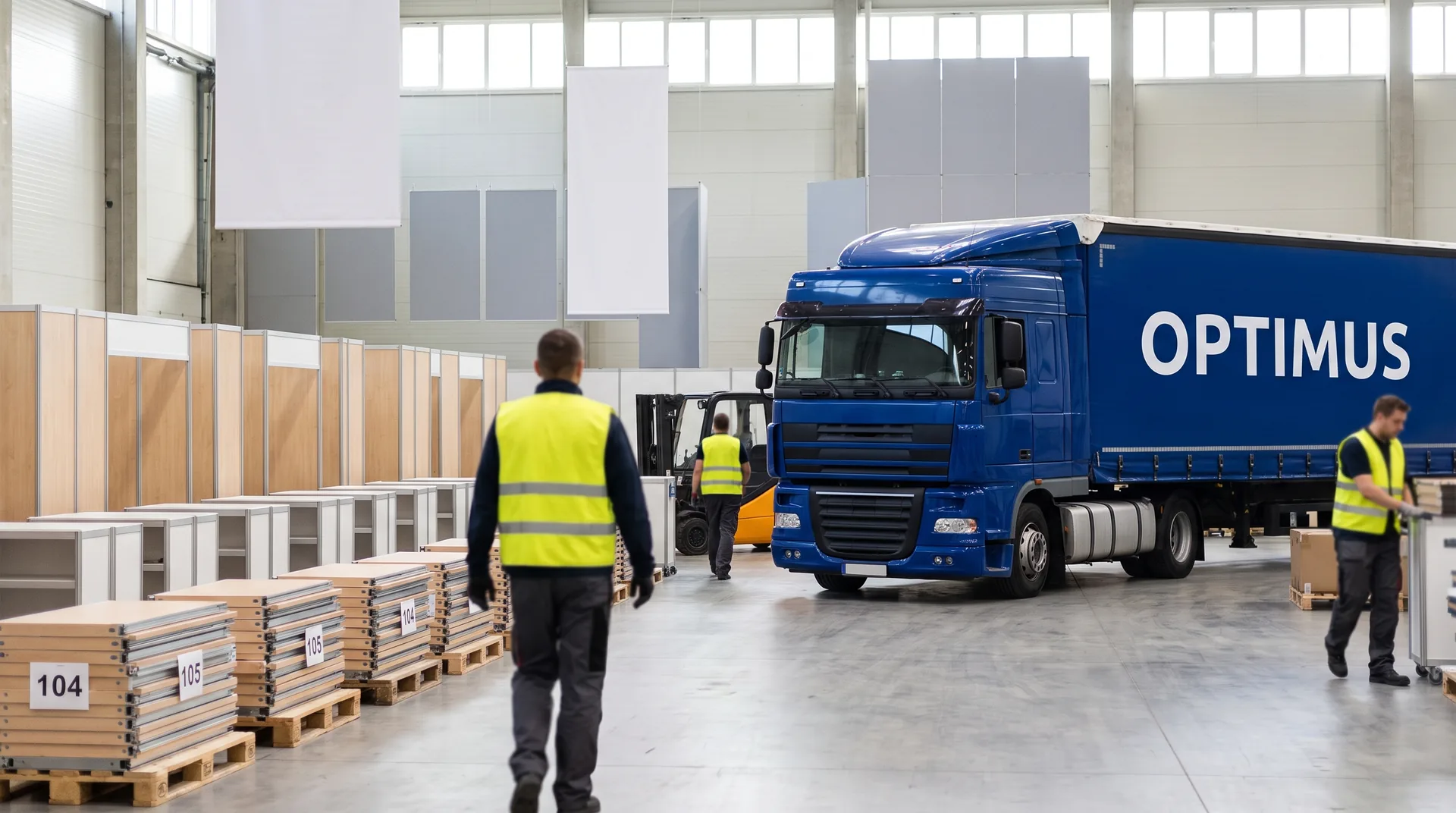
Goods enter our Milton Keynes warehouse once import clearance is complete, because the site does not hold a status allowing goods of unsettled customs status to be stored. Clearance happens on the route, before the vehicle reaches the ramp, and on road traffic from Poland that costs no extra stop: declarations close at the crossing under the pre-lodgement model. A vehicle that has crossed the Channel already carries a settled status and can go straight onto the dock. The order is fixed and belongs in the delivery schedule.
Where the rule comes from
From a simple fact: we do not operate a customs warehouse, as stated plainly in what our warehouse does not do. A site without that status takes only goods released into free circulation. This is not a commercial policy of ours but a consequence of what the site is. What the arrangement is and who benefits from it is explained in what a customs warehouse is — for some companies it is the right tool, simply delivered elsewhere.
Where on the route clearance happens
The declaration is prepared before the crossing, and the formalities close on the British side before the vehicle heads inland. In practice that means the full document set must be ready before the load leaves Poland at all, not on the day it reaches the warehouse. What exactly to prepare is described in GB import clearance, and the whole service on the customs clearance page. The usual problem is not the procedure itself but documents prepared alongside loading rather than before it.
What happens when clearance drags and the vehicle is already moving
The vehicle cannot unload at the warehouse until the status is settled. It then has two options: wait, or find a site with the appropriate status. Both cost money, and the second means an extra movement. That is why on a first delivery we always ask how far the documents have progressed, even where the client agent handles clearance. The question takes a minute and catches the cases where a shipper assumes something has been done when it has not.
Will the warehouse take goods under transit
No. Goods under transit must discharge the procedure at a place designated for it, and our site is not such a place. If your delivery model relies on discharging transit at the destination, you need a different arrangement, and it is worth settling that before the first movement rather than at the gate. The mechanics of transit documents are covered separately in the knowledge base; in a warehousing context one conclusion matters: the procedure has to be closed earlier.
How to plan the delivery day
Count backwards from the unloading window. Unloading needs a settled status, the status needs completed clearance, clearance needs a full document set with the agent, and those need data from the shipper. Each of those steps has its own duration and its own responsible person. In practice one buffer is enough: documents ready a day before loading rather than on the day of departure. The receipt sequence at the warehouse is described in pallet receipt and release.
Why we say this openly
Because it is one of the most common misunderstandings in conversations about UK warehousing. Some companies assume an English warehouse works as an extension of a Polish one, that goods can simply be dropped there and the paperwork sorted later. In intra-EU movements that was true. Since the trading relationship with the UK changed, the order is different, and it is better to learn that while planning than at the ramp. Our scope and its limits are on the Milton Keynes warehouse page.
What the rule makes simpler
A surprising amount. Goods standing with us are goods in free circulation, so they can be released to any UK receiver without further customs formalities, moved domestically without transit paperwork and sold locally overnight. Companies using the warehouse as a release point for several receivers rely on exactly that property, described in the warehouse as a UK operating address. Simplicity on the release side is bought with complexity on the receipt side.
What to do when you are still building your UK supply chain
Settle the order before you settle the dates. First decide who files the import declaration and in whose name, then check how long that party needs to prepare it, and only then fix the loading day in Poland. Companies doing it the other way round, agreeing a delivery date with the receiver and leaving the formalities until last, spend their first two shipments learning. That lesson costs more than one conversation with a customs agent at the start.
Planning a first delivery into the warehouse in England? Describe the load and the state of your documents through the quote form and we will flag what to close before loading.