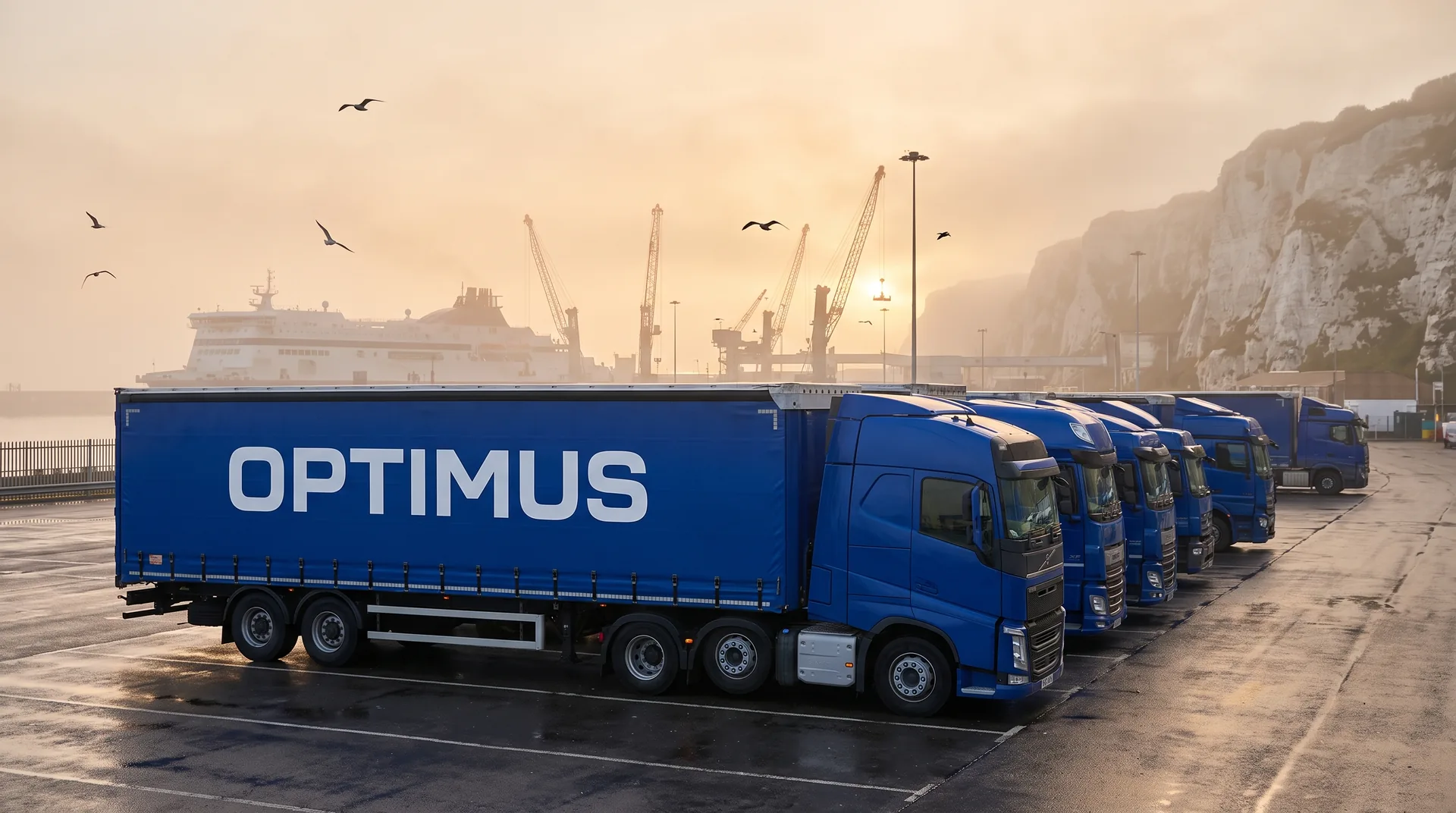
UK import clearance needs a fixed set of elements: a British EORI number on the importer side, a commodity code for every item, an established customs value, an invoice and packing list, an import declaration in CDS and a GMR for the crossing. On top of that come sector requirements where the goods are controlled.
Who is the importer, and why that is the first question
Before anyone starts collecting documents, you have to establish who acts as importer in the United Kingdom, because that party is responsible for the declaration and the charges. Usually it is the British consignee, but on DDP terms the EU seller takes the importer role, which requires registration and normally a representative in the UK. The delivery terms therefore decide who pays and who carries the risk. We set this out in our texts on Incoterms 2020 and on the difference between DDP and DAP, and the payment question in the article on who pays duty and VAT.
The data set without which no declaration exists
- The importer's British EORI number, active and assigned to the right entity.
- A commercial invoice with goods description, quantities, values and currency.
- A packing list: number and type of packages, gross and net weights, dimensions.
- A commodity code for every line, set by the nature, material and function of the goods.
- The customs value together with any elements added to the price.
- Proof of origin where the goods are to use tariff preference.
- Transport data: carrier, registration, place and date of loading.
A missing EORI on loading day is one of the most common reasons a vehicle stands at the ramp, covered in our text on a missing EORI on loading day. The number itself is described in the article on the EORI number.
Commodity code and customs value: two figures that decide everything
The commodity code determines the duty rate, whether the goods face restrictions and which documents will be required. The customs value determines the base for calculation. Both are verifiable and both cause underpayments when treated casually. We do not guess classification: where there is doubt we use the official tariff, and for repeat imports a binding tariff ruling is worth considering. More in our texts on the customs tariff code, on customs value and on what a wrong code costs.
Zero duty does not come from the agreement alone
The Trade and Cooperation Agreement between the EU and the United Kingdom provides zero rates, but only for goods meeting the rules of origin and only where origin is properly documented. Goods produced outside the EU and repackaged in Poland normally do not acquire EU origin. The origin declaration on the invoice must use the correct wording, and the exporter must hold evidence to support it. The rules are covered in our text on rules of origin under the TCA.
Import VAT: pay at the border or account for it in the return
British import VAT can be paid at clearance or accounted for in the VAT return under postponed accounting. The second route helps cash flow, because you do not fund the tax and then wait to recover it. It requires registration and correct flagging on the declaration. Details in our text on postponed VAT accounting, while duty payment can be spread through a deferment account, described in the article on duty deferment.
Controlled goods: a separate path
Some loads do not end with a customs declaration. Food, products of animal origin, plants and certain materials require health documents and notifications in the British border control system, and transit through France adds checks on the EU side. Excise goods have their own procedures. Technical products need to meet British marking requirements. We develop these threads in texts on SPS controls on imports into Great Britain, on licences and permits and on UKCA and CE marking.
How this works on our transports
We run customs alongside the carriage so that documents and vehicle move to the same rhythm. Data is collected before loading, declarations are prepared in advance and the GMR is generated before the vehicle reaches the port. On groupage, where one vehicle carries a dozen or more consignments from different senders, the file has to be closed for every line, because one gap stops the whole vehicle. That is why we hold data deadlines harder on groupage than on full loads. How the carriage is organised is described on the groupage LTL page, and the formalities on the customs clearance page.
Sources
Planning a delivery to the United Kingdom and want customs handled by the carrier? Describe the goods and delivery terms through the quote form and we will arrange transport together with the declarations. The whole shipping process is covered in our guide transport to England step by step.