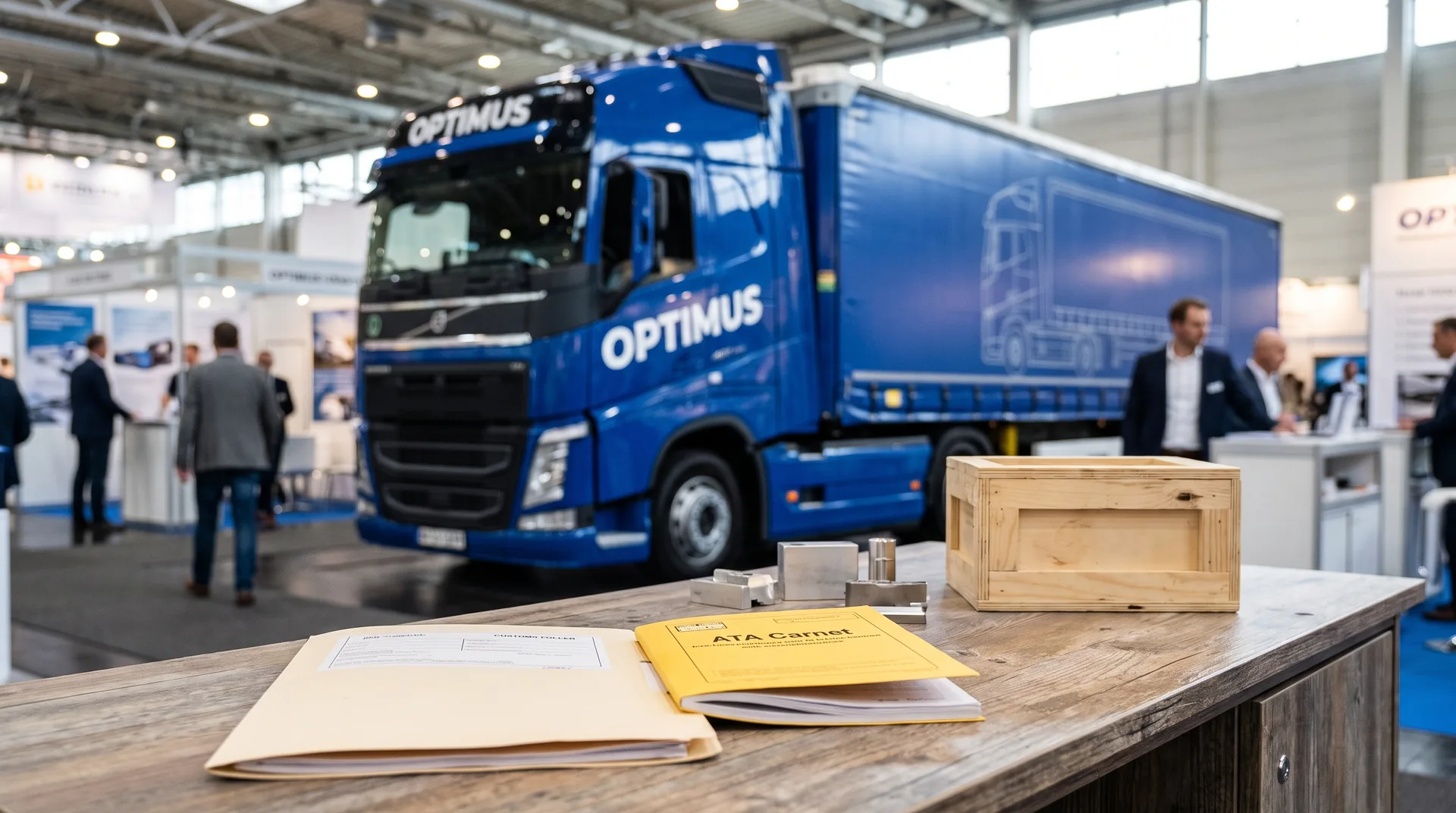
An ATA carnet is a temporary admission procedure: it assumes the goods return from the United Kingdom complete and unchanged. If an exhibit stays in the UK: because it was sold at the fair or handed over to a customer, that item cannot be discharged by return. It must be declared for import clearance in the UK and the charges paid (duty and import VAT); the remaining carnet items return normally.
What happens when an exhibit does not return
An ATA carnet is discharged on the basis of border stamps: export from the EU, entry into the UK, return. When an item from the general list is missing on departure from the United Kingdom, customs sees a discrepancy. The missing goods are treated as staying in the UK permanently, which means an obligation to clear them for import and pay the customs and tax charges. An unresolved discrepancy can result in a claim covered from the security lodged when the carnet was issued.
- A sold exhibit = an item that will not return and requires import clearance in the UK.
- The charges include duty at the tariff rate and import VAT: the amount depends on the goods and their value.
- A discrepancy left unsettled risks a claim against the carnet security.
- A sale should be declared and settled as soon as possible, not postponed until the return.
Partial discharge: some returns, some stays
Selling one item does not invalidate the whole carnet. A carnet can be discharged partially: the returning goods are stamped normally on departure, while the item staying in the UK goes through import clearance and is excluded from the return. Document consistency is key: the general list, the stamps and the import declaration must tell the same story. In practice this means the decision to sell should be communicated to the carrier and the customs agency before breakdown, not at the ramp.
When to choose ordinary clearance instead of an ATA carnet
If you already know before the fair that the goods are to stay in the United Kingdom: because they are going there to be sold, as prizes, consumables or units handed over to customers, an ATA carnet is the wrong tool. The simpler and more honest solution is an ordinary export-import clearance from the start, just like a standard commercial shipment. A common mixed scenario: the main exhibits travel on the carnet, while materials meant for giveaway or sale travel on separate commercial documents. This is general information, not customs advice: individual cases are confirmed by a customs agency or the authority.
- A sale planned from the start, ordinary clearance instead of ATA.
- A full return, an ATA carnet, without duty and VAT.
- A mixed scenario, the carnet for exhibits, commercial documents for goods for sale.
Good practice before the fair departure
Most problems with an ATA carnet come not from bad intent but from decisions made on the fly during the fair. That is why the scenarios are worth preparing in advance. If a sale of an exhibit is likely, agree the course of action with the customs agency before departure: who lodges the import clearance in the UK, which documents will be needed and how to document the transaction. Tell the people running the stand that carnet items cannot simply disappear: each one must be discharged by return or by clearance. After the fair, compare the general list with the actual stock before packing, and clear up discrepancies before the border, not at it.
- The sale scenario agreed before departure, not at the stand.
- Stand staff informed about the carnet rules.
- An inventory of exhibits before packing for the return.
How we handle it in practice
For fair transports we ask about the fate of the exhibits in advance and help choose the right documentary path. We covered the basics of the procedure in the articles ATA carnet step by step and ATA carnet: return and discharge, and you will find the full scope of formalities on the customs clearance page. Exhibition support from delivery to return is described under exhibition logistics.
Not sure whether your fair is a case for an ATA carnet or for ordinary clearance? Write to us: we will analyse the scenario before departure, not after the fact.