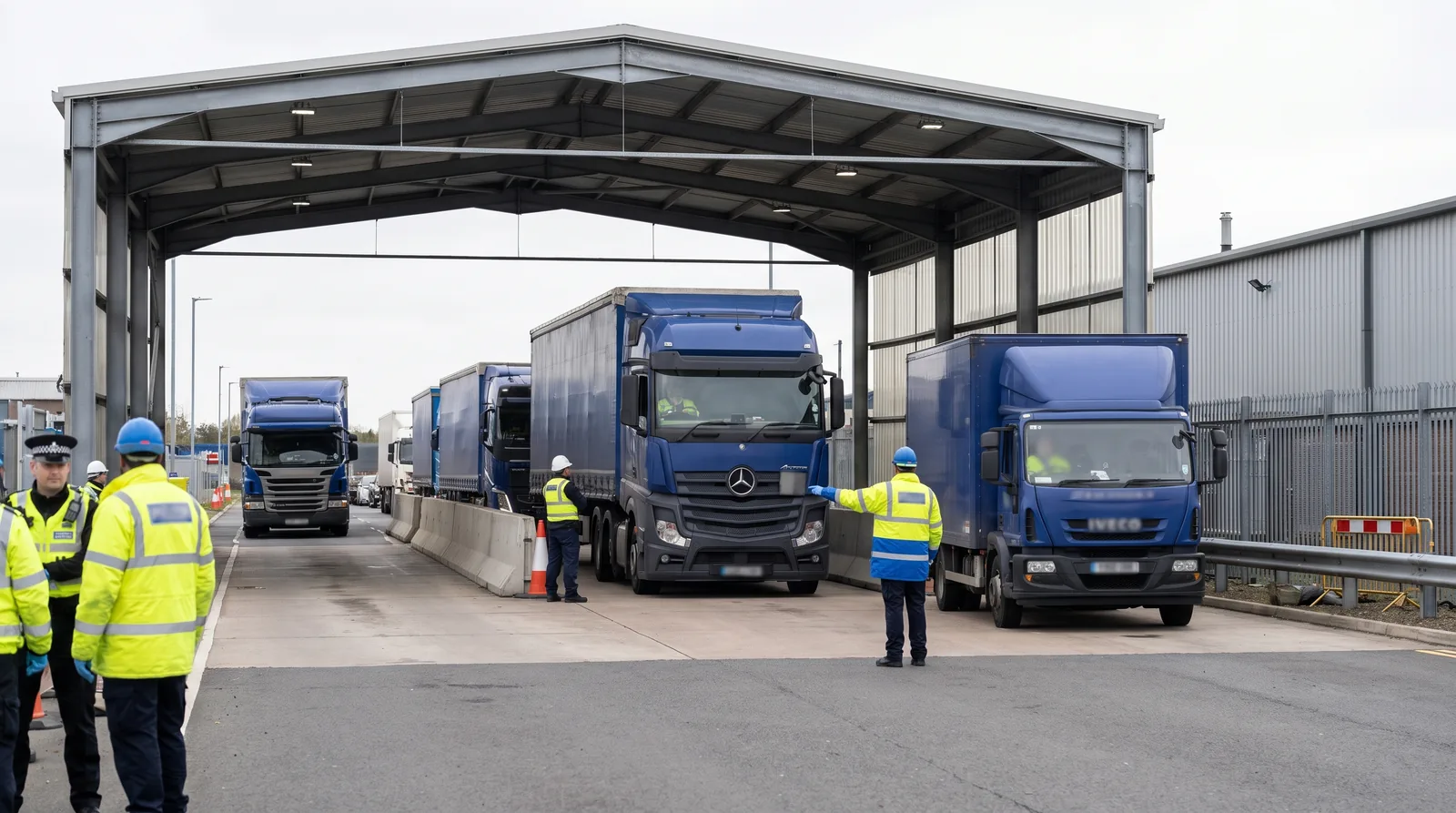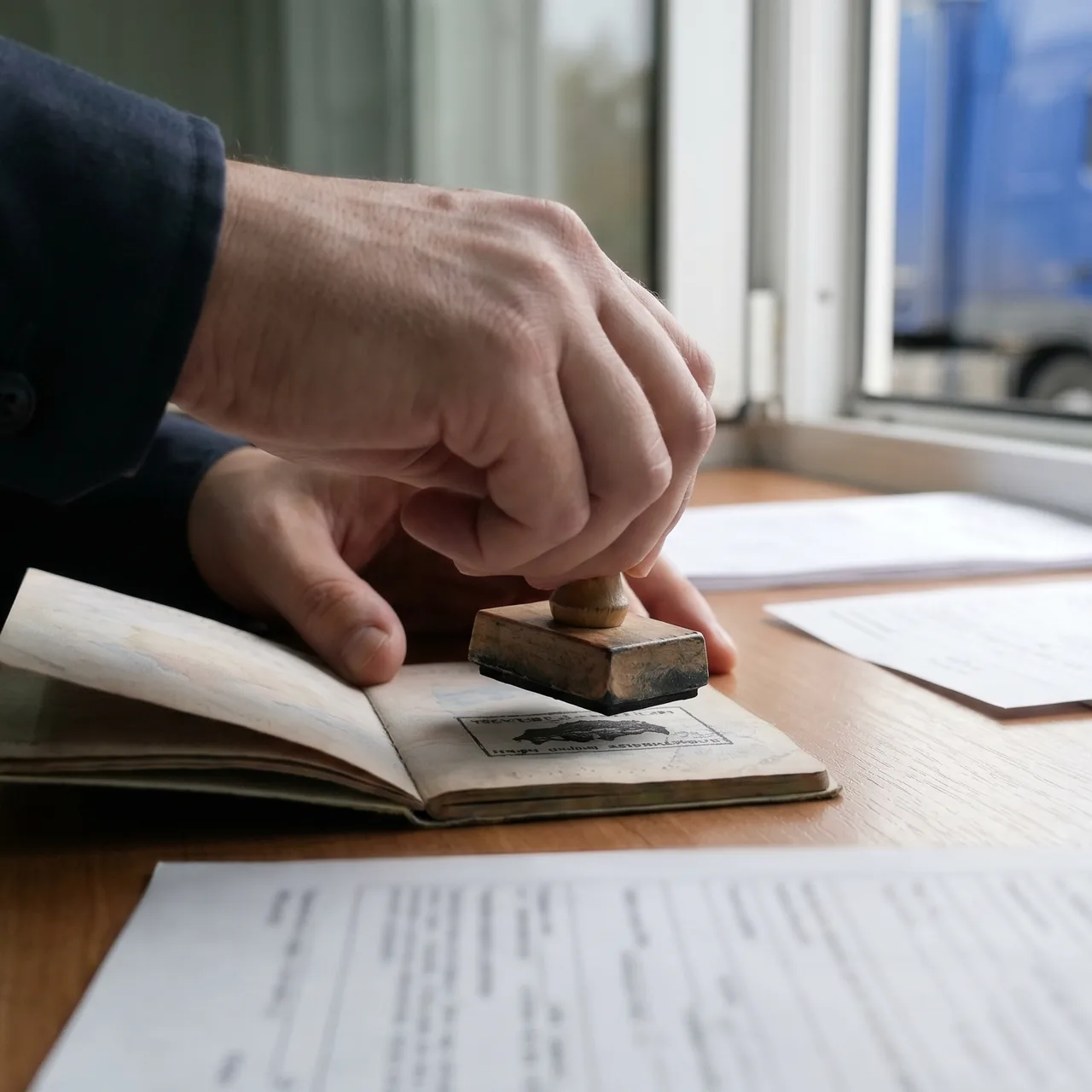
The return leg is where an ATA carnet either proves the temporary export was genuinely duty free, or does not. Leaving the United Kingdom, customs detach the re-exportation voucher; entering the EU, the re-importation voucher; and once the journey ends the carnet goes back to the issuing chamber, which discharges it.
What happens at the border on the way back
A carnet is a set of vouchers, and every customs office crossed detaches its own. Leaving the United Kingdom an officer takes the re-exportation voucher and endorses the counterfoil; entering the customs territory of the EU the re-importation voucher is taken. What matters is that at each of those points the goods can be identified and counted against the carnet's general list. So the list has to be sound from the outset: serial numbers, descriptions, quantities. A vague "exhibition equipment, 12 pieces" is enough to get out, but becomes a problem on the way back, because nobody can show that exactly the same items are returning.
Timing: a carnet carries a date by which goods must return
Carnet validity is limited, and within it the office that admitted the goods temporarily may set its own, shorter deadline for re-exportation. That second date is what binds on the ground. Missing it means the goods fall out of the temporary procedure and charges become due. So for longer events, or for equipment moving on to another location after a show, we check the date entered by the authorities rather than only the carnet's expiry. The basics are covered in our texts on the ATA carnet and on the carnet step by step.
When the goods do not come back complete
Three cases dominate. First, part of the equipment was sold at the show, which is commercially good news and a customs matter to be regularised, because the goods will not leave the country. Second, something was destroyed or consumed, for example a demonstration item. Third, something simply went missing during stand dismantling and nobody noticed until the count at the port. Each has a solution, but each requires action on site rather than after the return to Poland. Sales at the show are covered in our text on the carnet and selling at fairs, and the procedural options in the article on carnet against temporary admission.
An undischarged carnet: what follows
If a carnet returns to the issuing chamber without a complete set of endorsements, an enquiry procedure starts. The customs administration of the country where the goods were temporarily admitted may claim the charges, the issuing chamber answers within the guarantee it gave and turns to the carnet holder. Sometimes the matter can be resolved with alternative proof: evidence of re-importation in another country, transport documents, proof that the goods were released for free circulation. The sooner that material is gathered, the better. We break it down in our text on an undischarged ATA carnet.
Practice on site: counting starts at dismantling
The simplest way to avoid trouble is to check the carnet list while packing rather than at the gate. Our driver and the stand crew work through the list item by item, and anything missing is raised immediately, while there is still time to search the hall or ask the organiser. It is a mundane task that saves weeks of correspondence. For larger displays we photograph the return load, which also helps if transport damage arises. Return logistics are covered in our text on post-show logistics.
Multiple journeys: a season without going home
A carnet covers several journeys within its validity, so equipment can visit a number of events before returning. That suits exhibitors with a busy calendar, because instead of shuttling exhibits back and forth we move them between venues. One condition applies: every border crossing must be properly recorded on the right voucher, and the list must reconcile at every stage. Where gaps between events are longer, equipment is buffered at our warehouse in Milton Keynes rather than crossing the Channel twice.
What to have ready before the return
Carry the full set: the carnet with all counterfoils, the general list, transport documents and a statement of what is actually going back. If anything was sold, consumed or lost, prepare the paperwork for it before the vehicle heads for the port. Also settle where the carnet will be closed on entry into the EU, because the return route does not always run through the same office as the outbound one. This is general information; customs rules and the issuing chamber's conditions are what binds.
Sources
- International Chamber of Commerce: the ATA carnet system
- GOV.UK: ATA carnets and temporary admission
- Polish Chamber of Commerce: ATA carnets
Coming back from a UK show and want the return leg run without surprises? Describe the scope and dates through the quote form and we will arrange collection from the stand and carriage with carnet handling. Our exhibition work is on the exhibition logistics page.