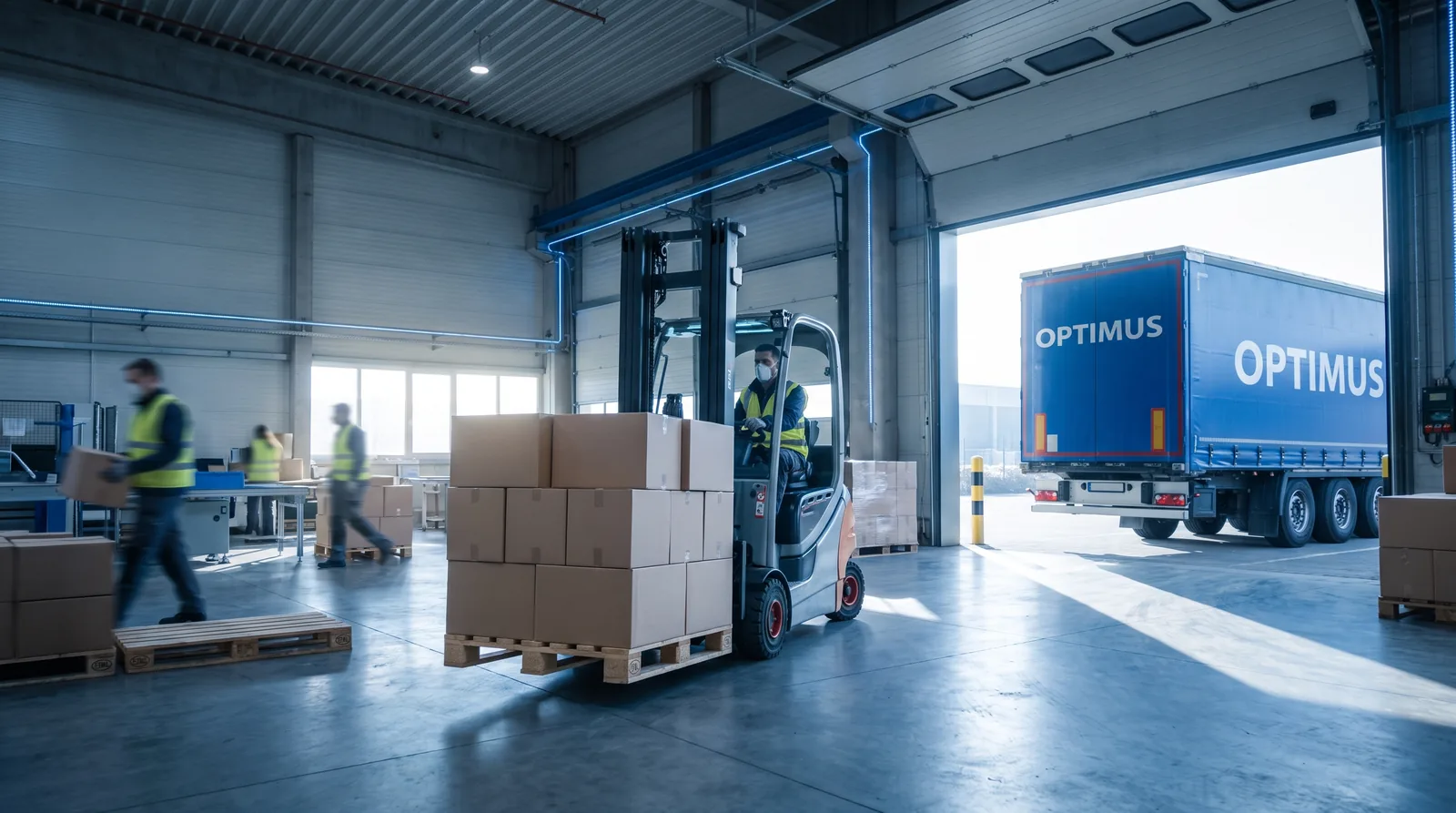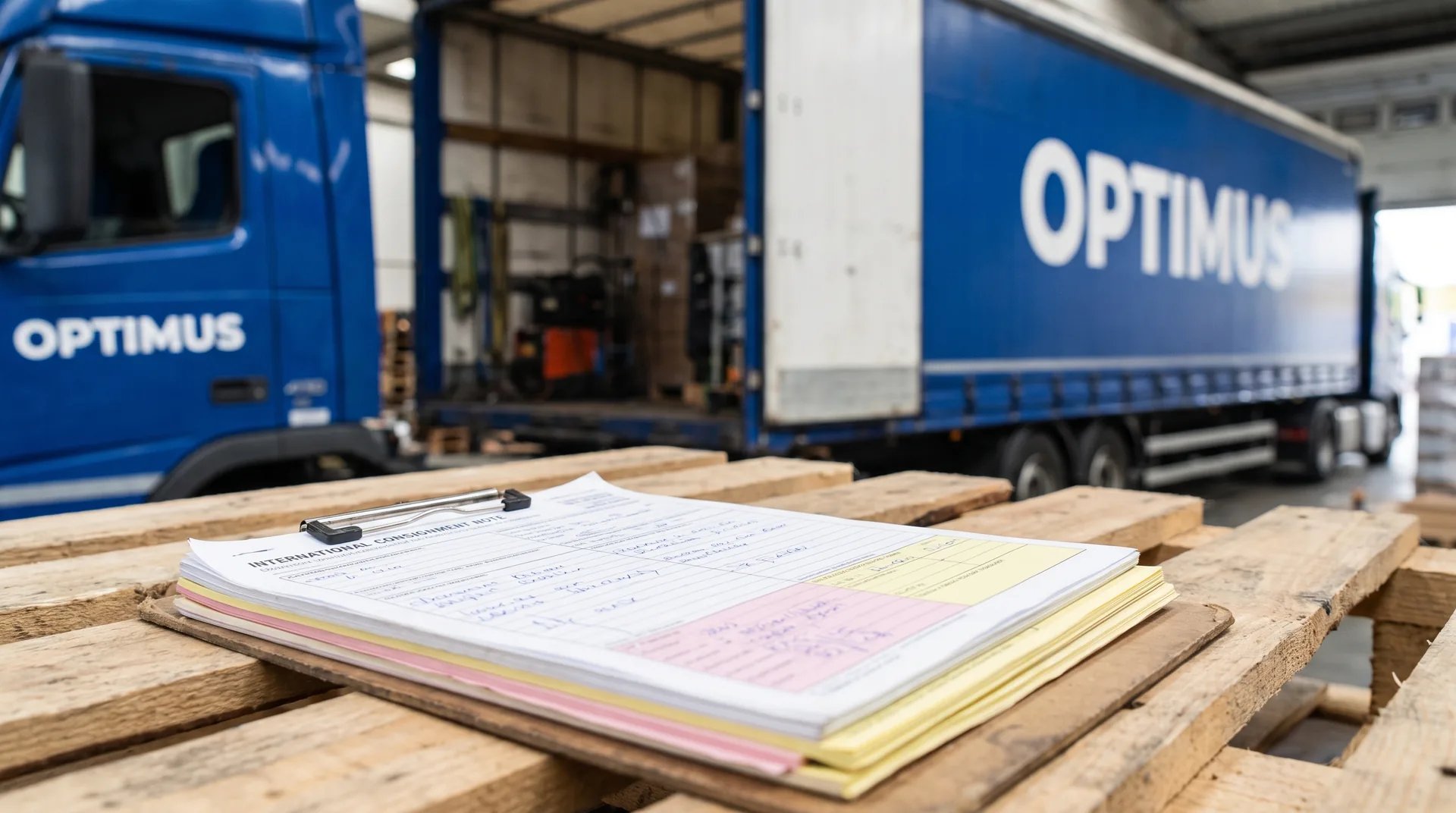
For a shipment from Austria or Hungary to the UK consolidated via Poland, the consignor prepares an invoice, a packing list and their EORI number, plus a statement on origin for goods of EU origin. The export declaration is lodged at the office competent under EU rules, in practice at the exporter or where the goods are loaded for export.
Documents from the consignor
- Commercial invoice: value, currency, Incoterms, parties with their EORI numbers.
- Packing list: number and type of packages and weights per line, consistent with the invoice.
- Statement on origin on the invoice if the goods are to use the zero tariff under the EU and UK agreement; for EU consignments above 6,000 EUR it requires a REX number.
- Tariff codes for the lines, at least at the six digit HS level.
Where the export declaration is lodged
EU rules point to the office of export: as a rule the one competent for the exporter seat or for the place where the goods are packed or loaded for dispatch. In consolidation practice two models are used. In the first, the Austrian or Hungarian exporter lodges the declaration at home and the goods arrive at the hub already carrying an MRN. In the second, when consolidation and export loading happen in Poland, the declaration is prepared on the Polish side. Which model applies is agreed when we take the order, because it depends on the roles of the parties; talk to us before the goods move.
What happens at the UK border
Every consignment on the truck has its own export declaration and UK import declaration, and the whole vehicle has one GMR reference that ties all declaration numbers together. Without the full set the system will not release the vehicle onto the crossing. The mechanics are covered in our articles on GVMS and the GMR.
Frequent mistakes on this corridor
- No EORI valid in the EU, or a typo in the UK consignee number.
- A statement on origin written without a REX number on an invoice above the threshold.
- Invoice in one currency, packing list in units different from the declaration: inconsistencies stop the whole set.
- Assuming that since the truck leaves from Poland, the paperwork will somehow sort itself out en route.
Legal position
This description reflects the position as at August 2026. The competence rules for export offices come from the implementing provisions of the Union Customs Code; the details of a specific transaction are worth confirming with a customs agency, which we do as part of the service.
Exporter and seller: not always the same company
In commercial conversation "exporter" usually means the seller. On a customs declaration it is a separate role: the exporter is the party that may act in that capacity under EU rules and that answers for the data in the declaration. Under delivery terms where the buyer arranges the export, the exporter role can sit with a different company from the one issuing the invoice, and where the buyer is established outside the EU, an EU established party is needed. This is not a formality without consequence: it decides where the declaration is lodged and who answers for its content. That is why we ask about it when we take the order, before the goods move.
Groupage versus a full truck on this corridor
In consolidation every consignment has its own set of declarations and the vehicle has one border reference. The consequence is simple and sometimes surprising: gaps in the paperwork of one consignment block the whole vehicle, other consignors included. On a dedicated run from Vienna or Budapest the risk touches only your load, but you share the cost of the run and the ferry with nobody. Our part of the job in groupage is to catch an incomplete set at the hub rather than in the queue for the crossing.
What to have to hand before loading
- A final invoice, not a proforma "to be corrected after dispatch".
- A packing list with gross and net weights and the number of packages per line.
- The consignor and consignee EORI numbers, checked character by character.
- Tariff codes and origin information if the goods are to travel at the zero rate.
Sources
- European Commission: customs union, export procedures
- GOV.UK: using preference agreements in UK trade
- GOV.UK: get a Goods Movement Reference (GVMS)
Shipping from Austria or Hungary and want the paperwork tied down before pickup? Send the transaction details through the contact form and we will review the set as part of our customs service. The route and consolidation model are described with consolidation from CZ, SK, AT and HU.