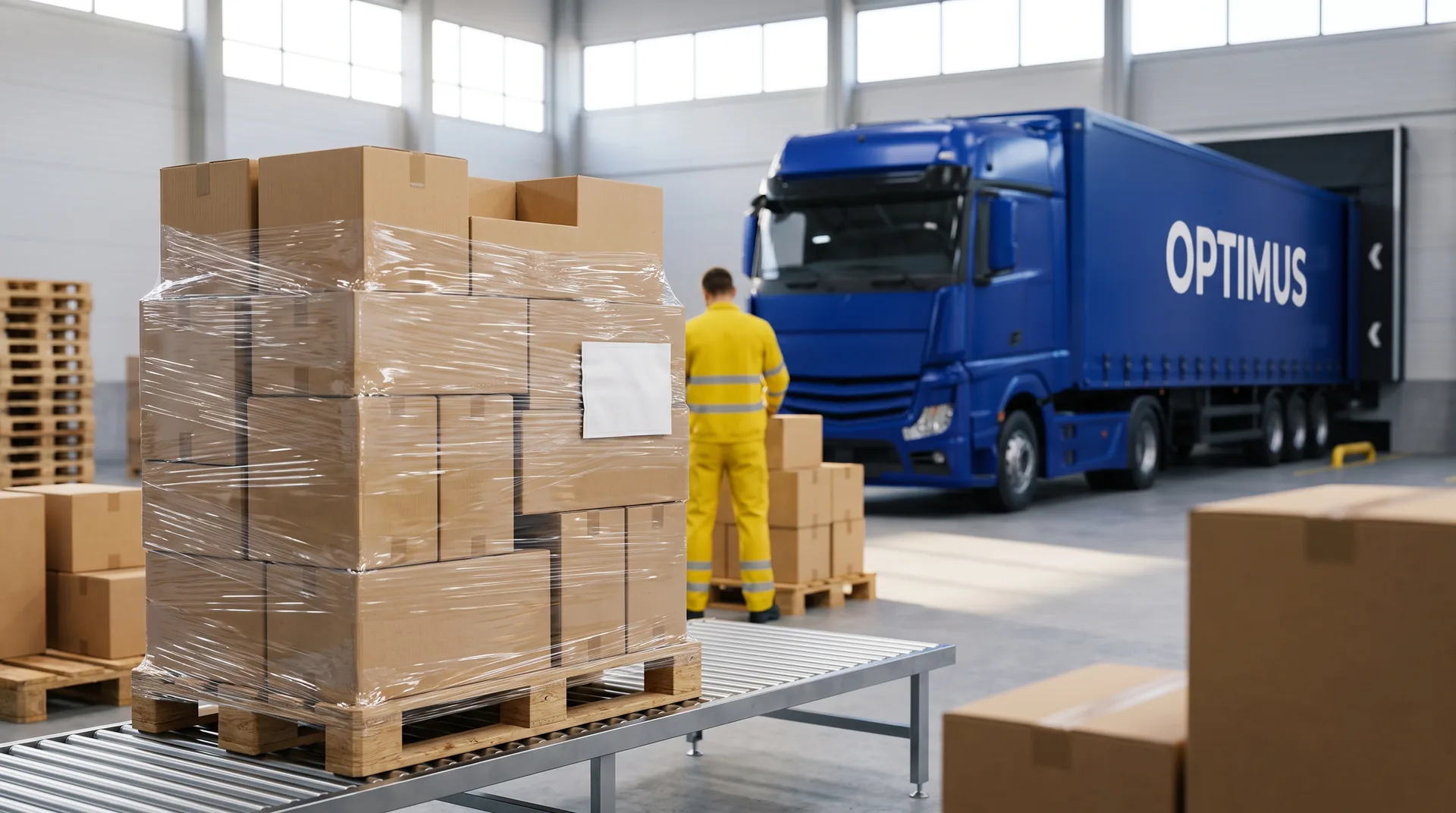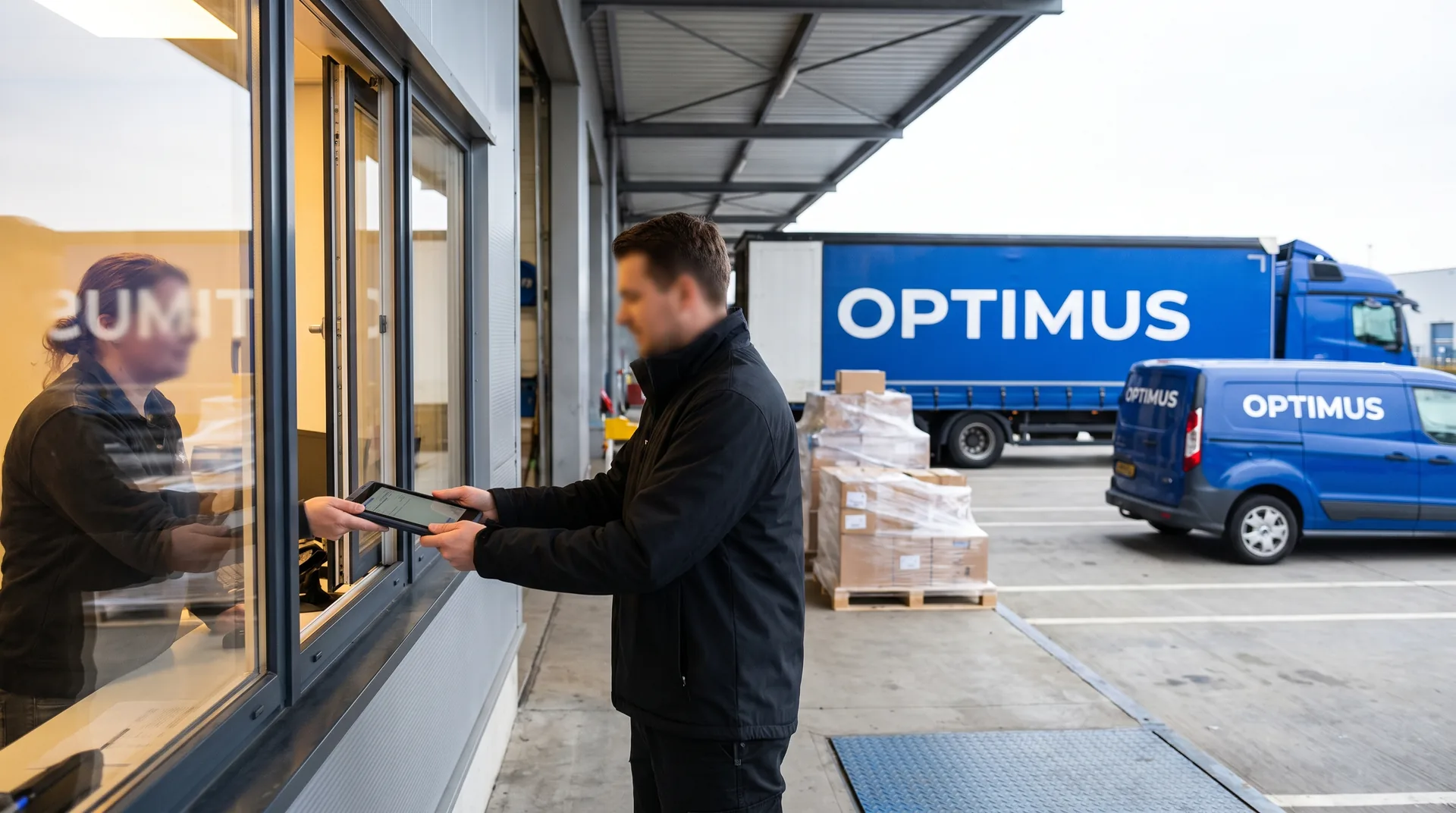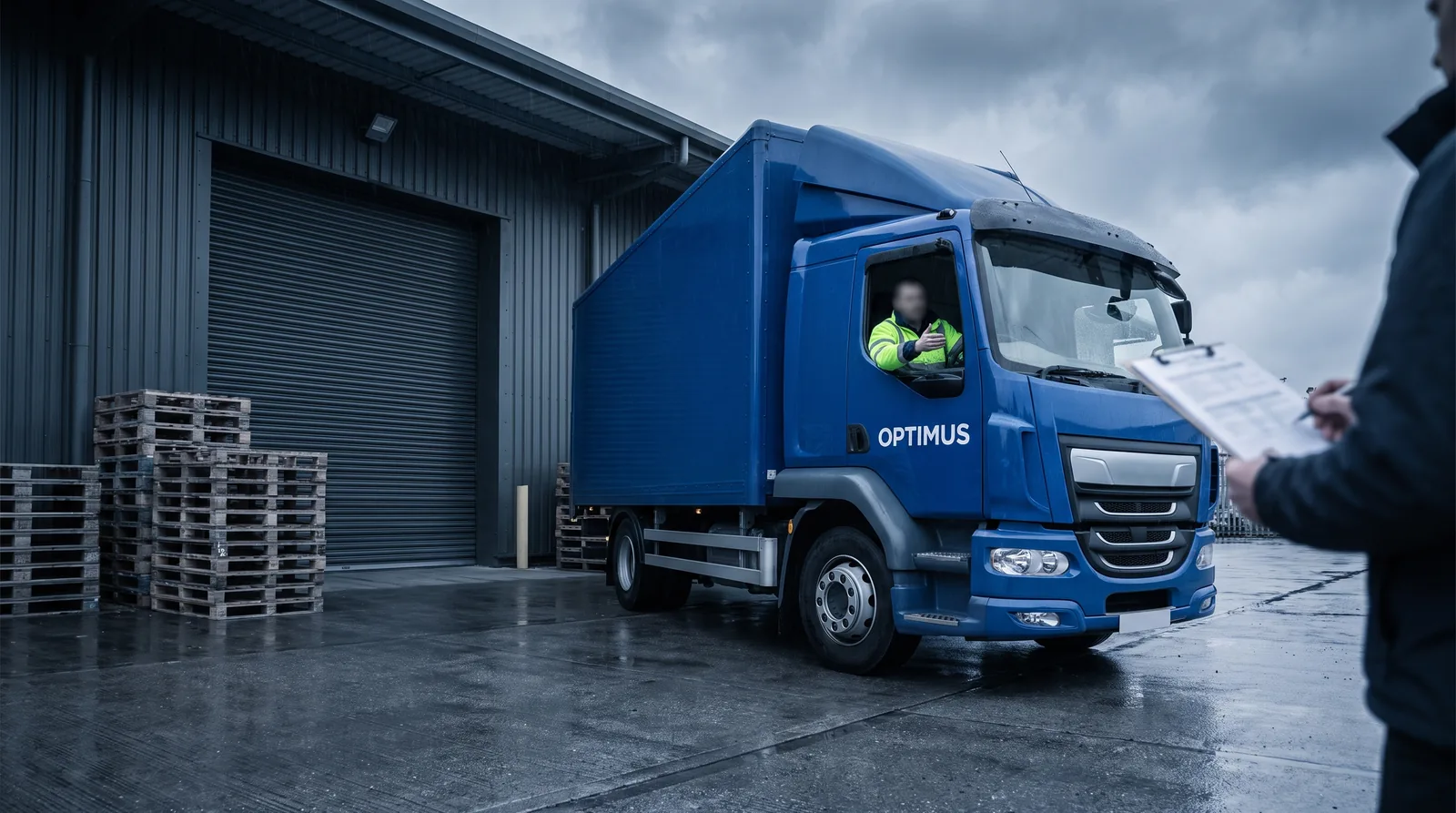
When a consignee in the United Kingdom refuses the goods, the right to dispose of them returns to the sender. Article 15 of the CMR Convention obliges the carrier to ask the sender for instructions and to protect the goods until they arrive. The driver cannot simply leave the pallets at the gate, nor drive them around indefinitely. In practice the matter is settled by the speed of two decisions: what happens to the goods in the next few hours, and who covers the costs that have just started running.
Why do consignees refuse?
- Ramp formalities: no booking or a missed slot, especially at retail chains and distribution centres.
- Condition of the consignment: damage, leaning pallets, battered wrap, missing labels.
- Carriers: pallets that do not match the consignee's specification.
- A commercial dispute: the consignee questions the order, the price or the date and uses the ramp as an argument.
- The consignee's own situation: no space, a breakdown, insolvency.
The reason is worth establishing and documenting at once, because it determines the path: damage needs inspection and a protocol, a missed slot only needs a new booking.
What does the Convention provide?
The sequence from Articles 15 and 16 CMR runs like this: the carrier notifies the sender and asks for instructions; the sender may order a return, delivery to another consignee or delivery elsewhere. The consignee may also change its mind and demand the goods, as long as the sender has not disposed of them otherwise. If instructions do not come, the carrier may unload the goods at the expense of the person entitled; carriage is then treated as complete, and the carrier holds the goods or entrusts them to a third party, remaining liable only for choosing that party with care. In extreme cases, with perishable goods or costs out of proportion to value, the Convention even allows a sale of the load. The costs of requesting and carrying out instructions fall on the cargo side, unless caused by the carrier's own fault.
How does it work with us in practice?
- The driver documents the refusal: time, reason given at the gate, photos of the consignment, a note or an entry on the CMR.
- The person handling the order contacts the sender immediately with ready options, instead of waiting while demurrage grows.
- The most common option: diverting to our warehouse in Milton Keynes, which accepts vehicles around the clock. The goods come off the trailer, the truck goes back to work, the standstill clock stops.
- In the warehouse we remove the cause of refusal: repacking onto compliant pallets, label fixes, inspection and a protocol where there is damage.
- A new booking and delivery from the warehouse, often the next working day.
The retail chain scenario, with its shelf life and slot regimes, is covered in more depth in our article on rescuing loads rejected by supermarket chains.
Who pays for all this?
As a rule, not the carrier, if the refusal was not its fault. Demurrage at the ramp runs according to the contract of carriage, warehousing and redelivery costs fall on the party entitled to the goods under Article 16 CMR, and the final settlement between seller and buyer depends on their commercial contract and the agreed Incoterms. That is why documenting the refusal matters so much: without it, a dispute over a few hundred pounds of costs can outlast the delivery itself. CMR entries and ramp protocols are discussed in our article on shortage and overage at unloading.
How do you cut refusal risk before the truck leaves?
Most refusals that end up in our warehouse were predictable. A booking made and confirmed in writing, with the consignee's reference number, closes the most common cause on the list. Pallets checked against the consignee's specification before loading rather than at the gate closes the second. Delivery documents agreed with the consignee in advance help too: some British warehouses require specific references on every document and turn vehicles away for a missing order number alone. For a first delivery to a new consignee it pays to simply call a day ahead and confirm the window, the gate address and the ramp requirements. Five minutes that regularly save a day of standstill. Commercial refusals stay outside the carrier's control, but that is exactly when the instruction procedure and the warehouse buffer described above do their work.
Sources
Your goods are stuck at a closed gate in England? Write via the contact form: we will take them into Milton Keynes, remove the cause of refusal and deliver again with a full set of documents.