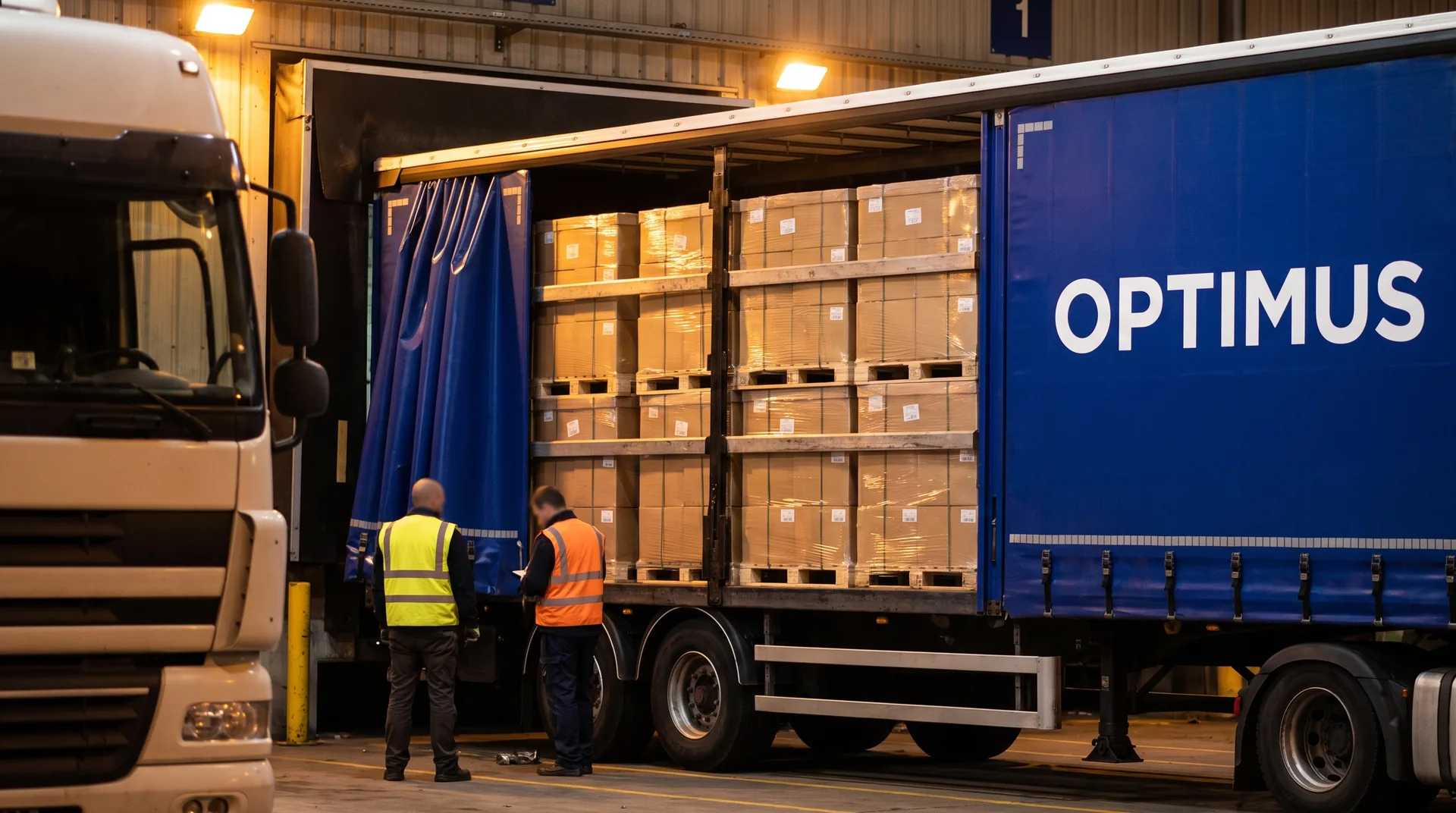
A repacking record captures three states: how the unit looked on receipt, what we did to it, and how it looks rebuilt. Each state has its own set of photographs, date, time and signature. This document is the only tool that separates transport damage from warehouse damage.
Why a dispute is unwinnable without one
Because in a chain with transhipment there is one more link between shipper and consignee where somebody touched the goods. The consignee reports a crushed carton. The shipper insists the goods left in order. Without documentation the matter reduces to testimony, and whoever has the weaker memory loses. With a record it reduces to comparing two photographs: the carton was crushed on receipt at the hub, or it was not.
This cuts both ways, which is why we always produce a record, including when nobody asks for one. Documentation protects the client from the warehouse and the warehouse from the client. Where an event qualifies for notification to an insurer, the material feeds straight into the inspection report for the insurer, and in a carriage dispute into the CMR damage report.
Inbound state: what we record before touching the load
Before the film comes off, the unit is photographed from four sides and from above, framed to include the whole pallet with its carrier. Then close-ups of the logistic label, the SSCC, and every spot that raises a question: torn film, a dent, a water mark, a skewed layer. We record date and time of receipt, vehicle registration, consignment note number, unit count, carrier type and condition, the measurement and weighing result, and any remarks the driver made.
An easily forgotten detail: we also photograph the state of the film before it is removed. How a unit was wrapped is evidence of how it was built at the shipper, and once the film is cut that evidence ceases to exist. If the wrap departs from the parameters the consignee requires, we note it immediately, before anyone has a chance to put it right.
The middle state: what we did and why
The central part of the record answers four questions. Who ordered the operation and on what basis — client instruction, consignee requirement, or an operational decision after damage was found. What we found once the film came off, including every non-conforming piece, photographed separately with a scale reference. What we did: change of carrier, restacking, carton replacement, addition of corner boards, re-wrapping. What we set aside as unfit and on what grounds.
Where goods are being sorted, the record runs two registers in parallel: the saleable pool and the rejected pool, each with piece counts and photographs. The sorting criterion always comes from the owner of the goods, never from the warehouse — we apply it, we do not invent it. If pooled carrier units are involved, we add the type and number of incoming and outgoing units so the operator balance can be closed; we explain that in pooled pallets on UK exports.
Outbound state: the unit after rebuilding
The same photographic set as at receipt: four sides and the top, plus a close-up of the new label. We record the new unit count, the new carrier type, new dimensions and weight after re-measuring, and the link between old and new SSCCs. That link is the single most important entry in the whole record — without it continuity of identification is lost and no later document can be tied back to the original shipment.
If the pallet count changed, the record must say so plainly, because the documents lodged before the crossing say something else. How to handle that on the customs side is covered in changed pallet counts and customs paperwork. The change itself is not the problem; an undocumented change is.
Who signs it and whom it serves
The person running the operation signs, and so does the supervisor; the driver signs the receipt and release sections if present. The shipper is usually not on site and need not be — their role is to set the criteria beforehand and accept the record afterwards. Where the work is done at the consignee's instruction, the record goes to both parties so neither learns about changes from an invoice.
The document's audience, in order: the owner of the goods, the insurer in a damage case, the carrier in a CMR claim, and — where goods are held — whoever is handling the matter on the consignee's side, which we cover in quarantine, hold and release in the UK. Retention periods are agreed in the client contract.
How it works with us
We keep records for every unit rebuild at the Milton Keynes warehouse and at consolidation in Poland. Photographs and entries reach the client in one file, not scattered across messages. For loads following a road incident or water damage, the record triggers the wider procedure described on our cargo inspection page. The physical operation itself — what happens to a pallet at the hub — is described in transhipment at the hub.
Sources
- DVSA / GOV.UK: responsibility for load condition and securing
- GS1: the SSCC as a logistic unit identifier along the chain
Need units rebuilt with full documentation? Describe the case in the quote form — the record is standard, not an extra. The lane is described on our transport to the United Kingdom page.