We run transport from Czechia and Slovakia to the UK in four steps: pickup at the consignor with no customs formalities, because this is intra EU movement, repack and consolidation in Legnica or Kielce, export clearance with border references, then the Channel crossing and door delivery in the UK. The consignor provides the documents, we handle the rest.
Step 1: pickup at the consignor
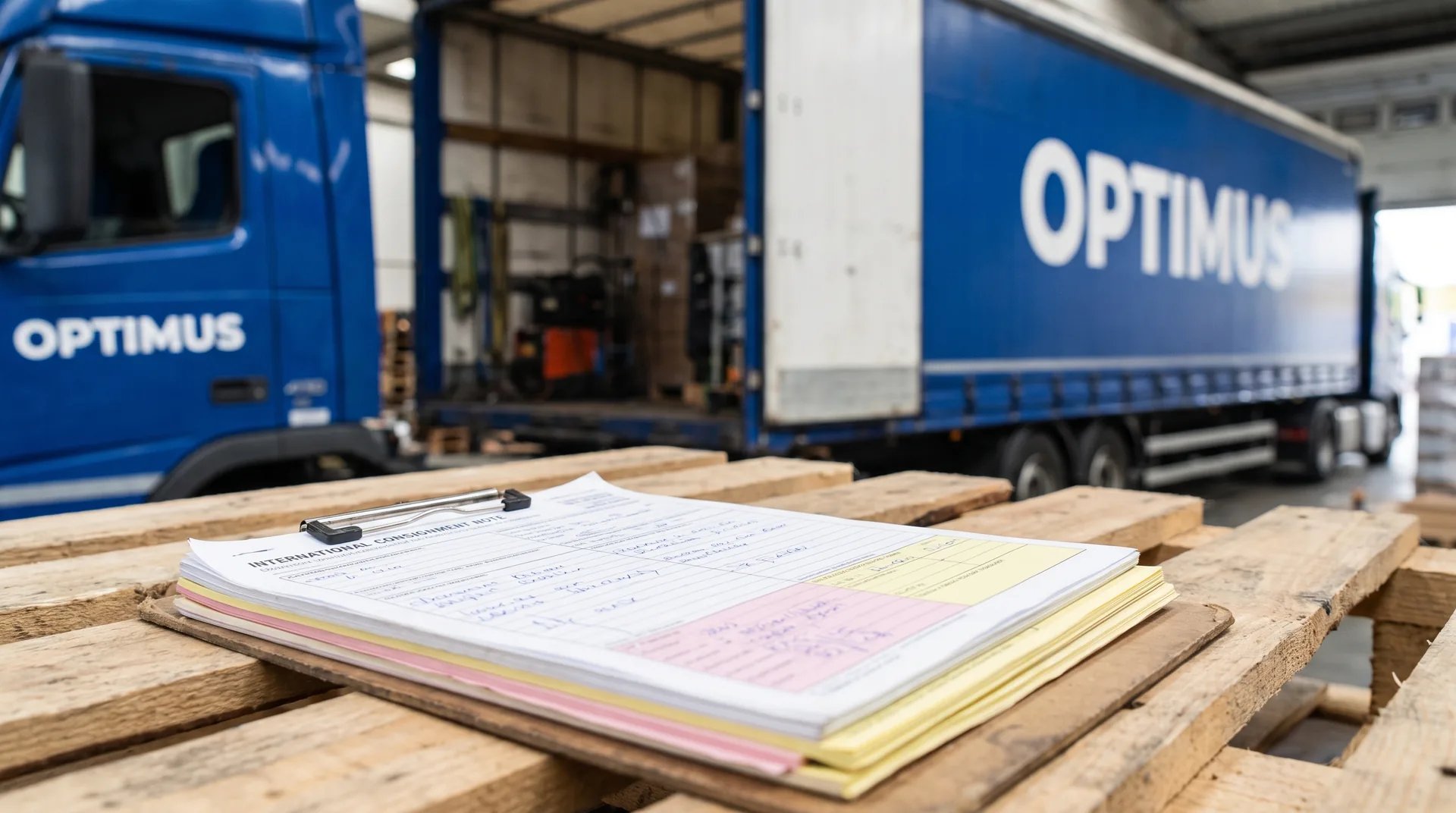
Czechia and Slovakia are in the EU, so at this stage there is no clearance and no border to manage. The truck collects the pallets from the consignor warehouse and takes them to our facilities in Poland. Legnica sits close to the Czech border, which shortens the run from Prague, Brno or Ostrava; for loads from eastern Slovakia the natural point is often Kielce. Already at pickup we ask for the invoice and the packing list, so the documents travel with the goods instead of chasing them by email.
Step 2: repack and consolidation
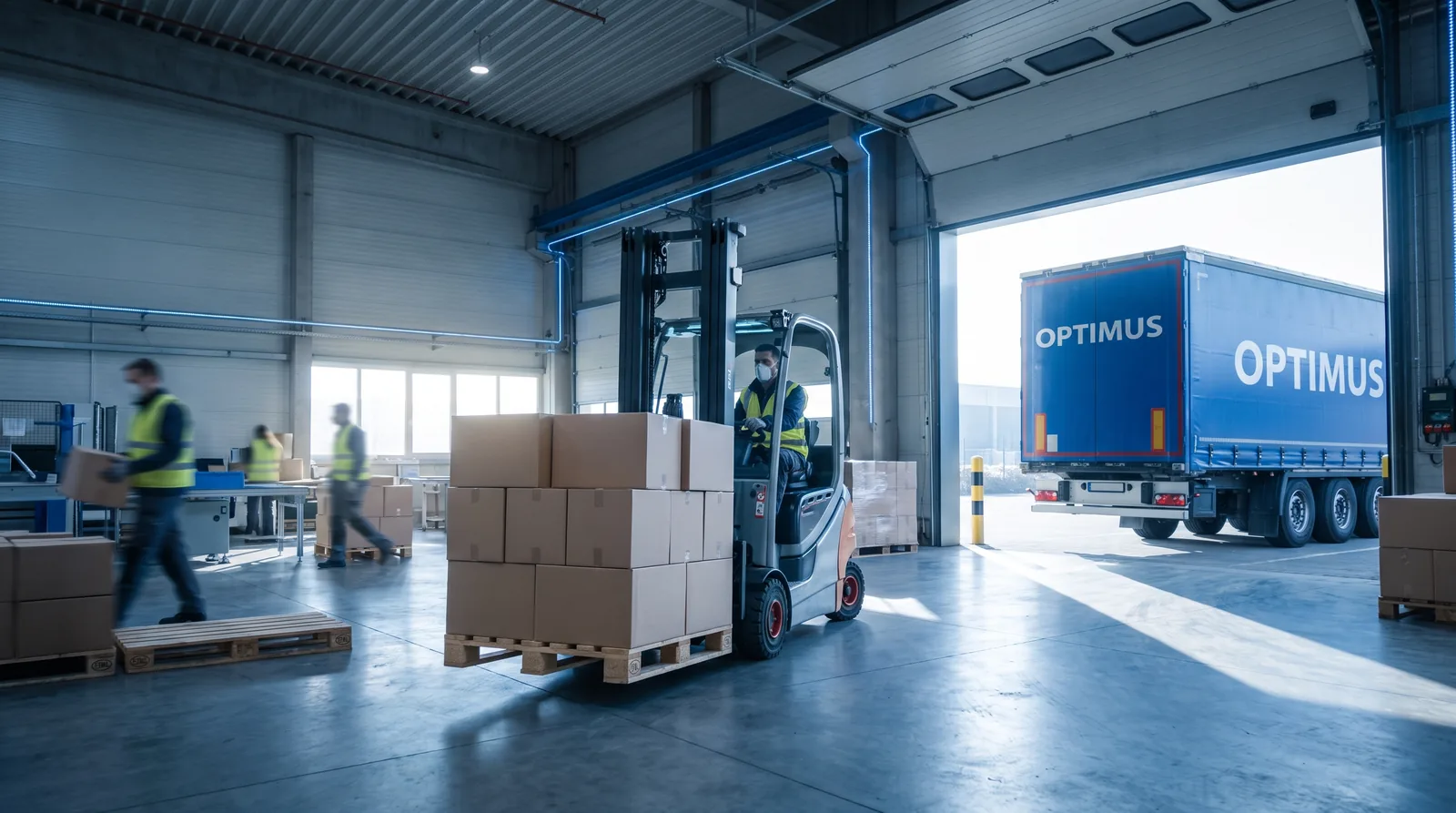
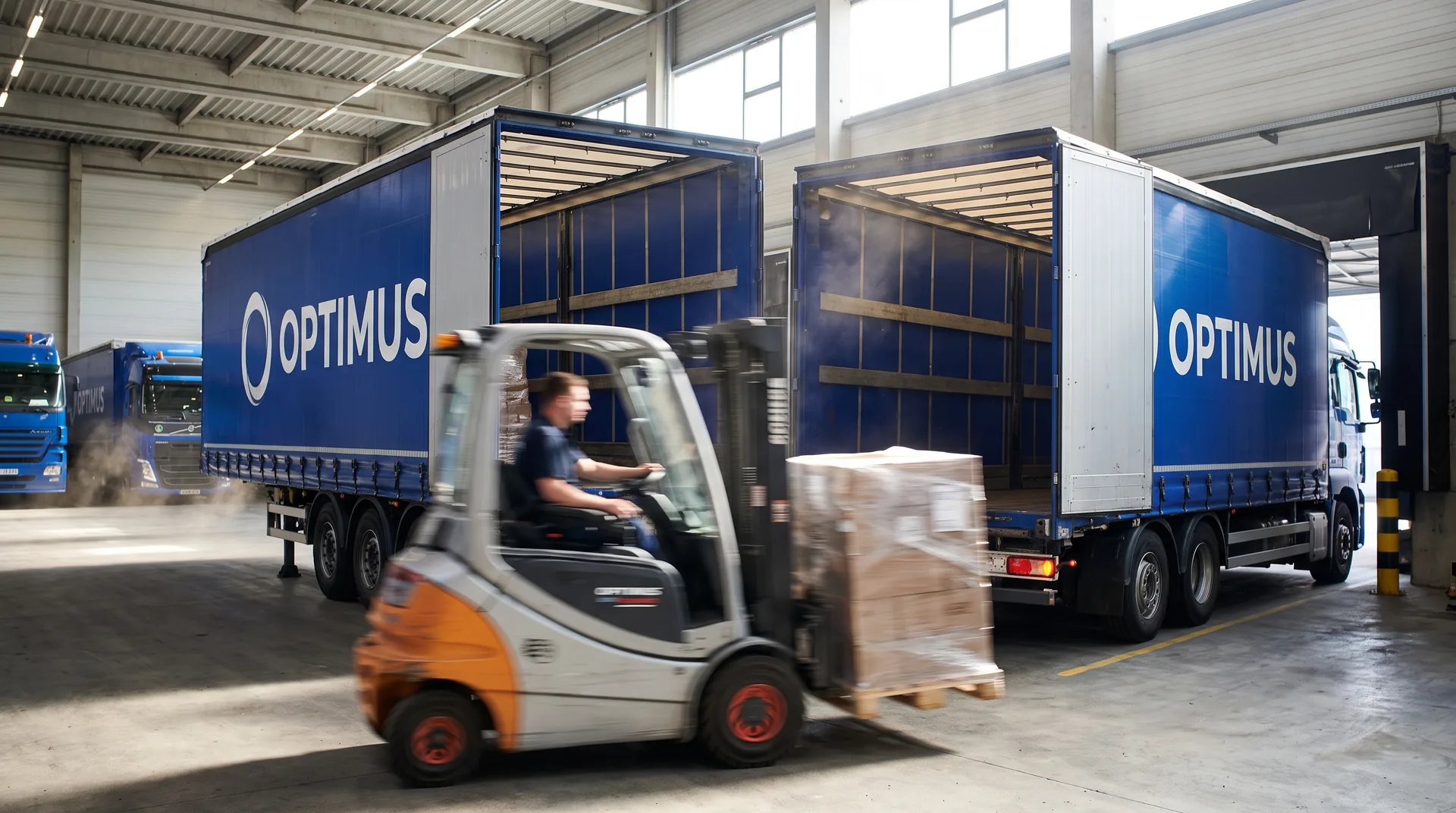
At the hub the goods are received, weighed and checked: package count, pallet condition, consistency with the documents. Where needed, pallets are repacked or secured for the sea leg and British loading docks. The load then gets its space in a truck bound for the UK, next to groupage from Poland and other countries of the region. What exactly happens to a pallet at the hub is described in our article on cross dock and repack at the hub.
Step 3: customs and border formalities
Since Brexit the UK leg requires an export declaration, a UK import declaration and a GMR border reference for the vehicle. In consolidation every consignment has its own declarations and we tie them into one set for the whole truck. From the consignor we need the EORI numbers, an invoice with value and currency, and origin information if the goods are to use the zero tariff under the EU and UK agreement.
Step 4: crossing and delivery
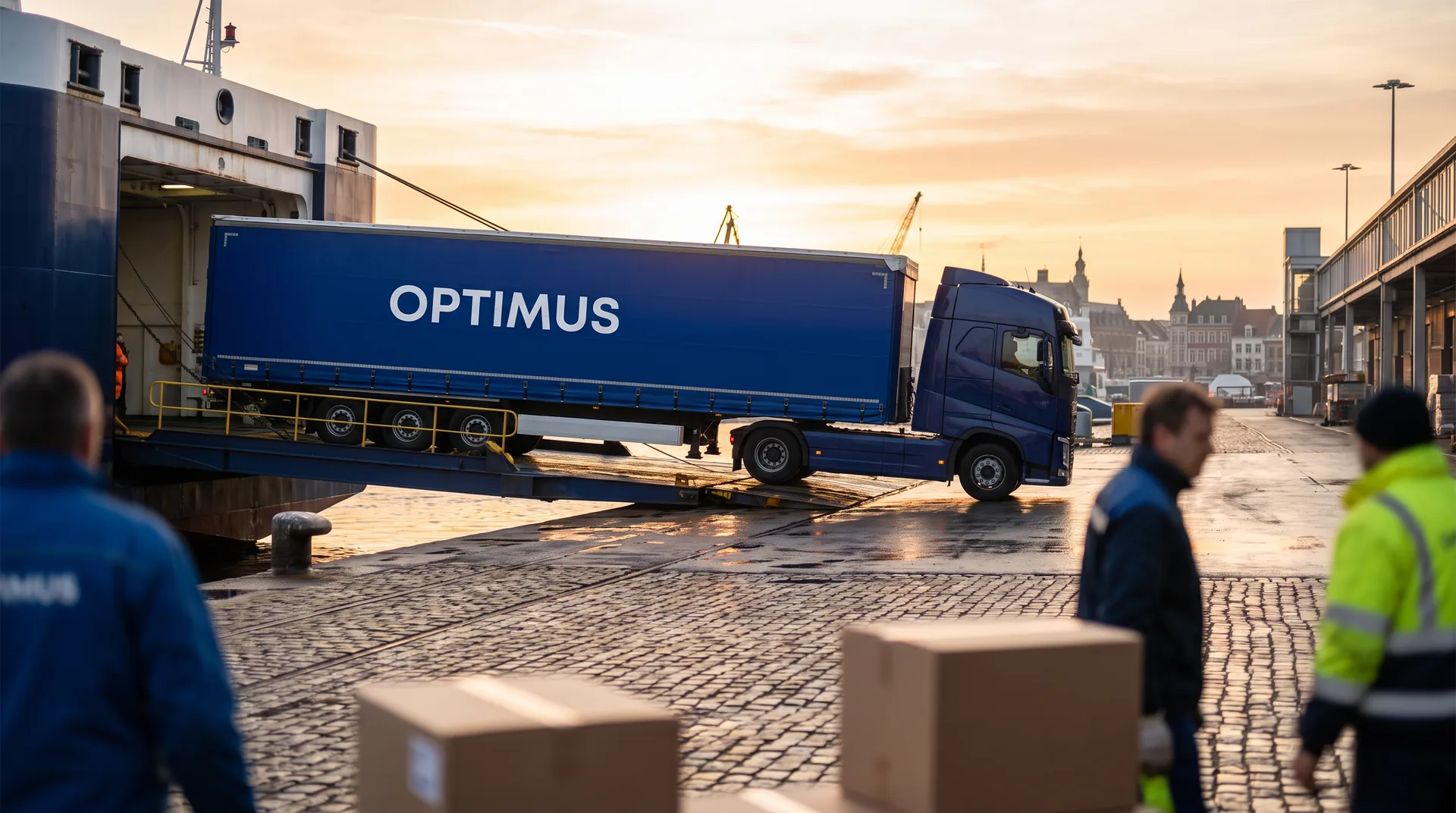
The truck crosses the Channel by ferry or Eurotunnel, and on the British side the goods run directly to the consignee or through our Milton Keynes warehouse when the delivery needs booking in, repacking or splitting across several addresses. The delivery closes with a POD confirmation.
How long it takes
The time depends on the pickup point, the consolidated departure date and the crossing, so we quote it with the offer. The EU stage is quick, with no borders; the margin is worth keeping where the hub meets the UK departure. The wider picture of this corridor is in our article on consolidation from CZ, SK, AT and HU to the UK.
Groupage versus a full truck from Czechia and Slovakia
With a few pallets the route through the hub is the natural one: you pay for the space you take, and clearance and the crossing are part of the carriage. Above roughly a third of a trailer, around twelve pallets, it is worth pricing the dedicated option, because a truck can run from Brno or Bratislava straight to the crossing and skip the hub stage. The arithmetic is not obvious either way: a dedicated truck shortens the chain but shares the cost of the run and the ferry with nobody. What such a run looks like from loading in Prague, Brno or Ostrava to unloading at the British consignee is set out in FTL from Czechia to the UK.
The most common mistake on this corridor
The consignor treats a UK departure like an intra EU delivery, because the first leg genuinely is one. Goods leave Ostrava without an invoice in a version usable for a declaration: no currency, no delivery terms, no consignee EORI. They will reach the hub and go no further, because the UK import declaration is built from the same data as the export one. Paperwork prepared before loading costs a quarter of an hour; paperwork corrected after goods-in at the hub costs a departure.
How many transhipments such a consignment sees
Usually two: consolidation in Legnica or Kielce and a cross dock in Milton Keynes if the UK delivery needs booking in or splitting across several addresses. On a direct delivery to a single consignee the second transhipment falls away. That is worth knowing when planning packaging: a load that must survive two transhipments and a sea leg is built differently from one that runs ramp to ramp.
Sources
- GOV.UK: import goods into the UK, step by step
- GOV.UK: get a Goods Movement Reference (GVMS)
- European Commission: customs union, export of goods
Shipping from Czechia or Slovakia to the UK? Give us the pickup point and pallet count in the contact form. Customs handling is described on the customs clearance page and our facilities on the warehousing page.