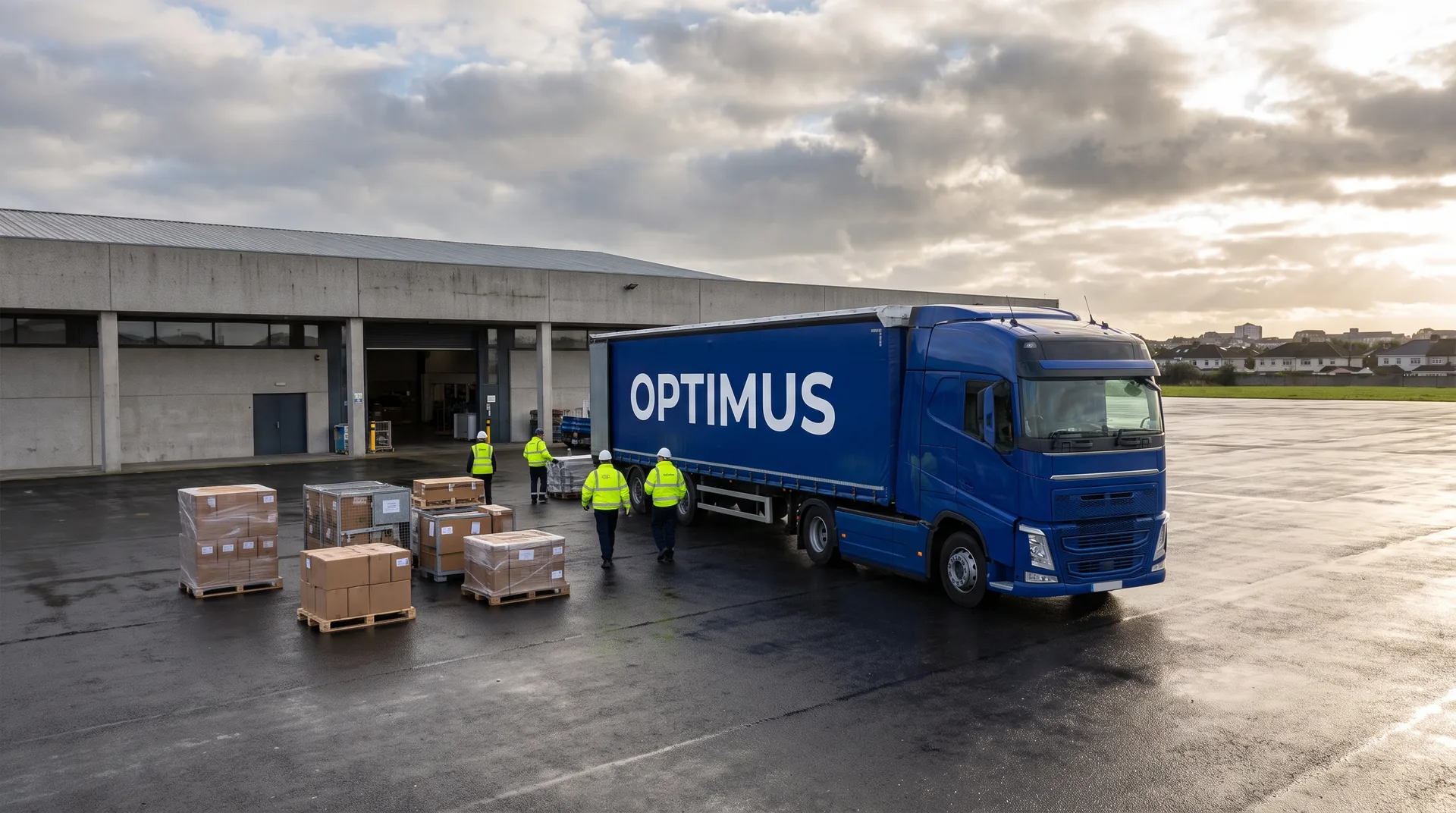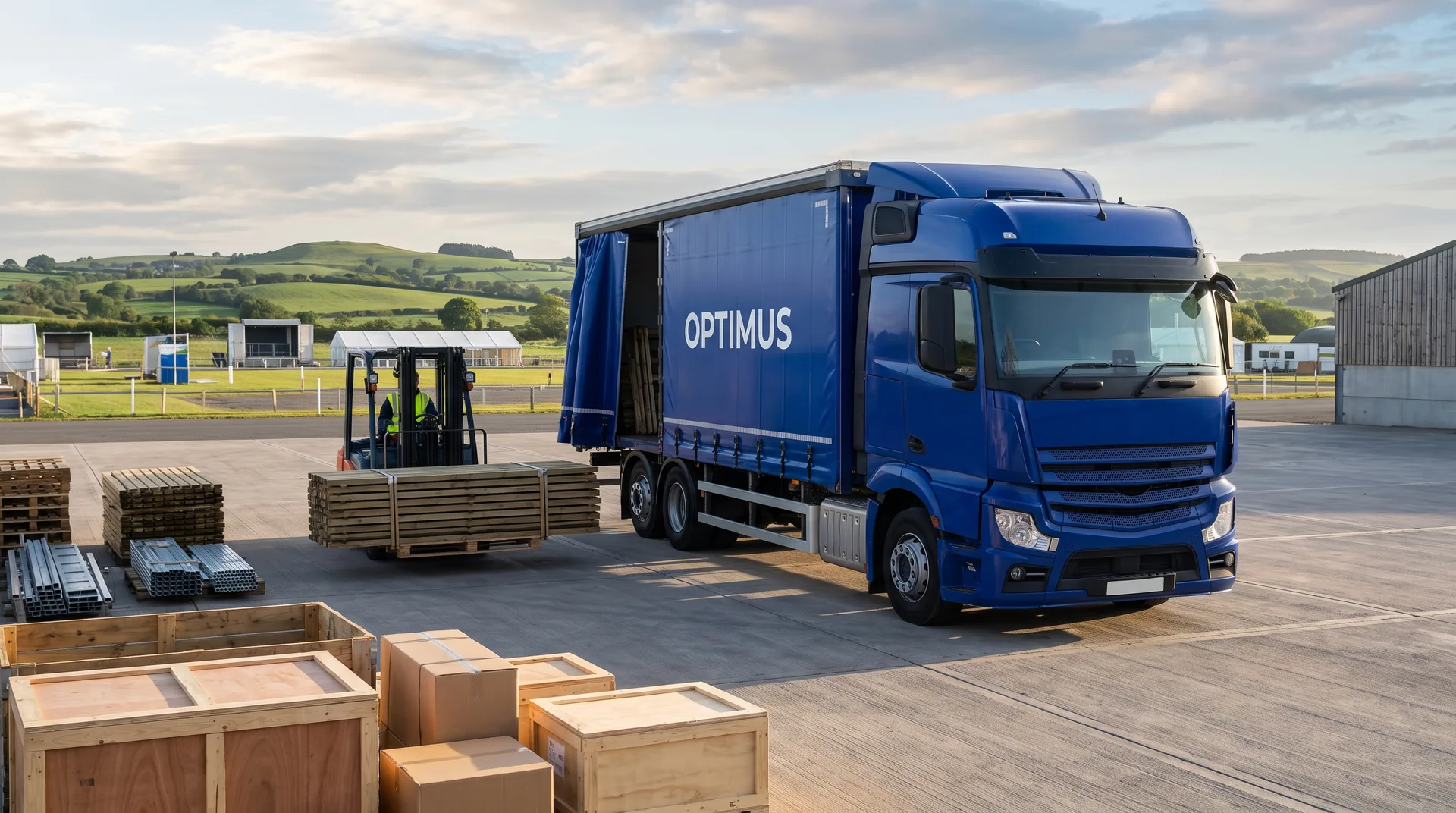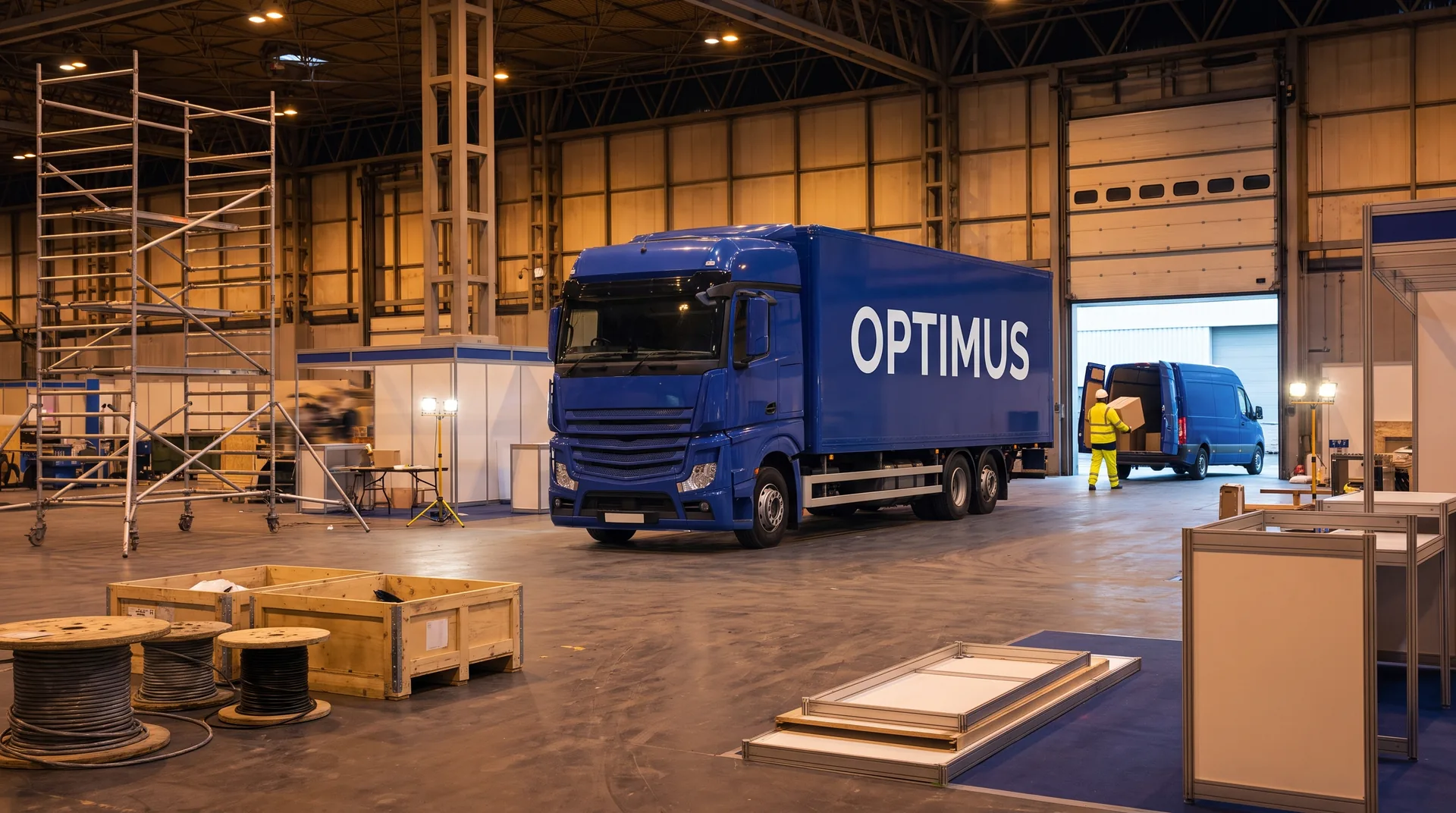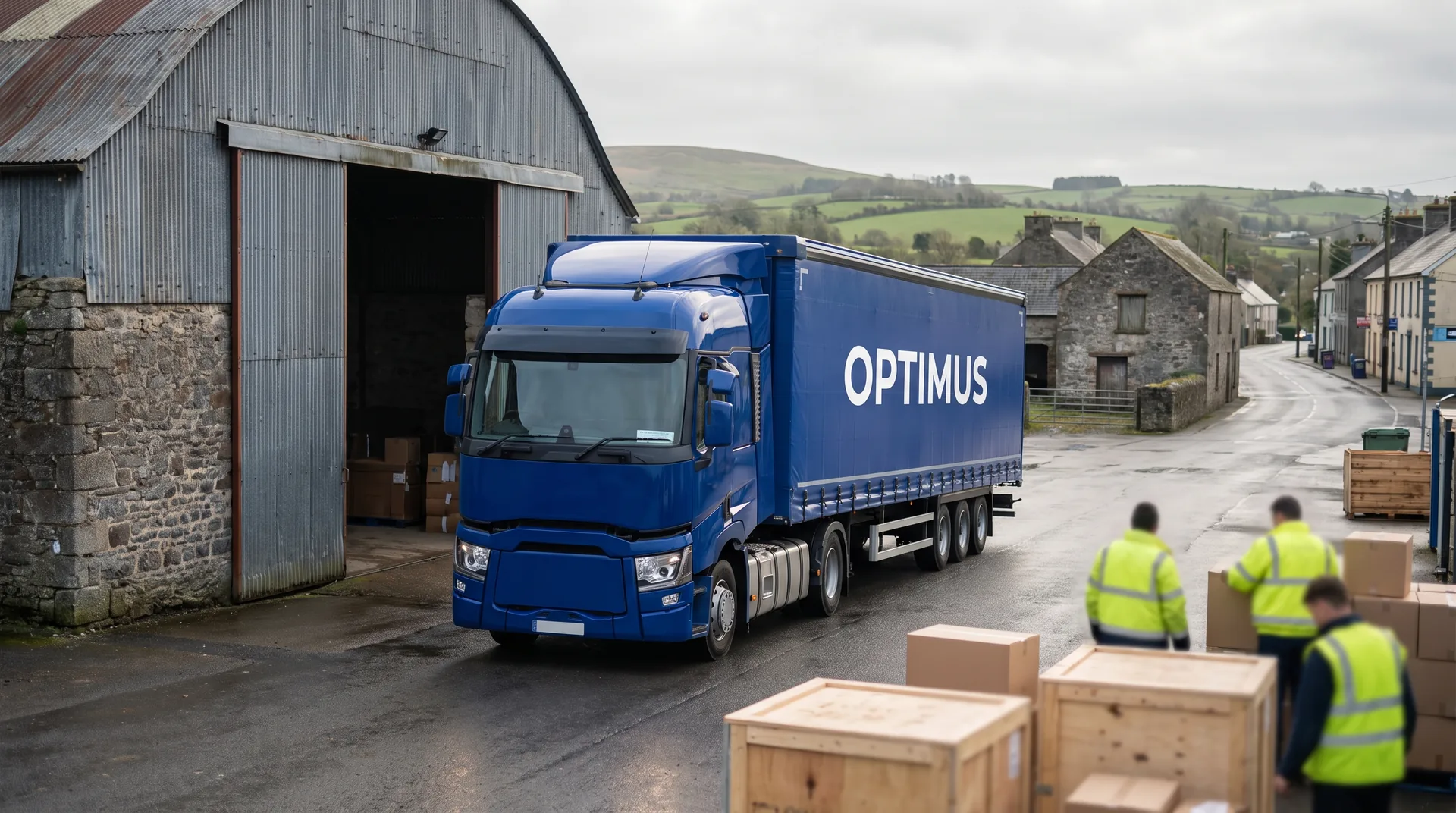
Green Glens Arena lies at Millstreet in County Cork, Eircode P51 EN28, and has operated since 1973 as a family-run equestrian venue. It publishes eight all-weather competition arenas, eight all-weather warm-up arenas, three indoor arenas, fifteen hundred stables and free parking for a thousand horse-boxes. It describes its approaches purely on national and regional roads.
The routes the venue publishes
The venue lists three approaches, none of them on a motorway for the final stretch. From Cork: the N22 to Macroom, then the regional R582 from Macroom to Millstreet. From Dublin: the N7 becoming the M7 through Naas, Kildare and Portlaoise, then the M8 to Mitchelstown, the N73 to Mallow, then the N72 and R583 to Millstreet. From Killarney and Tralee: the N22, N72 and R582 or R583. The venue also publishes its coordinates.
Every one of these ends on a regional road. That is the heart of the planning: the M8 brings the load into the Mitchelstown area, but the last several dozen kilometres run on roads of varying cross-section through farming country. So the slack is counted from leaving the M8 rather than from the port. We describe the same mechanism at the Royal Cornwall Events Centre near Wadebridge, where the fast road network ends similarly far from the destination.
An equestrian venue, not an exhibition hall
Green Glens is first of all an equestrian centre, and that orders everything that happens on site. The venue lists eight all-weather competition arenas, eight warm-up arenas and three indoor arenas, plus fifteen hundred stables and room for two hundred caravans. Trade stands run in two forms, indoor and outdoor. The indoor arena has been resurfaced and renovated for the 2026 season.
Three things follow for an exhibitor. First, site traffic serves horses rather than deliveries: horse-boxes have priority and their own parking. Second, arena surfaces are prepared for horses to work on, so a heavy exhibit is placed on them only with the venue consent and usually with protection. Third, build-up windows form around a competition schedule that runs from morning to evening. We describe a similar regime for events with livestock in the article on entrances and site traffic at the Eikon Exhibition Centre.
What the venue does not publish
Its facilities page is still in preparation, so the venue publishes no arena dimensions, no floor type for the indoor spaces, no door dimensions, no dock information and no weight or height limits on the approach. Hall dimensions circulating online come from third-party sources and carry no confirmation from the management, so we do not put them into a transport order.
The practical conclusion is the same as at any venue without a published specification: questions first, vehicle second. We ask about the type of stand, whether it sits indoors or outside, the permitted loading on the surface, and how a vehicle reaches the plot. We gather the rules in the article on unloading inside a venue.
Ferry routes and formalities
The venue itself lists in its material the ferry crossings its participants use: Dublin to Holyhead, Rosslare to Pembroke, and services from Ireland to France via Rosslare to Cherbourg and Roscoff and from Dublin to Cherbourg. That list shows two paths: through Great Britain and around it.
For a load from Poland the difference is formal, not only a matter of time. The Republic of Ireland is a member state of the Union, so a direct crossing from the continent involves no customs border. A land route across Great Britain requires transit, because entering and leaving British territory are two separate operations. We describe the choice in the article on the landbridge and transit. Clearances run in cooperation with the customs agencies we work with regularly on both sides.
What to settle before arrival
- Whether the stand is indoors or outside, and where it sits relative to the arenas.
- The permitted loading on the surface of the hall resurfaced for the season.
- The approach the venue nominates, since the final stretch runs on regional roads.
- The build-up window against the competition schedule.
- Where the vehicle waits after unloading, away from the horse-box areas.
- Whether the load travels on a direct ferry or in transit across Great Britain.
What we do at our end
We collect stands and exhibits in Poland, and from exhibitors in Czechia, Slovakia, Austria and Hungary we gather the load through our hub. At the Kielce base, about 4 km from the fairground and open around the clock, we assemble a stand into one consignment before departure. A groupage vehicle waits for the next scheduled line departure. For Irish addresses we settle the route and the paperwork before loading. At an address this remote we match the vehicle to the final leg rather than to the international run: on regional roads a shorter rig is often faster than a longer one. We commit to an hour at the gate rather than an hour of unloading.
Groupage or a dedicated vehicle
The threshold runs at roughly a third of a trailer, about twelve pallets, but at Millstreet road geometry decides rather than volume. A display that fits a smaller vehicle arrives more reliably and sooner than a rig losing time on regional road bends. With heavy kit a dedicated movement remains the only option, but it is matched to the approach rather than to the load. More in the article on choosing between FTL and groupage.
Sources
- Green Glens Arena: address, Eircode and approach routes
- Green Glens Arena: arenas, indoor halls, stables and parking
- Green Glens Arena: event calendar and venue status
Exhibiting at Millstreet? Send the type of stand, the item list and the date through the quotation form and we will match the vehicle to the final leg. See also the exhibition logistics page and the transport to Ireland route.