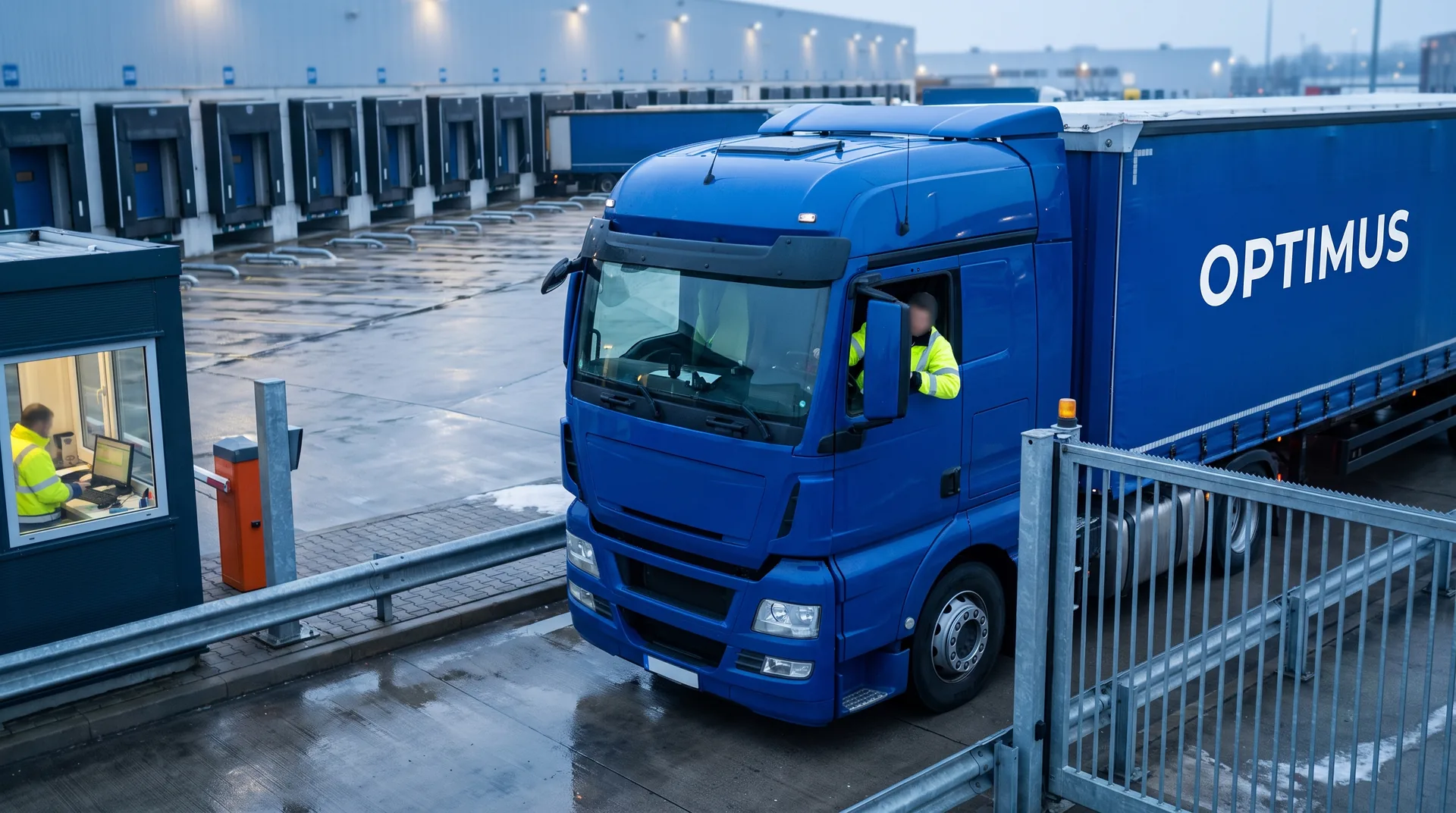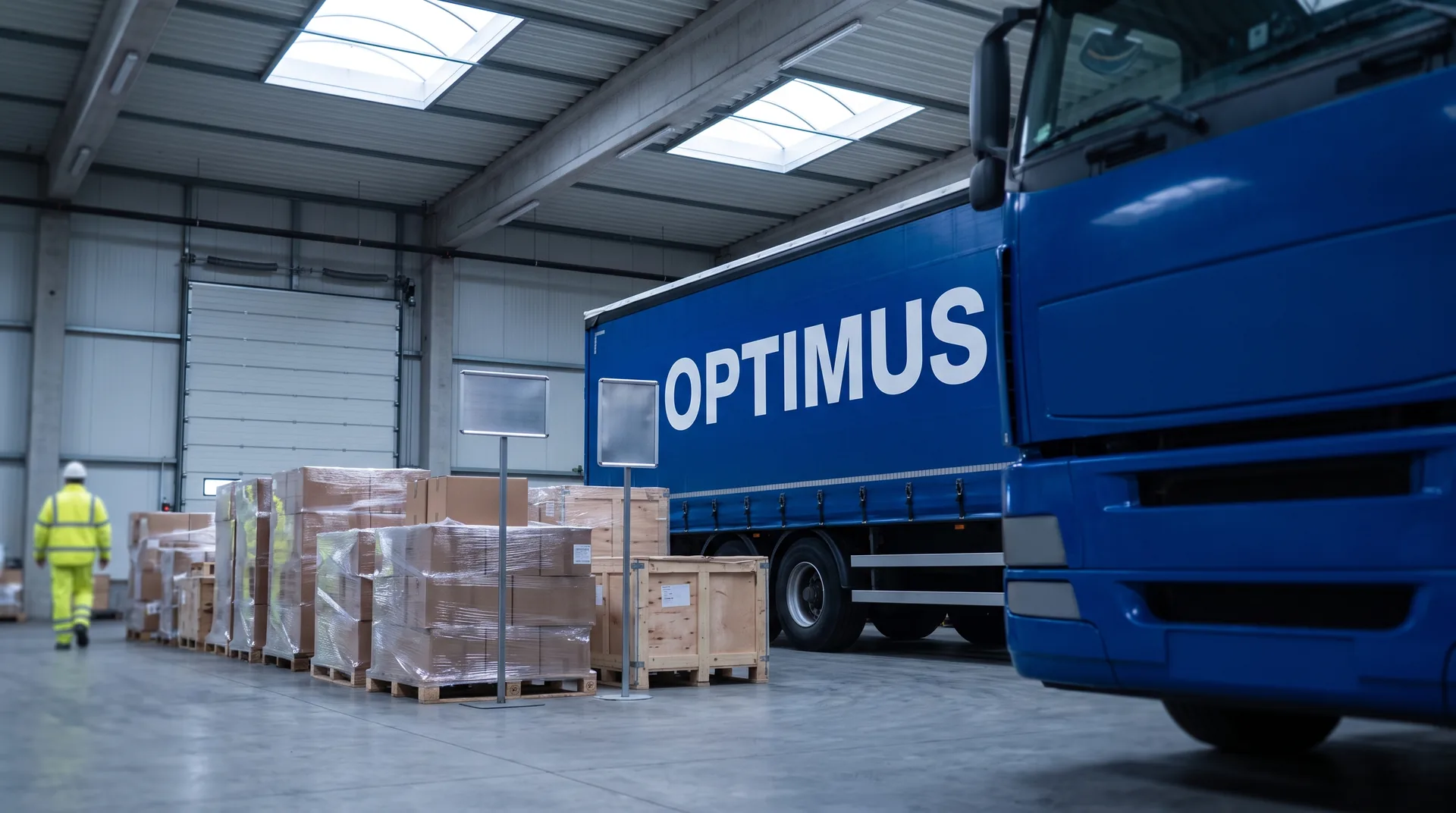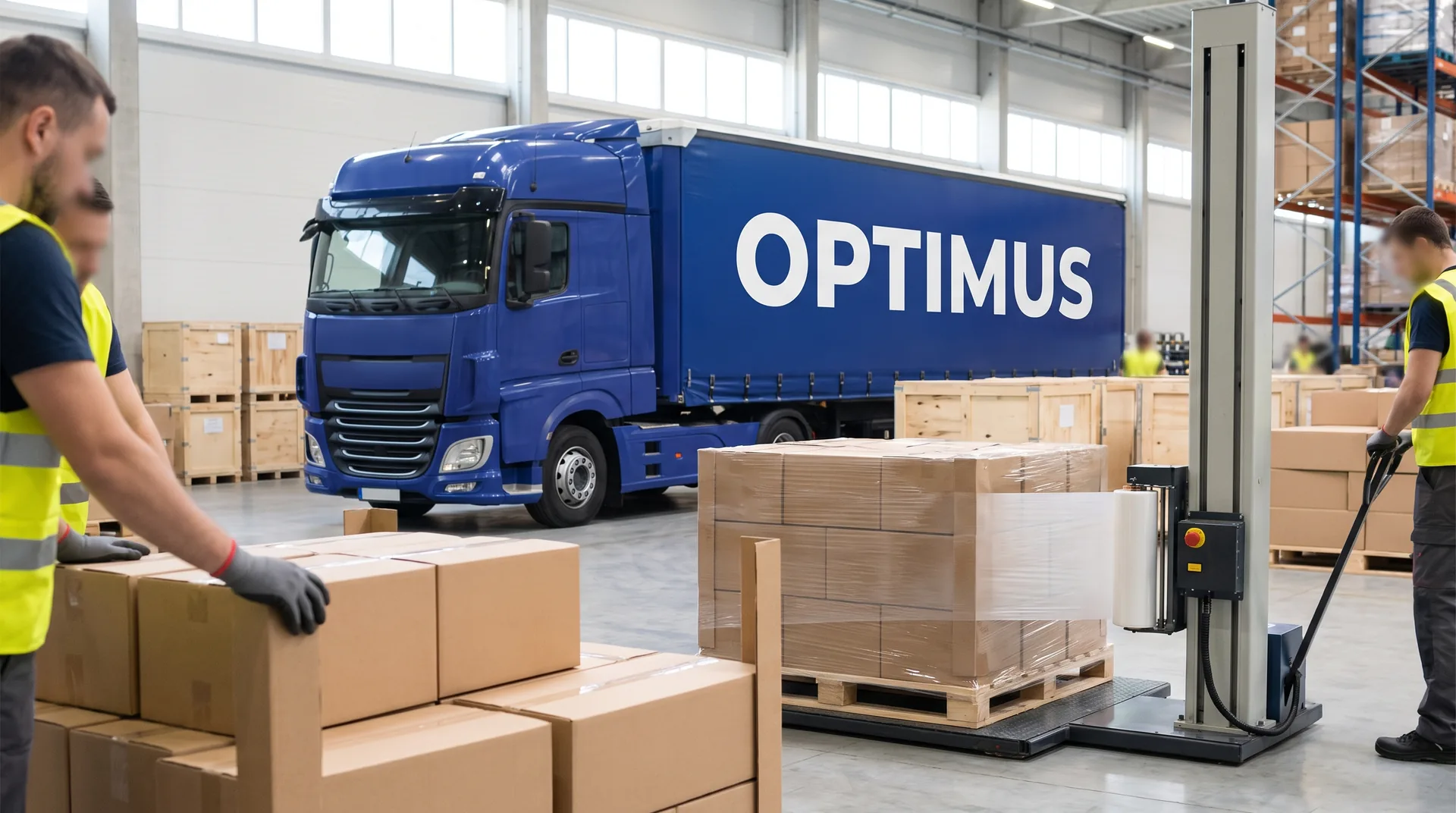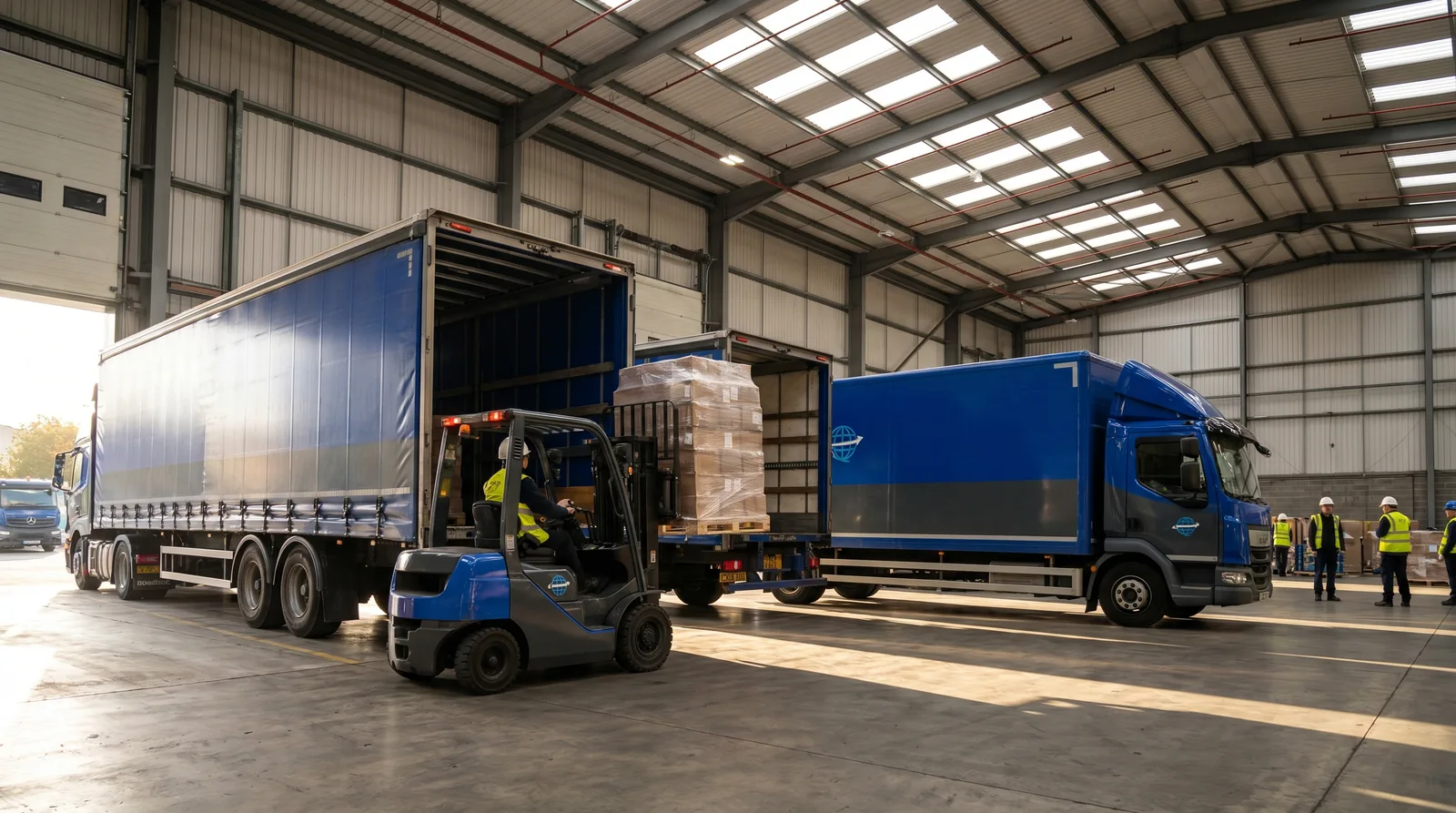
Our Milton Keynes warehouse is the OPTIMUS TRANSPORT cargo handling point in the United Kingdom, open around the clock. We run emergency cross-docking, pallet re-stacking and re-arrangement, cargo inspections with photographic documentation, damaged load management, and pallet receipt and release. We have chilled and frozen zones, so the cold chain does not have to be broken.
Why a Polish sender needs a warehouse near London
Bletchley in Milton Keynes sits in central England on the M1 axis, within a day's drive of most British consignees and an hour from London. It is a sensible place for a buffer, because supply chain problems on flows from Poland do not appear in Poland, they appear in the UK: the consignee refuses delivery, the booking slot falls a day after the vehicle arrives, a pallet shifts in transit, goods need re-stacking to a particular chain's standard. All of that can be solved on the spot instead of turning the load around or keeping a driver at a gate for a day.
What we do at the warehouse
- Emergency cross-docking, including splitting a load between several vehicles.
- Pallet receipt and release, plus a buffer against a booking date.
- Re-stacking and re-arranging pallets to the consignee's requirements, including height and footprint correction.
- Cargo inspections with a report and photographic documentation.
- Damaged load management and inspection of contaminated cargo.
- Load filtering, that is separating sound pieces from unsound ones.
- UV inspection and decontamination.
- Chilled and frozen zones, plus recovery in controlled temperature without breaking the cold chain.
- Certified disposal for goods that cannot be released.
- Round the clock operation, seven days a week.
Emergency cross-docking in practice
The most common scenario runs like this: a vehicle from Poland carries goods for two consignees, the first takes delivery without trouble, the second moves the slot by two days. Rather than holding the unit and the driver in England, we pull in to the warehouse, take the pallets off and the vehicle returns to Poland with a backload. The goods wait under cover and go to the consignee exactly on the new date, on a smaller vehicle. The second scenario is splitting: one line-haul vehicle brings a consolidated load, which then fans out onto several distribution runs. We cover this in more depth in our text on emergency cross-docking.
Re-stacking pallets to the consignee's standard
British retail chains and distribution centres have detailed requirements for pallet height, footprint, wrap and labels, and those requirements often differ from the standard the goods left Poland under. A pallet outside the receiver's norm goes back off the ramp. Correcting it beforehand is cheaper and faster than explaining afterwards. We re-stack and re-arrange pallets on site, correct height, improve securing and prepare the load for booking in. Receiver standards are covered in our texts on UK retail pallet requirements and on pallet re-stow.
Saving the load instead of writing a claim
The real value of this place shows when something has gone wrong. A load that got wet, toppled, tampered with or rejected by the receiver is rarely a total loss: some pieces are untouched, some need re-stacking and only some are fit for disposal. Separating those three groups is what we call load filtering, and it decides the actual size of the claim. The recovery rate, counted in units of goods actually put through filtering after an incident, exceeds 92 per cent. On top of that comes a report with photographic documentation, which is what the insurer needs. We develop this in texts on wet and toppled cargo, on rejected retail loads and on the report for the insurer.
Temperature: chilled and frozen with no break in the chain
Chilled goods are handled in refrigerated and frozen zones, and recovery is carried out under controlled temperature, so the goods never leave their regime for the sake of an examination or a repack. That matters in practice, because a broken cold chain usually decides the fate of a batch even when the product looks fine. We develop the subject in texts on temperature control for sensitive cargo and on a broken cold chain.
How to book the work and what to tell us
A short brief is enough: what the goods are, how many pallets, in what condition, when delivery is needed and whether temperature is required. For inspections, say whether the matter is going to an insurer, because then we run documentation to their requirements from the start. The warehouse operates around the clock, so we take instructions at night and at weekends too, which matters when something happens en route. Other value added work is collected in our text on warehouse value added services.
Need transhipment, inspection or cargo recovery in the United Kingdom? Describe the situation through the quote form and we will set the work and the timing. Site details are on the Milton Keynes warehouse page, and the scope of inspections on the cargo inspection page.