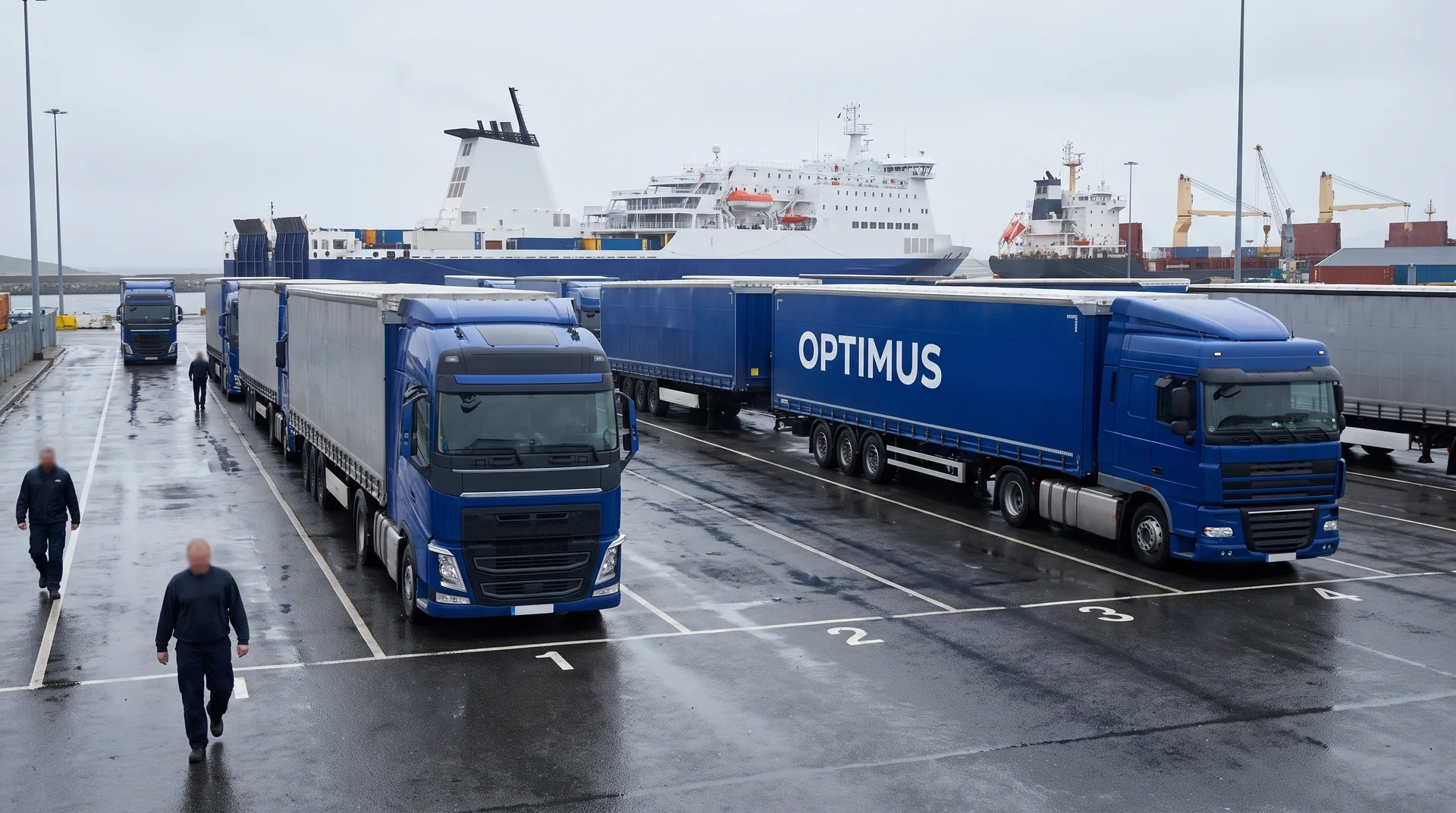
The pre-Christmas peak in transport from Poland to the UK builds from October and culminates between mid November and mid December. Demand for crossings and warehouse slots then grows faster than supply, so freight prices rise and free dates disappear. Booking two or three weeks ahead instead of two days makes a real difference in this period.
Where the peak comes from
The UK retail calendar stacks several waves at once in autumn. Retail chains build stock for Black Friday and Christmas, e-commerce moves goods into dispatch warehouses, and manufacturers close out contracts before year end. Add factory shutdowns over the holidays, which push many consignees to want goods on site by the second week of December at the latest. All of these flows ride the same ferries through the same ports.
What happens to ferries and prices
Ferry operators run a fixed number of sailings and freight decks. When demand outruns supply, several things happen at once: space on the most popular sailings vanishes, pricier spot bookings take a bigger share, and operators prioritise contract customers. On top of that, November and December are storm season on the Channel and the North Sea, so a single cancelled sailing can push hundreds of units onto later departures. We described that domino effect in our article on a storm and a cancelled crossing. We quote no specific prices here because in the peak they change week to week; the mechanism, however, is the same every year.
Warehouses and booking windows
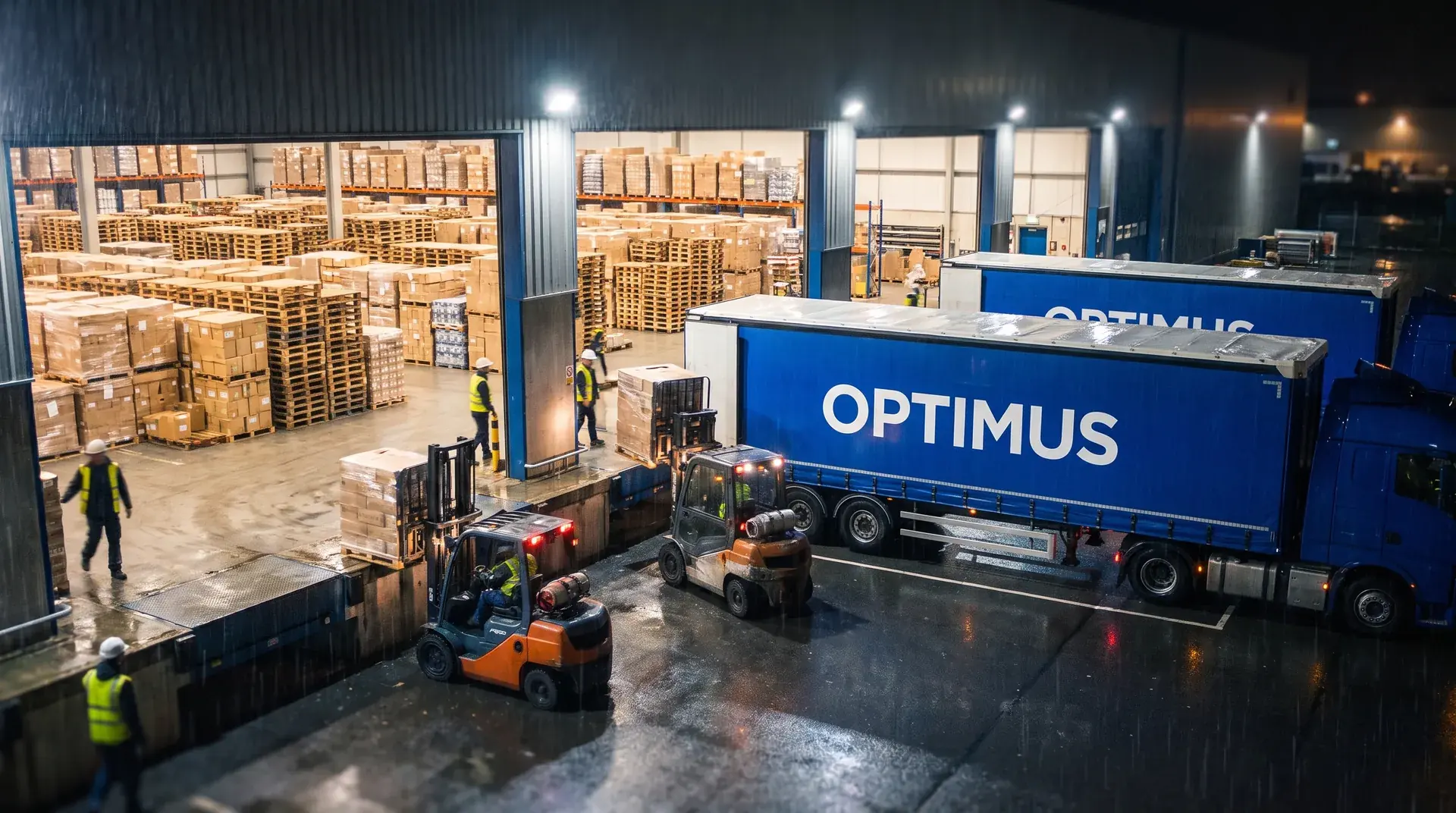
The second bottleneck is the consignee warehouse. Retail distribution centres stretch their queues for unloading slots in the peak, and a missing booking can turn a truck away from the ramp. Our Milton Keynes warehouse works as a buffer then: we take goods in early, store them and deliver exactly into the agreed window. More in the description of our warehousing services.
When to book and how to prepare
- Plan November and December shipments in October; the closer to Christmas, the less flexibility.
- Leave a buffer of a day or two for the crossing in case of storms instead of planning delivery to the hour.
- With groupage, stick to the regular consolidation days, because adding extra departures in the peak is often impossible.
- Prepare customs documents early: peak queues affect customs agencies too.
- If the deadline is critical, say so at booking, not after loading.
Groupage versus a full truck in the peak
In the fourth quarter the two worlds behave differently. A full truck competes for ferry space and for a driver, so booking ahead is the main tool. Groupage competes for space on a truck that will depart anyway: the consignment waits for the next scheduled line departure, and in the peak those departures fill faster and earlier. In practice that means with one or two pallets the thing that matters most is keeping to a steady shipping rhythm rather than hunting for a bargain.
What happens when the consignee has no slot
The truck arrives on time and the distribution centre has no free unloading window for several days. A full vehicle cannot wait, because its return is planned, so the goods go into the Milton Keynes warehouse and travel from there into the agreed window on a smaller vehicle. It is an ordinary solution, but it costs a transhipment and a day, which is why in the peak it pays to confirm the booking before the goods leave Poland rather than once they are on the ferry.
The most common mistake
Planning a December delivery as if it were March: one date, no slack, booking "to be arranged". One cancelled sailing or a queue at the ramp is enough to push the whole chain by several days, exactly when there is nothing left in the calendar to move. Two days of slack in November cost less than one day of delay in mid December.
How long standard transport takes outside the peak is covered in our article on transit time from Poland to the UK.
Planning fourth quarter shipments? Reserve space on our regular departures early via the contact form or see the destinations we serve.