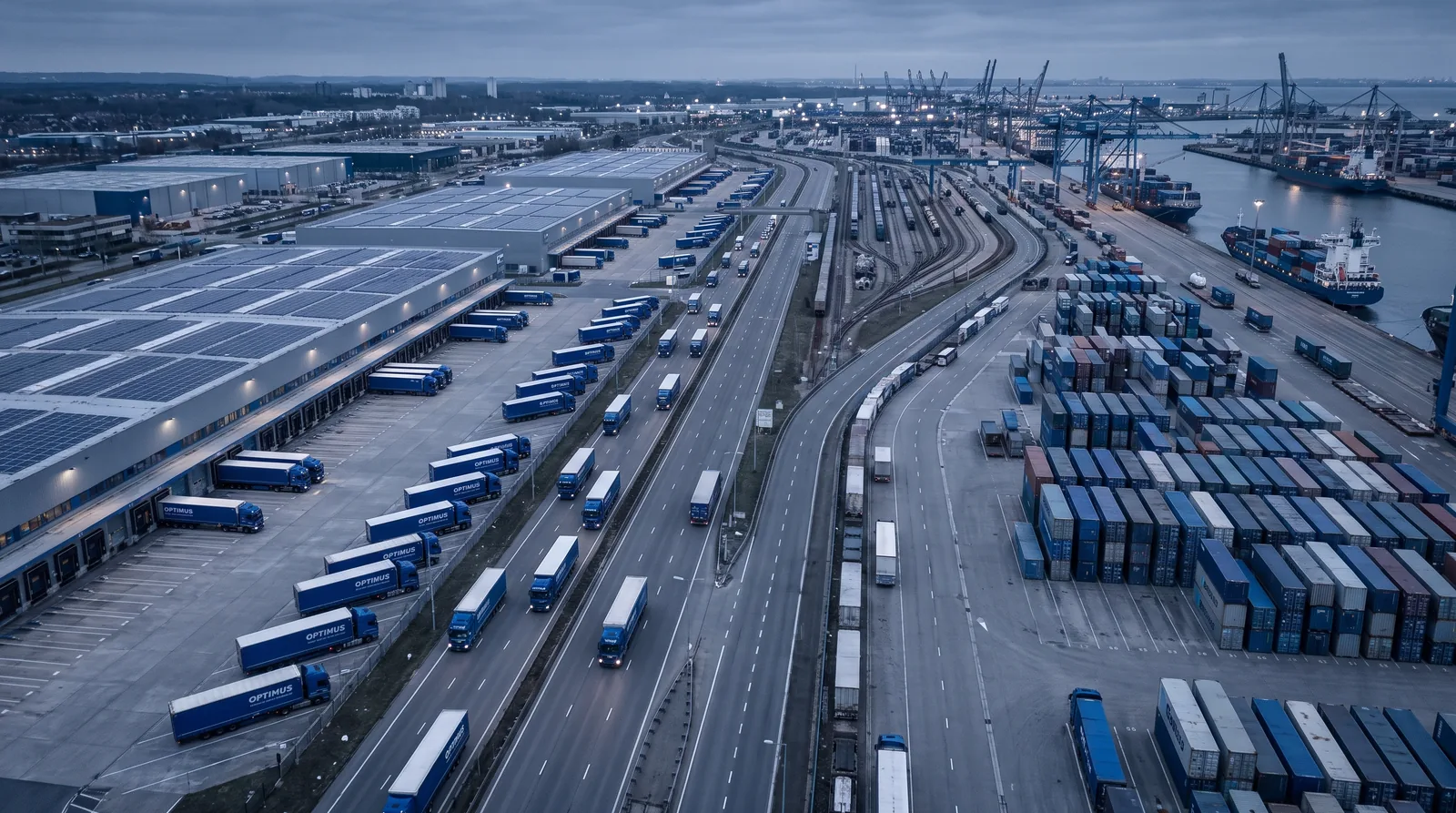
A freeport is a designated area around a seaport, airport or rail hub with special customs and tax zones. An authorised business brings goods in with simplified documentation and suspended duty, pays charges only when they leave for the UK market, and nothing on re-export. The UK runs twelve freeports. For TCA zero-tariff imports from Poland they usually change little.
What exactly does a freeport customs site give you?
Four things. First, duty suspension: goods brought into a customs site generate no charges until they leave the zone for the UK market. Second, simplified documentation on entry. Third, tariff inversion on processing: if imported components become a product with a lower rate, you can pay the finished product's rate on market entry. Fourth, no charges on re-export: goods that leave the UK after processing pay no British duty at all. The mechanics resemble a customs warehouse combined with inward processing, which we cover in customs warehousing explained.
Where are the UK freeports?
The programme covers twelve locations. In England: East Midlands Freeport, Freeport East with the ports of Felixstowe and Harwich, Humber Freeport, Liverpool City Region Freeport, Plymouth and South Devon Freeport, Solent Freeport, Teesside Freeport and Thames Freeport. In Wales: Anglesey Freeport and Celtic Freeport. In Scotland, two green freeports: Forth Green Freeport and Inverness and Cromarty Firth Green Freeport. The government publishes the list and the zone boundaries; before an investment decision, check the current register of customs sites, because the zones are precisely drawn and do not cover whole regions.
Who does a freeport make sense for, and who not?
The genuine beneficiary is a business processing non-EU goods in the UK: importing components from Asia, assembling in the zone and selling to the British market or exporting onwards. Duty suspension improves cash flow, and tariff inversion plus re-export can permanently cut costs. For a Polish exporter shipping finished goods of EU origin the customs gain is usually illusory, because the goods enter duty free under the TCA anyway, as described in our article on TCA rules of origin. Mind the origin question: EU components processed in a freeport zone into a British product follow UK rules on further export.
What does it change for transport from Poland?
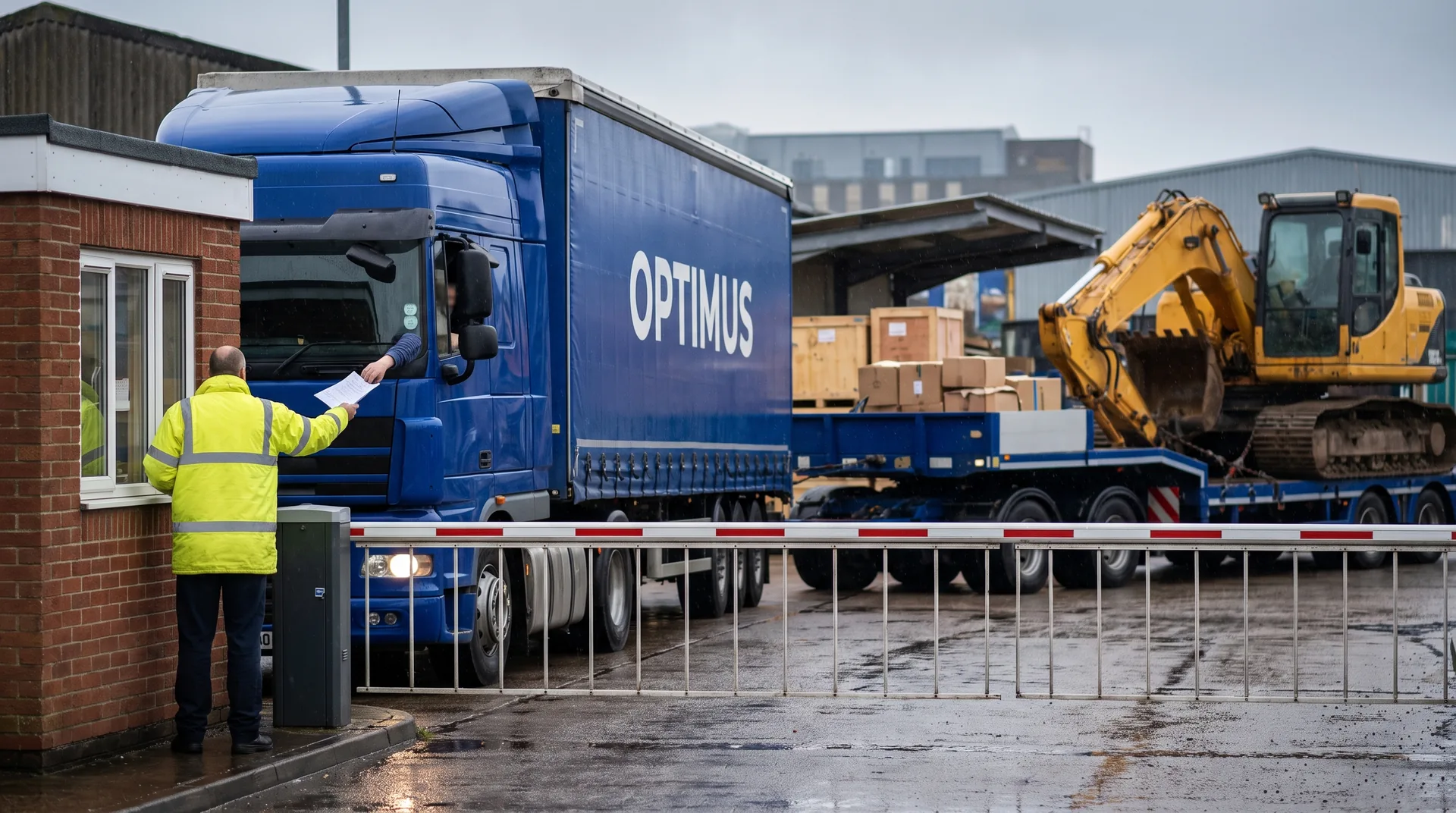
Operationally a delivery to a warehouse in a freeport zone looks like any other UK delivery: the crossing, the GMR, unloading at the address in the order. The difference sits in the documents: goods bound for a customs site travel under the procedure declared by the zone operator, and the consignee must hold a freeport customs special procedure authorisation. In practice this requires aligning the declarations between us, the importer and the zone operator in advance, exactly as with deliveries to a customs warehouse. We carry both groupage from 1 pallet and full loads, including to addresses inside freeport zones.
Freeport, customs warehouse or inward processing: which to pick?
The three tools partly overlap, so the choice depends on the business model. A customs warehouse gives pure duty suspension while goods are stored and suits stock waiting for sale without processing. Inward processing allows manufacturing with suspended duty at any location, but requires your own authorisation and procedure accounting. A freeport combines both effects on a designated site and adds documentary simplifications plus tax reliefs in tax sites, in exchange tying the operation to a specific location and an authorised operator. A company already renting a warehouse outside a zone rarely gains enough to relocate for customs benefits alone; a company building a new plant around non-EU component imports can gain a durable edge. Precede the decision with a calculation on your own flows, ideally with a UK-side customs adviser. The same goes for collections: goods leaving the zone for the UK market or onward export also travel on documents prepared with the operator in advance.
Sources
- UK Freeports: the official list of the twelve freeports (accessed 17 Aug 2026)
- GOV.UK: declaring goods entering or leaving a freeport customs site (accessed 17 Aug 2026)
Delivering into a freeport zone, or weighing up the model? Write via our contact form: we will align the transport and declarations with the zone operator.