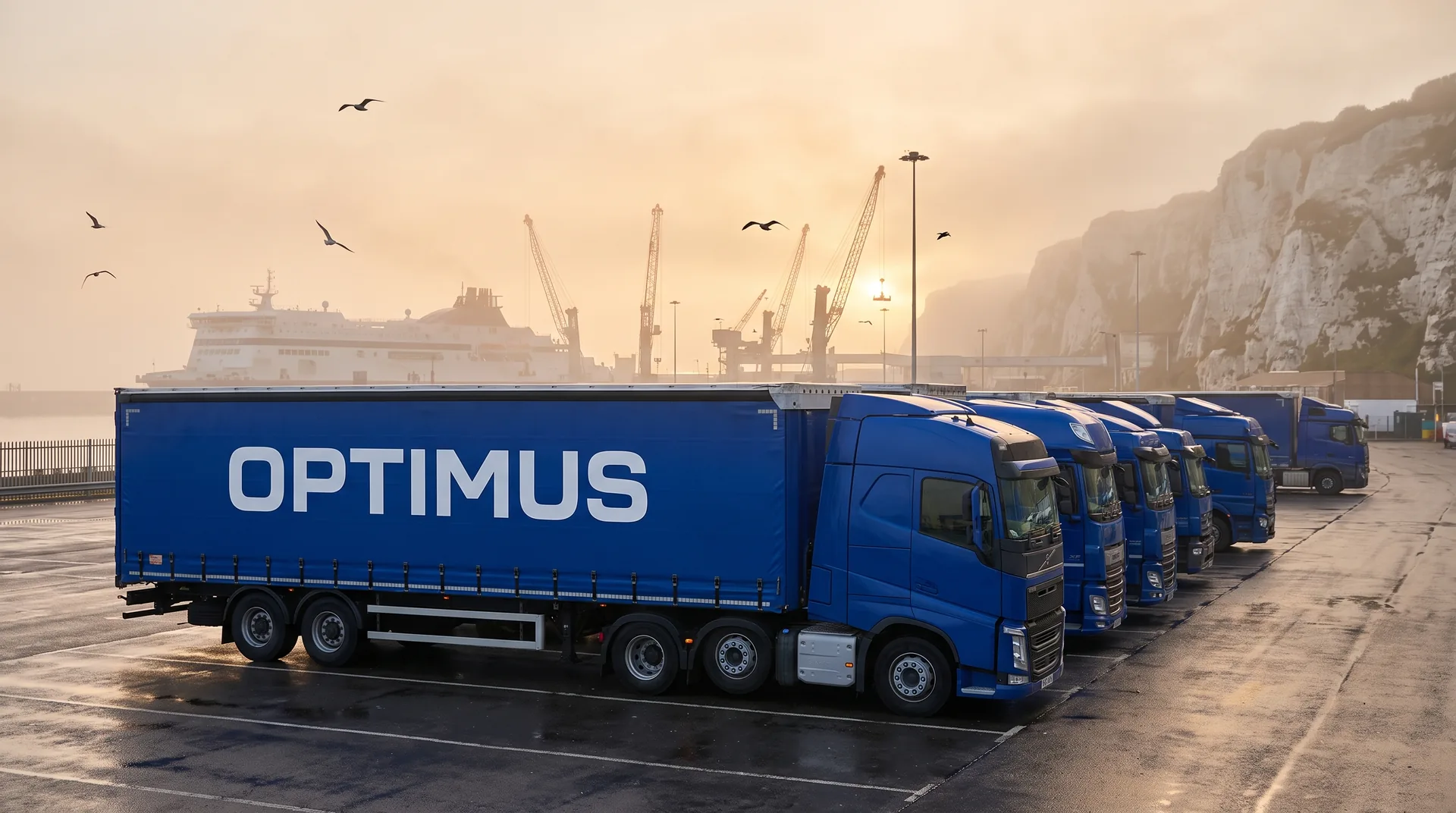
Border procedures are the set of checks and declarations a load must clear when crossing the EU customs frontier, most often in trade with the United Kingdom and non-EU countries. They include SPS sanitary and phytosanitary checks, digital goods-movement systems (GVMS and GMR in the UK, PBN in Ireland), France's SIVEP and temporary admission on an ATA carnet. Each has its own scope, its own timing and its own responsible party.
Overview: four families of procedure
Border procedures are easier to grasp when split into families. The first is SPS checks, sanitary and phytosanitary: examining goods of animal and plant origin for health, the certificates required, a visit to a designated border control post. The second is goods-movement systems: digital declarations that bundle several filings into one reference and decide whether a vehicle can board a ferry or shuttle. The third is destination-specific national procedures, such as France's SIVEP or Ireland's PBN. The fourth is temporary admission, when goods cross the border only briefly and must return, handled with an ATA carnet.
SPS checks (sanitary and phytosanitary)
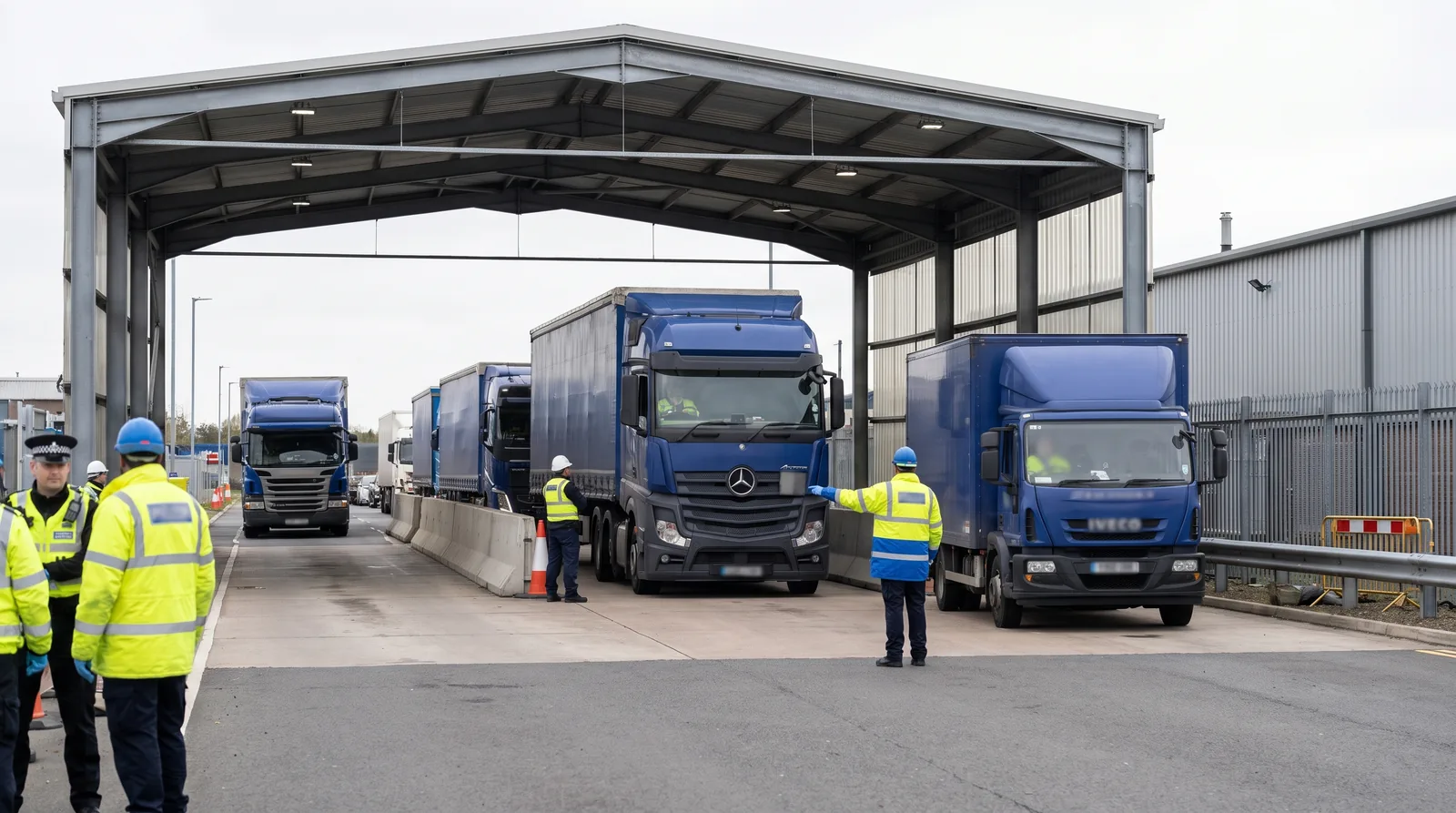
SPS checks concern the health of goods, not their value. They apply above all to products of animal origin, plants and plant products, and sensitive food. Before such a load crosses, it needs the correct certificates (a health certificate, for example), advance pre-notification in the importing country's system, and routing to a designated border control post, where documentary, identity and, where needed, physical checks take place. On the UK side we cover this regime in the article on SPS checks on food and plant imports to GB. On the French side, SIVEP is responsible. Scope and thresholds depend on the importing country and the category of goods, so each direction must be checked on its own.
Goods-movement systems: GMR, GVMS, PBN
The second family is digital movement filings that bundle customs declarations into one reference tied to the vehicle. At the UK border this is done through GVMS, and the reference the driver must hold before boarding a ferry or shuttle is the GMR. How this works in practice we cover in the article on GVMS at the GB border. Ireland runs its own equivalent, the PBN (Pre-Boarding Notification), which must be filed before boarding a ferry to an Irish port. The choice of route to Ireland, a direct ferry or the landbridge through Great Britain, matters here, and we set it out in the article on transport to Ireland. The common denominator is simple: without a valid movement reference, the vehicle does not board.
Temporary admission and the ATA carnet
The fourth procedure concerns goods that cross the border only briefly: exhibition stands, professional equipment, samples. Instead of paying duty and tax and reclaiming it on return, you use an ATA carnet, the international temporary-admission document. The truck enters, the goods are shown at a fair or used for work, then return complete, with no charges due. The condition is hard: the goods must come back unaltered and on time. This is the usual route for exhibition logistics to non-EU countries, including the United Kingdom.
When each procedure applies to you
Procedures overlap, so one shipment can need several at once. Moving cheese to France triggers SPS and SIVEP, plus a movement filing at the crossing. Sending machinery to a London trade fair combines an export declaration, GVMS and GMR on the UK side, and an ATA carnet for the temporary entry. A pallet delivery to Dublin by direct ferry needs a PBN. The practical rule: first establish the direction and the nature of the goods (are they SPS-sensitive, do they return), then assemble the full set of procedures, not the other way round.
Who is responsible for what
Responsibility is spread out, and that is the source of most problems. The party that files the declarations is responsible for their data, usually the importer, exporter or a customs agent acting for them. The sender and producer are responsible for holding the correct SPS certificates. The carrier and driver are responsible for the vehicle physically holding a movement reference before boarding. When these roles are not clearly assigned, everyone assumes someone else did it, and the load stops at the border. Tying these roles into one clearance is the freight forwarder's job, which we run as part of customs clearance and, more broadly, our services.
What you lose if you skip it
A missed border procedure does not end in a fine to pay later. It ends at the border. Without a movement reference the driver does not board and loses the booking, and the next free crossing can be hours away. Without an SPS certificate a load of animal or plant origin is held at the control post, and sensitive goods, chilled cargo for instance, can be sent for destruction once they exceed the allowed time or temperature. Every hour of standstill costs money: driver, trailer, reefer, contractual penalties for late delivery and a missed window at the consignee. In practice the most expensive part is not the error itself but that it only surfaces at the border, when there is no time left to fix it.
What we do differently
Most carriers treat border procedures as an add-on to transport: they haul the load and leave the paperwork to the client or a random agent. We treat them as part of the job. Before the load moves, we establish the direction, the nature of the goods and the full set of required procedures, assign responsibility for each document and check that the movement reference is ready before the crossing, not on the ferry ramp. The difference is not cosmetic: it decides whether the truck moves on or stands. We do not guess a specific country's thresholds or rates, because they depend on the goods and the direction; we verify them for the shipment in hand.
Traffic scale: according to Getlink, close to 1.2 million trucks crossed the Channel through the Eurotunnel in 2024; at that volume, any missing document means a real queue at the crossing (source: Getlink).
How we work and what happens next
Sources
- GOV.UK: register for the Goods Vehicle Movement Service (GVMS)
- Revenue.ie: Pre-Boarding Notification (PBN) for traffic to Ireland
- GOV.UK: apply for an ATA carnet
- GOV.UK: IPAFFS — notifying consignments of animals, food and feed
- GetLink: Channel Tunnel shuttle traffic statistics
We run transport and clearance together so border procedures are not no-one's land. We match the full set of formalities to the direction, keep the SPS certificates in order, file the movement in GVMS or PBN, handle the ATA carnet for temporary admission and synchronise it with the crossing booking. Related topics we set out in the articles on SPS checks in GB, GVMS and transport to Ireland. Have a load crossing the customs frontier and want it to clear first time? Describe it in the contact form and we will run the transport and the procedures together.