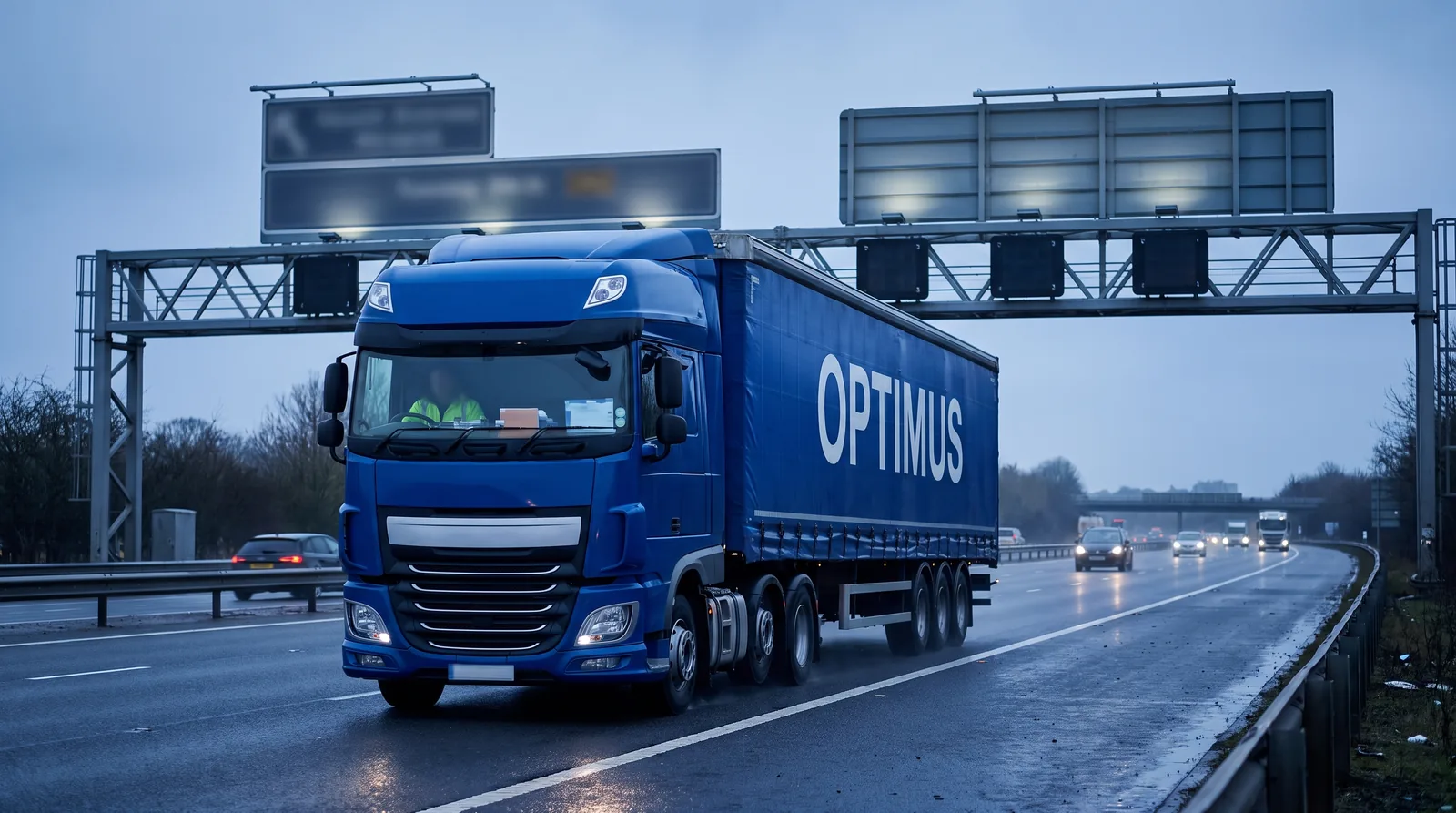
The EU-UK Trade and Cooperation Agreement (TCA) lets a Polish carrier on a Community licence perform bilateral transports between the EU and the UK and transit without extra permits. After entering with a load and unloading it, the carrier may perform at most two cabotage jobs on United Kingdom territory within 7 days. Entering empty gives no cabotage rights at all, and jobs from the UK to a third country require an ECMT permit. These limits are hard and enforced.
What exactly does the Community licence allow?
- Bilateral carriage: loading in the EU, unloading in the UK or the reverse, with no limit on the number of runs.
- Transit across UK territory, for example on the way to Ireland.
- Up to two cabotage jobs after unloading an international load, within 7 days of that unloading, with the same vehicle.
Everything else sits outside the list: a third domestic job, cabotage after entering empty, carriage from the UK to another country. For those operations a Polish carrier needs an ECMT permit, of which the pool is limited, or simply does not perform them.
How are the two jobs counted in practice?
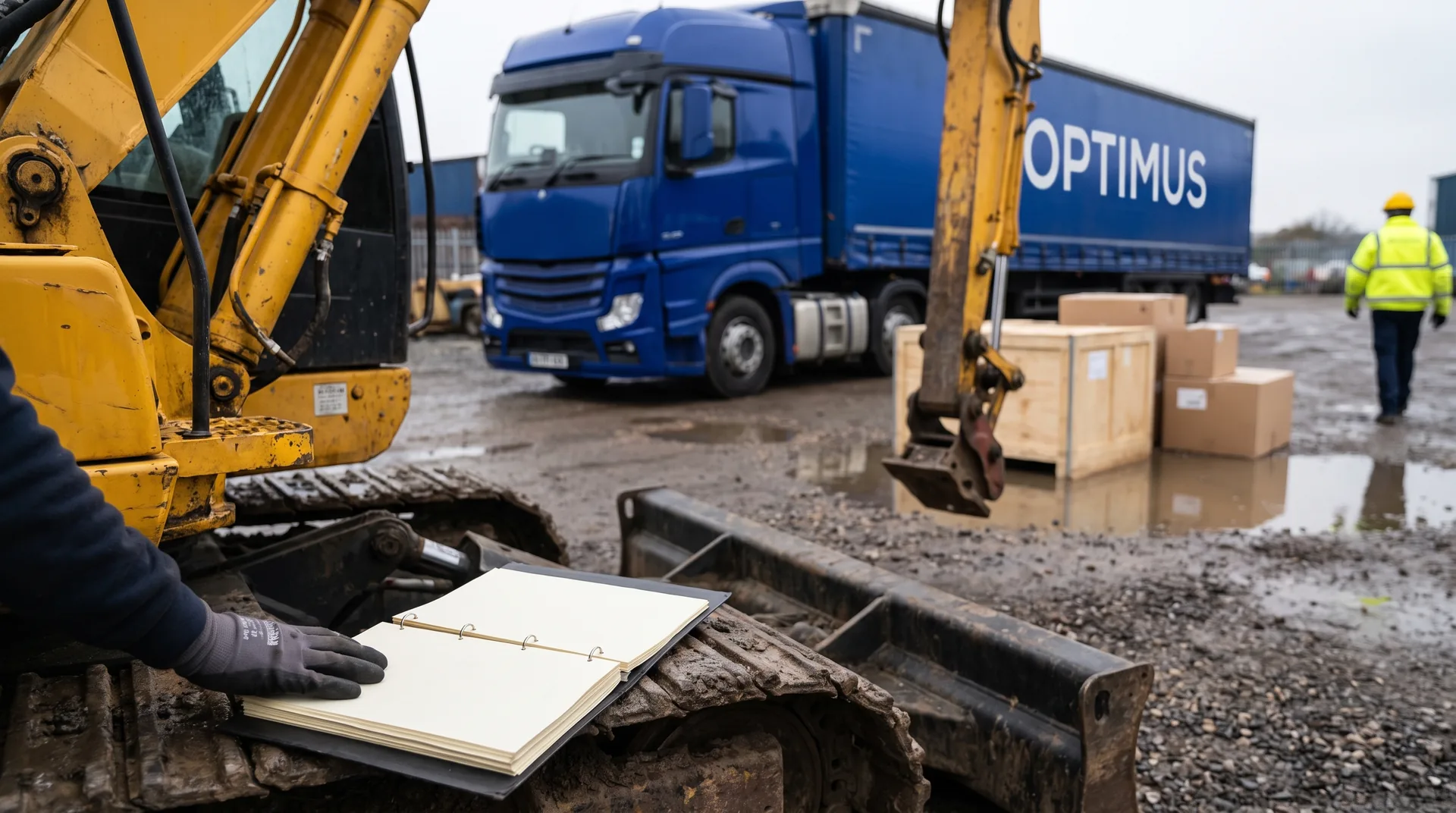
The clock starts at the moment the load brought from the EU is unloaded. From then the vehicle has 7 days for at most two domestic operations in the UK, and each must have its own paperwork: order, consignment note, proof of unloading. A roadside DVSA check asks exactly this: when did you enter, what did you bring, how many domestic jobs since. Missing documents for one of the runs means a penalty and an immobilised vehicle, and repeat offences mean entry problems for the whole company. Document discipline here is not excess caution; it is the condition of doing the work.
And the other way round: a UK carrier in the EU?
The symmetry is incomplete. A British carrier may, after an international delivery, perform two additional operations in the EU in total, but at most one of them may be cabotage, within 7 days of unloading and in the country where the load was delivered. An exception applies to Northern Ireland operators on the island of Ireland. This difference in limits is one reason the British fleet appears less often deep in the continent since Brexit, and most Poland to UK traffic is carried by EU vehicles.
What do these limits mean for the client?
Three practical things. First, distribution inside the UK with a Polish truck is possible, but in a narrow window: two domestic runs in 7 days. We plan them as an extension of the international delivery, for example a two-drop distribution from our warehouse in Milton Keynes after the main load is off. Second, regular distribution around the Isles needs a different model: a warehouse buffer in MK plus planned international departures, rather than stretching the cabotage limit. Third, an offer of cheap, rolling UK domestic work from an EU carrier should switch a warning light on: either somebody counts their runs very carefully, or not at all. How to check a carrier is covered in our article on fake carriers from freight exchanges.
How do we use these rules?
Our model is built around them, not beside them. The main stream is bilateral Poland to United Kingdom transport with our own fleet, described in the article on what we drive to the UK. Final distribution around the Isles runs from the Milton Keynes warehouse, and we use cabotage where it fits the limit: two planned domestic deliveries after an international unload, with full paperwork for each. The client gets a legal supply chain that does not fall apart at the first DVSA check.
Which cabotage myths still circulate on the market?
Three misunderstandings come back in conversations regularly. First: owning a warehouse in the United Kingdom grants domestic transport rights. It does not; the cabotage limit attaches to the vehicle and its loaded entry, not to the carrier's infrastructure. Second: vans are outside the limits. They are not; the TCA rules cover commercial carriage regardless of vehicle weight, so a van on Polish plates follows the same cabotage rules as a tractor unit. Third: driving to Ireland across UK territory uses up the limit. It does not; transit is not cabotage, because no goods are picked up or delivered on British territory. Knowing these boundaries lets you plan distribution without nervous improvisation and without offers that look good only until the first inspection.
Sources
- GOV.UK: transporting goods into the UK as a non-UK operator
- GOV.UK: haulage jobs inside an EU country for UK operators
Planning deliveries with distribution around the UK? Write via the contact form: we will build the chain with a Milton Keynes buffer and cabotage only where it is legal.