Most cargo theft on the spot market starts at a desk, not in a car park. The criminal impersonates an existing carrier or sets up a shell company, takes a load from a freight exchange, sends a truck and dissolves together with the goods. Electronics, clothing, cosmetics and alcohol heading for England are favourite targets because they sell fast. What stops this is dull, consistent verification before loading, not intuition.
What does a typical disappearance look like?
- On a Friday afternoon an attractive UK load appears on the exchange. Time pressure works for the fraudster.
- A company with good ratings bids: a stolen profile, or a dormant firm bought for its history.
- Documents arrive quickly and look right: licence, liability policy, registry entries. All genuine, all belonging to somebody else.
- An unmarked truck arrives for loading, or one with plates different from those announced. The driver has an explanation ready.
- The goods leave the gate and cease to exist: the phone goes silent, e-mails bounce, and the real company that was impersonated hears about the order for the first time.
Why does the England route attract fraud?
For three practical reasons. A UK load usually carries high value per pallet. The Channel crossing creates a natural dozen hours of silence in which nobody expects contact with the driver, so the alarm is raised late. And spot market subcontracting chains mean several companies can sit between the cargo owner and the actual driver, none of which has ever seen the others. How that chain works, and what it does to liability, is the subject of our article on why we do not buy loads on freight exchanges.
How do you verify a carrier before loading?
- Call the company on the number from its official website or the registry, not the number in the advert, and confirm the order exists.
- Compare the e-mail domain character by character with the company domain; a single swapped letter is the classic tell.
- Check the Community licence number in the national road transport register and match the name, tax number and address against the order.
- Ask for the liability insurance certificate and verify the policy with the insurer or broker, not just on the PDF.
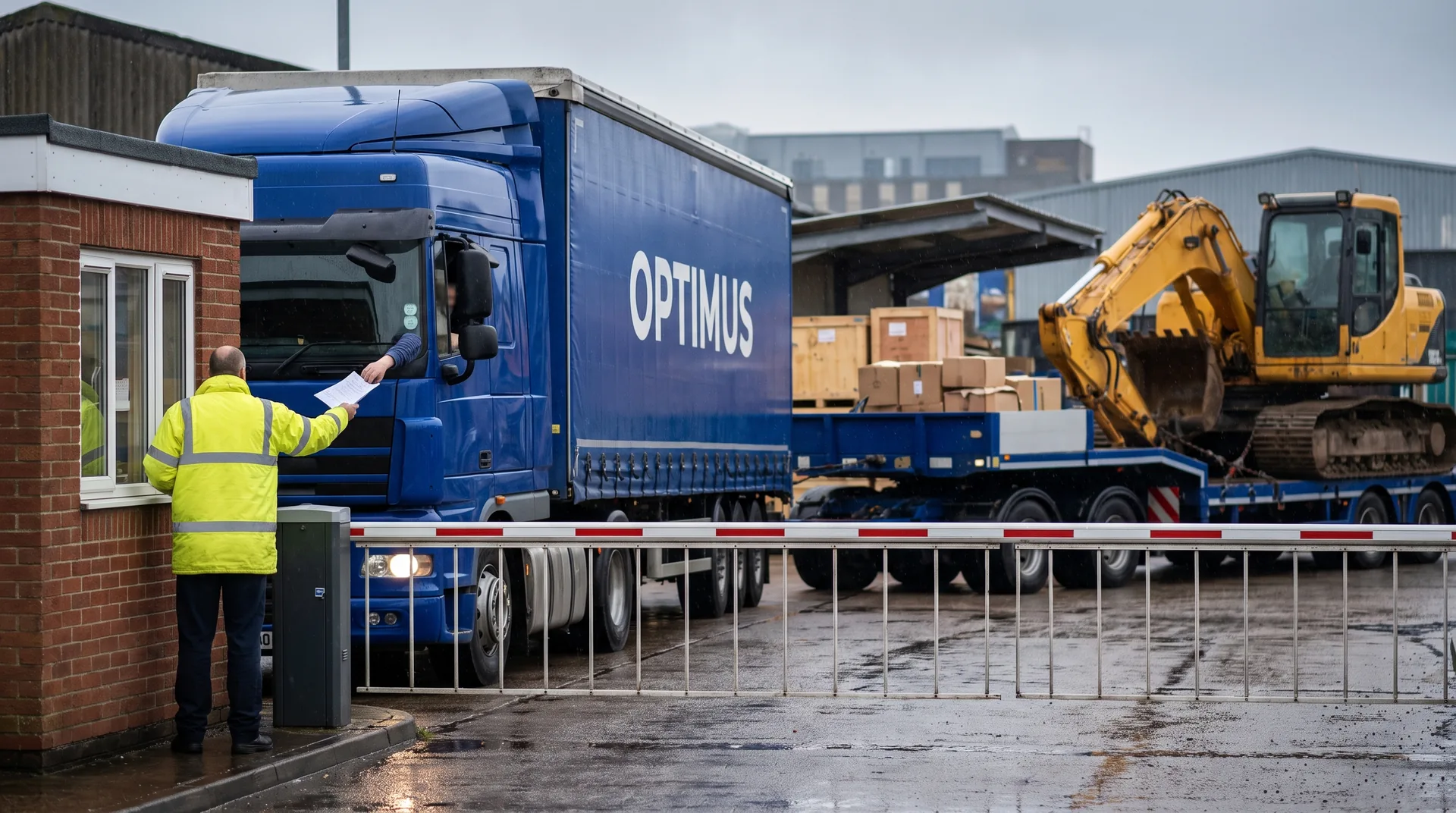
- Before loading, record the tractor and trailer plates and the driver's details; any mismatch stops the loading.
- Distrust rates clearly below market and pressure for an instant decision.
What if the load has already gone?
The first day counts. Report the theft to the police in the country of loading and preserve everything you have: correspondence, documents, numbers, gate camera footage. Notify the CARGO insurer if the goods were insured, and the exchange through which contact was made. Tell the impersonated company too: it often holds the most data about earlier attempts. Realistically, recovered goods are the exception, which is why the whole weight sits in prevention.
How do we solve this problem?
In the simplest way available: there is no chain to hijack. Goods travel on our own trucks with our own drivers, the client receives the registration plates and driver details before loading, and one person watches the vehicle's position throughout the carriage. Before the goods leave, it is known who carries them, in what and where to. What that fleet looks like is described in our article on what we drive to the UK.
Which warning signs are easy to miss?
A few flags repeat across case descriptions often enough to know them by heart. A young company with a surprisingly rich rating history: the profile may have been bought together with the firm. A liability policy issued days before the order, or expiring mid-carriage. A bank account or contact person changing just before loading, with correspondence drifting from the company domain to a messenger app. A driver who knows nothing about the order his firm supposedly accepted. And the classic: pressure to decide now, because the truck is about to leave the area. None of these alone proves fraud, but two together should stop the loading until things are explained. Verification costs fifteen minutes; a criminal case over a vanished load can run for years and usually ends without the goods.
Sources
Rather not test anti-fraud procedures on your own goods? Write via the contact form: our fleet performs the carriage, and you get the truck plates and driver details before loading.