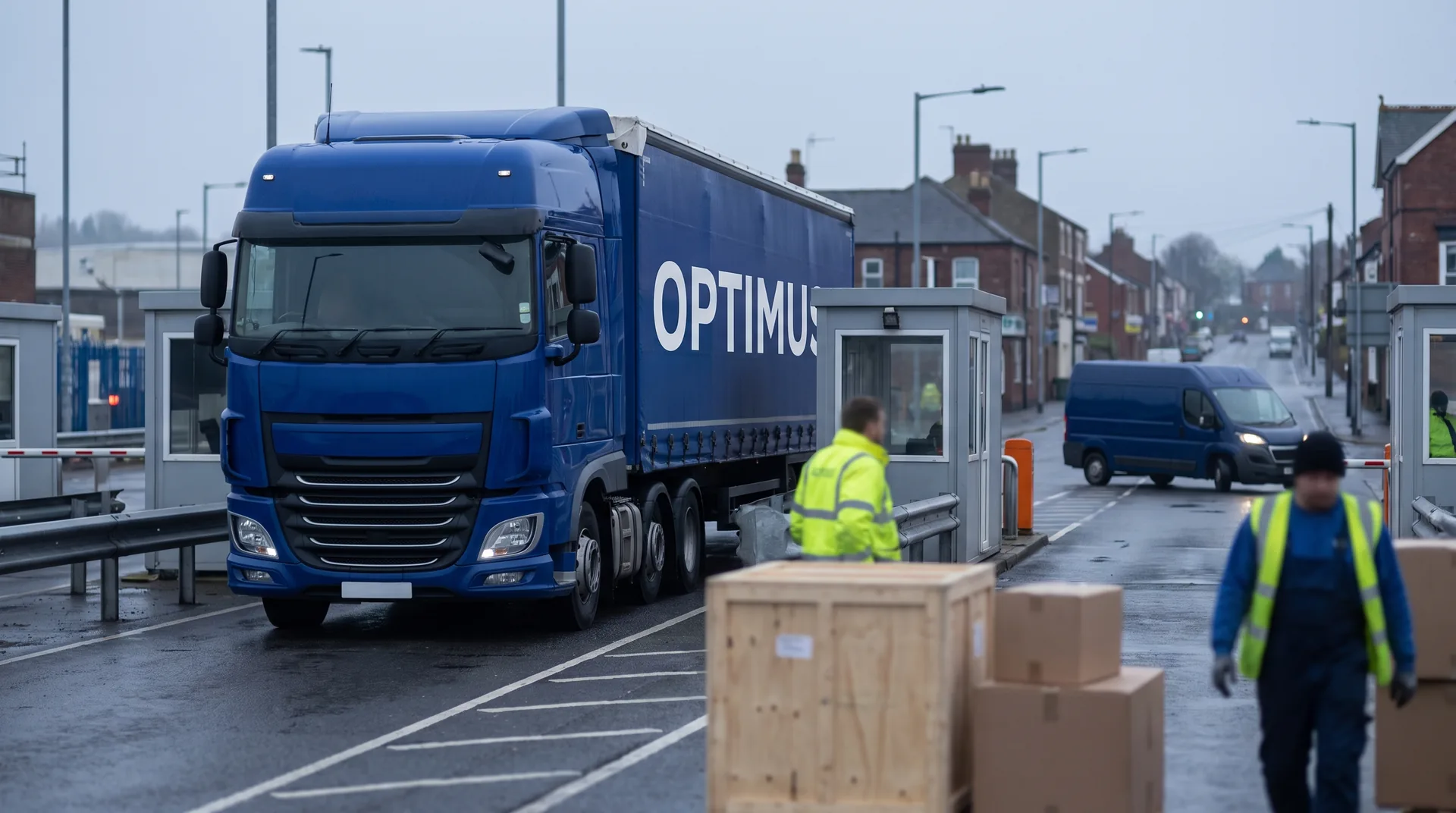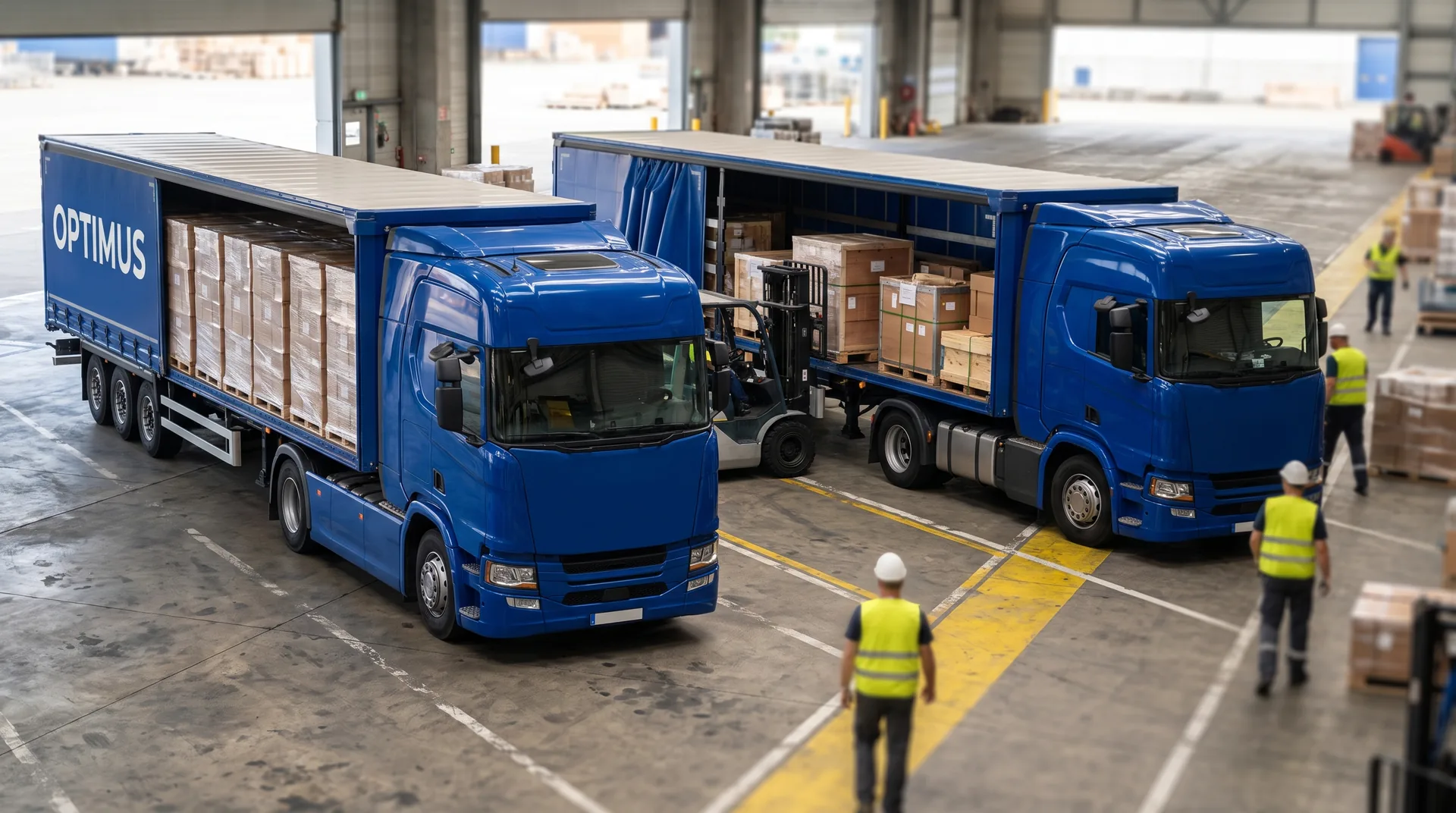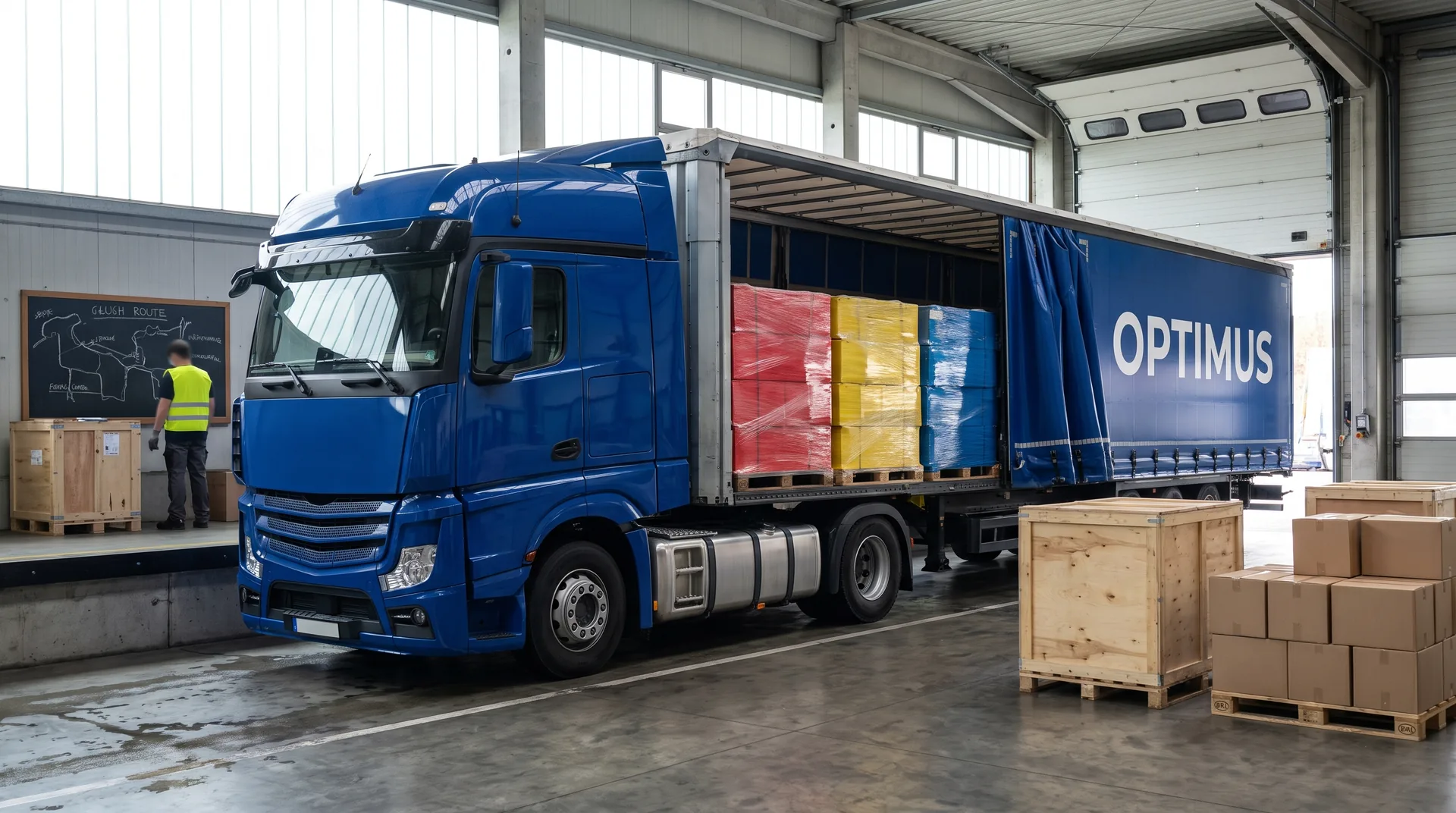
One vehicle can serve several Amazon sites in a single run, but nothing except the vehicle is shared. Each destination has its own delivery appointment, its own bill of lading and its own set of numbers. Amazon consolidates orders into one shipment only when they travel from the same pickup location to the same site with the same required delivery date.
Why one shipment splits across several sites
The seller plans the shipment in their account and Amazon nominates the sites the goods should go to. With larger volumes and a broader range, one address is rarely the answer. From the seller's point of view this is a single commercial event. From the transport side it is several independent deliveries that happen to start at one warehouse on one day.
That difference in perspective is where the misunderstandings start. A customer asks for "an appointment on Tuesday", and Tuesday has to be booked three times, at three sites, with three sets of numbers. Availability at each depends on how busy that particular building is, so the tidy arrangement where three appointments fall in sequence on one day happens less often than it looks on paper.
What does not combine
- Appointments. A separate Carrier Central request per site, each with its own pallet and carton counts.
- Bills of lading. Amazon merges orders into one document only when pickup location, destination site and required date all match. A different site means a different consignment.
- Shipment IDs. A box may belong to only one shipment, so a pallet cannot carry goods bound for two sites.
- Non-FBA freight. Amazon forbids combining FBA goods with other customers' orders in one shipment.
The transport paperwork splits along the same lines on our side: a separate CMR note per consignment, except where a single contract covers a single consignee. We unpack that in the article on whether consolidation to the UK takes one CMR or several, and the numbers themselves in the piece on shipment and appointment references.
The drop order sets the loading order
This is where the technical difficulty sits. Amazon unloads from the rear of the vehicle only and does not allow side unloading. So the freight for the first site must stand nearest the doors and the freight for the last one against the headboard. The order cannot be fixed on site, because reaching a pallet deep in the trailer means unloading everything in front of it, and an Amazon dock has neither the room nor the time for that.
Geometry adds its own rules. Pallets are loaded with the short side facing the rear, thirty centimetres must remain between the load and the roof and another thirty between the last pallet and the rear of the vehicle so the dock leveller fits. Pallets loaded with the long side facing the rear appear on Amazon's documented list of reasons for refusing a delivery.
The practical consequence is that the route plan is made before loading rather than after, and that changing the order of sites once the trailer is closed means rebuilding the load. Sorting pallets against that plan is covered in the article on sorting pallets by destination site.
How many drops fit into one day
There is no fixed answer, because three variables decide: how far apart the sites are, how the granted appointments fall, and the driver's hours. A realistic plan is built from the appointments outwards. Only once Amazon confirms the times is it clear whether three drops fit into one day or the second unload lands tomorrow. That is why we do not promise a number of stops before the appointments are confirmed.
Geography helps or hurts in a very concrete way: sites in the central England band can usually be worked in one day, while a point in Scotland or the south west normally opens a second day. How the network is spread is described in the article on Amazon's UK warehouse network.
When one appointment fails and the rest hold
This is the most common real problem on a multi-drop run. Losing one appointment must not block the others, otherwise one bad hour costs three deliveries instead of one. The fix is simple: the pallets for the site the vehicle will miss come off at our warehouse in Milton Keynes, the vehicle completes the remaining drops inside their windows, and the held batch travels later as a separate delivery on a new appointment. The recovery procedure is in our pieces on running late for an appointment and on a missed delivery window.
Sources
- Amazon Seller Central: bill of lading, vehicle loading and reasons for delivery rejection
- Amazon Seller Central UK: booking a delivery appointment
Goods for several sites and one collection date? Describe the delivery in our quote form and we will plan the run together with the drop order. The scope is on our Amazon UK deliveries page.