Safe food storage means keeping goods clean, separated and at the right temperature, handled by people who know why it matters. We keep our Milton Keynes warehouse to a cleanliness regime suitable for food loads, we claim no certificates or implemented systems for it, and we confirm the handling scope for each product individually. Below we explain hygiene, separation, temperature and the checks worth asking any warehouse about, including us.
Hygiene: the floor a food operation stands on
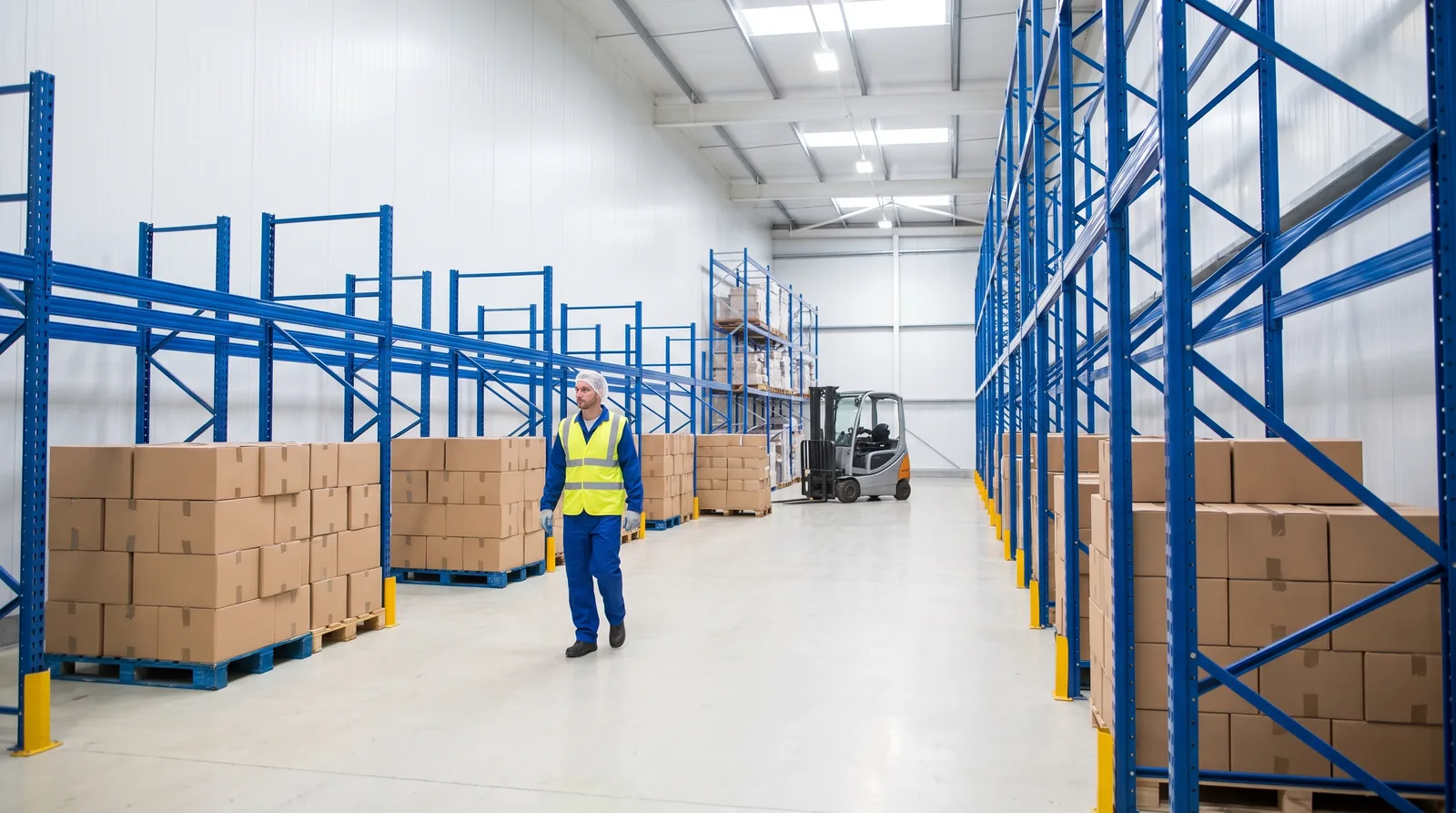
Food-safe handling starts with cleanliness that is planned, not hoped for. Surfaces and equipment that touch food or its packaging are cleaned on a schedule, with records. Staff follow hygiene rules on clothing, handwashing and reporting illness. Waste is controlled so it never sits near stored food. Pest control is active and monitored, because a single infestation can condemn a batch. None of this is glamorous, and that is the point: food safety is built from routines done the same way every day, not from a single grand measure.
Separation of goods: keeping food apart from risk
The fastest way to ruin food in a warehouse is to store it next to the wrong neighbour. Food-safe operations separate goods: food away from non-food, especially anything with strong odours, chemicals or cleaning agents that could taint it; allergen-bearing goods managed so they do not cross-contaminate others; raw and ready-to-eat kept apart where both are handled. Separation is physical and procedural at once, using marked areas and a picking discipline that stops the wrong pallet moving. It is the same discipline a hold and quarantine rely on, covered in the article on quarantine, hold and release.
Temperature control: the chain that cannot break
Much food is only safe within a temperature range, and every hour outside it counts. Chilled and frozen goods need the cold chain held from arrival, through storage, to dispatch, with readings recorded so a gap is visible rather than guessed. We run temperature-controlled storage and cold chain checks as described in the article on the cold storage warehouse in the United Kingdom. Ambient food still needs a stable, dry, controlled environment: heat, damp and condensation spoil dry goods and packaging just as surely, only slower.
HACCP: the system your consignee will ask about
HACCP is the framework the food industry is organised around. Instead of inspecting problems after they happen, it identifies where hazards could enter (contamination, temperature loss, pests, foreign bodies, allergen cross-contact), decides the points where each must be controlled, sets what being under control looks like, and records that it was held. The UK Food Standards Agency sets out this approach for food businesses. We describe it because it is the language your consignee speaks and worth knowing before you talk to a retailer. We do not claim an implemented and verified HACCP plan or food business registration of our own: we run the routines described above and document them, and if your consignee needs a certified food store we will say so plainly.
Handling: repacking and recovery without breaking food safety
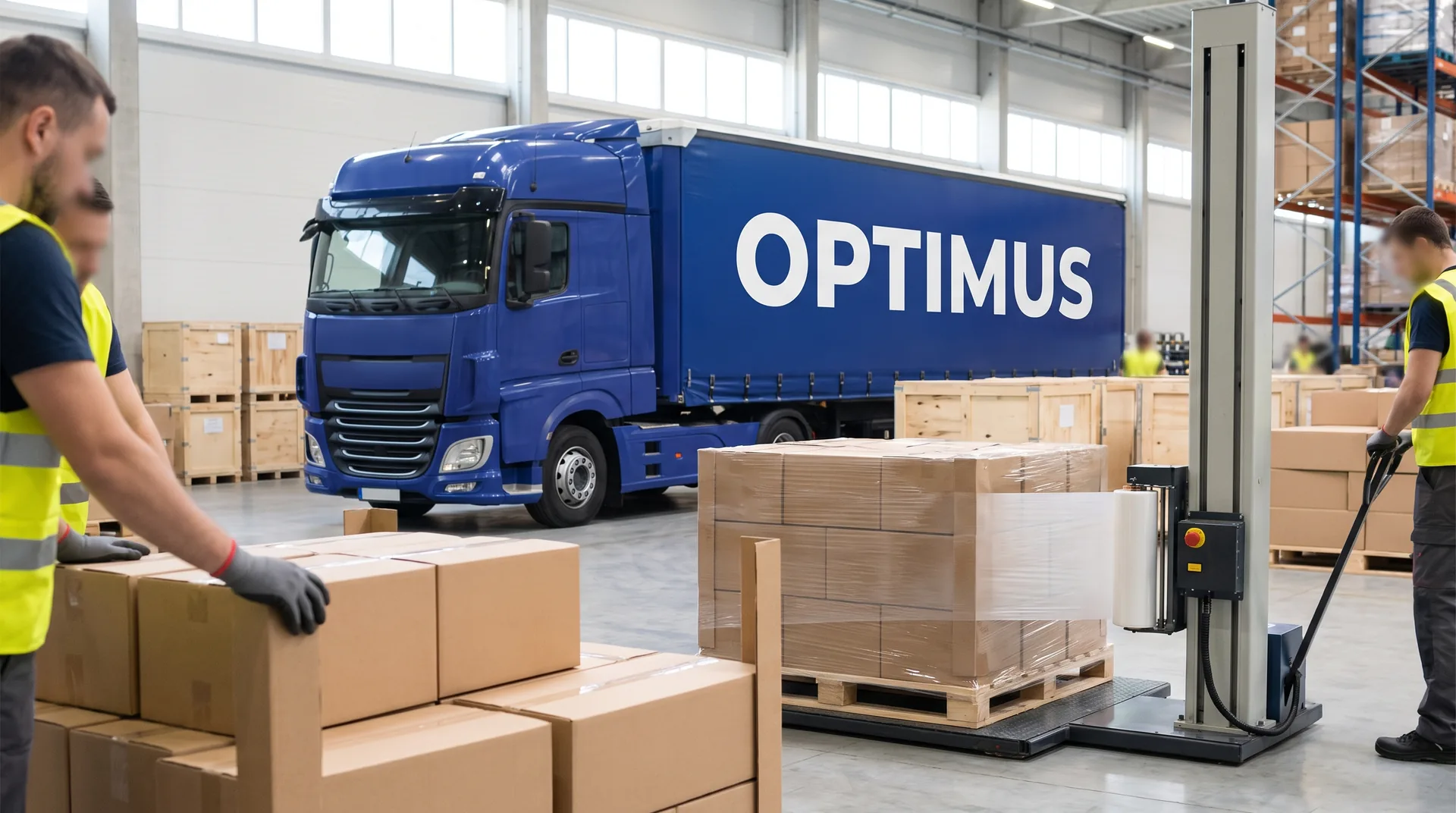
Food often needs work in the warehouse, not just storage: repacking into new outer cases, re-palletising, relabelling, or recovering a load after a transport problem. Doing this without putting food safety at risk means clean handling areas, controlled materials and no shortcut that could contaminate the product. Food-grade repacking is covered in its own article on repacking in a food-grade UK warehouse. Where a food load arrives after a trailer breach, the sanitary inspection in the article on sanitary inspection of food cargo after a breach decides what stays in the food chain.
Hygiene inspections in the UK
In the UK, food businesses are inspected on hygiene by environmental health, and the Food Standards Agency food hygiene rating scheme expresses the result of official inspections as a public rating. That regime sets the bar for everyday warehouse routines: cleanliness, separation of goods, temperature records and pest control. We organise our day-to-day work in Milton Keynes against that bar.
Honest position on certification
We state this plainly so no one is misled: we do not present ourselves as a certified food storage facility. We keep the Milton Keynes warehouse to a cleanliness regime suitable for food loads, and we confirm individually, before dispatch, whether we can accept a given product and to what extent we can handle it. That way the description of the service always matches reality.
Where we do it
We store and handle food in our Milton Keynes warehouse between London and Birmingham, within our warehousing and cargo handling services. It sits alongside the wider value-added services in the article on the Milton Keynes warehouse and value-added services, and connects to inspection work such as cargo contamination inspection in the UK when a food load needs checking before it moves on.
Sources
- FSA (food.gov.uk): hazard analysis and critical control point (HACCP)
- FSA (food.gov.uk): the food hygiene rating scheme
- European Commission: food safety (hygiene and controls)
Need food goods stored and handled in the UK? Describe your load in the contact form and we will explain how we would store it, hold the temperature, keep it separated and document the handling.