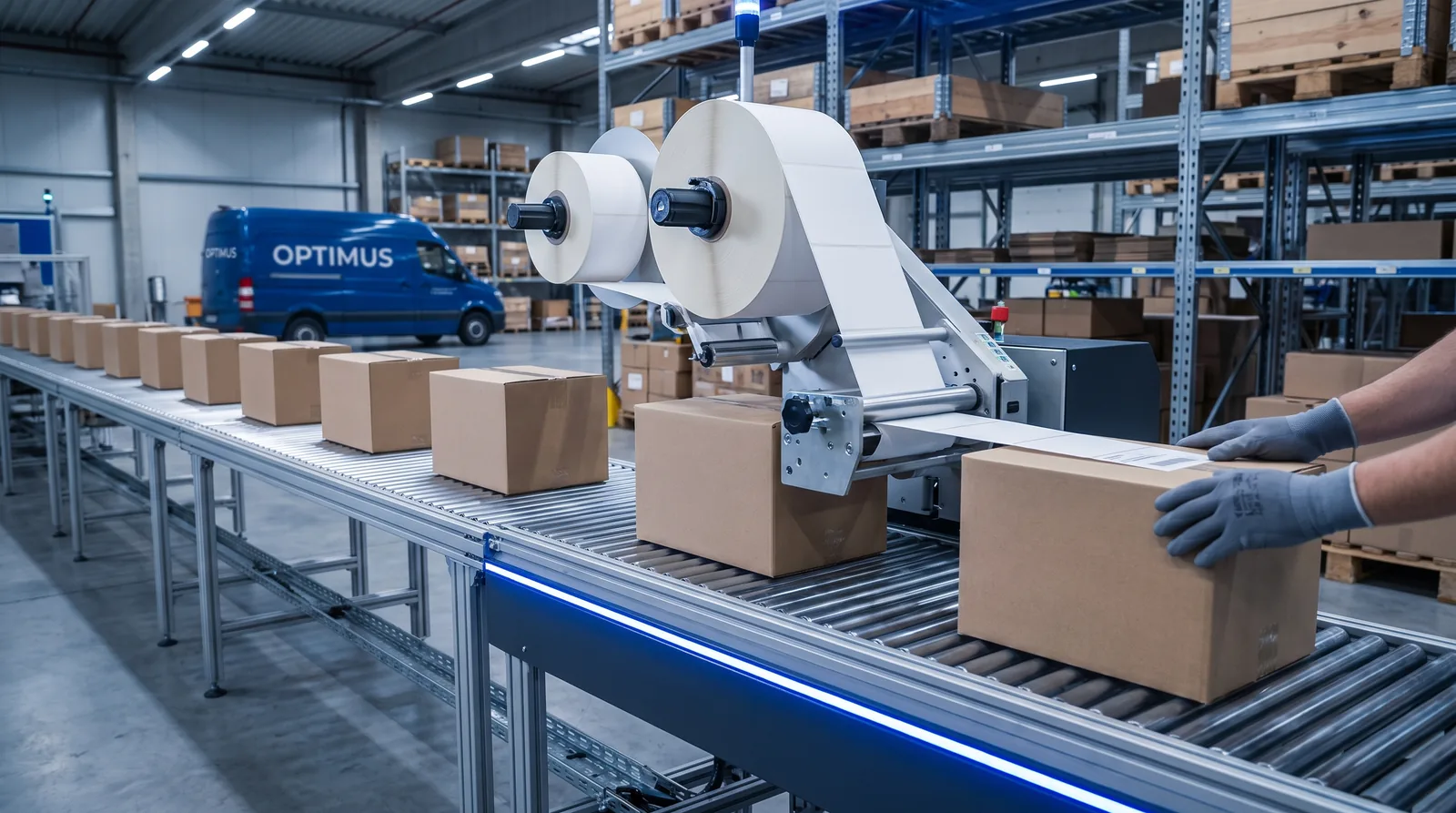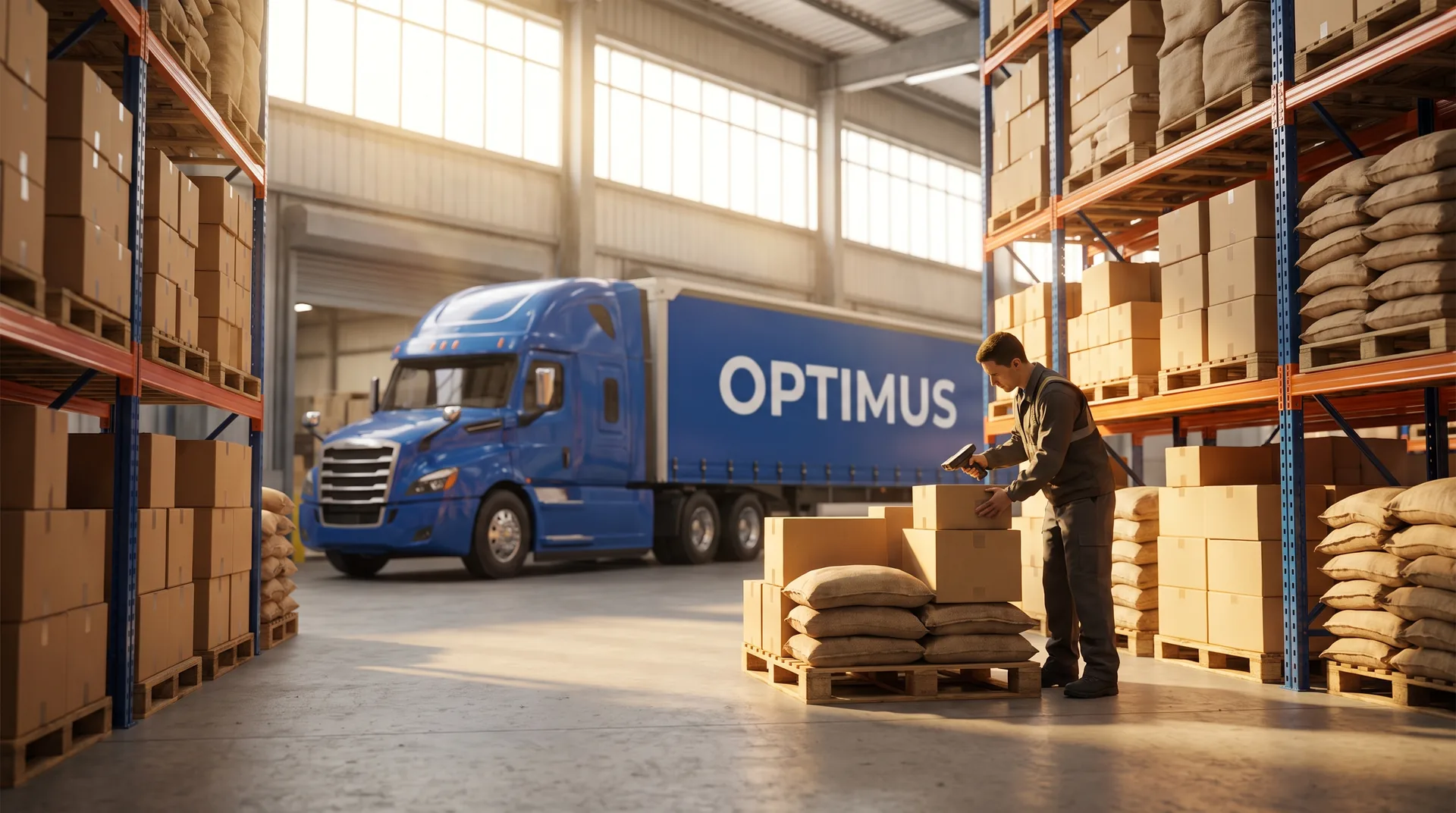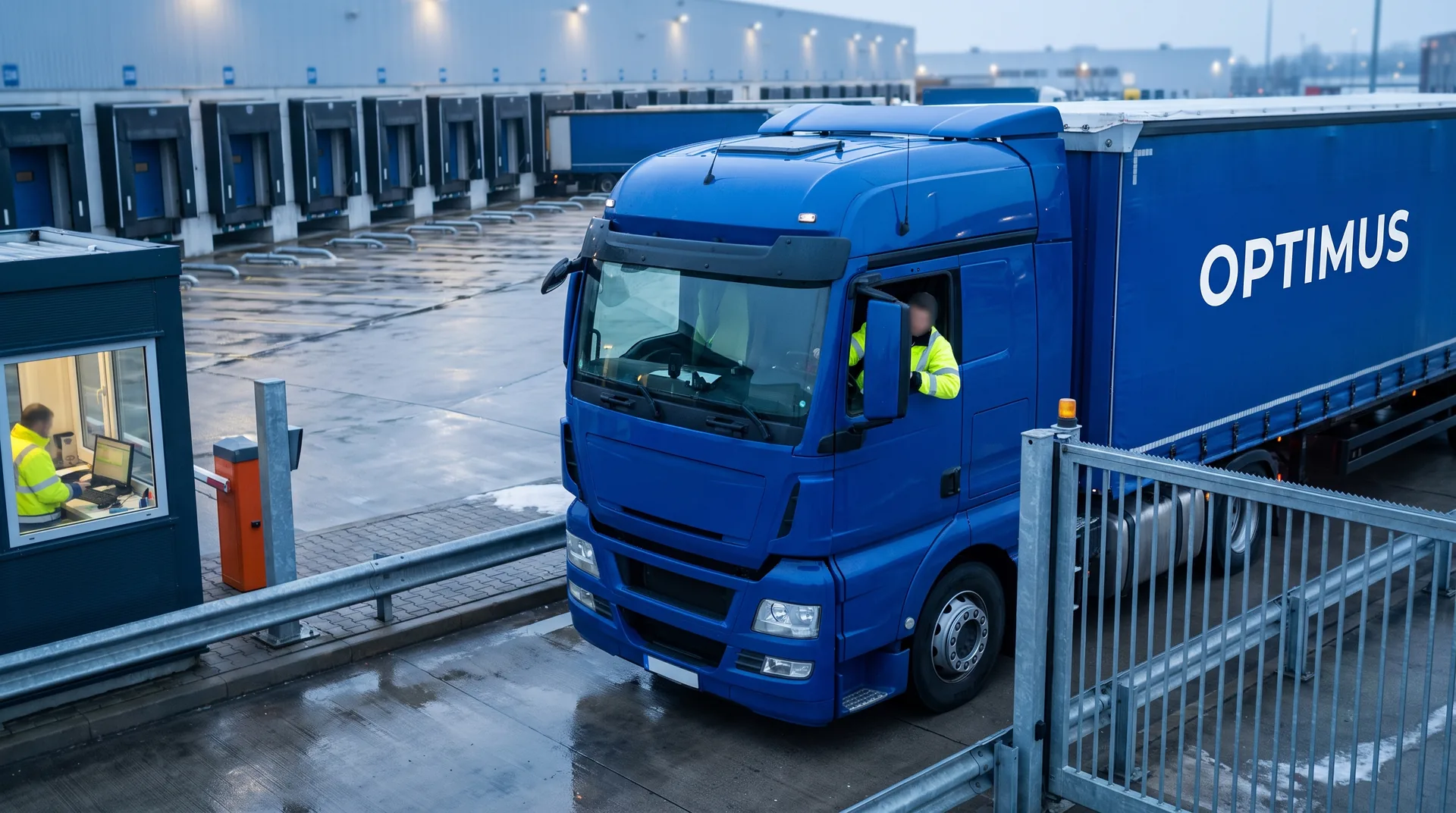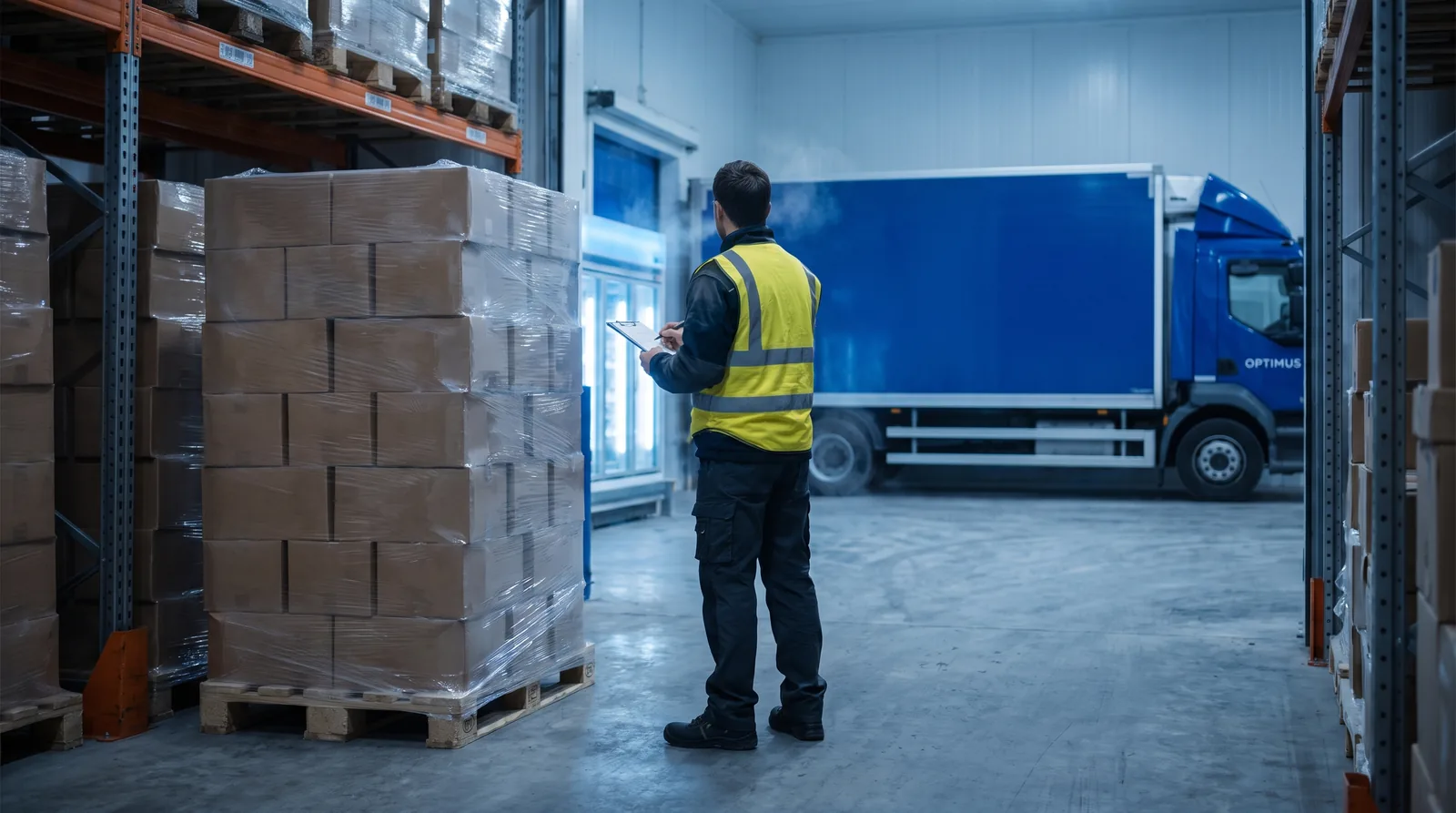
At the Milton Keynes warehouse we receive food from Poland and prepare it for distribution in the UK: a goods-in check, temperature and packaging verification, batch documentation, labelling and dispatch against the consignee's booking. We claim no certificates or registrations we do not hold: we describe the practice, which is product segregation, recorded temperature control, scheduled cleaning and batch documentation. We confirm the handling scope for each product individually before dispatch.
Why check in the UK and not only in Poland?
Because between loading and the shelf there is a border, a crossing and several hundred kilometres of road. Even a well prepared batch can arrive with damaged packaging, a temperature excursion or a document gap, and a British retail consignee will reject the delivery without discussion. The check in Milton Keynes catches problems while they can still be fixed: repacking, relabelling, swapping damaged units from stock. Without the buffer, the same fault surfaces at the consignee's ramp, where it costs the most.
How does food receiving work in Milton Keynes?
- Unloading and comparing the delivery with documents: pallet count, batches, best-before dates.
- Condition assessment: packaging, wrap, signs of moisture or transport damage.
- Temperature reading and record for goods requiring refrigeration.
- The decision: release for dispatch, additional preparation, or quarantine pending clarification.
- Batch documentation: photos, a receiving report, a record in the warehouse system.
Hygiene and segregation
We handle food in a dedicated area: scheduled cleaning, pest control, staff hygiene and segregation from goods that could contaminate it. Products requiring refrigeration stay under controlled temperature with records. These routines are described in detail in storing and handling food in a UK warehouse, and the border control context in SPS checks on food imports to the UK.
Preparation for dispatch
After a positive check the batch is prepared for its consignee: labels matching the retailer's requirements, repacking onto pallets to the consignee's standard, mixed pallet picking and dispatch in the booking window. For chilled food the temperature chain runs until loading onto the delivery vehicle, closing the record for the whole journey from Poland; more in chilled fresh food transport. A consumer label follows different rules from a logistics one, and what has to appear on it, plus what can still be corrected after the goods arrive, is set out in food labelling for the UK market.
The documents you receive
Every batch leaves a trail: a receiving report, photos, temperature records and the history of warehouse operations. When a consignee or an authority asks about a specific delivery, the answer is in the documents, not in a warehouse worker's memory. We apply the same approach to dry food, whose buffer role is described in dry food to the UK.
Quarantine: what happens to a held batch?
Not every doubt means losing the goods. A batch with damaged outer packaging, an illegible date or a document mismatch goes into a separate hold zone and waits for a decision, instead of blocking the rest of the delivery. Meanwhile we document the problem, contact the shipper and agree the fix: repacking, swapping damaged units, correcting labels or, as a last resort, returning or disposing of part of the batch. The rest of the goods move to dispatch as normal. Hold and release rules are described in quarantine hold and release in the UK; with food the key point is that decisions come fast, because every day in the hold zone is a day of shelf life gone.
When does the Milton Keynes check pay off most?
The control buffer earns its keep in three situations. First, the start of work with a new retail chain: the consignee's requirements are still fresh, and a first rejected delivery can sour the relationship at the outset. Second, seasonal peaks, when deliveries run dense and there is no time to send goods back to Poland over every minor nonconformity. Third, sensitive products: chilled, short-dated or with strict labelling requirements. In all three cases the difference is the same: a problem found an hour from the consignee can be fixed the same day, a problem found at the consignee's ramp ends in a charge note and a lost slot.
What to prepare before the first delivery?
Starting food handling in Milton Keynes needs a few things from the shipper, agreed once and used for every batch:
- The product specification: ingredients, allergens, storage conditions and required temperature.
- How batches and dates are marked on unit and outer packaging.
- The end consignee's requirements: pallet standard, labels, delivery documents.
- A decision-maker's contact on the shipper's side in case a batch is held.
With this set, the first delivery moves through the warehouse as smoothly as the hundredth. Gaps can be filled along the way, but every unknown at the start is a potential day of delay on the first batch, so we prefer to collect everything before the truck arrives.
Sources
- Food Standards Agency: HACCP
- Food Standards Agency: register a food business
- GOV.UK: the Border Target Operating Model
Shipping food to the UK and need on-site checks and preparation? Use the contact form and we will agree the handling scope at the Milton Keynes warehouse.