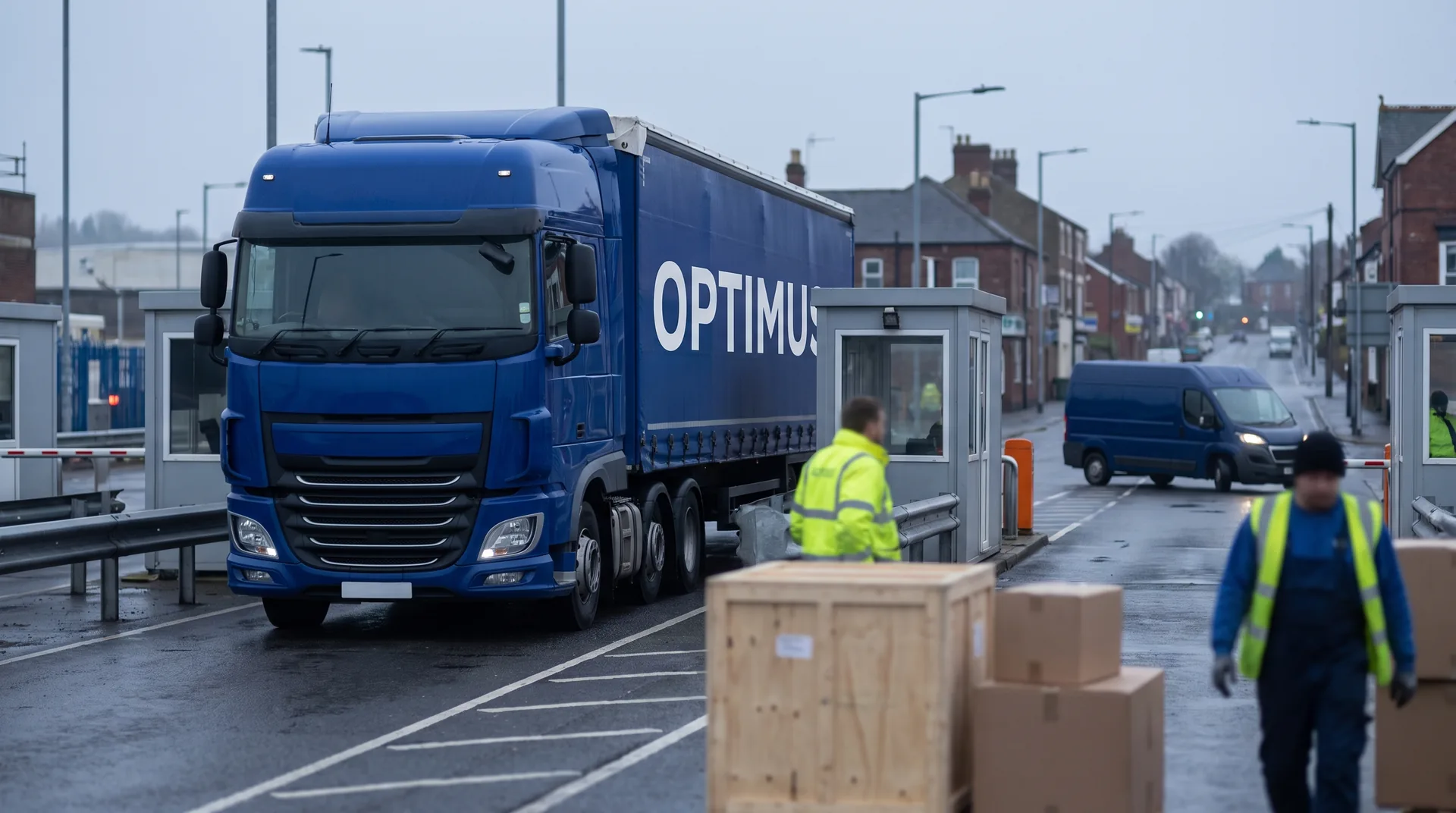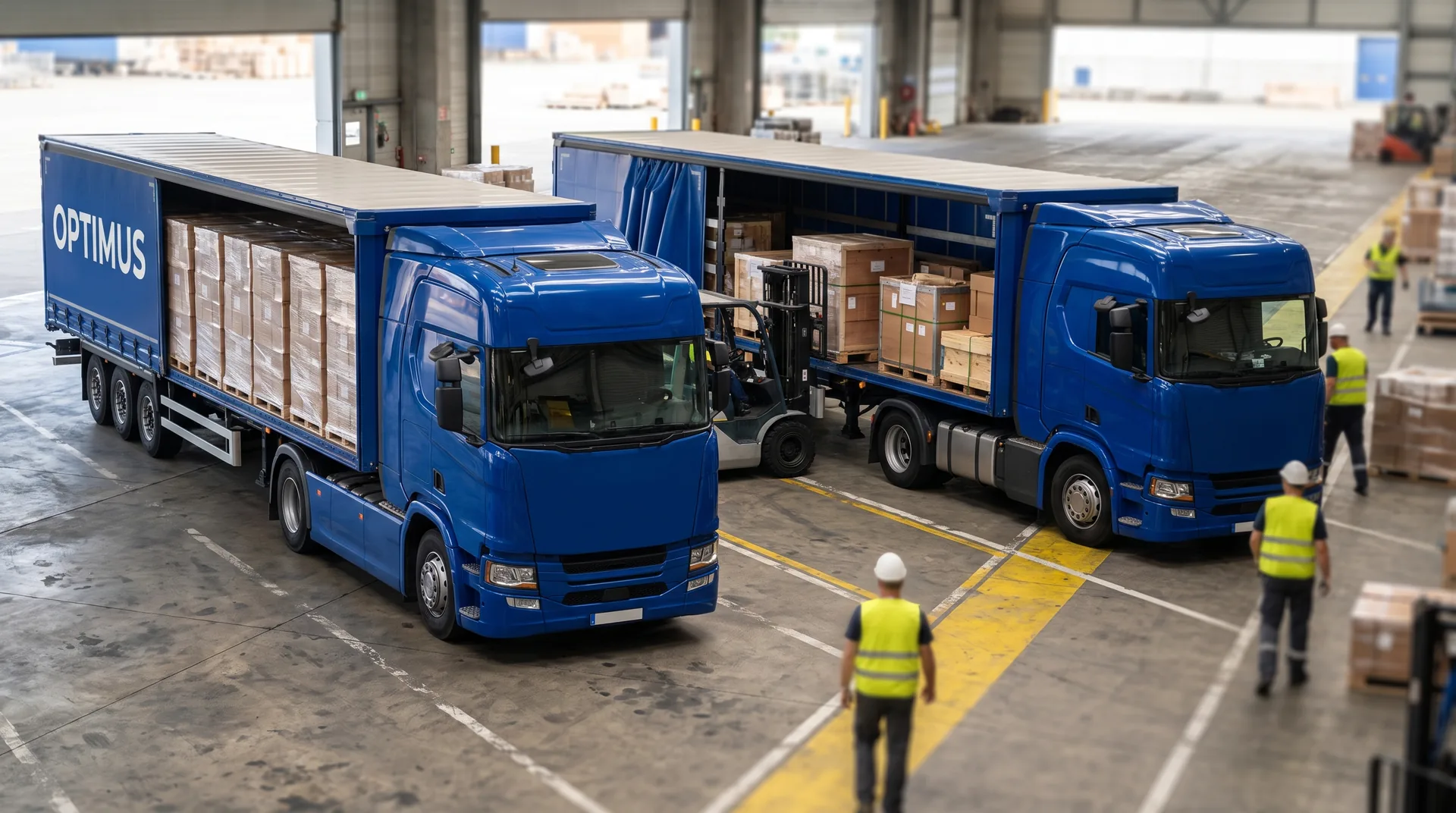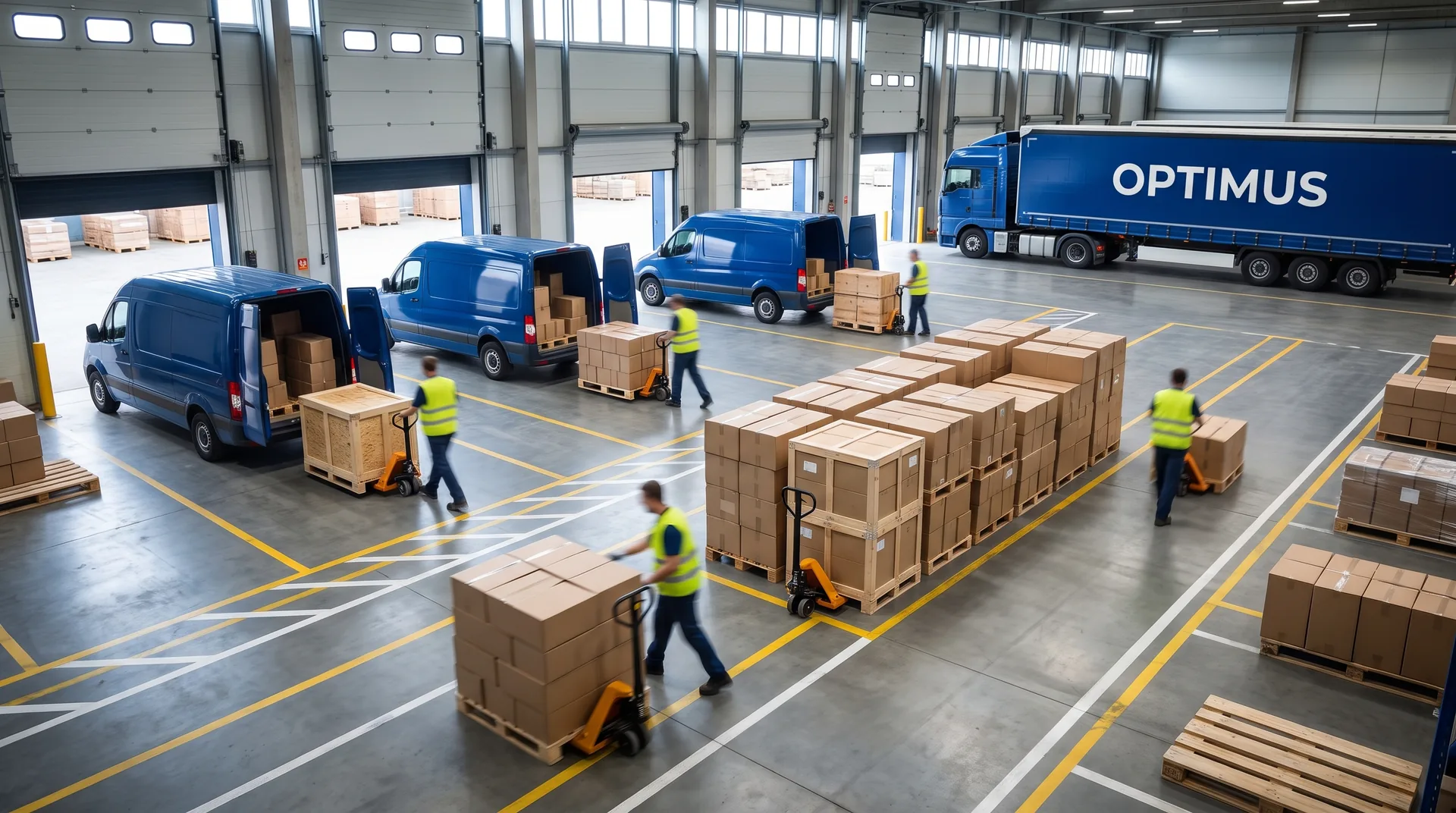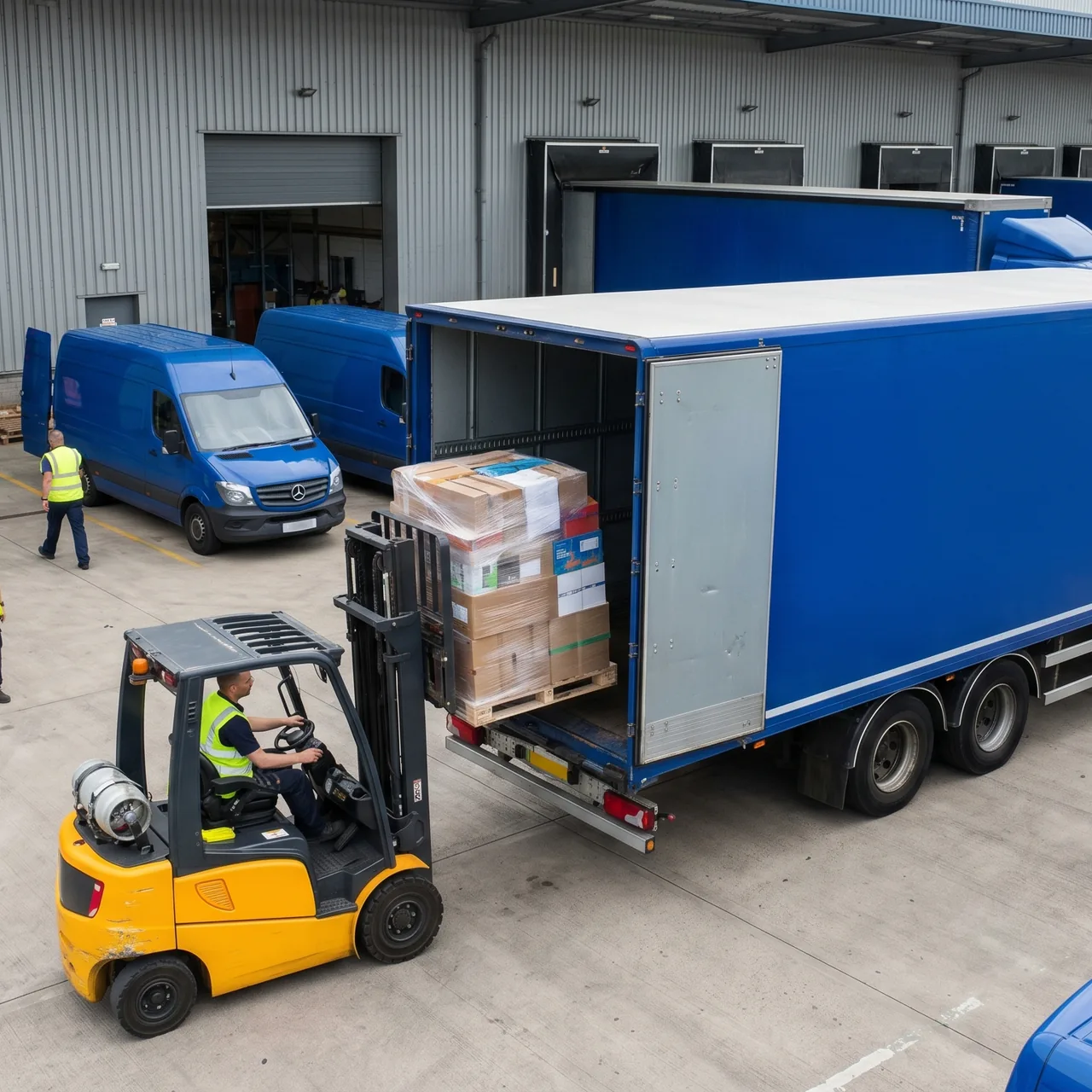
Groupage LTL to the United Kingdom on regular departures means moving smaller consignments on a repeating cycle rather than hunting for space in somebody else's truck. You pay for the loading space you use, not for the trailer. Export clearance, data for the GB import entry and the GMR travel with the shipment.
Where the predictability comes from
In groupage the most expensive thing is uncertainty. A shipper who does not know whether the truck leaves on Tuesday or Friday has to hold stock at the consignee or explain delays. A repeating departure cycle reverses that: the date comes first, and the load is assembled around it. If your pallet makes the cut-off it travels as planned, and if it does not you already know the next date. That lets you plan production and sales in the UK instead of reacting after the fact.
What you are actually buying
- Loading space measured in loading metres or pallet spaces, depending on the cargo.
- Collection from your address in Poland, with no need to deliver goods to a terminal.
- Customs paperwork on both sides of the Channel handled within one job.
- Delivery to a UK address, with booking-in in the consignee's system where required.
The service scope is on the groupage LTL page, and the space charging mechanism in groupage from a single pallet.
How long it takes and what drives it
Standard groupage transit from Poland to the UK is usually 2-3 working days from loading, but distance is not the only factor. The real delivery date is set by three things: when the complete document set is on our side, the vehicle cut-off, and whether the consignee accepts goods without notice or requires a slot. Two identical pallets to two consignees in the same city can arrive on different days for exactly that reason. We take it further in how long transport from Poland to the UK takes.
What happens to the load on the way
A pallet collected in Poland goes into consolidation, travels to the UK on a line vehicle and on the British side passes through our Milton Keynes warehouse, from where it fans out to consignees. How many times the goods are handled depends on the delivery area: for a consignee sitting on the line route, transhipment is often unnecessary. Every such point is recorded, which matters when establishing where damage occurred. Who else travels on the same vehicle, and why that is not neutral, is covered in LTL groupage.
When a regular cycle stops being enough
There are situations where even a repeating departure does not solve the problem. The first is a deadline shorter than the cycle: then express transport or a dedicated vehicle makes more sense. The second is cargo that should not share space with anything else, strongly scented or particularly fragile goods for instance. The third is the seasonal peak, when space runs out faster than usual: on when to book, see the pre-Christmas peak.
Groupage from Central Europe
Regular UK flows do not start only in Poland. Loads from Czechia, Slovakia, Austria and Hungary join the same cycle through consolidation on the Polish side, so a single pallet from Vienna or Brno does not need its own truck to the islands. The model is described on the consolidation via Poland page. For a shipper in the region the practical difference is that documents and clearance are handled in one place rather than by three separate parties.
How to prepare for a first shipment
- Give addresses with postcodes, pallet count, dimensions and weights, and whether pallets can be stacked.
- Prepare a commercial invoice and packing list that match the actual load.
- Check whether the consignee requires booking-in and in which system.
- Secure the goods to survive transhipment, not just the drive.
Sources
Want to ship to the UK regularly rather than case by case? Describe your volume and frequency through the quote form and we will propose a dispatch pattern matched to your production cycle. The whole route is described on the transport to the United Kingdom page.