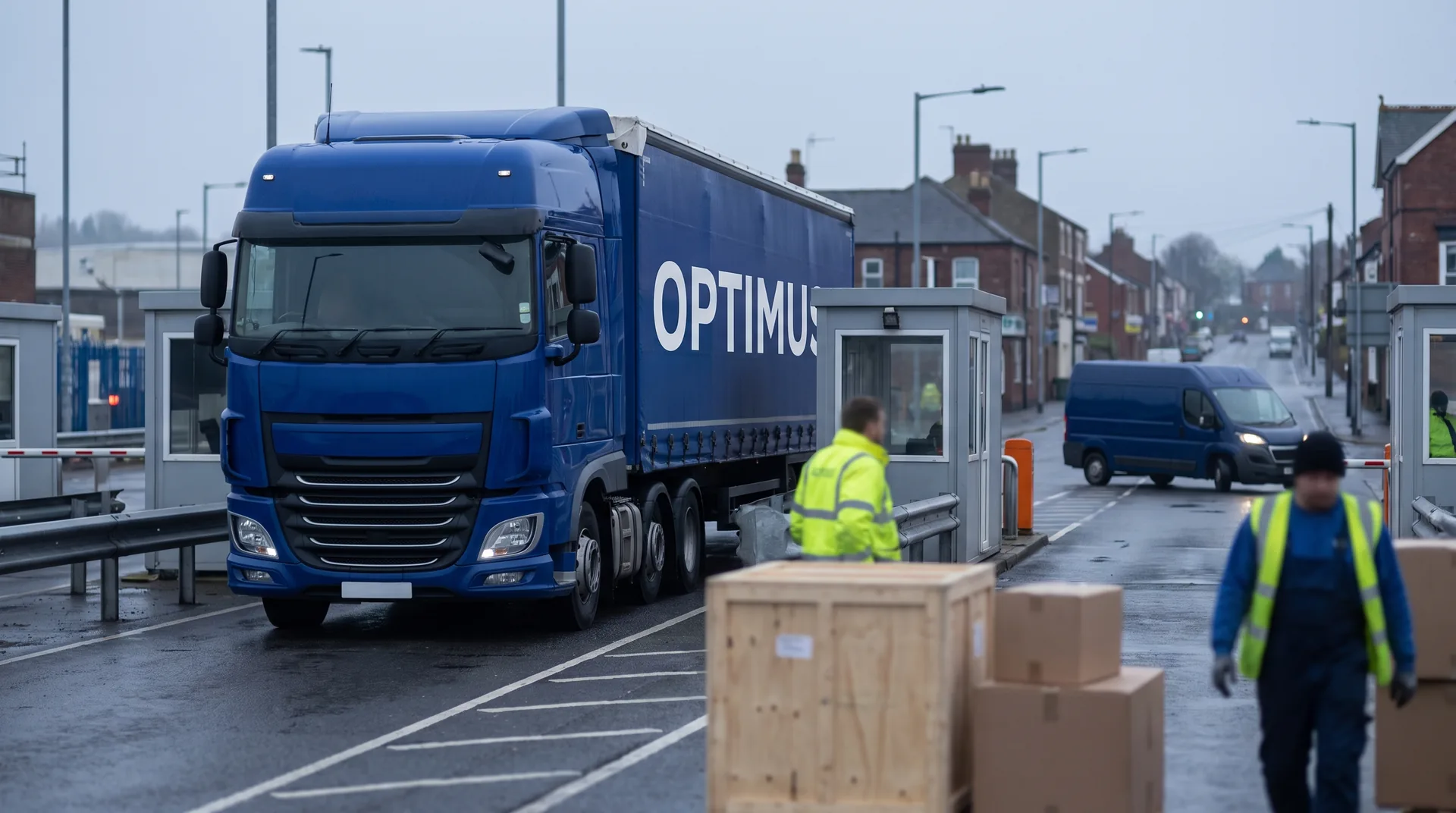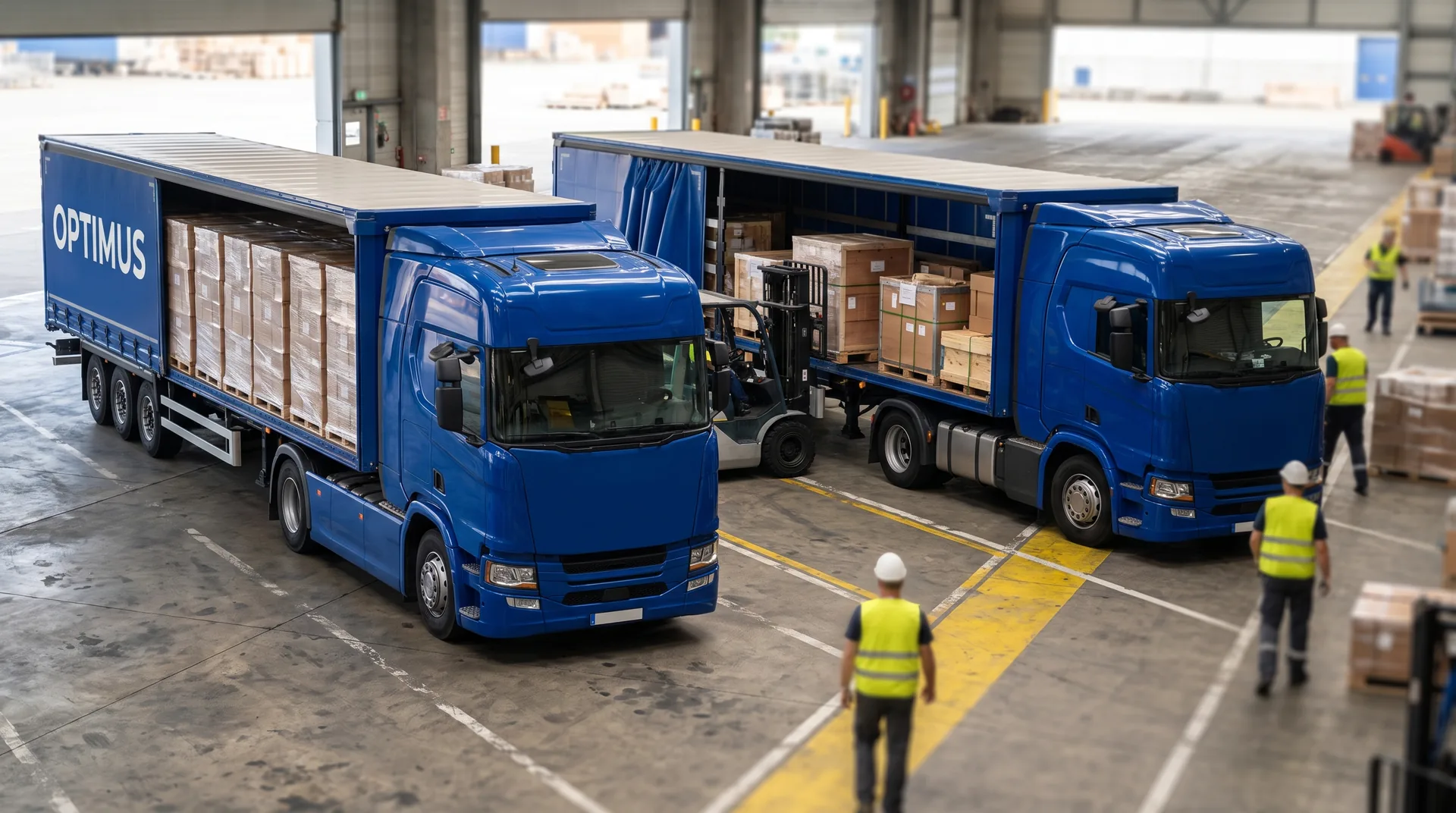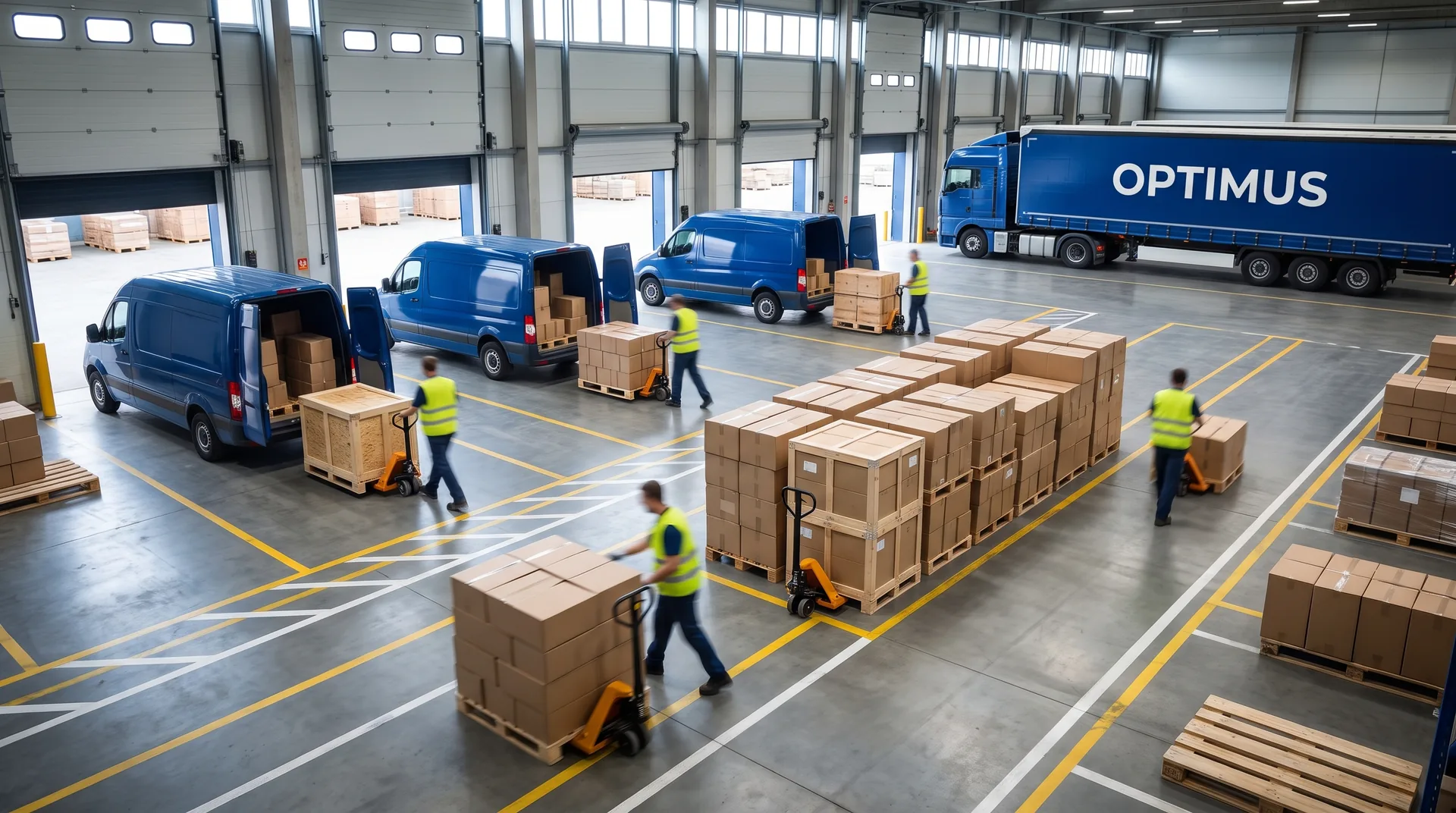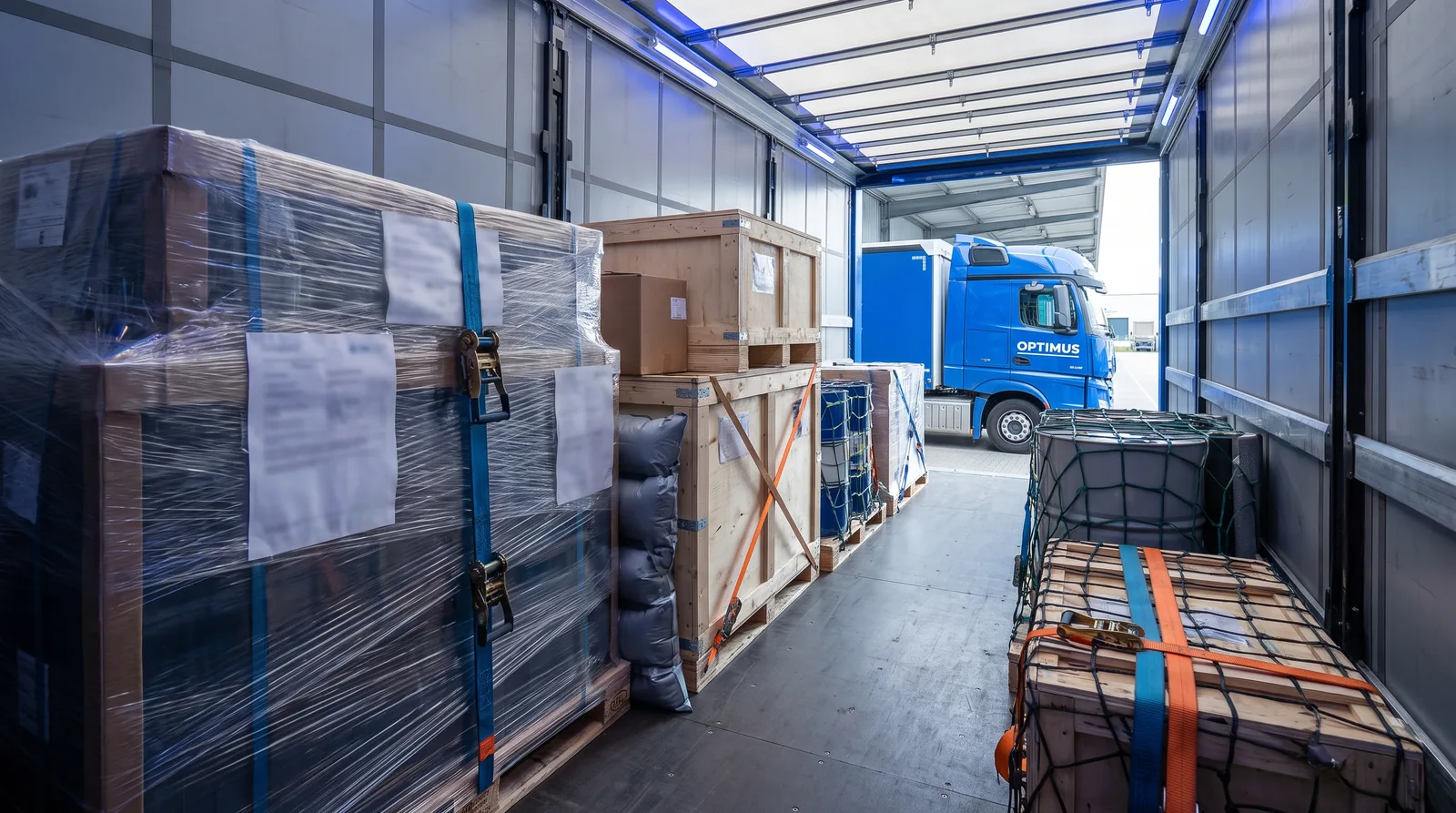
In LTL groupage your pallet shares a trailer with other shippers' consignments, usually a dozen or more. What stands next to it is not chance but a loading plan: heavy items low, fragile goods without stacking, chemicals separated from food under ADR rules. We consolidate at our hubs, the vehicle runs sealed, and every consignment keeps its own documents and customs entry.
What really travels next to your pallet?
A typical groupage trailer to the UK is a cross-section of Polish exports: spare parts, furniture, cosmetics, packaging, electronics, long-shelf-life food, shop fittings. Everything is checked at hub intake: weight, dimensions, packaging condition, pallet markings. We do not take goods into groupage that should not ride next to others, for example cargo giving off strong odours next to food, or goods needing temperature control, for which we have a separate solution described in our article on temperature-controlled transport to the UK.
What does consolidation at the hub look like?
- Consignments arrive at our hub, where they are weighed, measured and checked for damage and pallet markings.
- We plan the load: axle weight distribution, delivery order in England, zones for goods requiring separation.
- We load to plan: heavy on the floor, light and fragile higher only where stacking is allowed, as covered in our piece on pallet stacking.
- We secure the cargo with straps and spacers following the rules from our article on cargo securing to EN 12195.
- The trailer gets a seal, and the seal number goes into the departure documents.
Can ADR goods travel next to food?
Dangerous goods in groupage are normal practice, but hard rules govern it. The ADR agreement defines which classes may be loaded together, and the bans on loading with foodstuffs concern selected materials, above all toxic and infectious ones: such goods must be separated from food in line with ADR segregation requirements. In practice most typical groupage chemistry, for example aerosols or paints in limited quantities, travels next to food pallets without breaching the rules, in tight packaging and separate zones of the trailer. We cover the details in ADR in groupage LTL and LQ exemptions in ADR. If goods require full separation, they simply go on another vehicle.
What is the seal for, and what does it give you?
The seal protects the load space from closing at the hub to opening in England and is the first checkpoint every time the trailer is opened. The seal number is in the documents, so the consignee can verify nobody opened the vehicle en route. At border checks an intact seal shortens the conversation with officers. If a seal were found broken, we run the procedure described in our article on cargo inspection after trailer tampering: inspection, photo documentation and a report before the goods move on.
What does this mean for your quote?
In groupage you pay for your share of the trailer, and the crossing, clearance and route costs spread across all shippers. That is why LTL from 1 pallet can cost a fraction of a dedicated vehicle while keeping fixed departure days. How the whole service works from intake to delivery is described in groupage LTL from one pallet to the UK.
How do you prepare a pallet to handle the company it keeps?
Consolidation is safe when every consignment is prepared for contact with others. Cartons should form even layers with no overhang beyond the pallet footprint, because protruding corners get clipped during forklift manoeuvres next to other cargo. Stretch film must wrap the pallet itself, not just the goods, so the whole unit works as one block. Mark pressure-sensitive goods clearly: a no-stacking instruction has to sit on the consignment, not just in an email. Pack liquids with leak protection, because one cracked bottle can damage several neighbouring pallets. Place documents and address labels on the side, not on top, where they would vanish under another consignment. The full step-by-step guide is in how to secure a pallet for export.
Sources
- GOV.UK: moving dangerous goods, ADR rules (accessed 17 Aug 2026)
- EUR-Lex: Directive 2008/68/EC on the inland transport of dangerous goods (accessed 17 Aug 2026)
Have a pallet for England and want to know the terms it will travel on? Write via our contact form: we will tell you straight whether it fits the next LTL groupage departure.