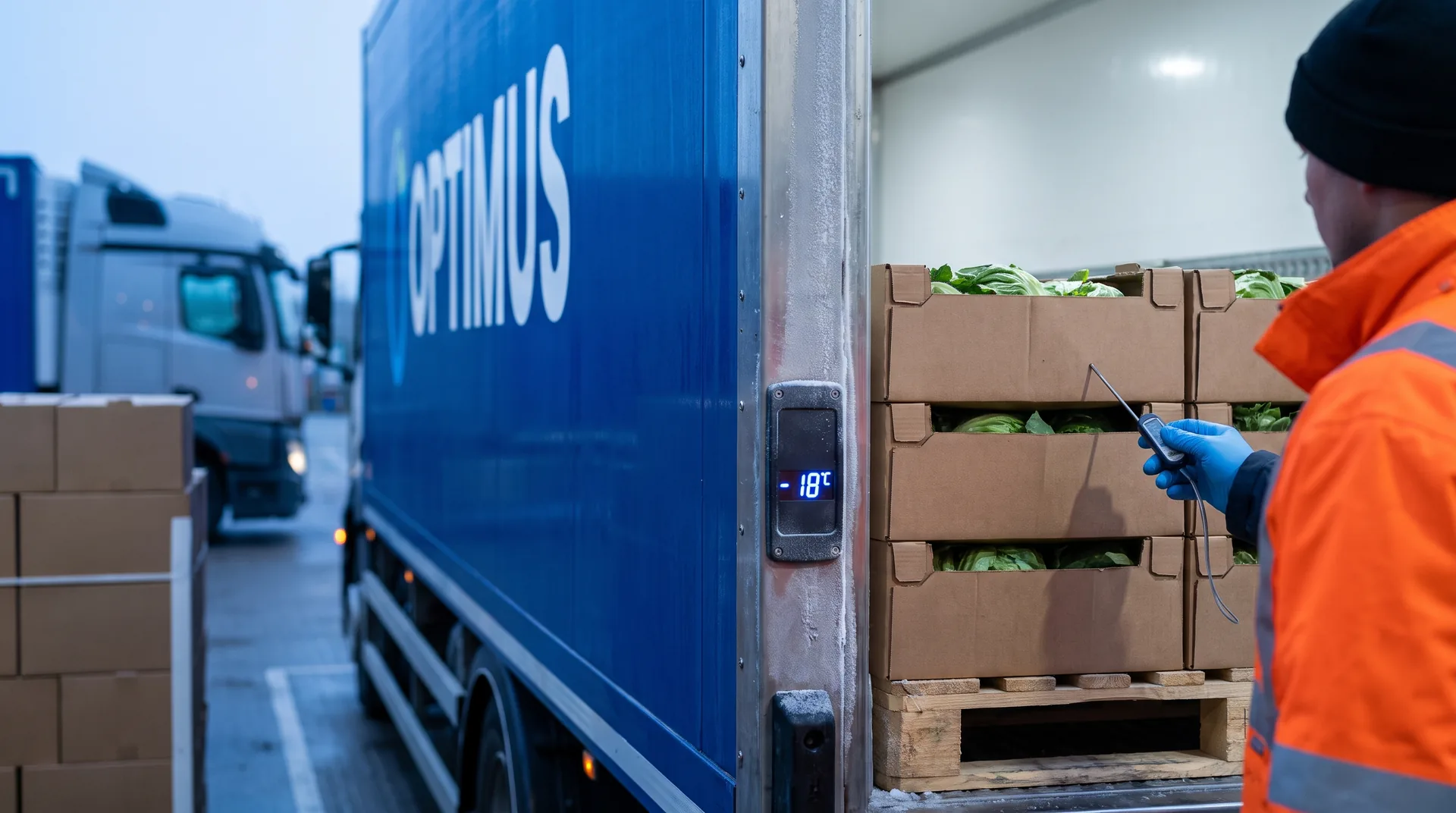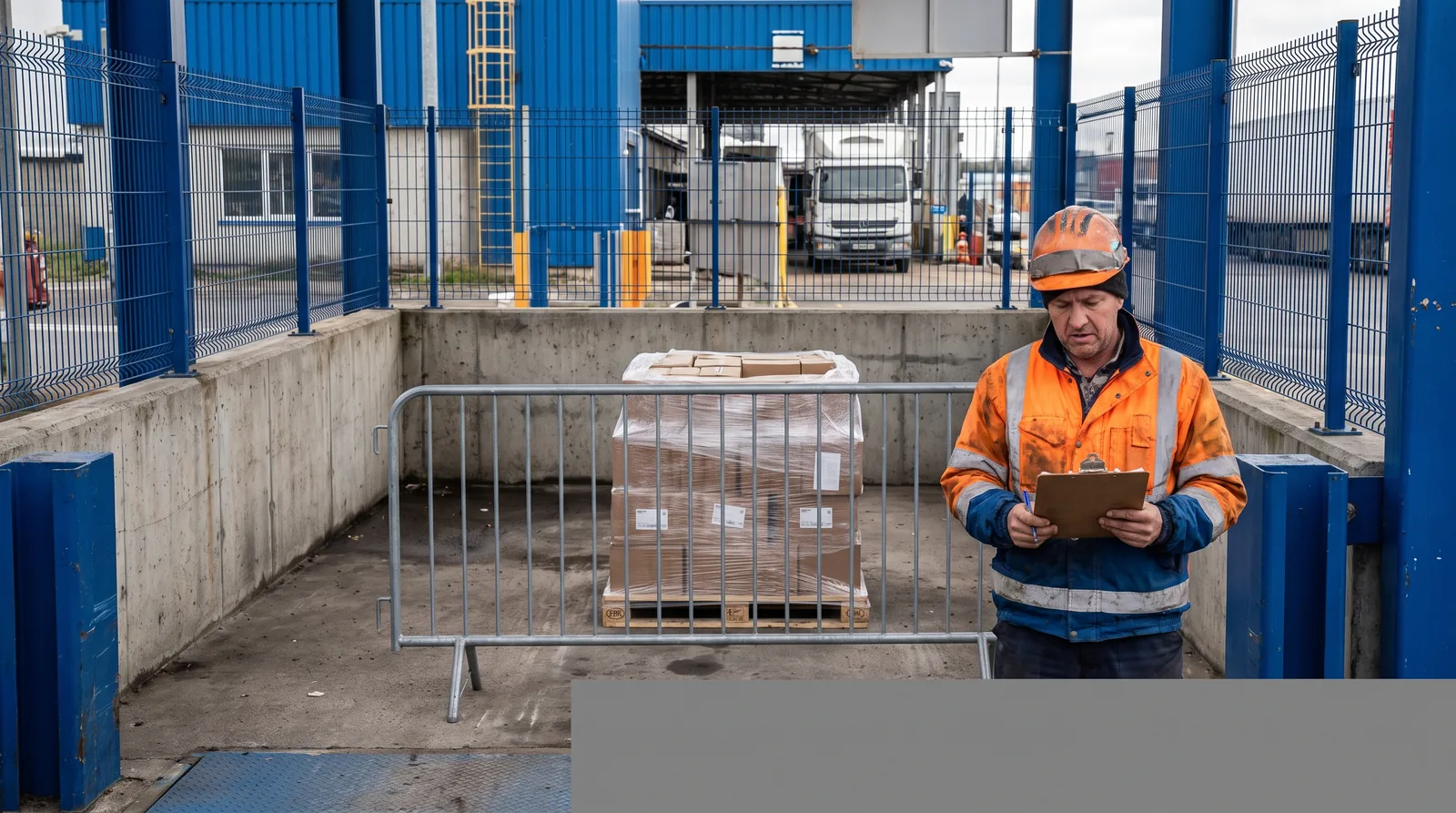
Without a health certificate (SPS) and prior pre-notification, a load of animal or plant origin is stopped at a border control post, for example at the French SIVEP or under the UK BTOM model. The consequence can be downtime in cold storage, a turned-back shipment, and for perishable goods their destruction at the company's cost.
What triggers veterinary and phytosanitary control
Products of animal origin (meat, dairy, fish), plants, fresh fruit and vegetables and certain composite products are subject to sanitary and phytosanitary control on entry into the EU and into the United Kingdom. Before the truck reaches the border, the shipment must be announced in the system (pre-notification) and carry a full document set: a health certificate signed by an official vet or inspector in the country of export, the correct commodity codes and consignee details. Missing even one element means the system will not admit the shipment for further clearance.
Detention, turn-back, destruction
At a border control post a missing certificate or pre-notification does not end with a warning. The load is directed to the inspection area and waits, which means truck downtime, charges for the slot, and often forced cold storage. If the paperwork cannot be completed, the shipment is turned back to the sender or, for perishable goods that are refused, marked for destruction. The bill for cold storage, warehousing, disposal and downtime lands on the party ordering transport, because it is their goods that got stuck. The value of the load itself is often lost in full.
SIVEP and BTOM: two regimes, the same rule
On entry into France the veterinary and phytosanitary border clearance takes place at the SIVEP, whose rules we set out in our article on French veterinary border checks. On import into the United Kingdom the BTOM model with risk categories applies, which we break down in our piece on SPS controls on food and plant imports to GB. The regimes differ in detail, but the rule is shared: without a valid certificate and a pre-notification, goods do not pass. For more on the documentary requirements, see our border procedures page.
The certificate and the pre-notification: two separate duties
These two get confused most often, because both are "sorted before the border". The health certificate is a document issued by an official vet or a plant health inspector in the country of export; it attests to the condition of the goods at the moment of inspection at the consignor. The pre-notification is the announcement of the consignment in the importing country's system, far enough in advance for the border control post to know what is coming and when. Neither works without the other: a certificate without an announcement leaves the consignment outside the inspection queue, and an announcement without a certificate has nothing to confirm. Each element is usually somebody else's job, so on every order we agree by name who handles what.
| What we compare | Health certificate (SPS) | Pre-notification |
|---|---|---|
| What it is | a document issued by an official vet or a plant health inspector in the country of export | the announcement of the consignment in the system of the importing country |
| What it does | attests to the condition of the goods at the moment of inspection at the consignor | tells the border control post what is coming and when |
| When it is made | at the consignor, before loading | far enough in advance of the vehicle reaching the border |
| What is missing without it | an announcement without a certificate has nothing to confirm | a certificate without an announcement leaves the consignment outside the inspection queue |
Groupage: one gap and the whole truck stands
On a full load the problem concerns one customer and one consignment. In groupage it looks different: one consignor's sensitive goods hold up a vehicle carrying shipments for several other companies. That is why with loads subject to SPS control we accept the order only once the documents are complete, and we do not add such goods "on spec". This is not excessive caution, it is the only way the delivery dates of the other consignments on that vehicle stay realistic.
How we secure certificates before the truck moves
With us the full sanitary document set is built before loading, not in a lay-by before the border. We check whether the goods are subject to SPS control at all, who on the export side issues the health certificate and whether they will make the deadline. We file the pre-notification in advance and cross-check the data in the declaration against the certificate and the invoice, so nothing diverges at the control post. We organise and manage the clearance within the order, together with the customs agencies we work with permanently, so veterinary, phytosanitary and customs move under one hand. If you are planning to move sensitive goods, contact us before you set the loading date.