Wholesale trade in medicines in the UK requires a wholesale licence overseen by the MHRA and compliance with Good Distribution Practice (GDP), which extends to transport: temperature conditions, security and documentation. Cosmetics are simpler but need a Responsible Person in the UK and product notification in the SCPN system. We confirm carriage conditions individually for every order.
Pharmaceuticals: a licensed market end to end
Wholesale distribution of medicines in the UK runs between licence holders (WDA(H)), and every link in the chain, transport included, must operate within the licence holder's quality system. In practice this means a carrier does not move medicines on its own account: it performs the carriage according to the principal's written requirements, with defined temperature conditions, sealing, stop rules and reporting. Before we accept such cargo, we agree those requirements in writing and confirm whether we can meet them on the specific route. We are equally honest when a job requires a build or certification a given vehicle does not have.
Temperature and its documentation
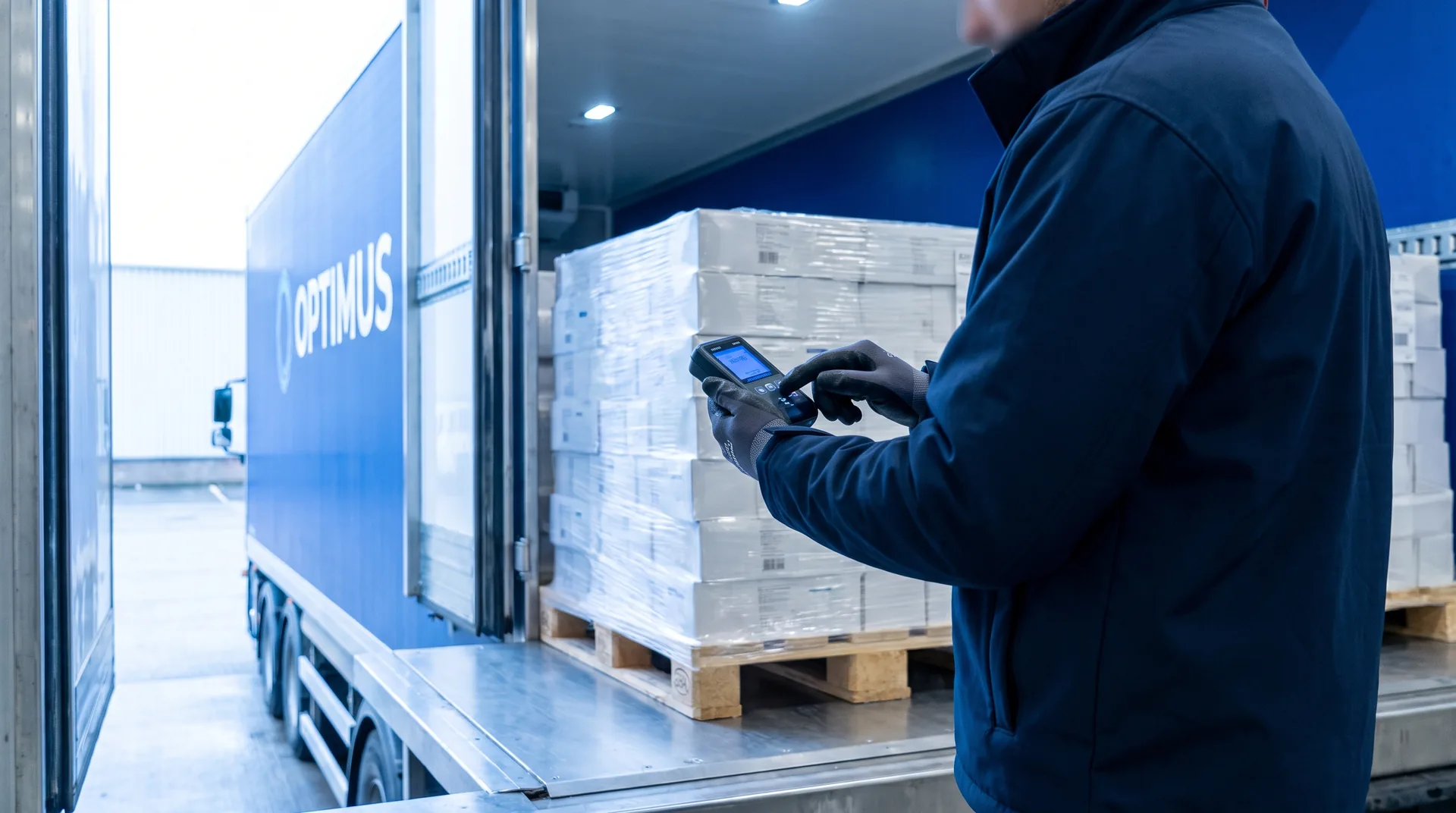
A large share of pharmaceuticals and medical devices require temperature-controlled carriage, most often the ambient range of 15-25 degrees or the cold chain of 2-8 degrees, with a recorded profile. What such carriage and monitoring look like is covered in our articles on temperature-controlled transport to the UK and on temperature control for sensitive cargo. The temperature log is often a condition of acceptance at the consignee, so we agree it before loading.
Cosmetics: simpler, with rules of their own
Cosmetics need no wholesale licence, but entry to the GB market is governed by UK cosmetics law: the product must have a Responsible Person with a UK address, a notification in the SCPN system before being placed on the market and compliant labelling. These are duties of the manufacturer or importer, not the carrier, but gaps surface at inspections and can stop the goods. From the transport side we treat cosmetics as sensitive cargo: high value per kilogram (the question of additional insurance comes up often), theft exposure and vulnerability to temperature extremes.
How to prepare an enquiry
- Say exactly what is travelling: a medicine, a medical device, a supplement or a cosmetic, because each category has a different regime.
- State the required temperature range and whether a logger record is needed.
- For medicines: point to the principal's GDP requirements and the documents the carrier is to sign.
- Give the shipment value so the insurance can be matched.
What we do not do, said plainly
We hold no GDP certification and we do not store medicinal products. We are a road carrier able to perform carriage within the regime defined by a wholesale licence holder, provided those requirements can be met with a given vehicle on a given route. If a principal expects a warehouse operating inside a GDP quality system, a qualified cold room or a responsible person on our side, we point them to an operator who holds those permissions. Sometimes, after reviewing the requirements, we decline the job, and we consider that more honest than a promise we cannot back.
Four categories, four different regimes
- Medicinal product: wholesale trade only between licence holders, GDP requirements across the whole chain, transport included.
- Medical device: no wholesale licence, but placing it on the UK market requires registration with the regulator and correct marking; carriage usually outside the GDP regime, though often temperature controlled.
- Food supplement: treated as food, so food law and an English label apply, not medicines law.
- Cosmetic: separate cosmetics law, a responsible person with a UK address and product notification before it goes on sale.
This classification decides the paperwork and who answers for product compliance, which is why we ask about it in the first message. Getting the category wrong is the most common reason a pharmaceutical or cosmetics consignment is stopped: the documents were prepared carefully, just under the wrong regime, and correcting that at the border costs more than one phone call before loading.
Sources
We cannot accept every pharmaceutical job and we say so plainly after reviewing the requirements. Describe your cargo in the contact form and we will check the route, the vehicle and the conditions. The baseline scope is in our services overview.