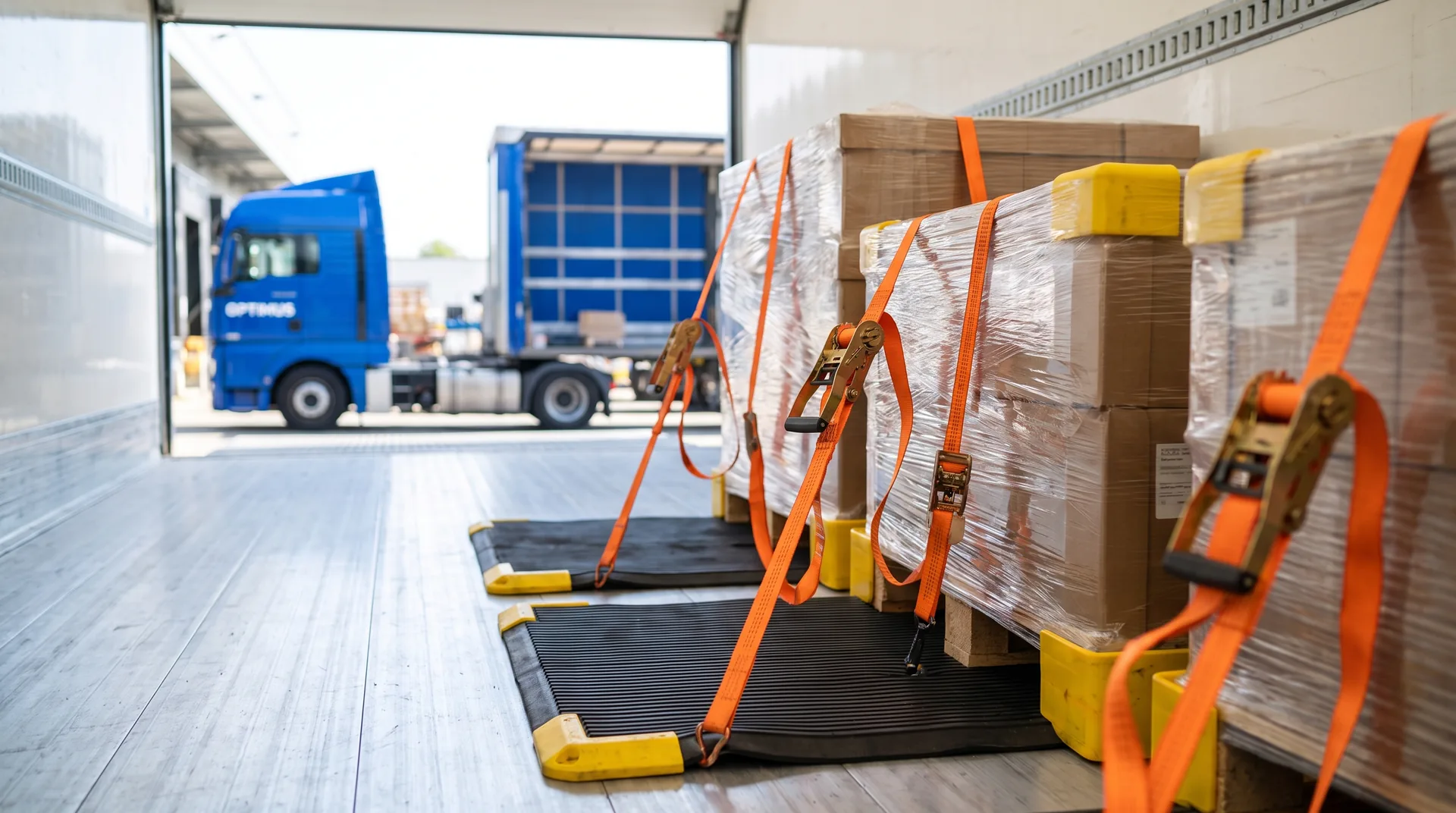
Carrier liability in international transport is capped by the CMR Convention at 8.33 SDR per kilogram of gross weight, so for light but expensive goods the compensation may not cover the value. CARGO insurance is worth considering when the cargo value clearly exceeds that limit, the goods are theft-prone or particularly fragile. The decision belongs before dispatch, not after a claim.
OCP is not insurance of the goods
The most common misunderstanding: the carrier has liability insurance, so my goods are insured. A carrier liability policy (in Poland: OCP) protects the carrier's civil liability, which is capped by the CMR Convention and limited by a catalogue of exemptions. If the damage arose from causes the carrier is not liable for, the policy pays nothing, regardless of its sum insured. We take the differences apart in our articles on OCP versus CARGO and on the 8.33 SDR limit under the CMR Convention.
A simple test: value per kilogram
The CMR limit is counted from gross weight, so divide the shipment value by its weight. The SDR exchange rate moves, so the exact line is set on the day of calculation, but the principle is constant: the more value per kilogram, the sooner the limit stops being enough. A pallet of electronics, premium cosmetics or precision parts exceeds it many times over; a pallet of bricks never gets close.
When CARGO makes sense
- High value relative to weight: electronics, optics, cosmetics, pharmaceuticals, precision components.
- Goods on the elevated theft-risk lists: alcohol, consumer electronics, branded clothing.
- Fragile cargo: glass, ceramics, furniture with lacquered fronts, exhibition pieces.
- Situations where a total loss would strain the company's cash flow, regardless of carrier fault.
CARGO in practice
CARGO insurance protects the goods themselves, whether or not the carrier is at fault. It can be bought per shipment or as an open policy covering all shipments in a year, which for regular exporters is simpler and usually better value. Damage caused by inadequate packaging is a standard exclusion, so CARGO does not replace proper packing, it complements it. What a policy covers is described in our article on the scope of CARGO insurance.
How to decide before dispatch
- Calculate the value per kilogram and set it against the CMR limit.
- Assess the theft and damage risk for your goods.
- Ask the carrier about the sum and scope of their liability policy; a reliable one shows it without hesitation.
- For valuable cargo, declare the value and ask for a CARGO quote before loading.
The most common mistake: confusing the sum insured with the payout
Shippers often look at a carrier liability policy with a sum insured running into millions and consider the matter settled. That figure is only the insurer's upper ceiling, not the amount you will receive for your pallet. The actual payout is set first by whether the carrier is liable at all, then by the CMR limit calculated from gross weight, and only last by the sum insured. The second common error is declaring a high value after the loss. A declaration of value of the goods, or a special interest in delivery, goes into the consignment note before departure and against a surcharge, not afterwards.
What to do at unloading so the claim survives
Even the best chosen cover will not help if the consignee signs for the goods without reservation and reports the damage a week later. The CMR Convention is firm about this in Article 30: apparent loss or damage must be raised no later than at the time of delivery, and non-apparent loss or damage in writing within seven days of delivery, Sundays and public holidays excepted. A claim for loss caused by delay must be notified in writing within 21 days of the goods being placed at the consignee's disposal. After those deadlines the goods are presumed to have been delivered in the condition described in the consignment note, and the dispute becomes very hard to win.
- Count the pallets and inspect the wrap, corners and seals before the driver leaves.
- Write reservations into the consignment note specifically: which pallet, what is damaged, what quantity.
- Photograph the goods while still on the vehicle, before unloading, not later in the warehouse.
- Report concealed damage in writing within the convention deadline, with the photographic record attached.
Sources
Shipping goods clearly above the limit? Tell us at the quoting stage through the contact form and we will suggest how to structure the cover. The full scope of support is in our services overview.