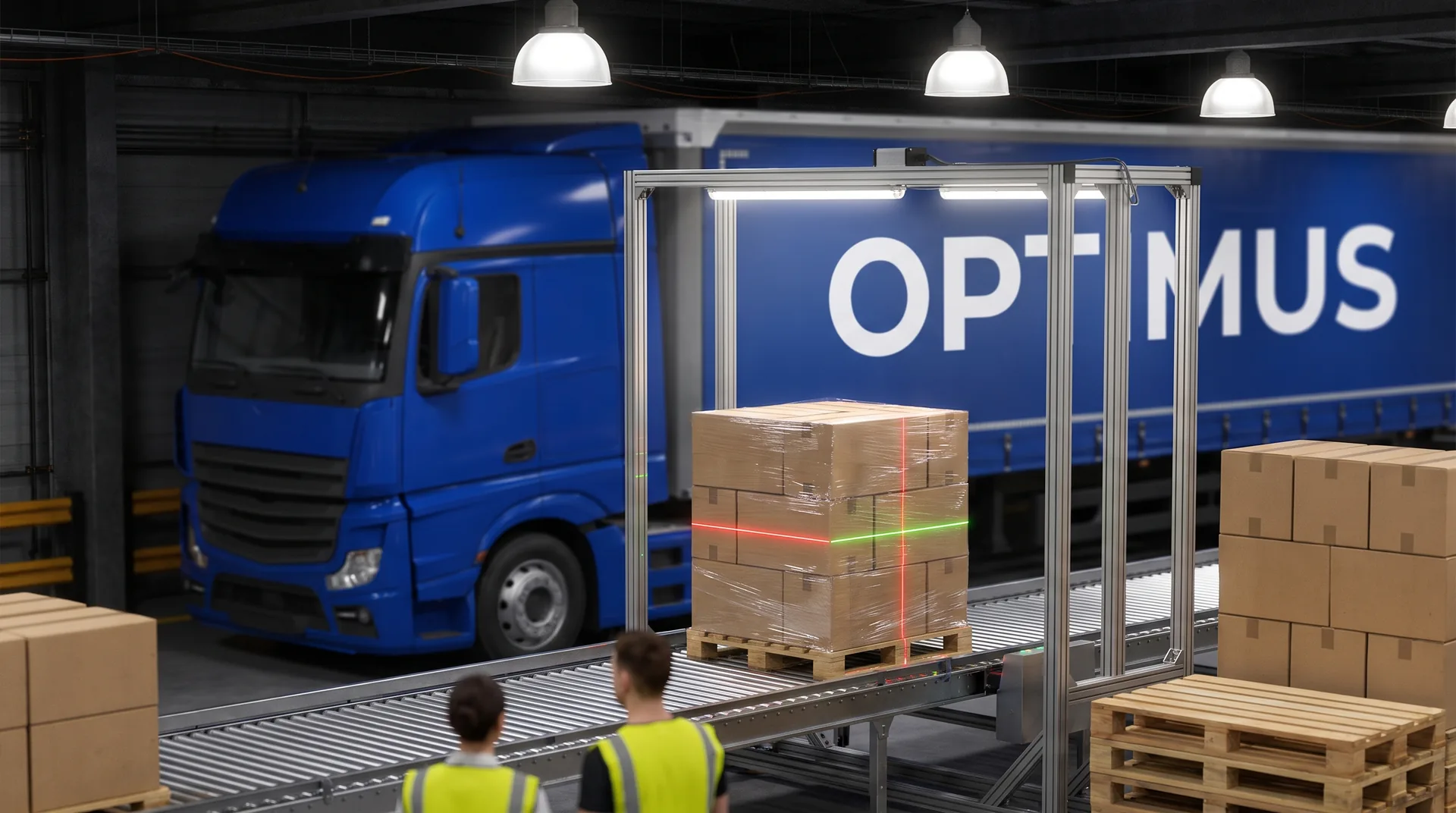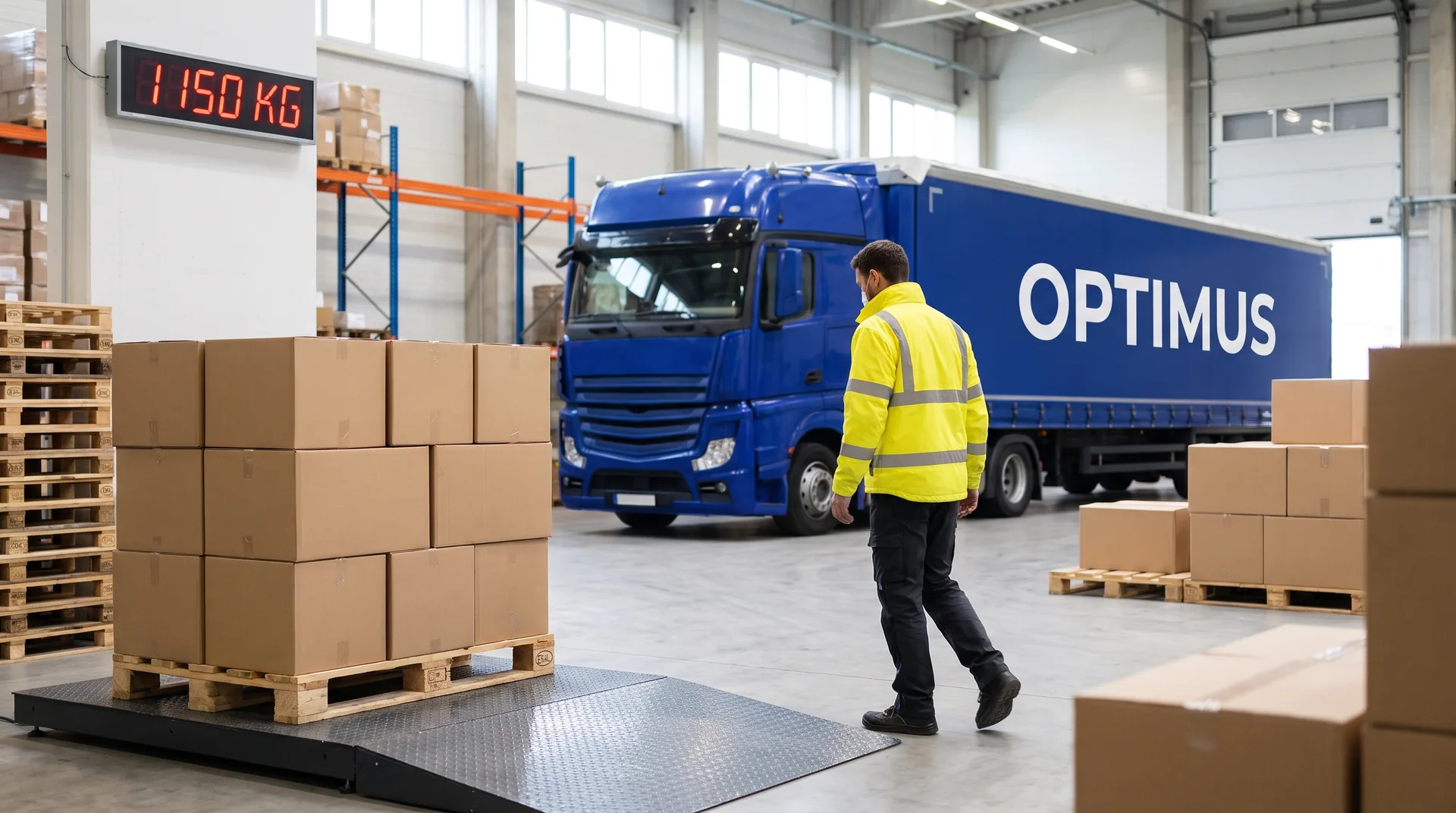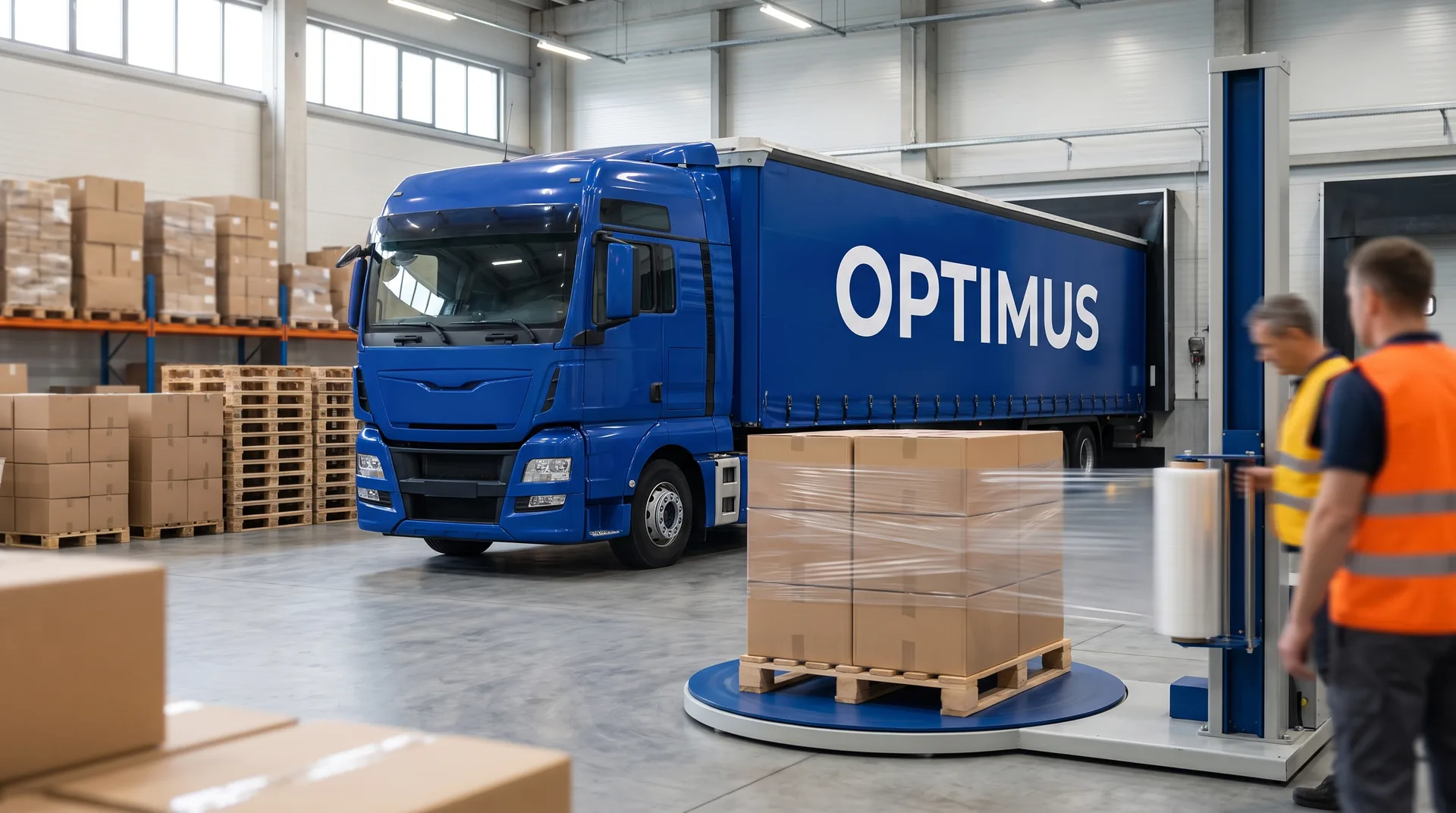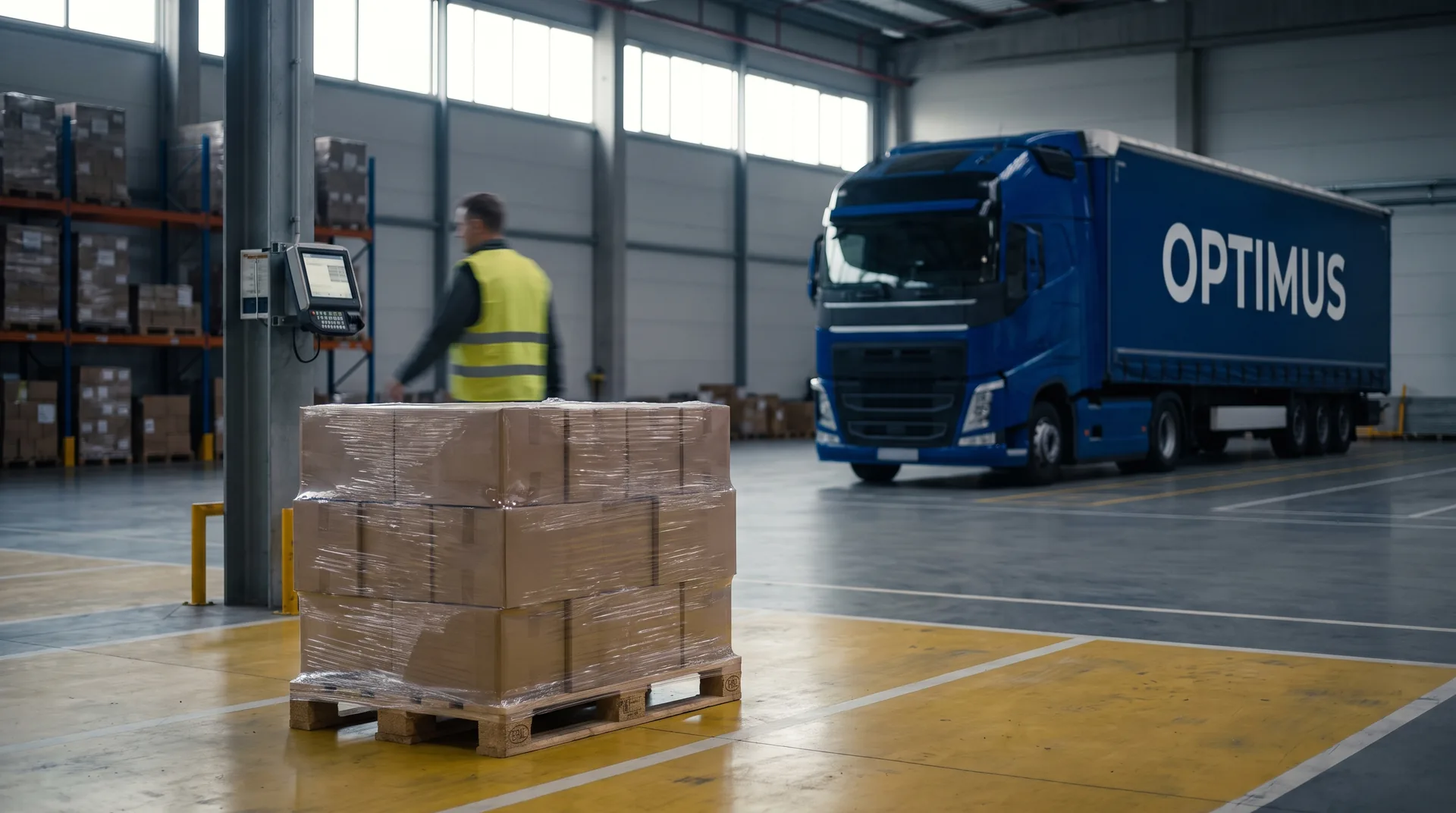
Between collection at the shipper and departure for the United Kingdom a pallet passes through three states: the feeder leg to the Polish hub, receipt and checking, and building the load for departure. At each of them we confirm status through your account manager. The scope and form of confirmations are agreed at booking.
Four moments when we know something for certain
- Collection at the shipper - the driver signs for the shipment and a transport document is created, with the piece count and any reservations.
- Receipt at the Polish hub - the shipment is unloaded, checked against the collection record and marked for a specific departure.
- Loading for departure - the pallet goes onto the vehicle bound for the UK and the shipment enters the main leg.
- Delivery at the consignee - proof of delivery, in the United Kingdom often together with a goods received note on the consignee side.
The last point is often the most demanding formally, especially on deliveries to retail chains, where the way a receipt is signed matters for later settlements. We break it down in the article on POD, GRN and clausing on UK retail deliveries.
Why do the goods wait at the hub if they have already been collected?
Because collection and departure are two different things. A shipment collected in Czechia or Finland must first reach Poland and then wait for the next scheduled departure serving its UK unloading area. Time at the hub is not waste; it is the condition under which one pallet can travel for a fraction of a trailer instead of paying for a whole vehicle. How long that wait lasts follows from the departure calendar and the readiness deadline described in the article on the departure calendar and cut-off. The saving mechanism itself is set out in why consolidation via the Polish hub cuts cost.
What happens to the pallet at the hub?
Usually less than people imagine, and that is good: the fewer times cargo is moved, the lower the risk of damage. As standard the shipment is unloaded, checked, marked and set down in the area assigned to a specific departure. Extra work happens only when needed: repacking cargo whose packaging will not survive the rest of the journey, palletising goods received loose, replacing a damaged pallet, rewrapping with film. We have the facilities for this at the base in Kielce and at the base in Legnica, which supports flows from southern Europe.
Will I get confirmation that the pallet reached the warehouse?
Yes, if you ask for it at booking - and it is worth doing on a first order and on collections from foreign suppliers, where receipt confirmation tells the buyer the supplier really did release the goods. We agree the form individually: on steady flows one collective message after the load is built is usually enough, while for single urgent shipments a separate confirmation makes more sense. We do not promise functions that do not exist: we have no self-service portal, but we do have an account manager and an operations team available around the clock.
Whom to contact when information is missing
Your account manager, quoting the order number or consignment note number and the loading address. Those three details are enough to locate a shipment at any point of the journey. If the matter is urgent, say straight away which deadline is at risk - the answer to where the goods are differs from the answer to whether they will make the booked installation slot at the consignee. Contact works around the clock, including when a disruption falls at night or at a weekend.
When does a missing status really signal a problem?
Rarely. Silence between hub receipt and loading is normal: nothing happens to the pallet then and there is nothing to report. What does call for a reaction is a missing collection confirmation on the agreed day - that usually means the goods were not ready or the warehouse did not release them within the window. We call first in that case, without waiting for the client to ask, because it decides whether the shipment makes the planned departure. What happens on a postponement is covered in what happens when the groupage load does not fill up.
How to make life easier on steady flows
Three habits work best. First, one reference number on your side, repeated on every document - so your warehouse, our hub and the consignee speak about the same shipment in the same language. Second, legible and durable markings on the pallet, because a label that peels off in transit turns an identifiable shipment into a puzzle. Third, one contact person at the shipper instead of scattered correspondence. The rest is on our side: the fixed departure rhythm is described in the article on groupage LTL with regular departures.
Want to know how we confirm the status of your shipments? Write through the quote form and we will set the reporting scope together with the order. The carriage model is described on the consolidation via Poland page.