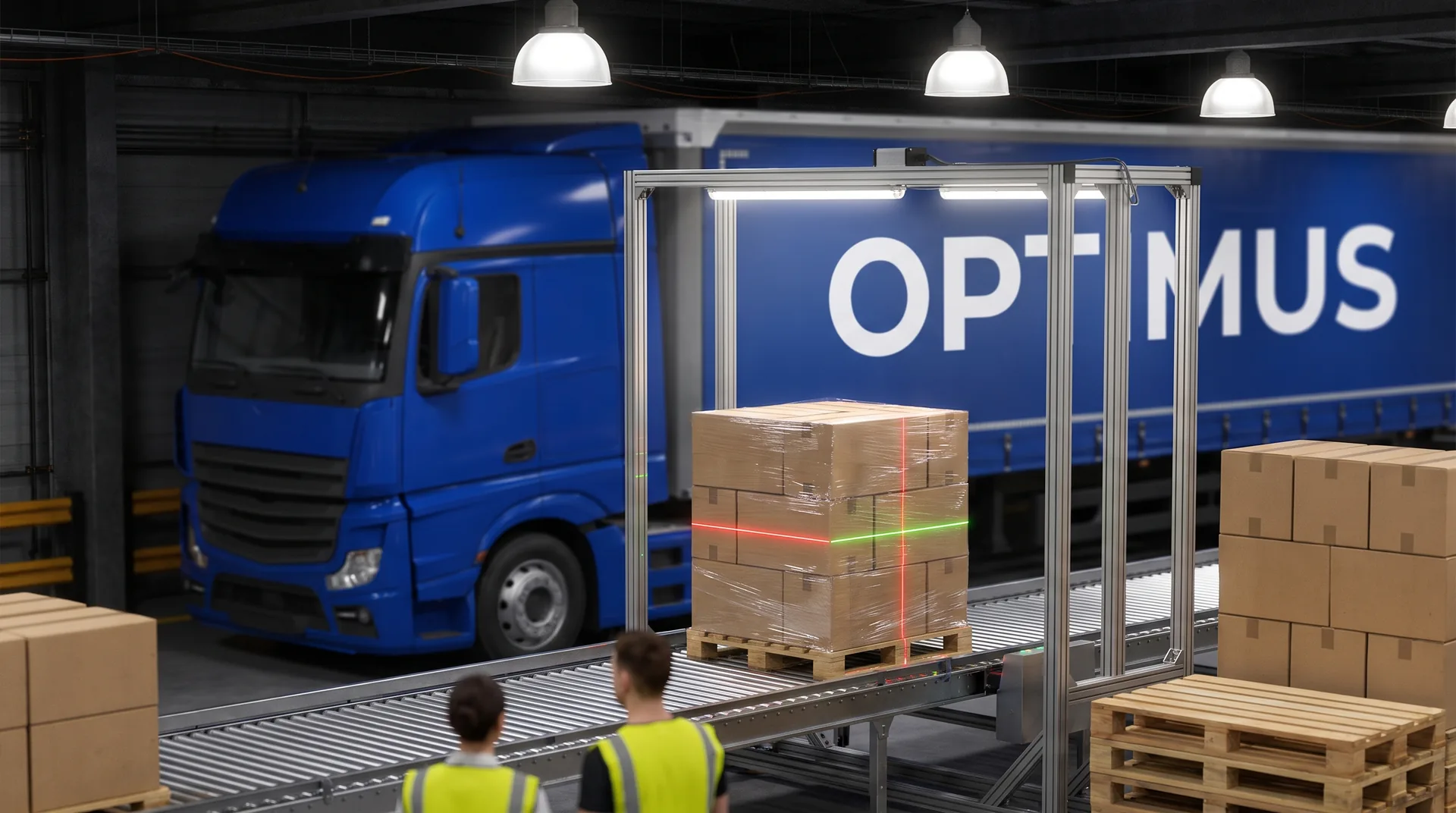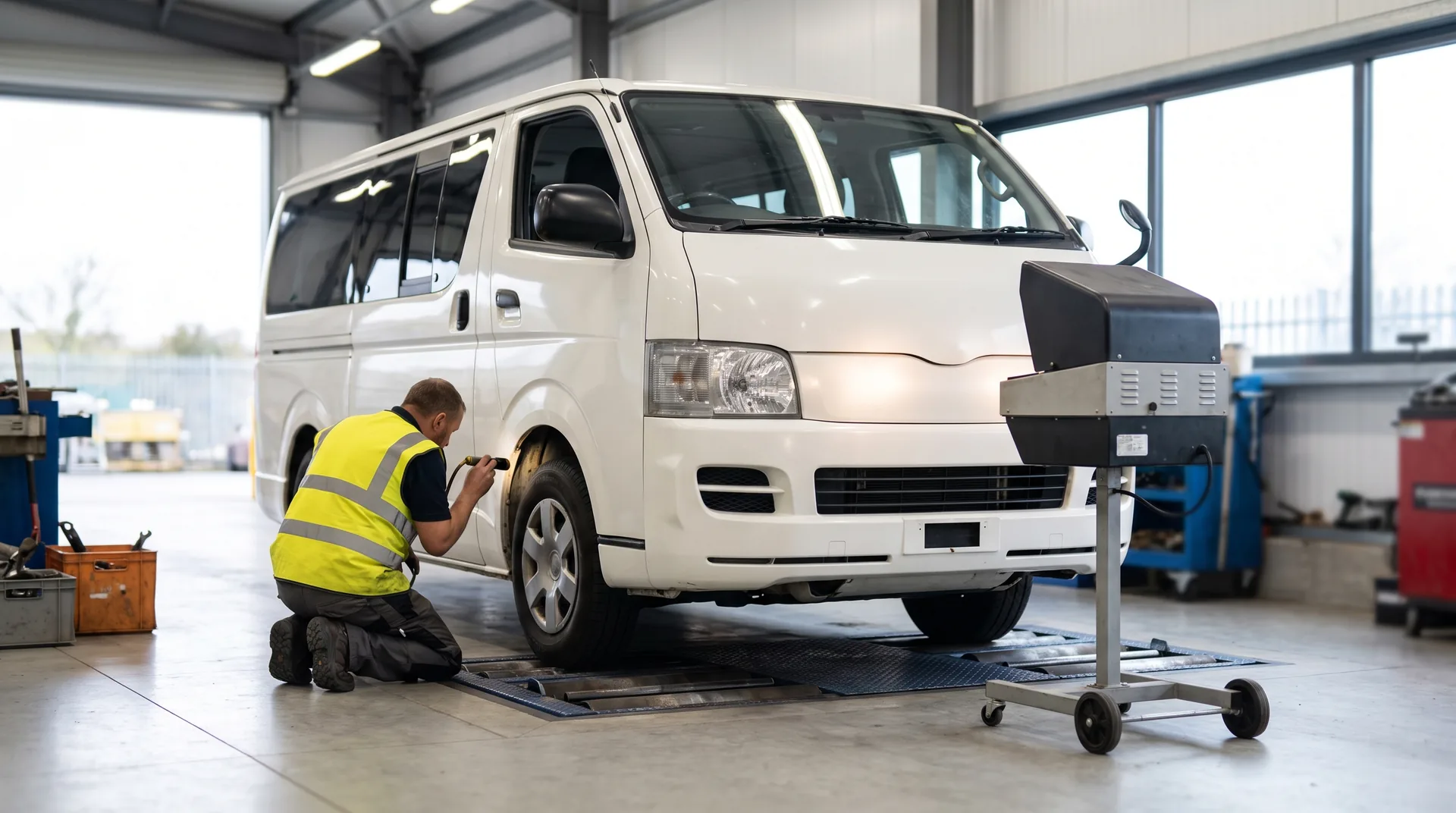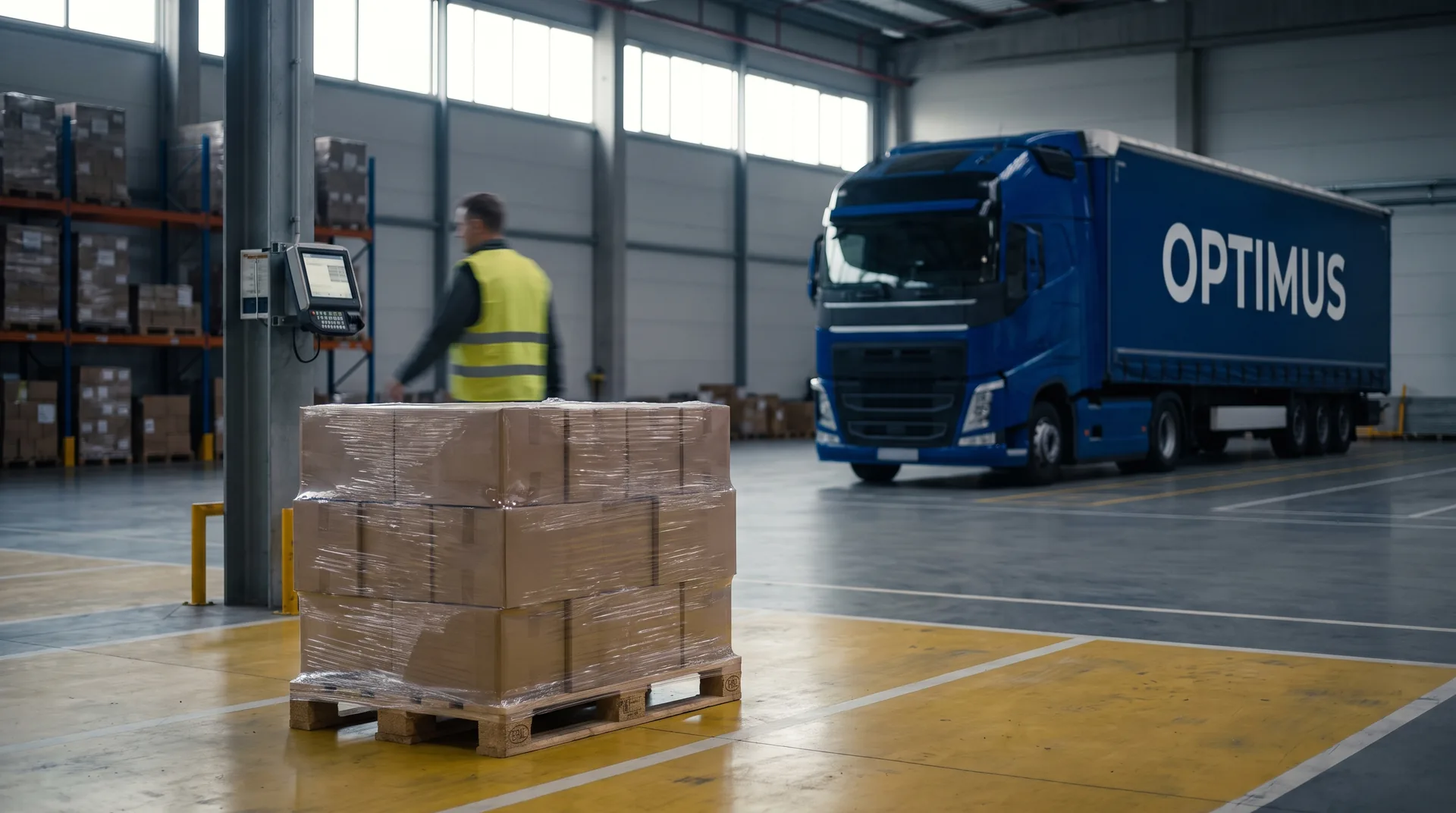
At collection the driver checks what is visible from outside: the number and marking of pieces, the condition of packaging, the securing and the match with the packing list. Reservations go onto the consignment note. Checking contents and product quality is a separate service whose scope we agree before collection. Photographic documentation is confirmed at booking.
What exactly does the driver check at collection?
Three layers of information as standard. First, quantity: the number of pallets, cartons or pieces matching what the shipper declared. Second, visible condition: whether the packaging is dry and undamaged, whether the film holds the load, whether anything overhangs the pallet, whether markings are legible. Third, fitness for carriage: whether the pallet can be safely stowed in the trailer and will survive transhipment. The driver does not open packaging and does not verify whether the carton holds the right product model - that falls outside carriage and no honest carrier promises it in the freight rate.
How does an inspection differ from quality control?
An inspection answers the question whether the shipment is fit for carriage and matches the document. Quality control answers whether the goods match the order. These are two different services, with different scopes and different responsibility. A carrier performs the first by the nature of the job. The second can be commissioned separately - and then the checklist must be agreed upfront: the piece count after opening the outer packaging, the presence of labels, the completeness of a set, visible product damage. Without such a list, control is a word rather than a service.
Reservations on the consignment note: why and when
An entry about a crushed carton, torn film or a mismatched pallet count is not an act of hostility towards the shipper but protection for everyone. Without it the assumption is that the goods left in good order, and any later problem has no reference point. So the driver records what is visible, and the shipper has the right to its own position on the same document. The practice of such entries is covered in the CMR consignment note, and the next steps after damage in the article on claims and damage reports. The framework of carrier responsibility is set out in carrier liability under CMR.
Photographic records from collection
Photographs of pallets before loading are the cheapest evidence that exists in road freight: a few minutes of driver time instead of a months-long argument about when damage occurred. On first orders from an unknown supplier, on fragile goods and on high-value consignments it is worth agreeing this scope in advance. We do the same in the other direction: photo reports also cover damaged cargo and inspections, described in the article on the inspection report for the insurer. The documentation scope for your order is confirmed at booking, because it varies with the type of goods.
What happens to the cargo after arrival at the Polish hub?
The shipment reaches the base in Kielce or the base in Legnica, where it is checked a second time: on receipt we compare its condition with what was recorded at collection. Only then is the cargo built into the load for the UK and, if its condition or dimensions require it, repacked, palletised or rewrapped. That double record, at collection and at receipt, is the heart of the matter: it places any problem on a specific leg of the journey instead of guessing after the fact.
Shortages discovered only at the hub
They happen, and they then have a clear reference point: the collection document. If the driver signed for the agreed number of pallets and fewer arrive, the matter concerns the carriage leg. If the discrepancy already existed at loading and was recorded, the conversation runs between buyer and supplier. No article can settle an individual case - each depends on the documents, the delivery terms and the commercial arrangements, and in a dispute we handle it together with the insurer. One thing is certain: without a solid record from both points nothing can be established at all.
When a wider check is worth ordering
- a first order with a new supplier, especially outside Poland,
- fragile goods, electronics, cargo sensitive to moisture,
- a high-value consignment where you are considering additional insurance,
- goods that go straight onto a retail shelf after delivery and must meet goods-in requirements,
- a history of earlier claims from the same source.
We agree the scope, timing and reporting before collection, so the driver knows what is expected and the shipper is not surprised by extra work at the ramp. On collections from several suppliers at once the subject returns with double force, which we cover in the article on collecting from several suppliers in one run.
Buying from a supplier you do not know and want certainty about the condition of the goods? Write through the quote form, describing the cargo type, and we will propose an inspection and documentation scope. The carriage model is described on the groupage LTL page.