Temperature-controlled transport to the United Kingdom means a chilled or frozen trailer, an unbroken cold chain and a temperature record covering the whole journey. For food and products of animal origin there is an additional sanitary and veterinary layer, including pre-notification of the import and health certificates issued in the country of despatch.
Three temperature bands, three different operations
Frozen loads need a low temperature held without fluctuation and are the most sensitive to any loss of power. Chilled loads have a narrow window and usually a short shelf life, so transit time matters as much as the setting. Loads needing only protection from frost or heat can travel under a simpler regime. We set the band from the producer specification rather than from a general product category. Working across several bands is described in multi-temperature storage in the UK.
The temperature record as evidence
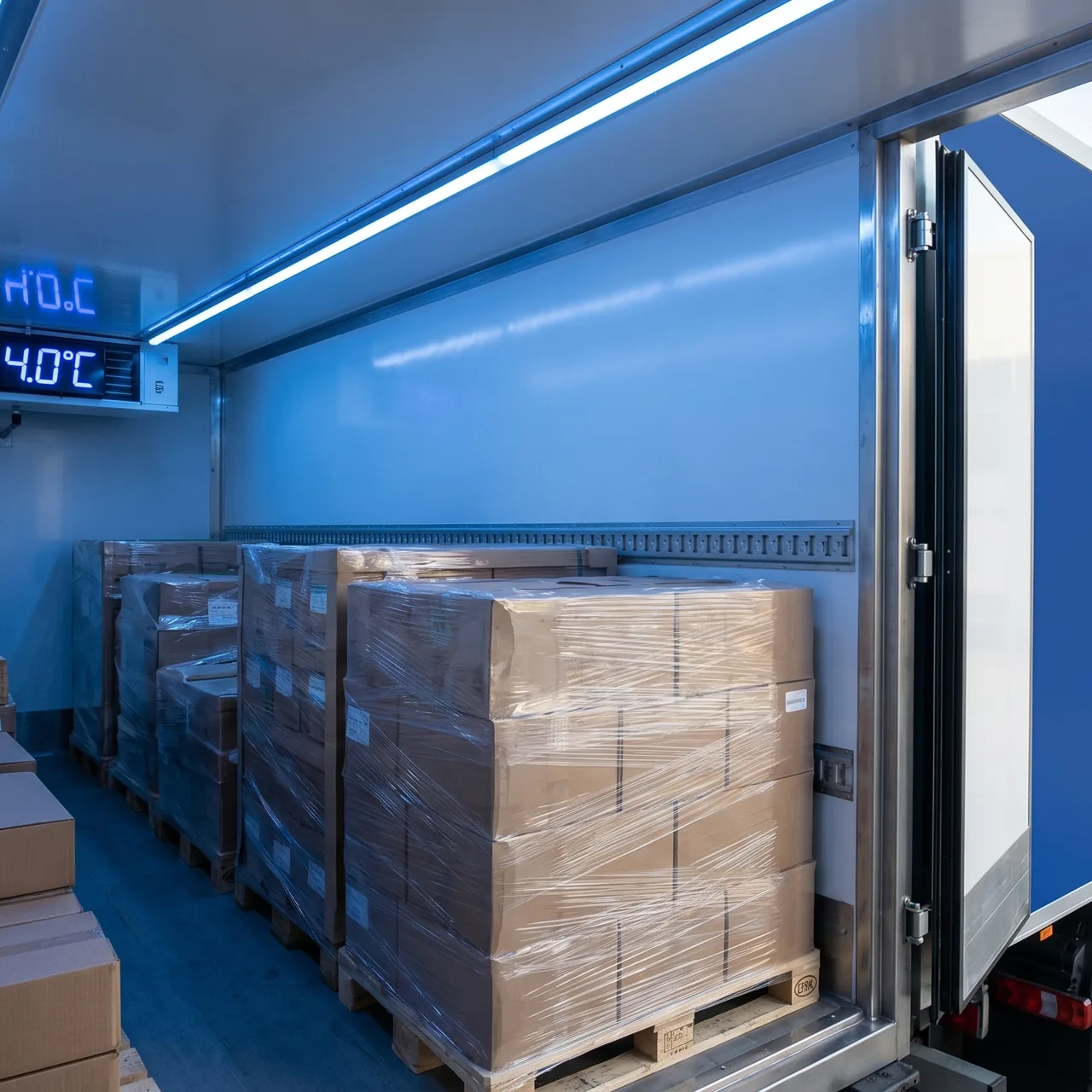
The recorder on the trailer logs the temperature profile across the journey. That printout is a document: it settles a dispute with the receiver, supports an insurance claim and is sometimes requested at a sanitary check. So the record goes into the job file rather than being wiped after unloading. What to do when the record shows a gap is covered in a broken cold chain.
Sanitary requirements on import into the UK
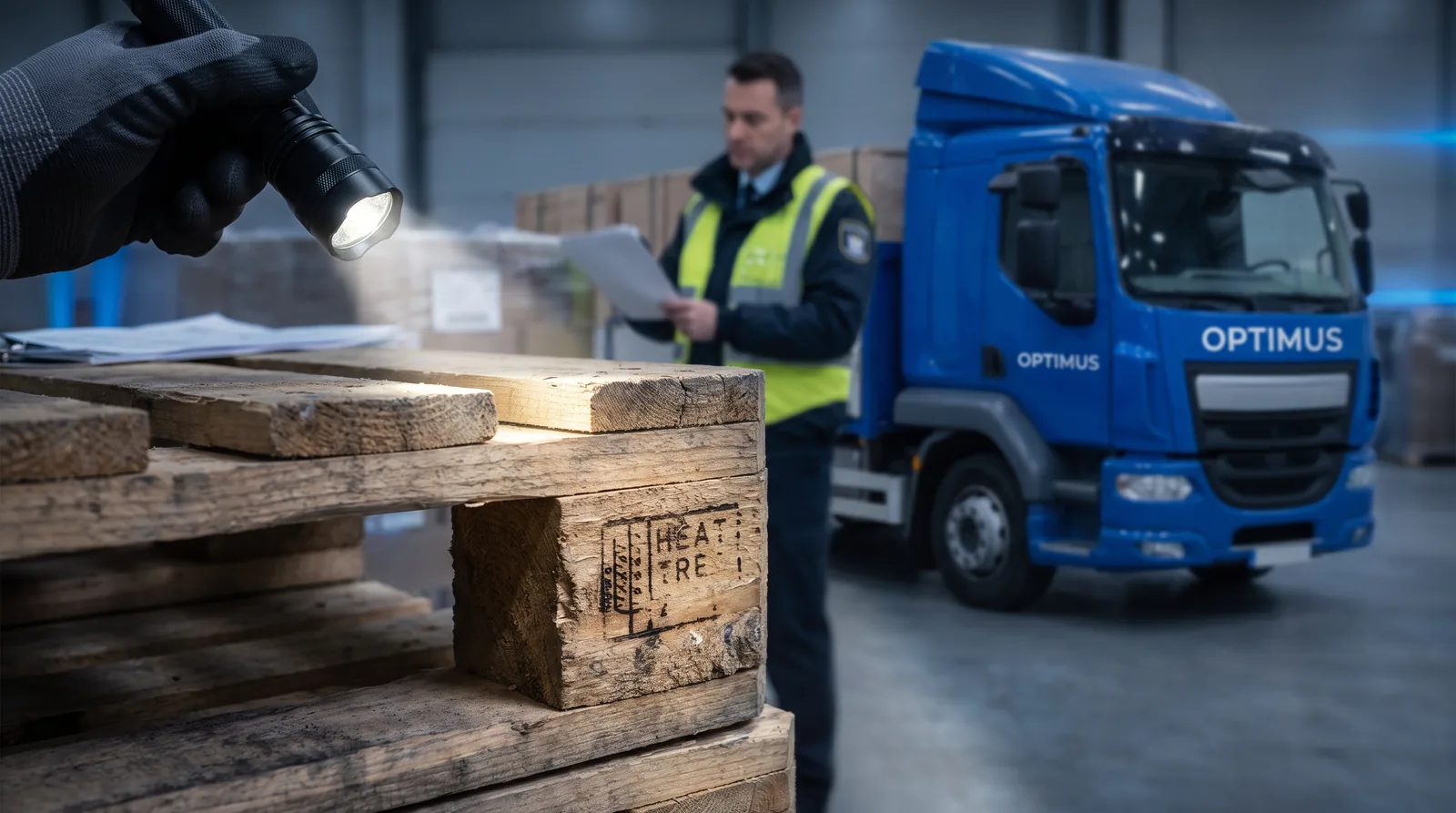
Food, plants and products of animal origin sit under a separate layer of control, independent of ordinary customs clearance. The scope depends on the risk category assigned to the commodity under the British border model: from pre-notification in the government system through to a health certificate and a check at a border control post. The model was introduced in stages, so we verify the requirements for a specific commodity at source before every shipment. The rules are set out in the BTOM model and in sanitary checks on food imports.
Checks on the French side
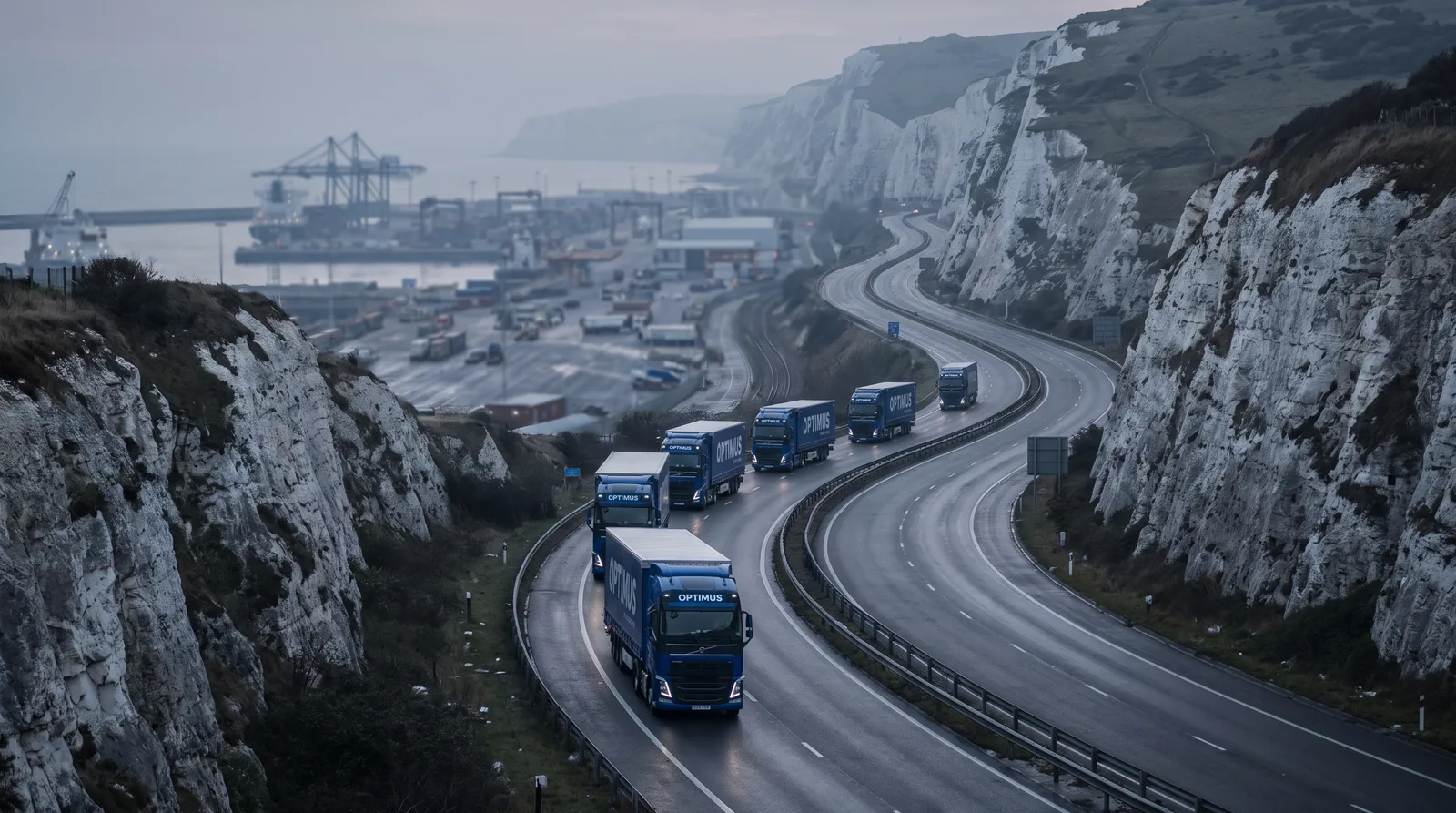
On the Channel route, products of animal origin returning from the islands into the EU pass through designated control points on the French side, which can extend the journey and requires advance notification. We cover that stage in French veterinary border checks. When planning sensitive movements we build slack into exactly that leg.
What we do if the receiver refuses the goods
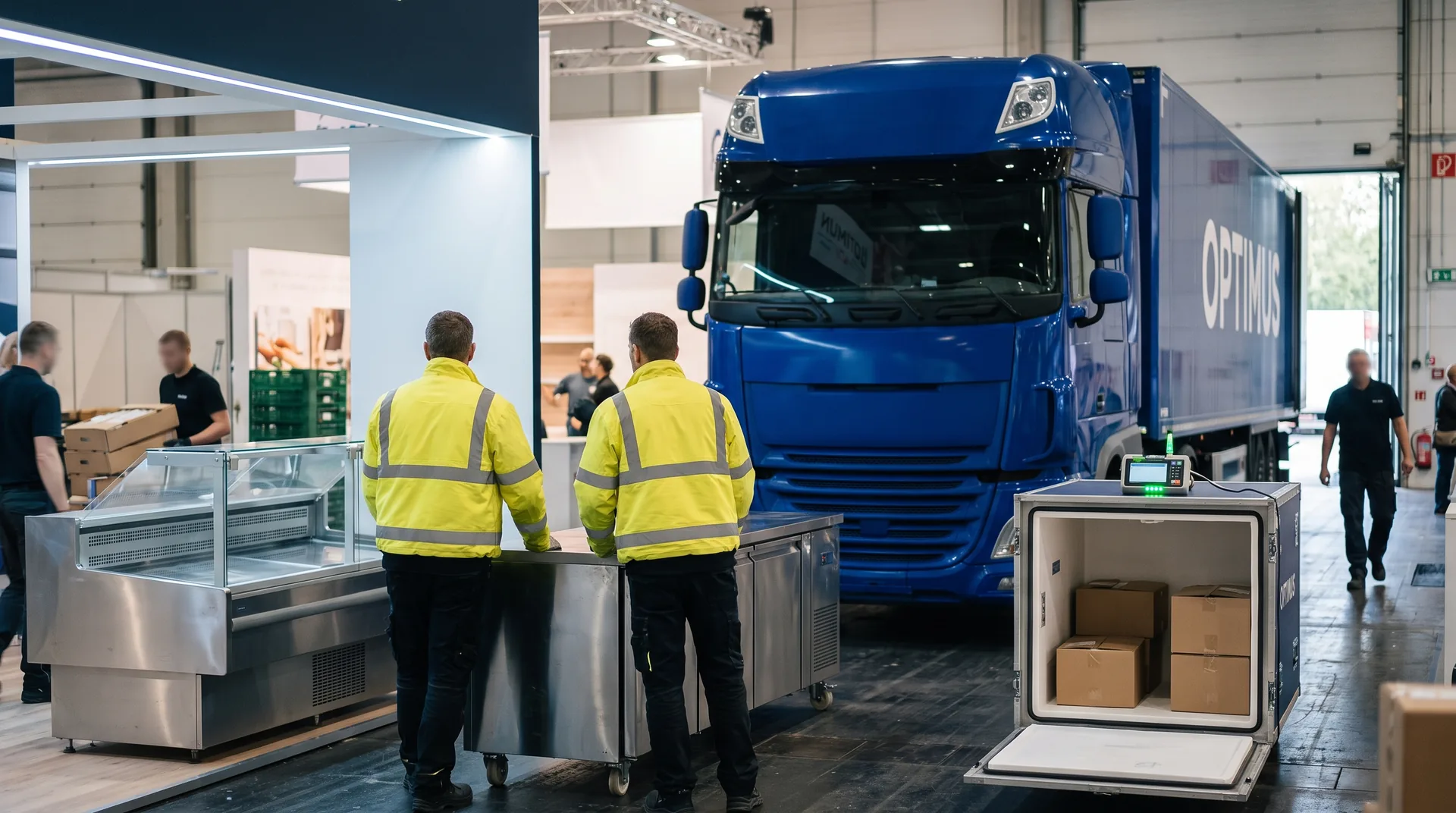
A chilled load cannot sit on a trailer while a dispute is resolved. Our own warehouse in Milton Keynes has chilled and frozen areas, so the goods come to us with the temperature maintained and the vehicle goes back to work. On site we carry out an inspection with photographic documentation, separate saleable units from unsaleable ones and, where necessary, arrange disposal with confirmation. The practice is described in temperature control for sensitive cargo, and recovery of rejected deliveries in recovering loads rejected by retailers. The same regime applies to deliveries onto an exhibition stand, where temperature-sensitive product travels alongside refrigeration equipment and disposables; we separate those streams in catering and chilled displays at trade fairs.
How to prepare the consignment
Tell us the required temperature band, the tolerance, how the goods are palletised and the shelf life. The goods should be pulled down to temperature before loading, because a refrigeration unit maintains conditions rather than cooling a warm load. Pallets need to allow airflow, so wrapping them tightly from top to bottom is often a mistake. Deliveries into retail add booking windows, described in slot deliveries of food into distribution centres. The movement itself runs under our refrigerated transport service.
A failure en route: what happens and in what order
A refrigeration unit can fail however well the movement was planned. What counts then is speed and documentation. The order is fixed: the driver reports the event to the operations desk and records the time, the temperature in the load space is read, a repair is arranged at the nearest workshop or a replacement vehicle running the same regime is provided, and any transfer takes place under cover rather than on an open park. In parallel we inform the receiver and, where necessary, the insurer, because the decision on what happens to the goods belongs to their owner rather than the carrier. The recorder data is preserved in full, including the period of the failure, because that is what later decides whether the goods are saleable. Where the event happens on the British side, controlled-temperature recovery is carried out at our warehouse in Milton Keynes.
Sources
- GOV.UK: Border Target Operating Model
- GOV.UK: import of products, animals, food and feed system
- Food Standards Agency: UK food requirements
Moving goods that need controlled temperature? Give us the band, the commodity and the timing in our quote form and we will match the trailer, establish the sanitary requirements and plan the route with slack for checks.