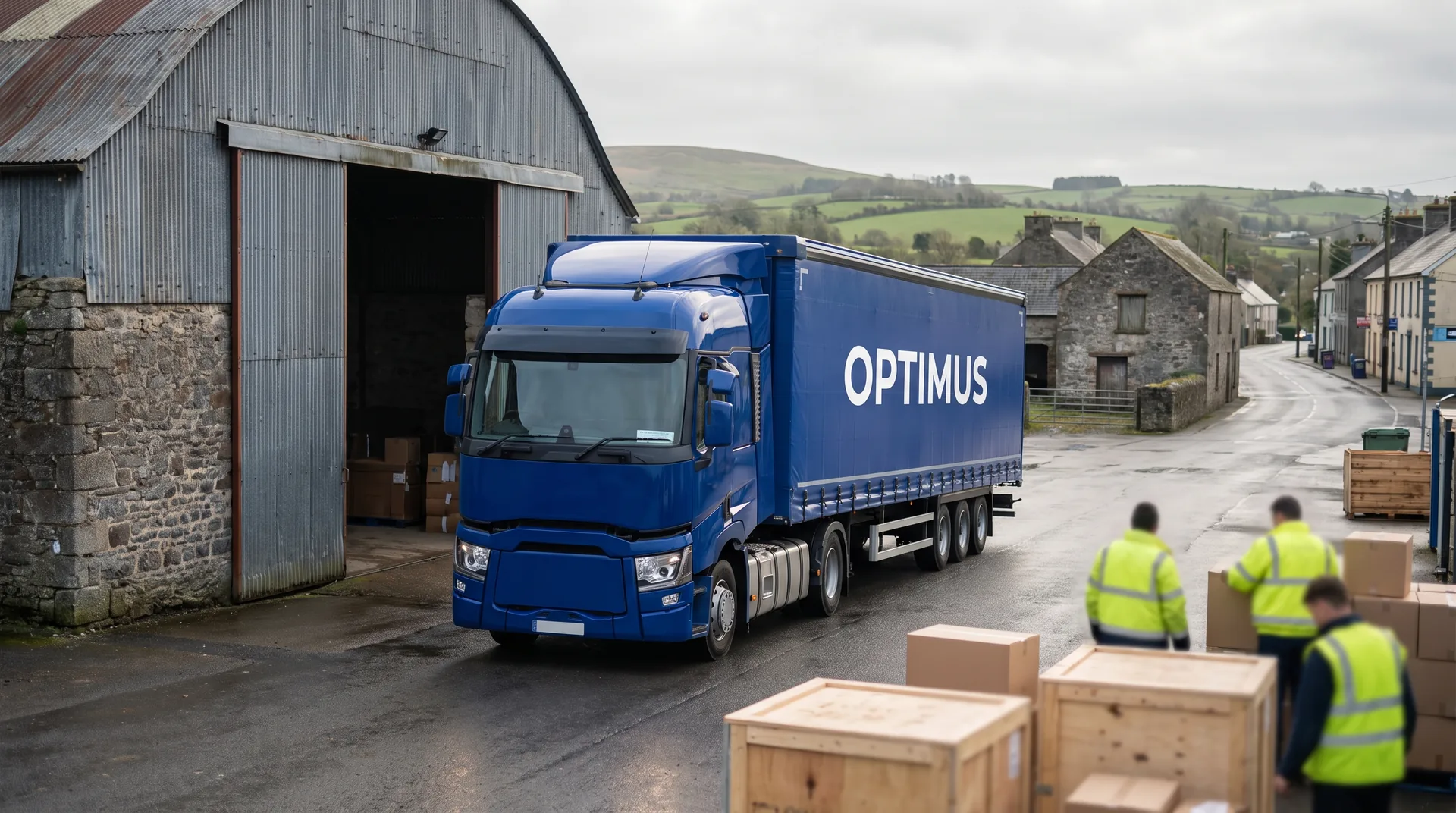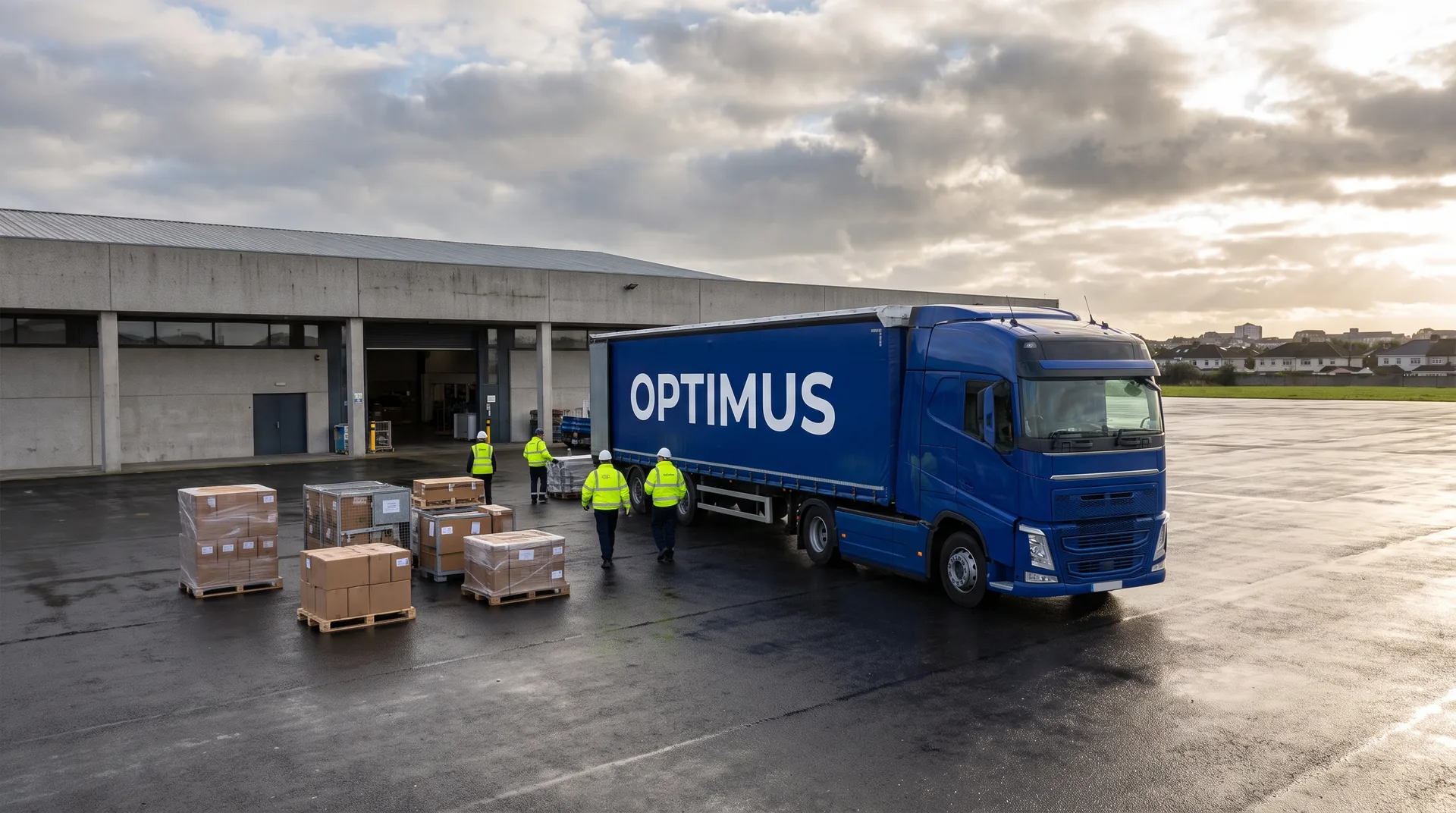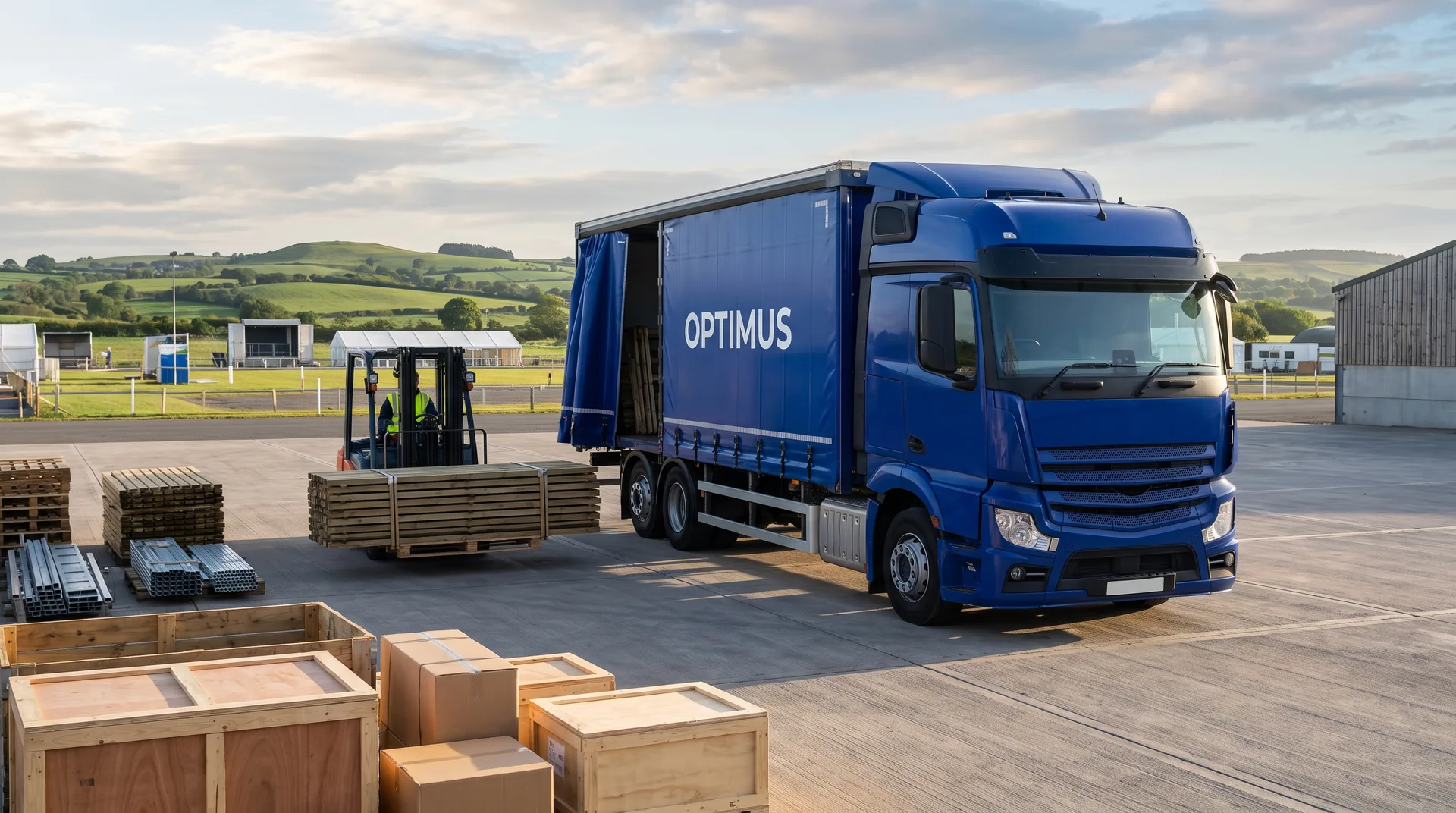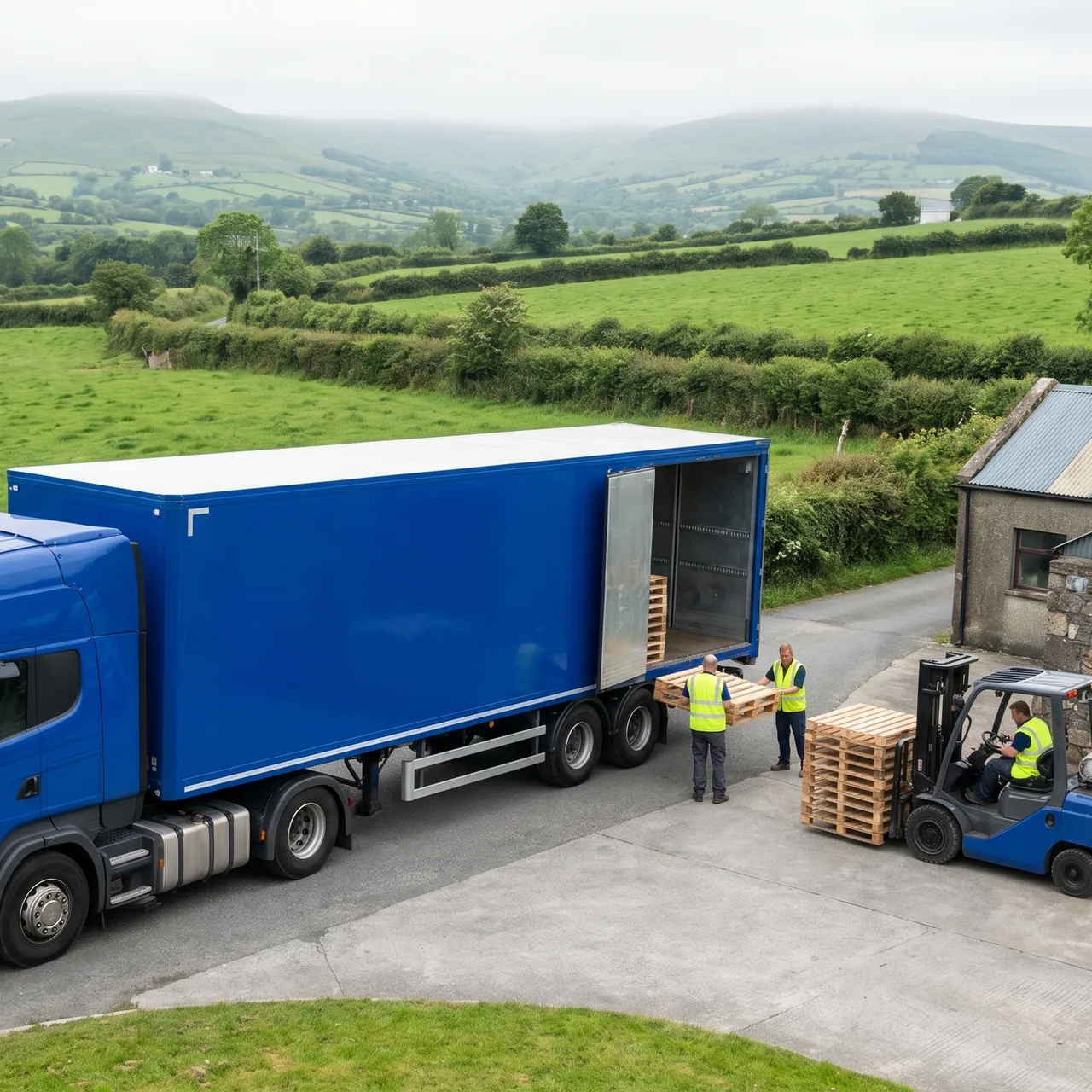
A movement from Ireland to Poland is intra-EU transport, so there is no customs clearance between the two countries. Formalities appear only when the return route runs through the United Kingdom: then T2 transit or proof of the goods' Union status is needed. We plan return loads together with the outbound delivery so the vehicle does not travel home empty.
Why the return from Ireland is not the mirror image of the outbound
Sending goods from Poland to Ireland and bringing them back look like mirror images, but they are not. Outbound, the vehicle carries booked freight and the date is known in advance. Inbound, you have to find cargo that happens to be waiting, within a sensible radius of the unloading point and in a time window that fits the driver. That is a planning task, not a paperwork one: there is no customs procedure at all on an Ireland to Poland movement, because both countries are in the Union.
Two return routes and the difference between them
Two sensible routes lead from Ireland to continental Europe. The first is a direct ferry from Irish ports to the continent, avoiding the United Kingdom: a longer sailing, but no customs formalities. The second is the land bridge, crossing the United Kingdom with two sailings: less time at sea, but Union goods travel through a third country and their status has to be preserved. Which to choose depends on the deadline, the type of cargo and whether there is anything to collect in Britain. We develop the comparison in direct transport versus the land bridge.
T2 transit and Union status in practice
If the return route runs through the United Kingdom, Union goods cannot simply pass through: their status has to be proven, or on re-entry to the continent they will be treated as non-Union goods, with duty and tax charged again. The T2 transit procedure or a document proving Union status serves that purpose. The choice depends on the nature of the movement and on who acts as declarant. We describe the mechanism in transport to Ireland via the UK and the T2 procedure and in the T2L document and Union status. This is where costly mistakes most often happen, because the formality looks unnecessary right up until an inspection.
What actually comes back from Ireland
Ireland exports a fair amount to Central Europe, though the mix differs from the inbound flow. Back come industrial components and finished goods from plants around Dublin, Cork and Limerick, food products, returnable packaging, equipment after construction and event projects, and returns from consignees. A separate stream is stock that did not sell or was rejected and goes back to the producer. We cover the service regions in transport to Dublin and Cork and in transport to Limerick and western Ireland.
How we plan a return that makes economic sense
- We look for the return load before the outbound trip, not after unloading.
- The collection radius is matched to the departure port, so we do not cross half the island for one pallet.
- The collection window has to fit within driving hours, otherwise the saving disappears in waiting time.
- Several small loads are consolidated into one vehicle rather than sent as two half-empty ones.
The same logic applies on the British side, described in return loads from the UK.
What to prepare for a return booking
To quote we need the collection address with postcode, pallet count with dimensions and weights, whether the pallets can be stacked, and the working hours of the loading point. If the goods need particular conditions, controlled temperature for example, say so at once, because it changes the vehicle. If the cargo continues beyond Poland, to Czechia, Slovakia, Austria or Hungary, mention it in the enquiry: the movement then runs through our consolidation, described on the consolidation via Poland page.
Sources
- Revenue: customs information for movements from Ireland
- European Commission: taxation and customs union, transit procedures
Have goods to collect in Ireland? Send the collection address, pallet count and date through the quote form and we will check when we have a vehicle in the area. The whole route is described on the transport to Ireland page.