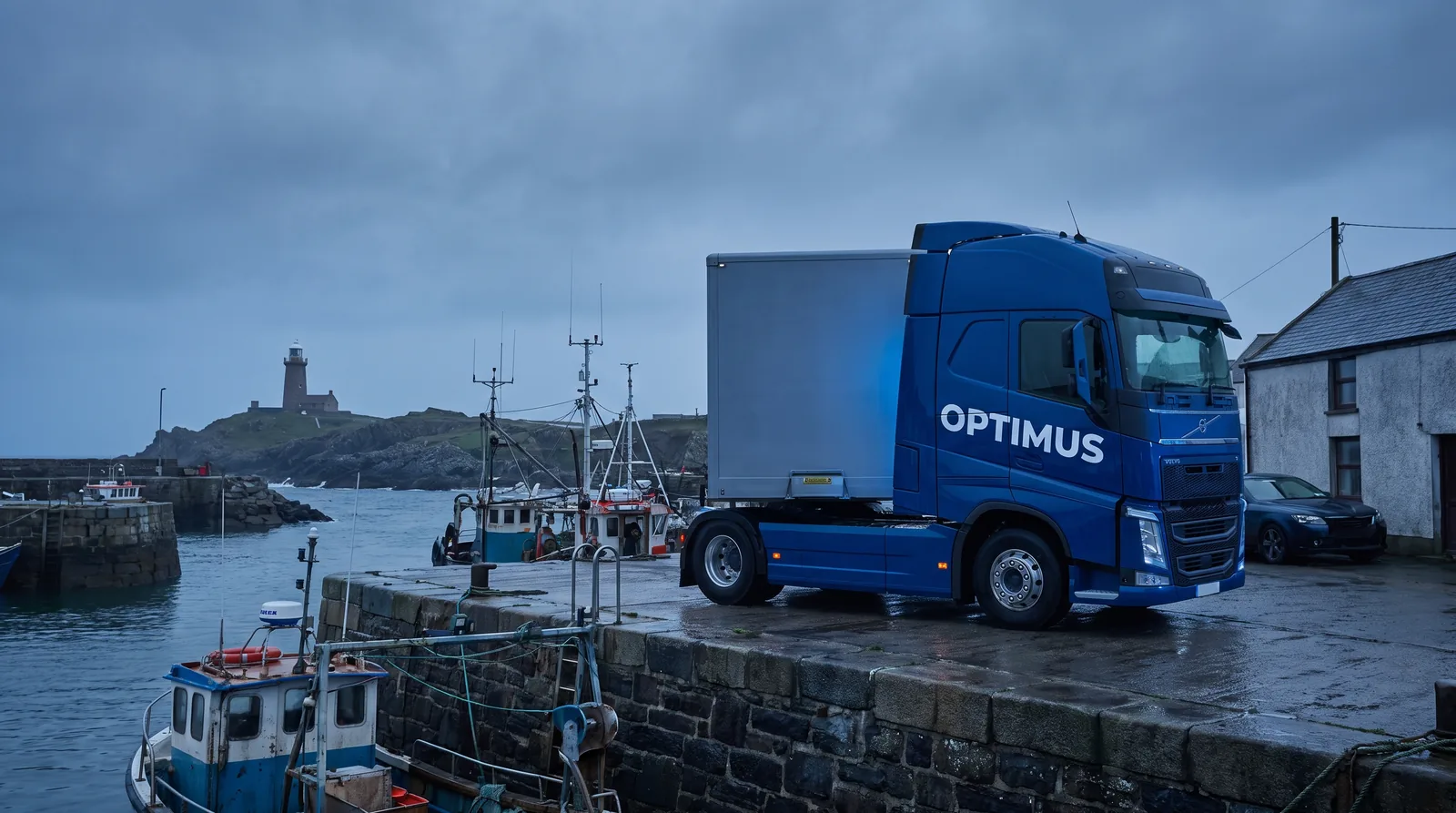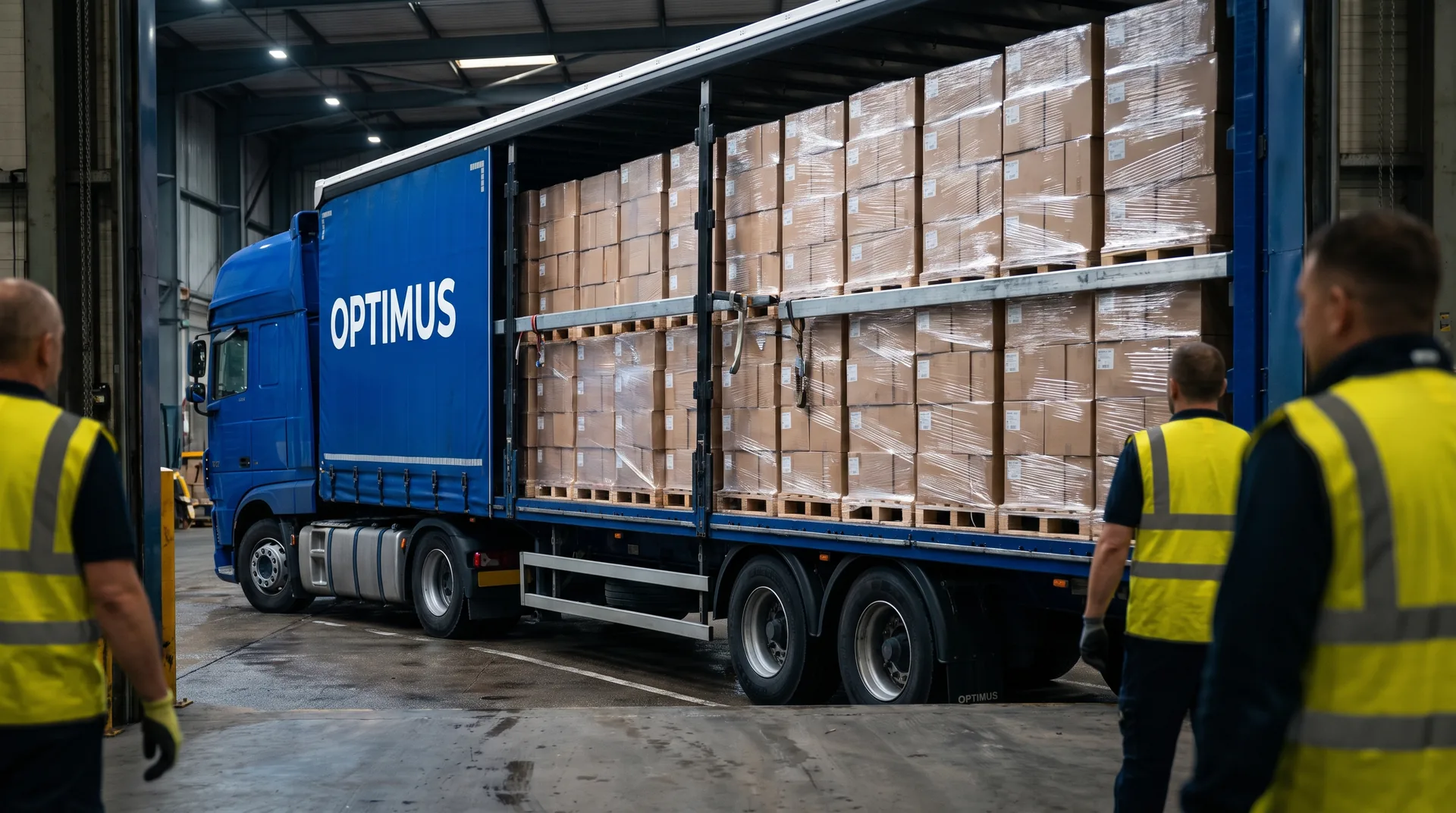
We run transport to Ireland in two formats: groupage LTL from as little as one pallet, and FTL, a whole truck used exclusively. Dublin and Cork are the most frequent delivery points. Ireland is an EU country, so EU goods travel without import clearance; we only choose the route: the landbridge through Great Britain with customs transit, or a direct ferry from the continent.
Groupage to Dublin and Cork: from a single pallet
Transport to Dublin does not require hiring a whole truck. In the LTL format your shipment: from one pallet to several pallet spaces, travels together with other cargo heading the same way. We consolidate goods at our base in Poland and arrange them so that deliveries in Ireland run smoothly. It is the right solution for regular commercial shipments, production top-ups and smaller batches of goods.
- LTL from 1 pallet up to a dozen or so pallet spaces.
- Consolidation in Poland and delivery to the given address in Ireland.
- Dublin, Cork and the remaining regions of the island within the same delivery network.
- Option to combine with collections in Czechia, Slovakia, Austria and Hungary.
FTL: a whole truck exclusively
When the cargo fills a trailer or needs a separate vehicle (deadlines, value, nature of the goods), we assign a dedicated truck. An FTL to Dublin or Cork travels with no transhipment on the way: from loading at the sender to unloading at the receiver. It is the format for full batches of goods, sensitive cargo and deliveries into a specific unloading window.
Landbridge or a direct ferry
Ireland can be reached through Great Britain (the landbridge) or by a direct ferry from continental ports. The landbridge requires customs transit, because EU goods pass through a third country; the direct ferry avoids UK formalities but involves a longer sea crossing. Neither option is better by default: the delivery calendar, ferry availability and the nature of the cargo decide. You will find a comparison of both routes in the article direct ferry or landbridge. In the south-east of the island there is also the direct ferry to nearby Rosslare, which for full loads can be a shorter road than the landbridge; we set it out in transport to Waterford and south-east Ireland.
Formalities: fewer than you think
For EU goods, transport to Ireland requires no import clearance, no duty and no border VAT: standard transport documents are enough. We arrange transit on the landbridge route as part of the service. Customs only comes into play when Great Britain is the destination or when Northern Ireland is involved: we describe those scenarios on the customs clearance page.
How an order works step by step
We start with the cargo data: the number of pallets or pallet spaces, weight, dimensions, the nature of the goods and the loading and delivery addresses. On that basis we propose the format: LTL or FTL, and the route: the landbridge with transit or a direct ferry. Once the order is confirmed we plan the collection, and a groupage shipment goes into consolidation at our base in Poland. The cargo then travels the planned route to Ireland while we look after the documents and keep you informed about the status. On arrival the goods are delivered to the given address in Dublin, Cork or another region of the island.
What most often travels on this lane
- Commercial and e-commerce goods in regular groupage batches.
- Components and production top-ups for plants on the island.
- Full batches of goods in the FTL format for specific unloading windows.
- Exhibits and materials for industry events: more in the article on fairs in Ireland.
Returns and regular service on the lane
We also cover the return direction: loads from Dublin, Cork and the surrounding areas to Poland, which allows regular flows both ways. More in the article on returns from Ireland and on the destination page transport to Ireland.
Need a quote for transport to Dublin or Cork? Contact us: we will match the LTL or FTL format and the best route to your cargo.