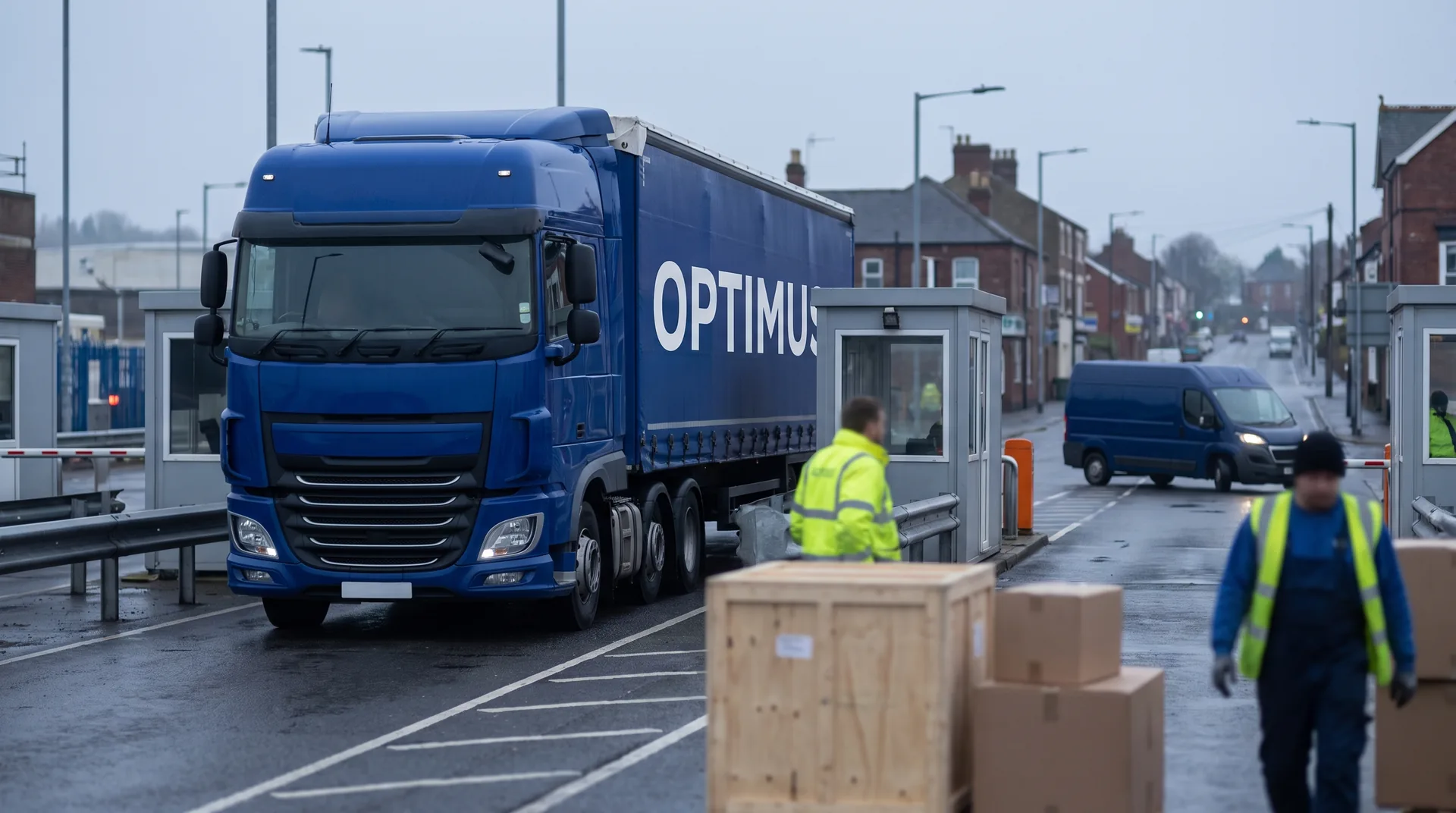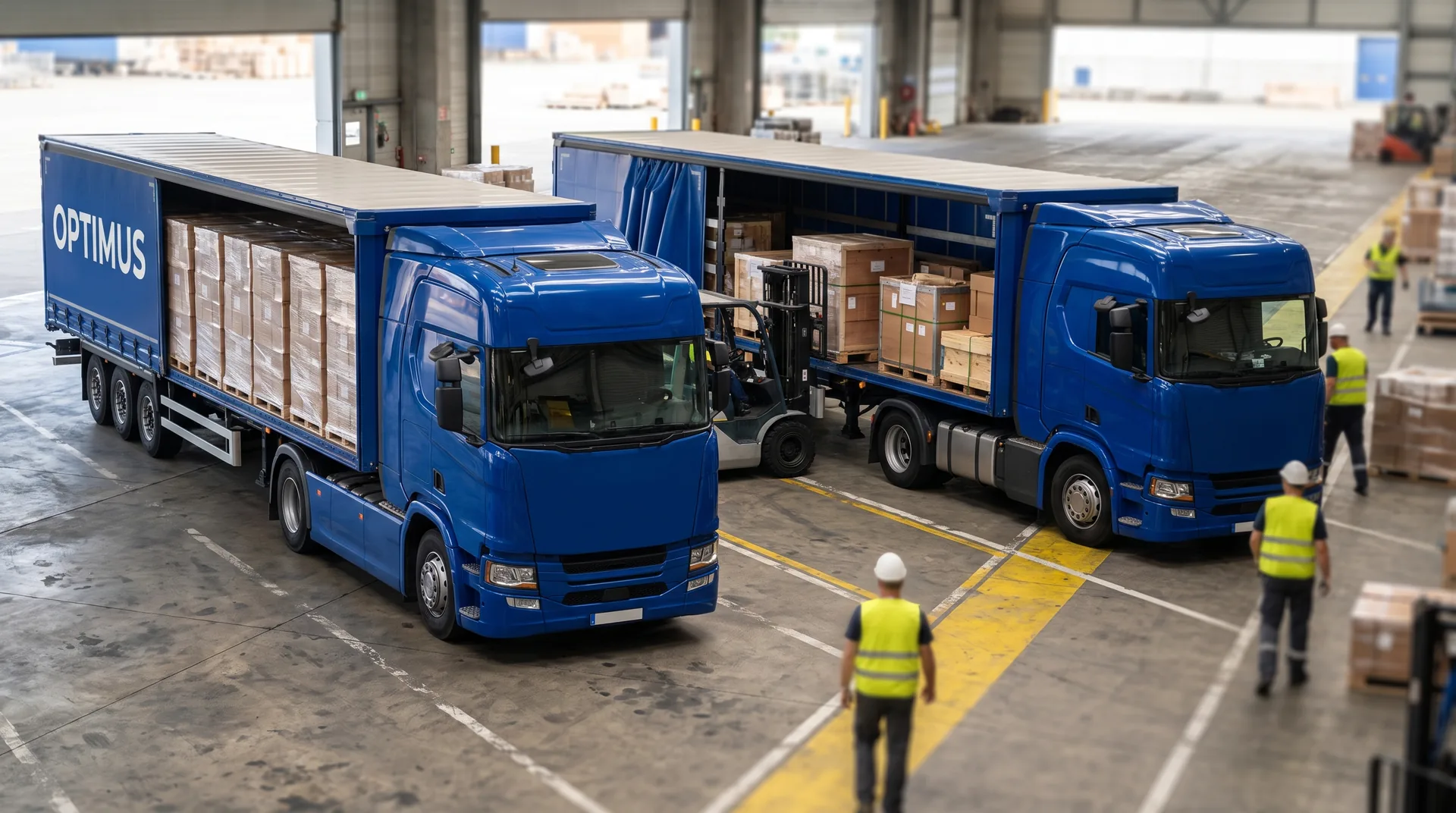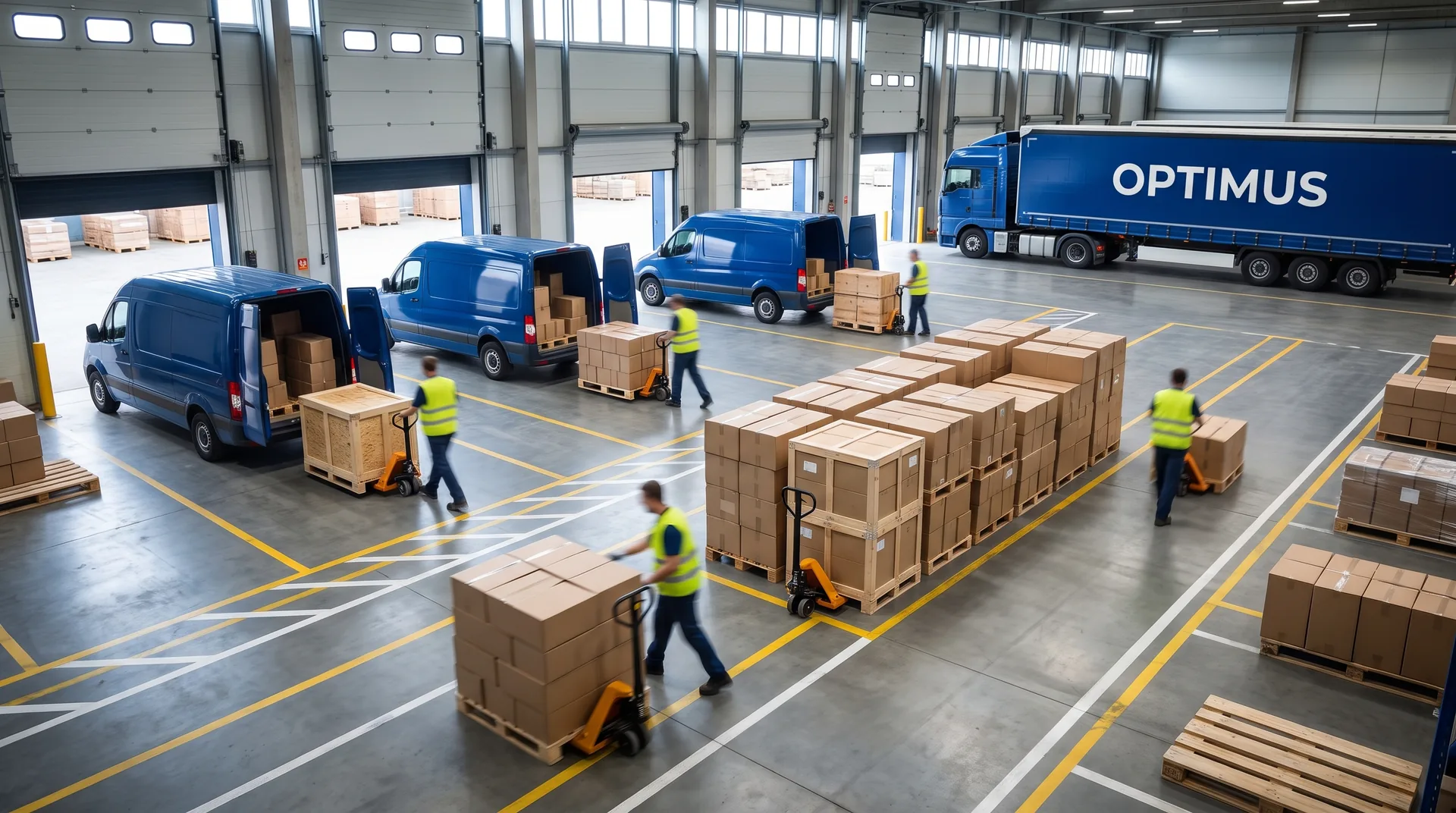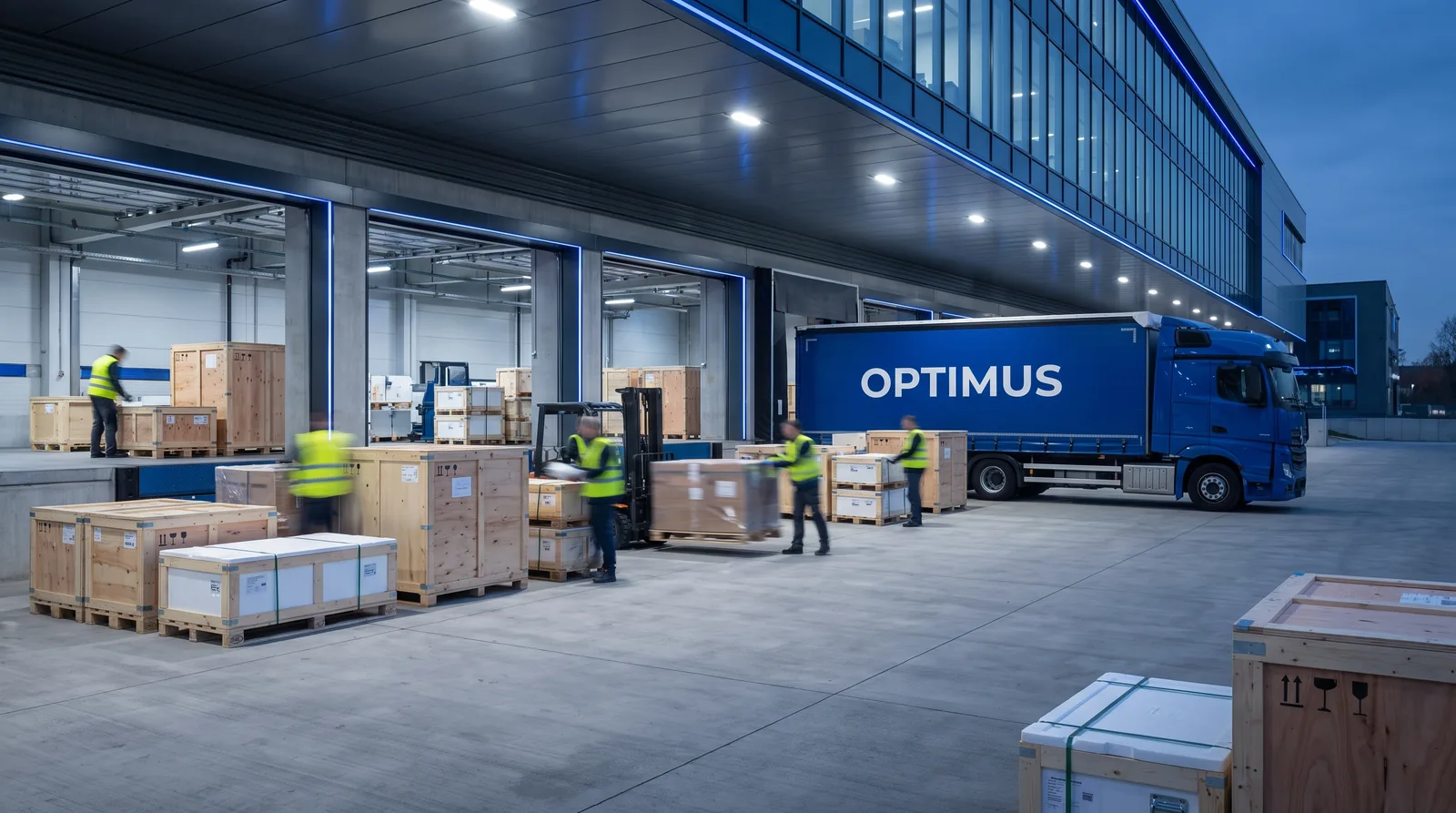
We deliver loads from Poland to Cambridge, Norwich, Ipswich and the whole of East Anglia: laboratory equipment, components, fit-out and trade goods from a single pallet. The region has no charging zone for trucks, and groupage delivery usually takes 2 working days from loading, because the A14 corridor lies close to our routes from the crossing and the Milton Keynes warehouse.
How do laboratory deliveries differ from ordinary ones?
In discipline. Life science sites and laboratories receive goods against bookings, in set windows, often with requirements on packaging, cleanliness and per-item documentation. Laboratory equipment can be sensitive to shock and orientation: it travels labelled, secured without pressure on housings, and unloading needs a tail lift and pallet truck, because ramps are rare in science parks. Pharmaceutical products bring GDP chain requirements, described in our article on pharmaceutical transport to the UK; temperature-controlled carriage is provided by our refrigerated transport service.
What do we carry to East Anglia?
Three streams. The first is technology and science around Cambridge: instruments, electronic components, laboratory and office fit-out. The second is the farming and food processing of Norfolk and Suffolk: machinery, parts, packaging, and in season goods under controlled temperature. The third is the ordinary consumer market of Norwich, Ipswich and Peterborough: furniture, fit-out, retail stock. The common axis is the A14, linking the Midlands with the port of Felixstowe, along which the region's main industrial estates sit.
Felixstowe next door: what does it change?
The country's largest container port draws warehousing and logistics firms to the region, but for cargo from Poland the port is not on the way: our goods travel overland through the Channel and skip the terminal queues. We use the Felixstowe neighbourhood differently: delivering components to firms that export by sea, and distributing goods devanned from containers across Britain. A pallet from Poland and a container from Asia meet at the same receiver, each at its own rhythm.
What does delivery look like?
Single pallets travel as groupage LTL through the Milton Keynes warehouse, just over an hour's drive from Cambridge; that lets us buffer deliveries against laboratory booking windows. Larger consignments go by FTL vehicle, urgent shipments by express van straight from Poland. Neighbouring London is covered in transport to London: East Anglia and capital routes often combine.
A science park delivery checklist
- A booking in the receiver's system and driver details provided in advance.
- A tail lift and pallet truck on the vehicle, because most sites have no ramp.
- Packaging and labelling to the site's requirements, including shock indicators on instruments.
- A delivery document matching the order line by line; mismatches turn back at the gate.
- For temperature-controlled products: a temperature record covering the whole route.
Peterborough and the e-commerce base
On the region's western edge lies Peterborough, a distribution node on the A1(M) with big fulfilment warehouses and printing plants. Deliveries there look different from laboratory ones: warehouse slots, pallet labels and documents matching the order matter, and the day runs to goods-in windows. We serve both worlds on one route: a morning drop at a science park near Cambridge, an afternoon one at a distribution centre near Peterborough. For Polish clients that means one quote and one vehicle instead of two separate jobs.
The farming season: machinery and parts on time
Norfolk and Suffolk live to the rhythm of the fields, and that rhythm does not wait for logistics. In spring and summer we carry farm machinery parts, assemblies and processing plant equipment on an urgent footing: a combine standing idle at harvest costs more than any transport, so parts travel by express van straight from Poland, often with next-day delivery. Out of season we deliver machinery, processing lines and packaging at the normal groupage rhythm. If your receivers work seasonally, tell us: we will set the time margin so the peak surprises neither side.
Sources
- Port of Felixstowe: port information
- Cambridge Science Park: park information
- GOV.UK: Clean Air Zones in England
Planning a delivery to Cambridge or East Anglia? Send an enquiry through the quote form. The full direction is on the transport to the United Kingdom page.