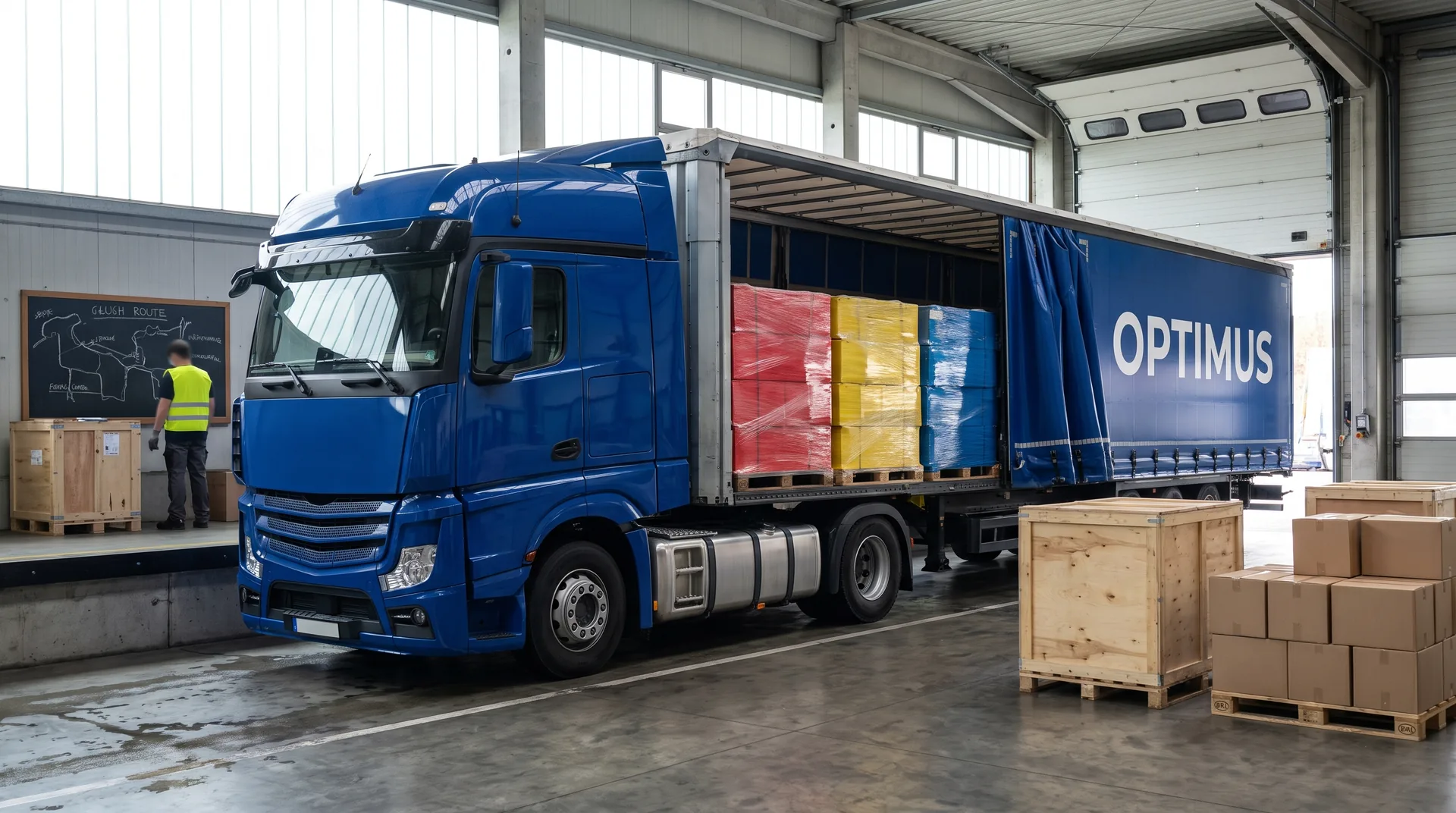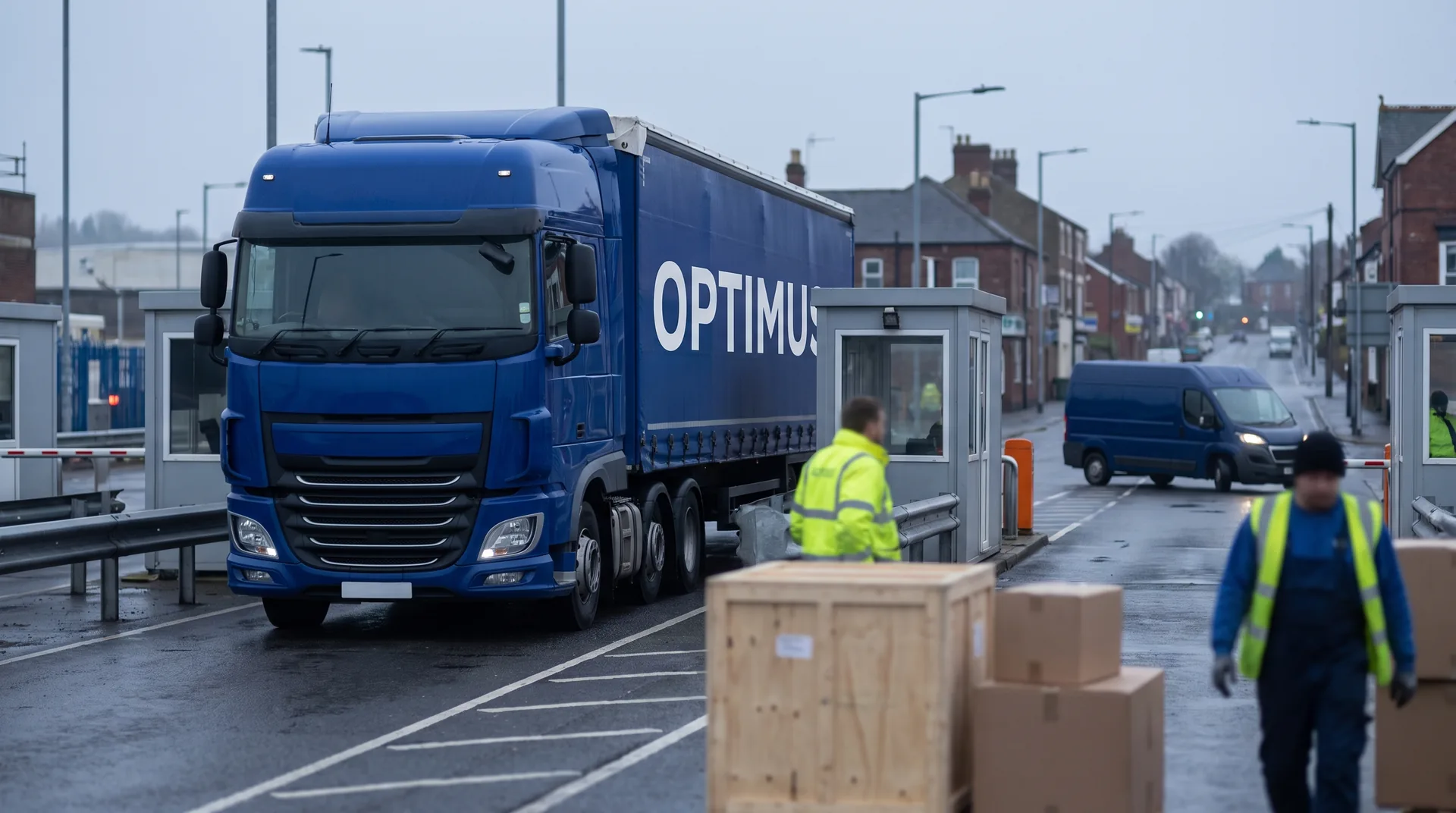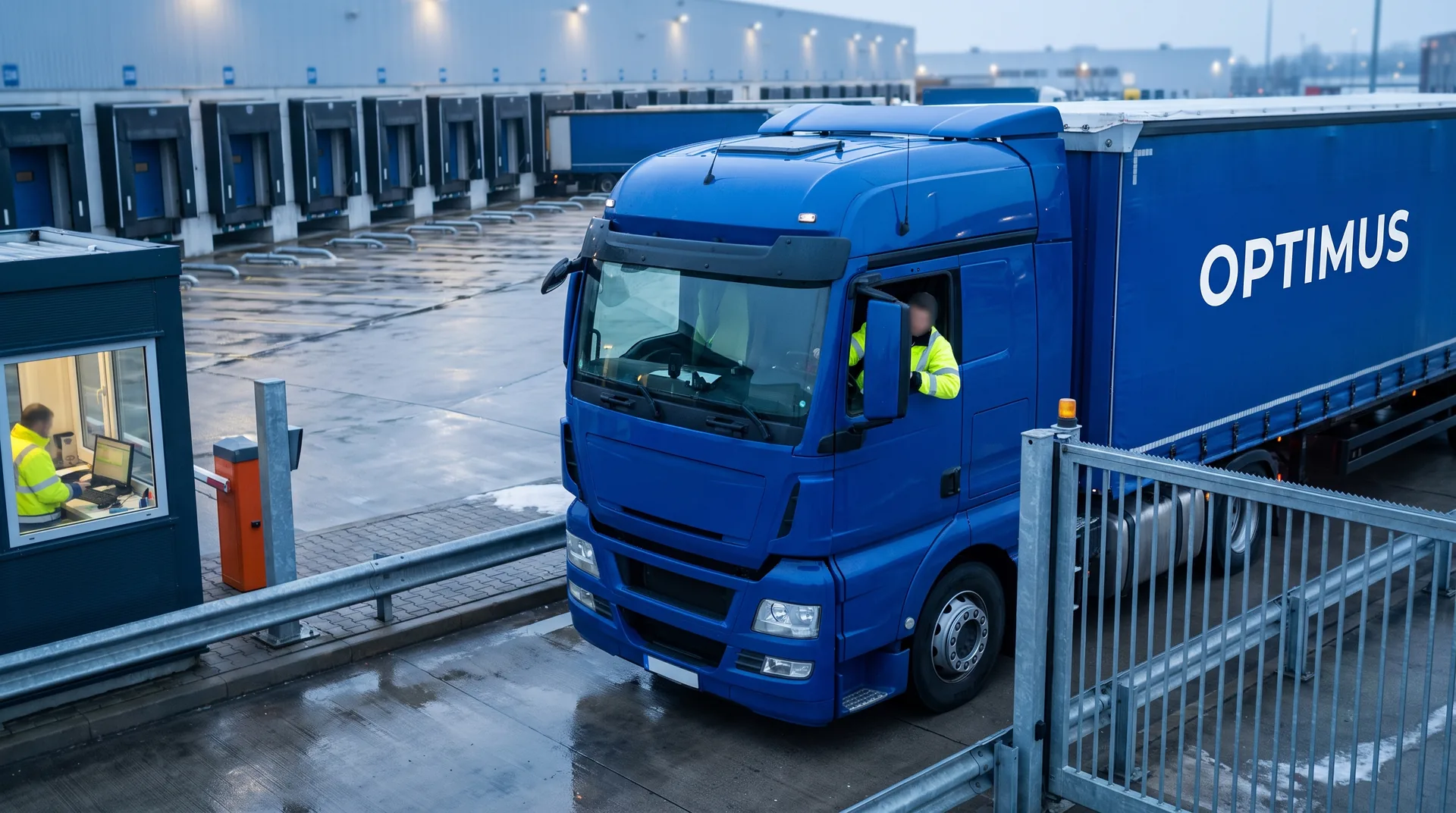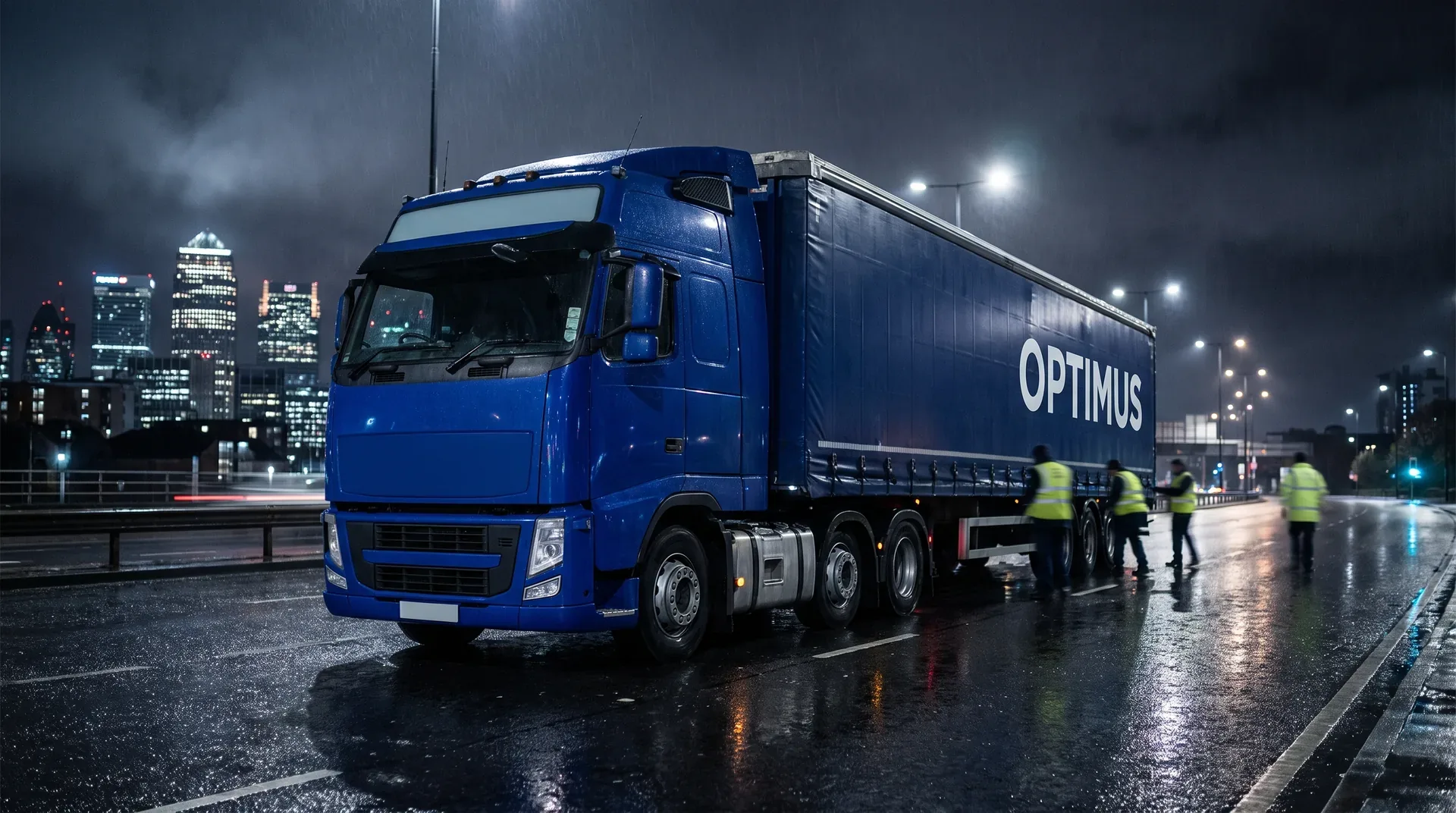
We deliver cargo from Poland to London as LTL groupage from 1 pallet or as a full FTL load. The route runs across the Channel to Dover, from where London is roughly 80 miles away. Entering by lorry means meeting LEZ emission standards and DVS camera requirements, and we plan the delivery itself around booking windows, red routes and night restrictions.
Two ways into London: straight off the trunk run or via Milton Keynes
From Dover the route runs along the A2 and M2 or the M20 and M25. The distance is roughly 80 miles, but journey time depends on M25 traffic and the time of day, so we do not promise fixed hours. The second option is our warehouse in Milton Keynes, about 50 miles from central London on the M1. Goods come off the trunk vehicle into the warehouse and leave for London on a smaller vehicle exactly on the agreed slot. For city centre addresses, construction sites and shops this buffer often saves the deadline, because the delivery no longer depends on what time the ferry docked.
Zones: LEZ and DVS, what the vehicle must meet
The whole of Greater London sits inside the LEZ: lorries over 3.5 tonnes must meet the Euro VI standard or pay a steep daily charge. The widely reported ULEZ applies to vehicles up to 3.5 tonnes, so it does not directly cover an articulated lorry. On top of that comes the Direct Vision Standard: cameras check whether a lorry over 12 tonnes holds the required cab visibility rating or carries the Progressive Safe System kit. Our fleet meets these requirements. Charges and zone maps are covered in our article on UK clean air zones, and the camera detail in the piece on London DVS (as at August 2026).
Red routes and night restrictions at the delivery point
- Red routes are the main arteries managed by TfL, marked with red lines along the kerb. Stopping outside marked bays ends in a penalty, so we plan unloading in loading bays or off these roads.
- The London Lorry Control Scheme restricts vehicles over 18 tonnes on local roads at night (21:00 to 7:00) and at weekends. In those hours an approved route network and London Councils permission apply, so a night delivery has to be planned, not improvised.
- Many central addresses accept goods only in time windows: construction sites want prior booking, shops mostly take morning slots.
What the delivery looks like in practice
We ask the consignee for the exact address with postcode, a contact on site and any constraints: ramp heights, trailer access, receiving hours. In the very centre a trailer will not reach every address, and then we send a smaller vehicle from Milton Keynes. Trade fair deliveries, for example to ExCeL, are covered separately in our piece on transport to ExCeL London, and the whole shipping process, with customs included in the price, in the guide transport to England step by step. At exhibition venues some of those constraints are published in advance, as at the Business Design Centre off Liverpool Road, where vehicles enter and leave by different streets.
The Congestion Charge: a third charge in the same city
Beyond the LEZ emission standard and the DVS camera requirements, central London also runs an entry charge, the Congestion Charge. It applies from 07:00 to 18:00 on weekdays and from 12:00 to 18:00 on Saturdays, Sundays and bank holidays, and goods vehicles over 3.5 tonnes are caught by it just as cars are. It is separate from the LEZ, so an address inside the zone means two different obligations at once. For city centre deliveries we factor this into the choice of hour, and often into the decision to leave Milton Keynes early and arrive before the charging period starts.
What to prepare before we send a vehicle to a London address
- The full postcode, because in London it is the only reliable address identifier.
- A phone number for the person who will physically receive the goods, not the company switchboard.
- Whether unloading is from a ramp, from street level or from a loading bay.
- The maximum vehicle length that can reach the address, and the headroom of any gateway or car park entrance.
- The receiving time window and the name of the booking system, if the consignee uses one.
Sources
- TfL: the Congestion Charge (charging hours)
- TfL: Low Emission Zone (requirements for vehicles over 3.5 tonnes)
- TfL: red routes in London
- London Councils: London Lorry Control Scheme
Planning deliveries into London? We ship from 1 pallet with LTL groupage or a full vehicle for your load. Describe the shipment in our contact form.