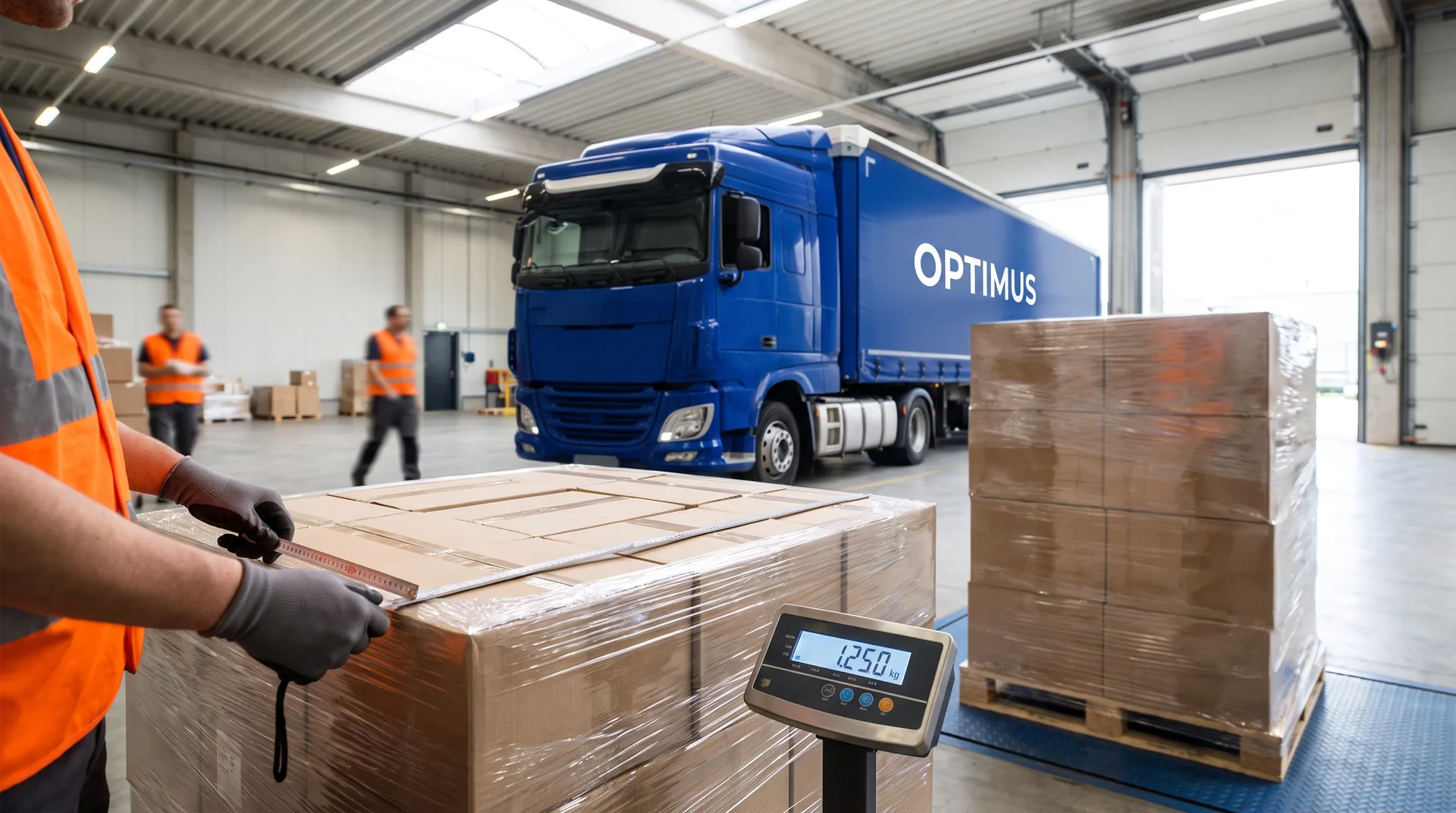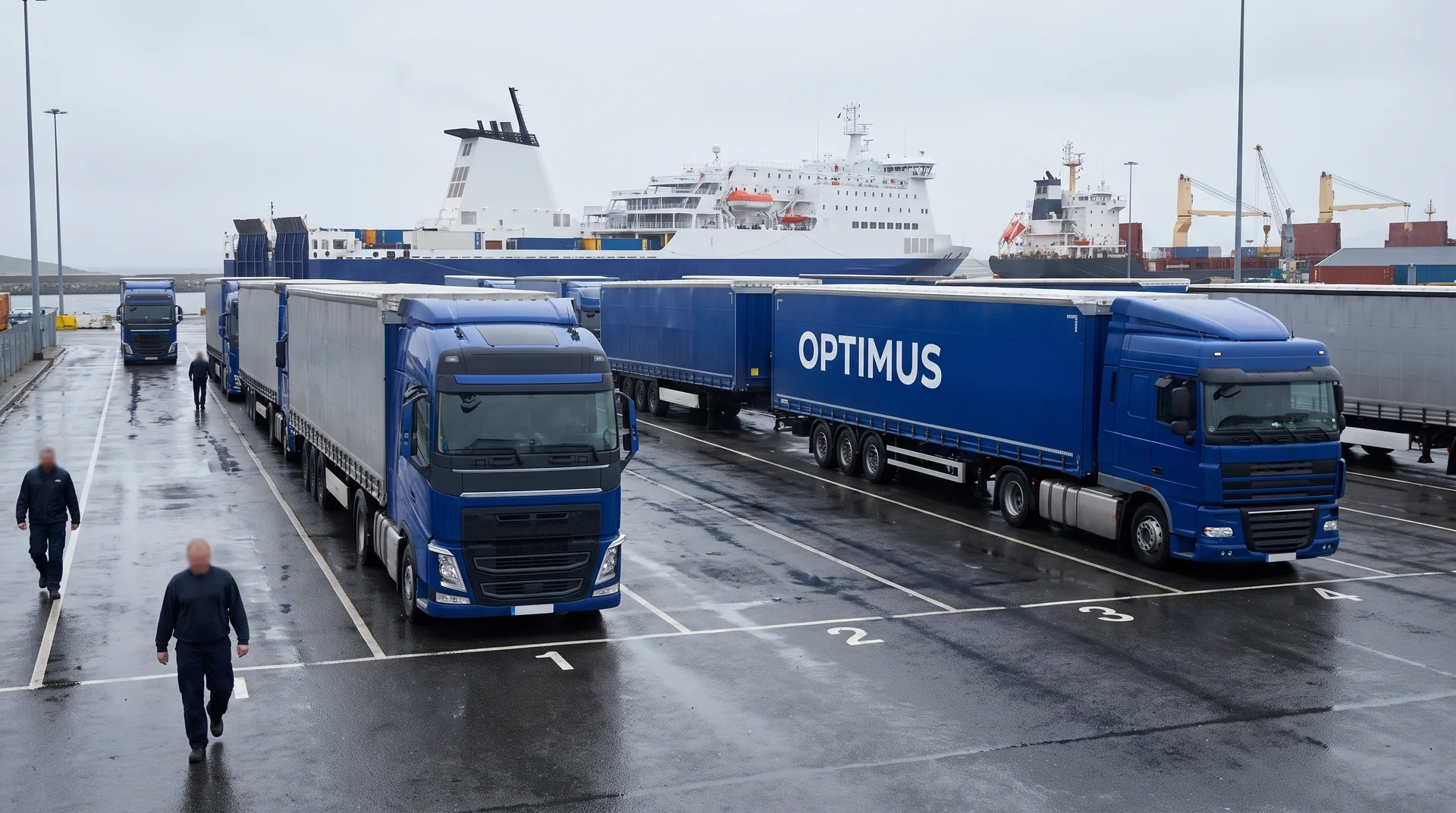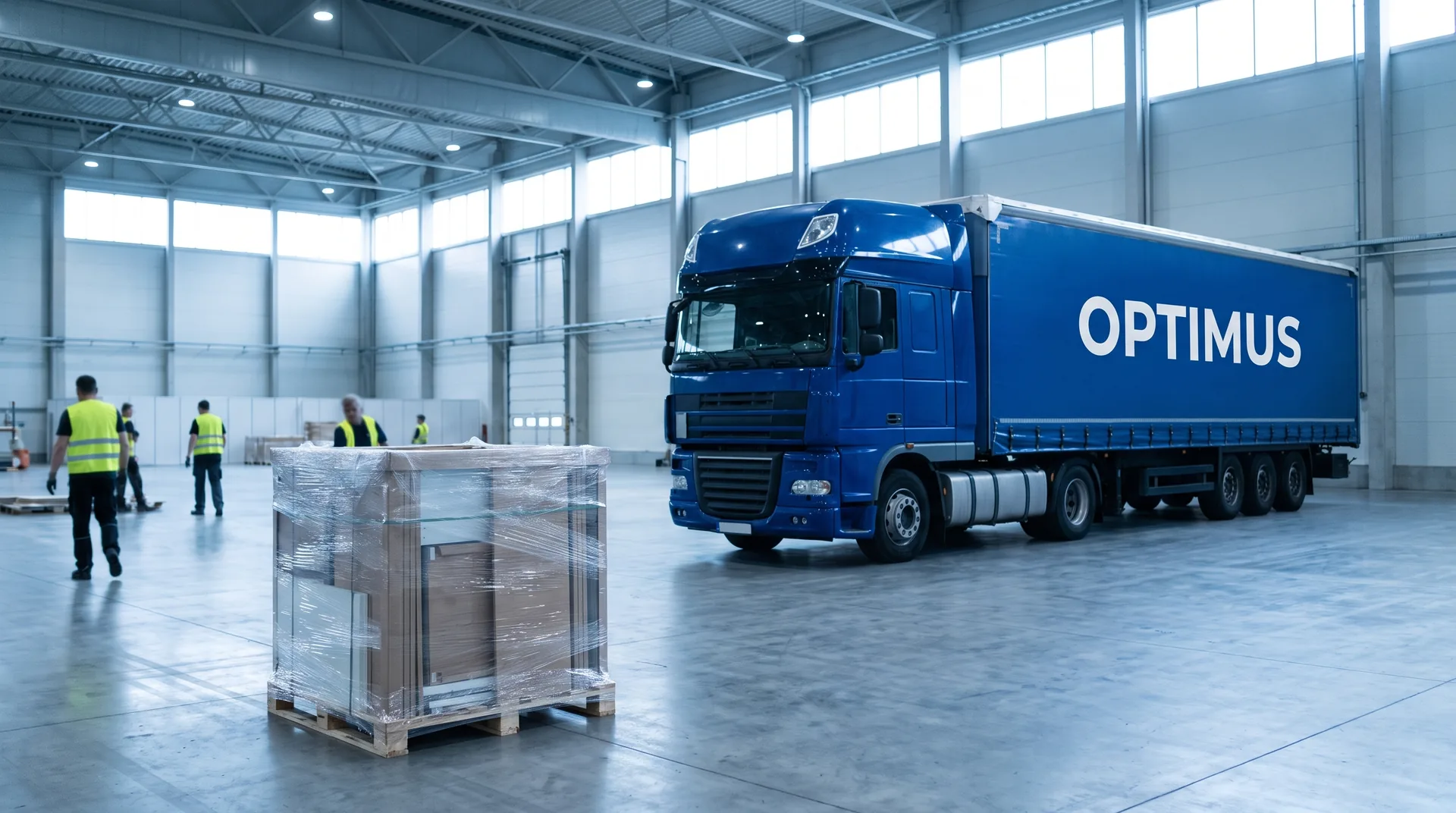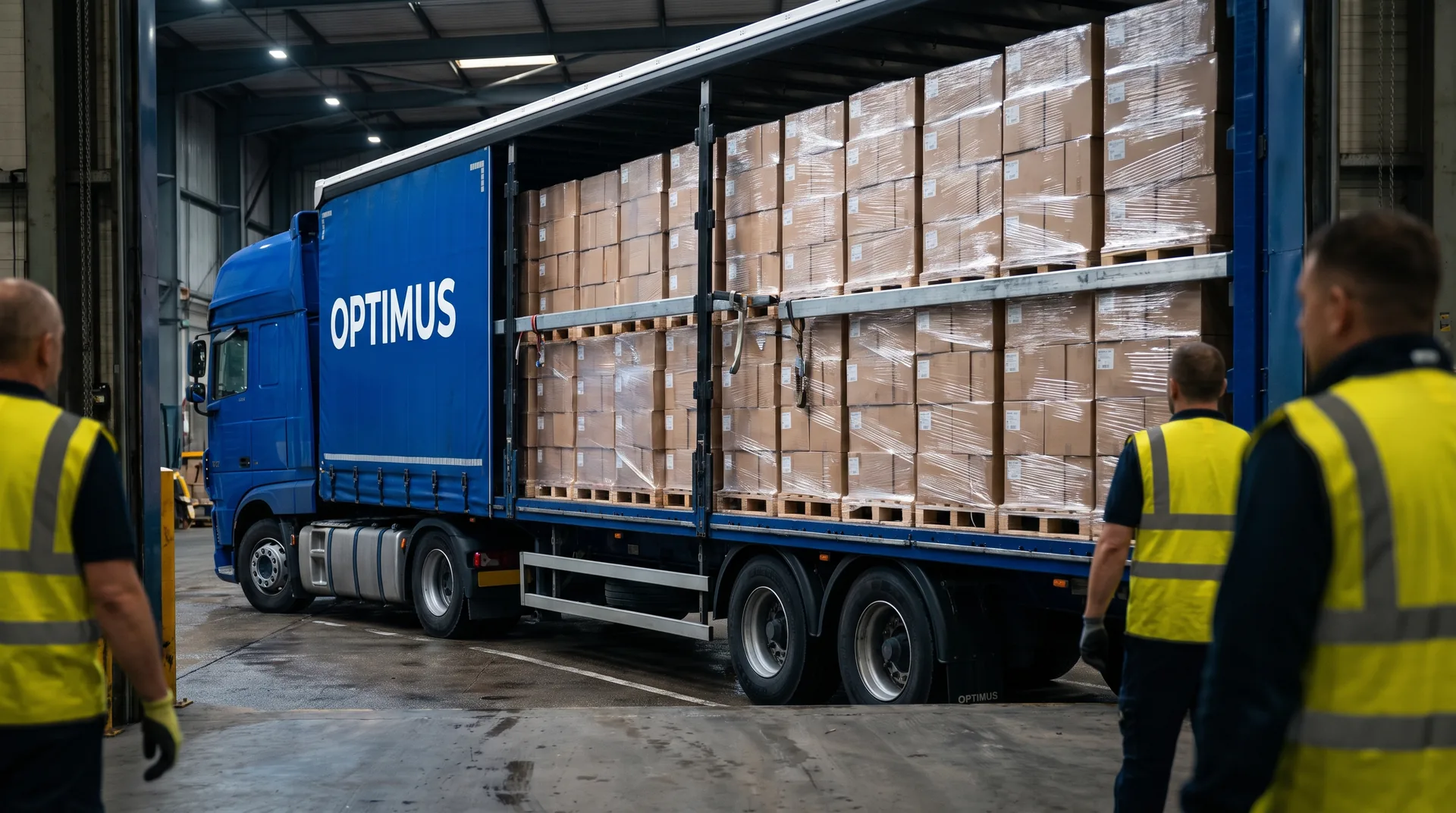
The price of an FTL to England is not fixed: it is built from fuel, the Channel crossing, road charges, the pound's exchange rate and the state of the market that week. A standard trailer takes 33 euro pallets on 13.6 m of floor, up to roughly 24 tonnes of cargo. So instead of a price list we quote each load and date individually.
What a standard trailer holds
- A floor 13.6 m long and about 2.45 m wide: 33 euro pallets (120 by 80 cm) floor-loaded, or 26 industrial pallets (120 by 100 cm).
- Payload: roughly up to 24 tonnes for the whole rig; heavy goods fill a vehicle by weight long before they fill it by space.
- Load height depends on the trailer type, so for tall packages always give dimensions with the enquiry.
How to convert your goods into trailer space is explained in pallets and loading metres.
What builds the FTL rate
- Fuel and fuel surcharges: the single largest cost component of the route.
- The Channel crossing: ferry or Eurotunnel, priced differently by hour and demand; how we choose is described in ferry or Eurotunnel.
- Road charges on both sides and any UK city zones, collected in our guide to clean air zones.
- GBP and EUR exchange rates against the zloty: freight settled in several currencies follows the market.
- Season: the pre-Christmas peak, fair seasons and holiday periods change vehicle availability.
- Directional balance: a vehicle with a backload from England runs cheaper than one returning empty.
- Special requirements: ADR, temperature control, tail lift, unloading slots and time spent under loading.
FTL or groupage: where the line runs
With a few pallets groupage wins, at about a dozen, roughly a third of a trailer, it pays to price both, and the closer you get to a full vehicle the more FTL wins: the goods travel with no transhipment, ramp to ramp. The line is set by arithmetic, not by rule. Count loading metres and chargeable weight rather than pallets alone: a non-stackable pallet or one with an unusual footprint takes more floor than the pallet count suggests, and light, bulky freight pays for the metres rather than the kilos. Two quotes for the same consignment can differ simply because one counts pallets and the other counts metres, so ask which basis a rate was built on before comparing the numbers, and whether the quote already includes the crossing and customs. We compare the two modes in FTL or LTL. A general view of price factors for the whole route is in how much transport to the UK costs. On lanes where the shipper is an industrial plant sending components to a fixed date, that arithmetic usually favours the full vehicle; we cover it in FTL from Slovakia to the UK.
How to ask for a sharp quote
- Give the full data at once: dimensions, weight, pallet count, loading and unloading addresses with postcodes.
- Signal date flexibility: one day of slack can change the rate, because the vehicle slots into an existing route network.
- Flag requirements up front: ADR, tail lift, booking-in, long waits at the ramp.
- For repeat volumes ask about a standing arrangement: regularity is the best price argument there is.
Need a full vehicle to England? Describe the load in our contact form or see our full truckload FTL service. We reply with a firm quote, not a range.