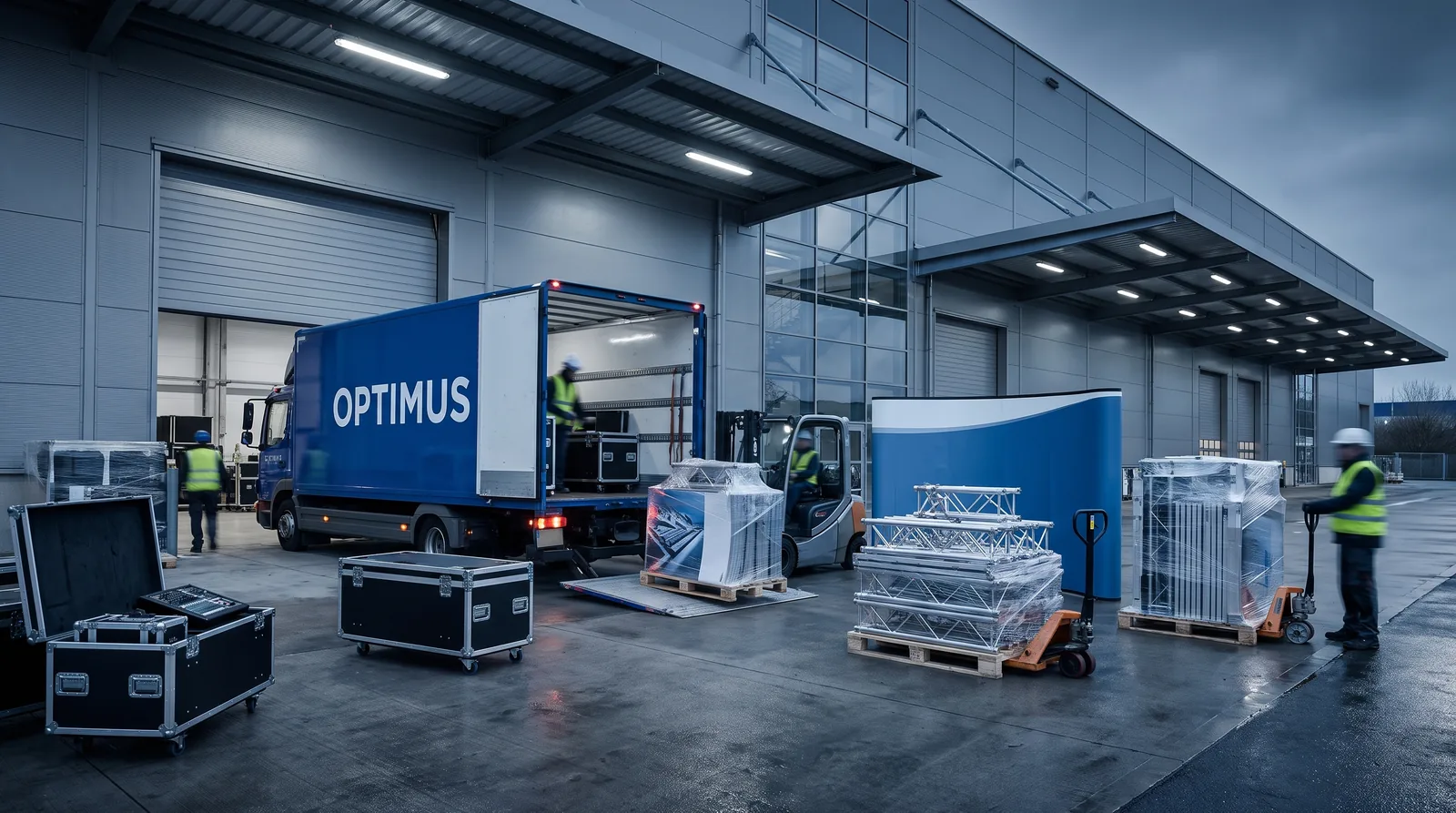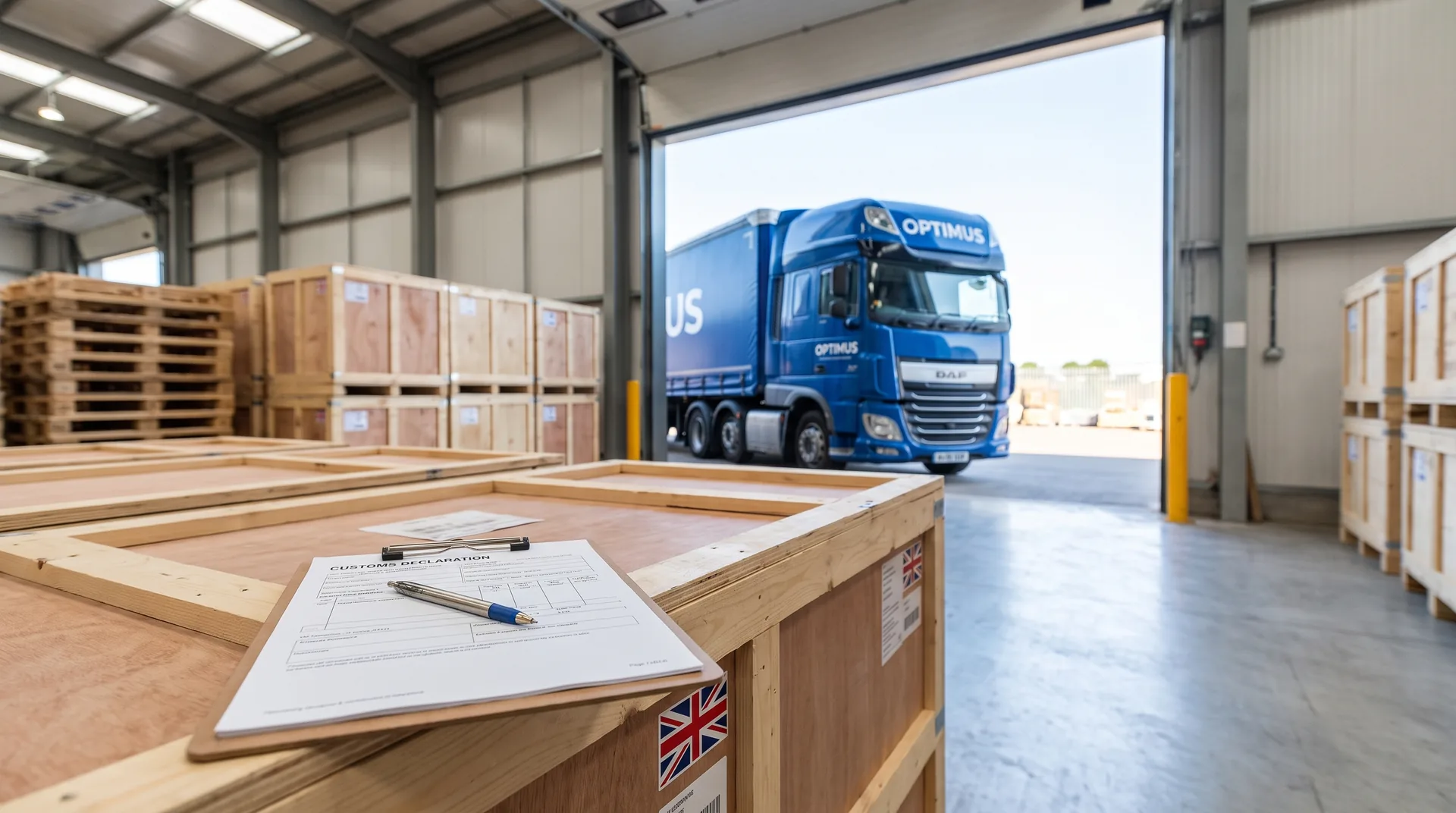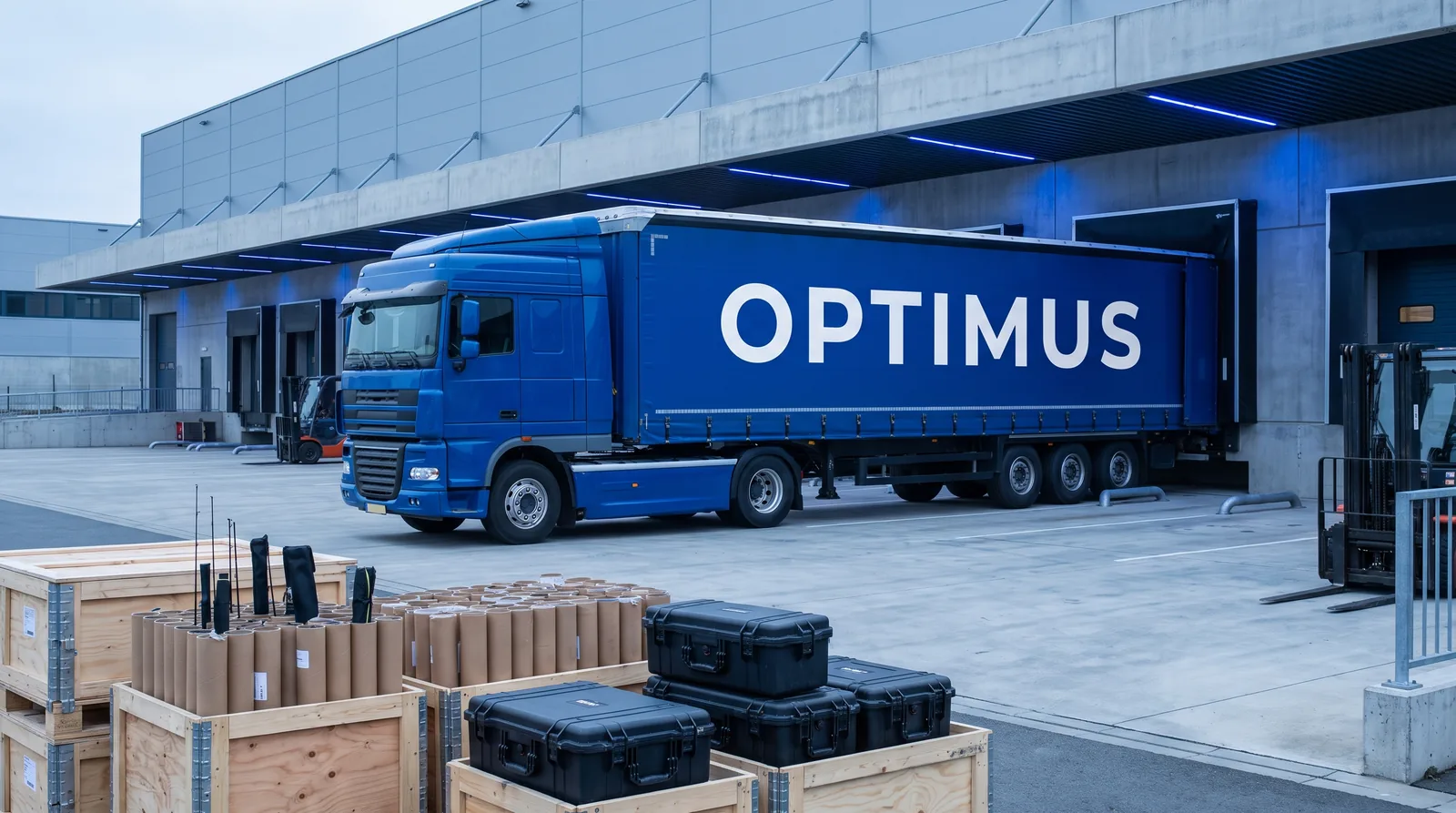
We carry exhibits and stock for Polish exhibitors to The Big One, the biggest angling show in the United Kingdom, held at the Farnborough International Exhibition and Conference Centre near London. One vehicle takes everything: the stand structure, display equipment and goods intended for sale, each cleared through customs in the way its status requires.
Why does selling from the stand change customs clearance?
An ATA Carnet covers only goods that will return in full: exhibits, the stand structure, stand equipment. Rods, reels, lures and clothing you plan to sell to visitors must go through a normal UK import clearance, with duty and VAT settled before opening day. In practice we split the load into two documentary parts: the returning part on the carnet and the commercial part on an import declaration. How the carnet itself works is covered in the ATA Carnet and selling at trade fairs.
How is the trip organised?
- We collect the list: what goes on display, what is for sale, dimensions and weights of crates and pallets.
- We settle the documents: an ATA Carnet for the returning part, an invoice and import entry for the commercial part.
- We book a delivery time inside the build-up window allocated by the organiser.
- We load in Poland and complete export clearance and the UK import before the crossing.
- We unload on site in the allocated window, and after the show we collect the stand and unsold stock back to Poland.
Farnborough: what the venue is like
The exhibition halls at Farnborough sit on the site known for its airshow, about an hour southwest of London. Truck access follows the organiser's schedule, so our driver gets an exact window and stand number before departure. Practical detail on access and booking-in is in our article on transport to Farnborough International.
Dates and planning
The Big One takes place in spring, usually at the turn of February and March; confirm the 2026/2027 calendar with the organiser, as dates and hall layouts change. Book transport as soon as your stand is confirmed: at consumer shows the commercial part of the load needs tariff preparation in advance, and that takes longer than the driving itself. Smaller displays travel as groupage from a single pallet, larger ones get a dedicated vehicle.
After the show: return and settlement
Once the event closes we collect the stand in the break-down window, take the unsold stock and discharge the ATA Carnet at the border. If most of the stock sold, we return with just the stand structure. We can also store crates and empty packaging for the duration of the show, described in empty crate storage during UK fairs.
Fishing equipment as cargo
The angling and outdoor trade has its own carriage quirks. Rods are long, thin profiles that snap under top pressure: they travel in rigid tubes, in their own zone of the vehicle, never under heavier goods. Reels, fish finders and onboard electronics are sensitive to shock and moisture, so they go into padded crates kept away from the sides. Inflatables, boats and engines need the loading method agreed before the truck arrives: what rides on a pallet, what on a stand, and what must be strapped to floor anchor points. Clothing and accessories for sale travel in cartons on pallets, wrapped and counted, because they are the part going through commercial clearance. Good load planning happens at the quoting stage, not on the ramp.
Several exhibitors, one truck
A big trade event usually draws several Polish exhibitors at once, and that is a consolidation opportunity: we take the stands and stock of two or three companies in one vehicle, with one build-up window and a shared route. Each exhibitor keeps its own documents and its own clearance, sharing only the loading space, which cuts costs and simplifies logistics for the organiser's site team. The same works for events in Birmingham or London; the mechanics are described in exhibit transport to trade fairs.
The exhibitor's documents in a nutshell
The full set for a show trip with a commercial part looks like this:
- An ATA Carnet for exhibits, the stand structure and equipment, with an item list matching the load piece by piece.
- A commercial invoice and packing list for goods intended for sale, with tariff codes settled before departure.
- The exporter's EORI number and the UK import entry data for the commercial part.
- A CMR consignment note for the whole route and the organiser's build-up window confirmation.
A missing element surfaces at the border or at the venue gate, the two worst possible places. That is why we complete the documents with the client at the planning stage, not in departure week.
Sources
- The Big One Show: organiser website
- Farnborough International: venue and events calendar
- GOV.UK: import goods into the UK step by step
Exhibiting at The Big One or another UK angling show? Use the contact form and you will get a transport plan with the load split into returning and commercial parts.