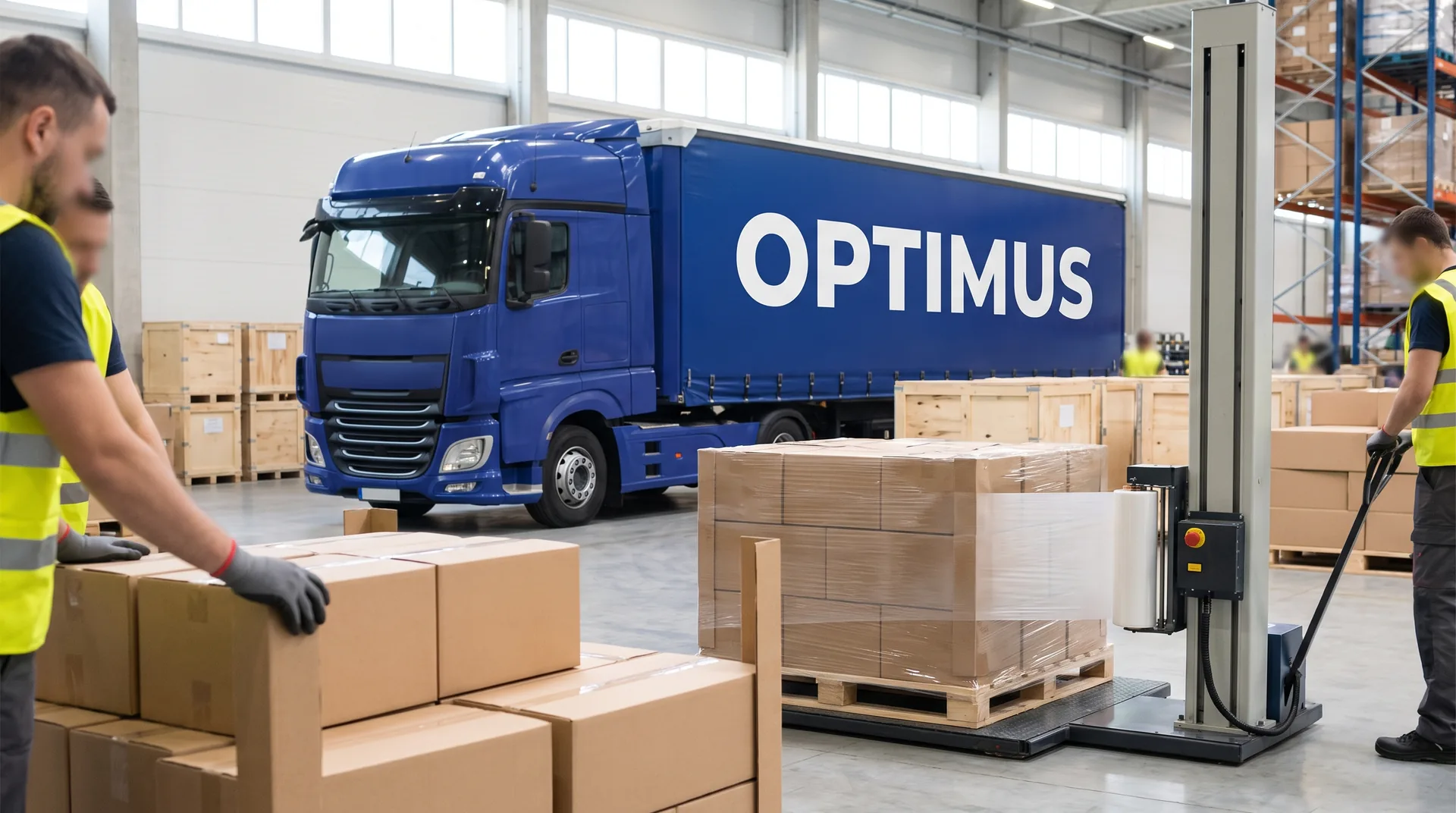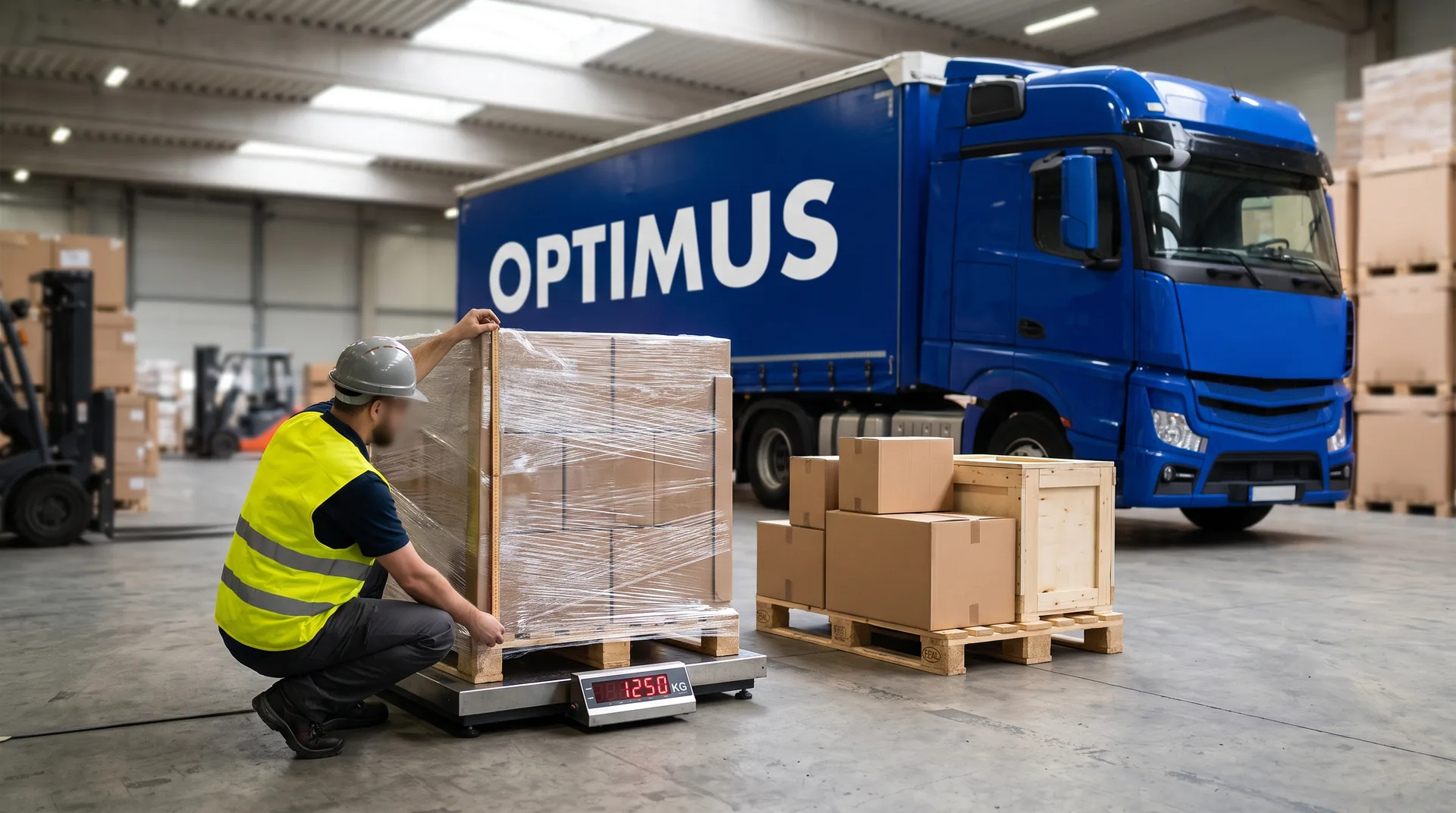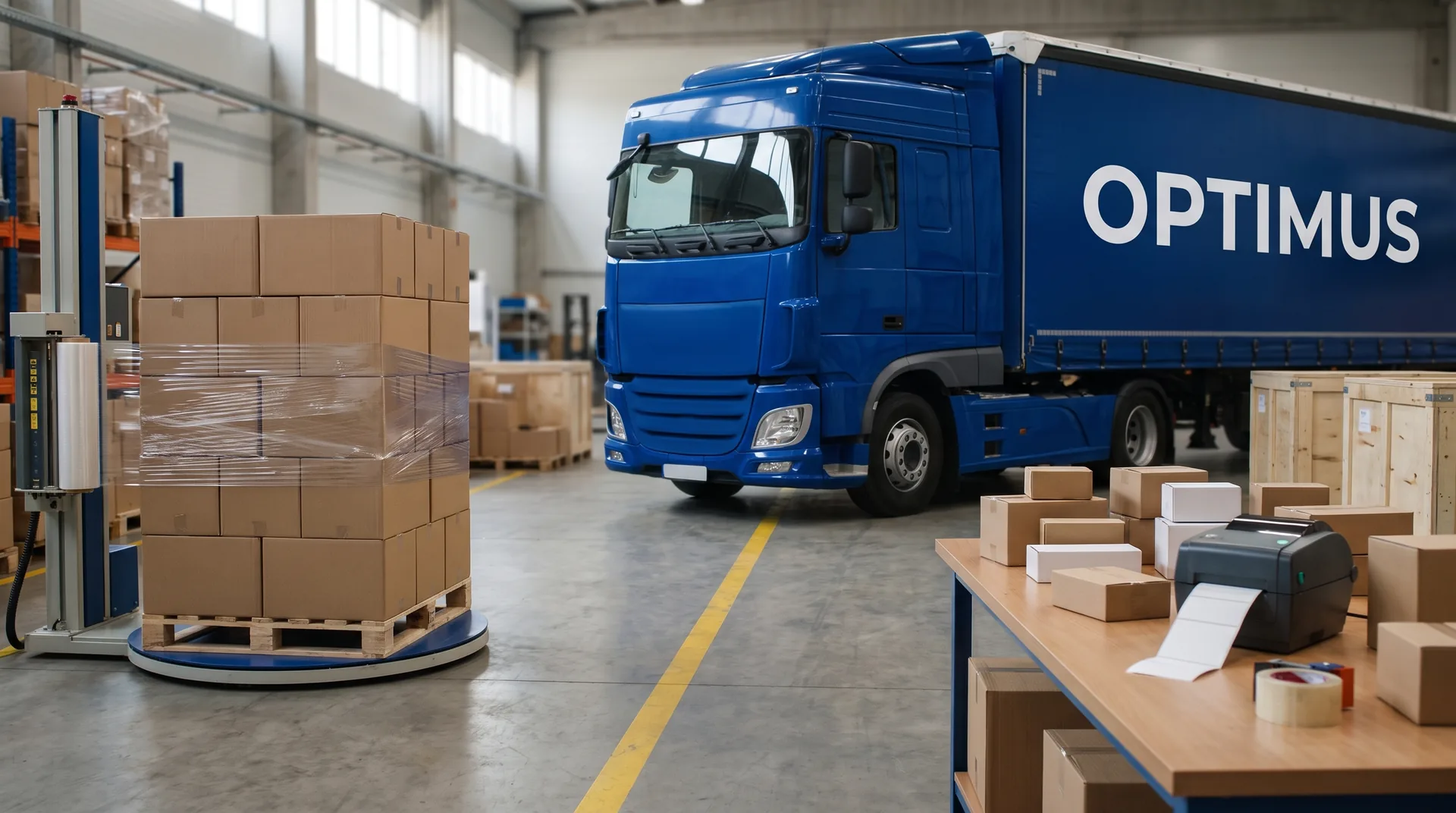
Our side is the transport, consolidation, transfer, pallet sorting, pallet-level labelling, the delivery appointment and customs handled with our regular customs agencies. The seller side is product-level preparation: unit markings, individual packaging, sets, expiry dates. The third route is assigning preparation to Amazon in the account settings, for a fee charged per unit.
Our list
- Collection in Poland and consolidation of pallet batches at the hub.
- Transfer and repacking of units when the base does not meet the consignee requirement.
- Sorting pallets by destination site and setting the drop order.
- Applying pallet labels, transport markings and unit numbering.
- Booking the delivery appointment and handling changes to it.
- Customs declarations on both sides, run with our regular customs agencies.
- Short-term storage and cross-dock at the warehouse in Milton Keynes, with inspection and photographic records.
The seller list
Amazon frames it as product preparation requirements and reduces it to a few hard rules. Every unit must carry an accessible, legible barcode on the outside, not applied to a corner or a curve where a scanner cannot read it. Existing barcodes on the outside of shipping boxes must be removed, covered or rendered unscannable, so that no stray number is read during receiving. Items sold as a set must be clearly labelled as one.
Box labels sit alongside that: every carton in a shipment carries its own unique label printed from the account on a laser printer. Amazon rules out inkjet printers, because smudged ink makes the barcode unreadable. We can verify that those labels are present and legible, but their source is the seller account.
The third route: preparation by Amazon
A seller who does not want to prepare goods in house can enable the preparation service in the account settings and nominate Amazon as the party that preps the products. The fee is charged per unit and depends on the activity involved. Amazon states that inventory arriving without proper preparation and not enrolled in the service may be refused, returned or repackaged, and may attract a fee for unplanned services.
That is a genuine alternative and it is worth costing before despatch rather than discovering it after a refusal. A comparison of the selling models, including handling costs, is in the article on whether to choose FBA or FBM from Poland.
Why we draw the line so plainly
Because a promise with nothing behind it costs more than an honest we do not do that. Unit-level preparation needs a different process from transport: pick stations, unit-level records and responsibility for the product matching the listing. We run operations on pallet units and shipping cartons, and in that layer we answer for the outcome. The full list of what the warehouse does not do is in the article on the limits of the warehouse service.
The second reason is practical. A line drawn clearly before despatch lets the customer plan who performs the missing step and when. Drawn after the fact, at the gate of a fulfilment centre, it turns into an argument about who was supposed to do what, and the freight stands still for the whole conversation.
What we do when preparation is missing
If we see before departure that the goods fall short on the product side, we say so straight away and offer two routes: hold the freight until the seller completes the work, or despatch with the Amazon preparation service switched on. If the problem only surfaces in England, the load comes into our warehouse, where we can fix the pallet layer and build a fresh delivery for a new appointment. The options are set out in the articles on a rejected FBA delivery and on pallet receipt and release in Milton Keynes.
Sources
- Amazon Seller Central: product packaging and preparation requirements
- Amazon Seller Central: shipping and routing requirements
Not sure which side of that line your problem sits on? Describe the goods and the shipment in our quote form and we will say plainly what we will do and what has to happen first.