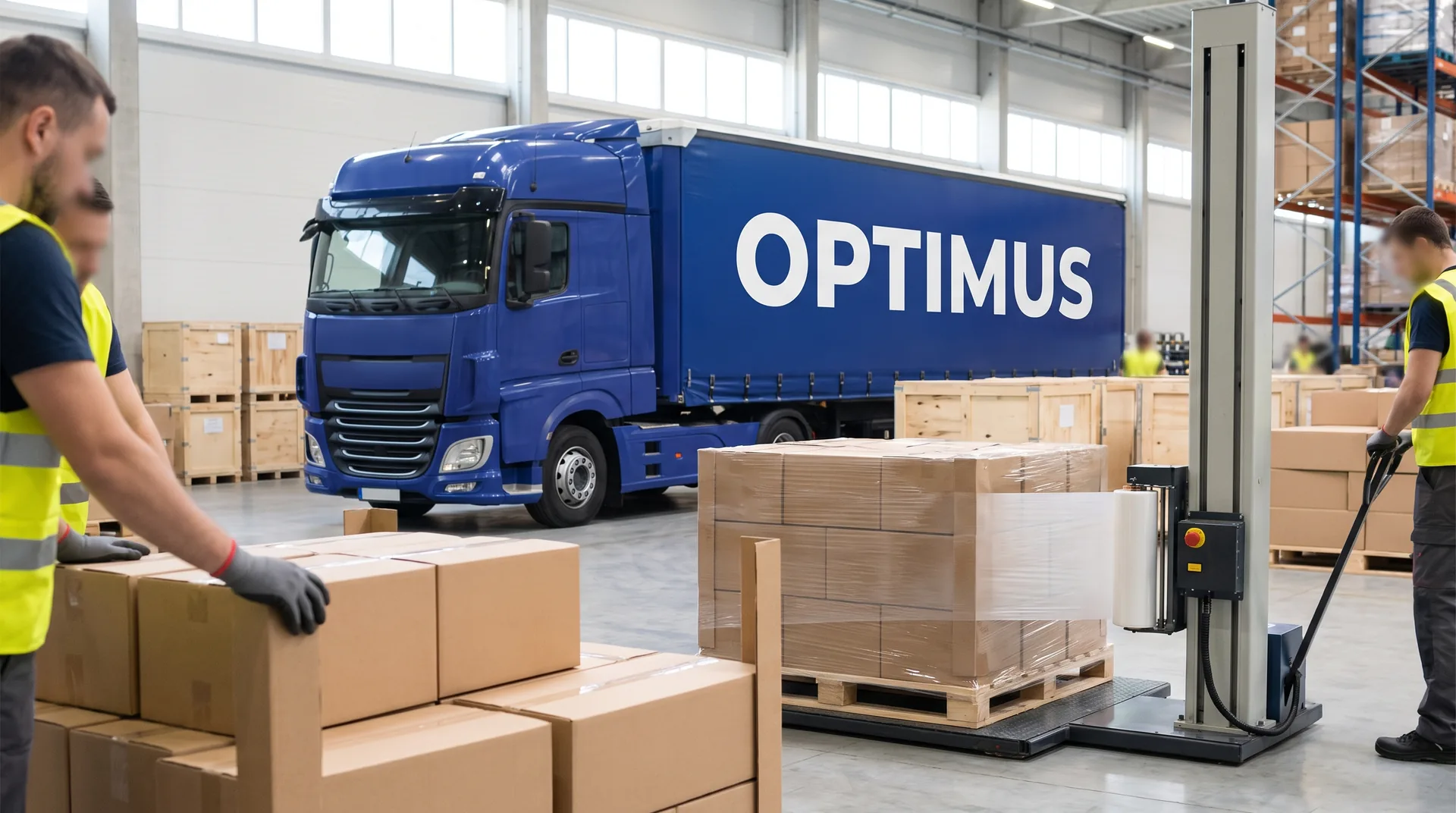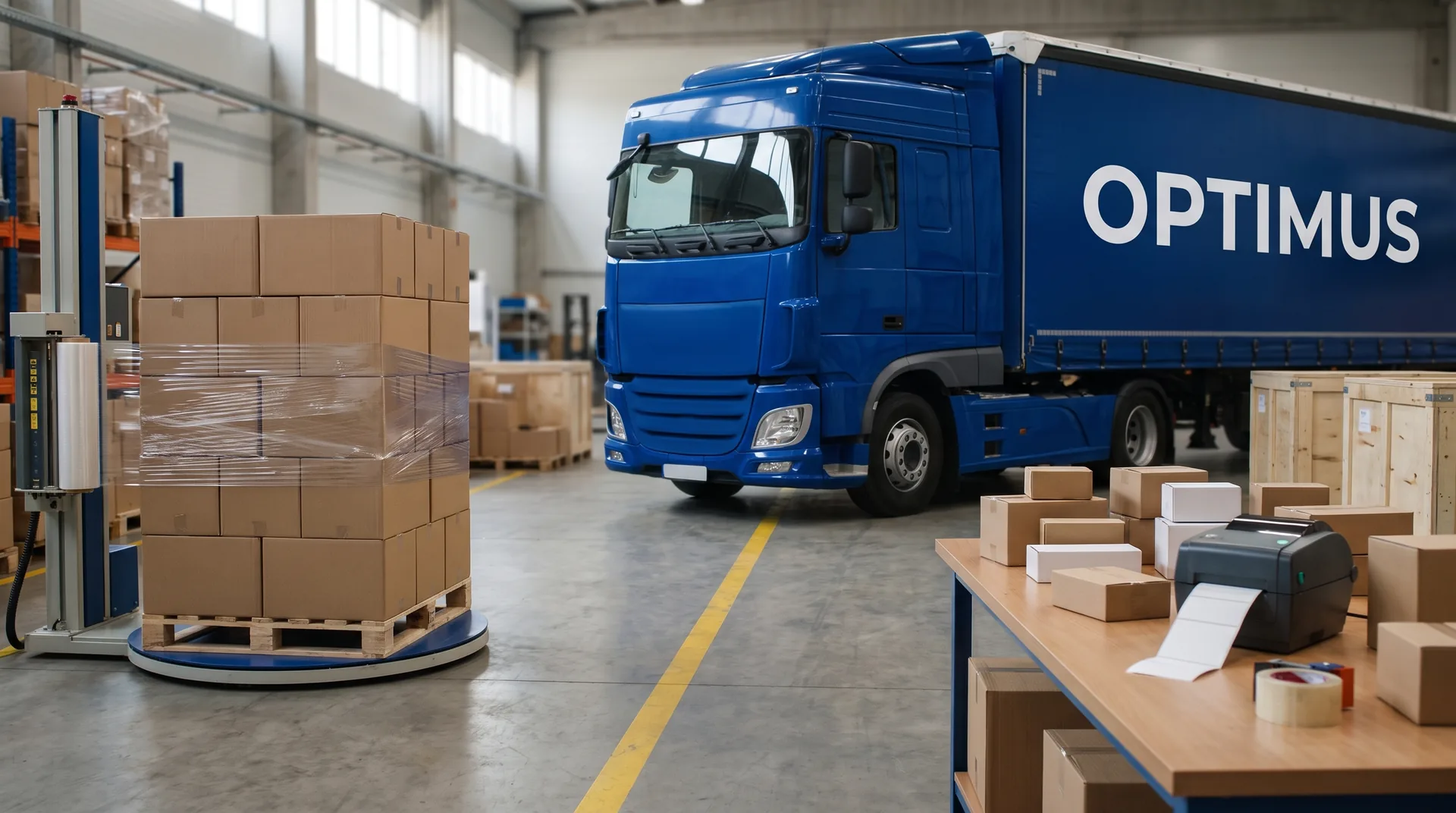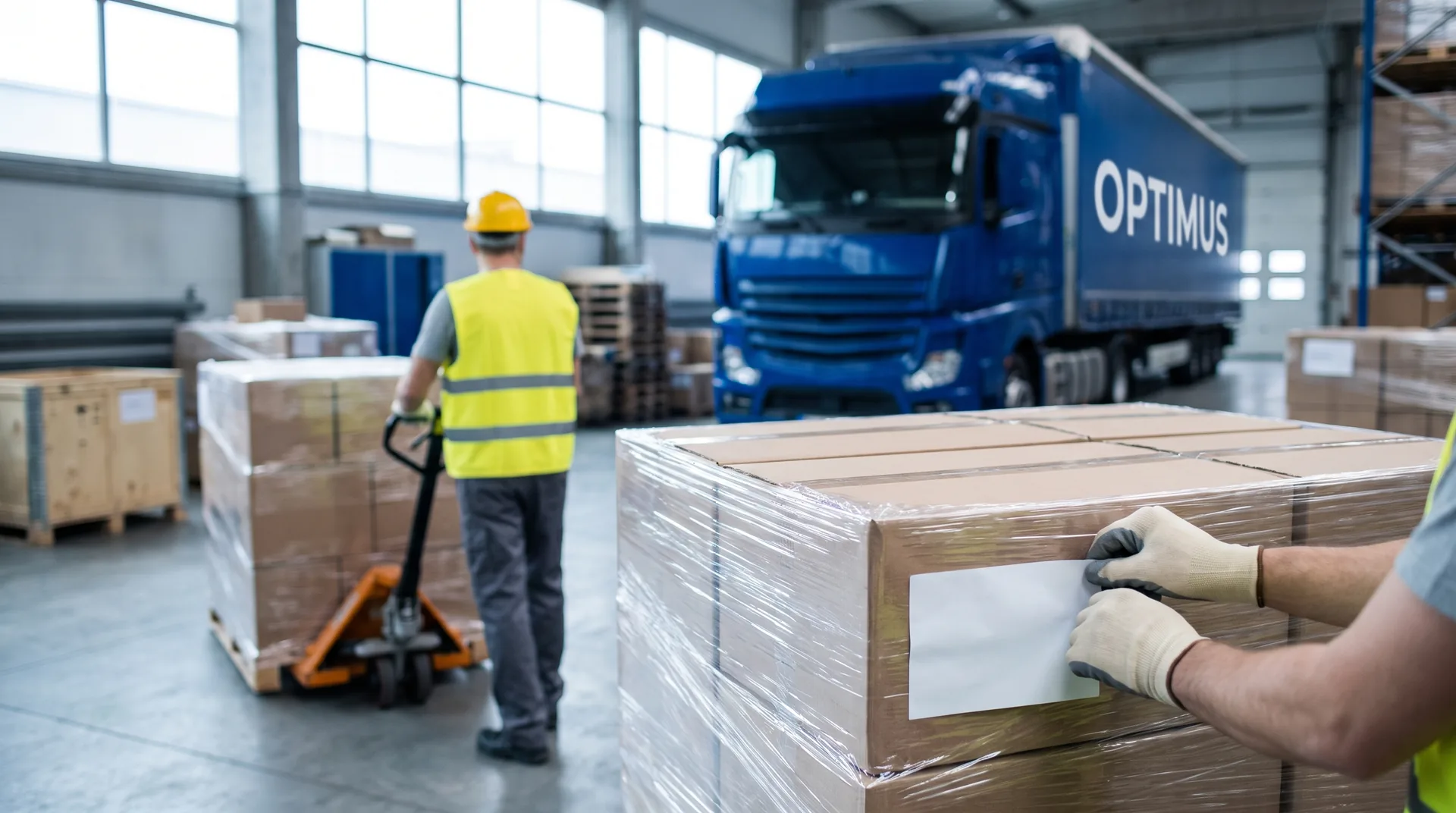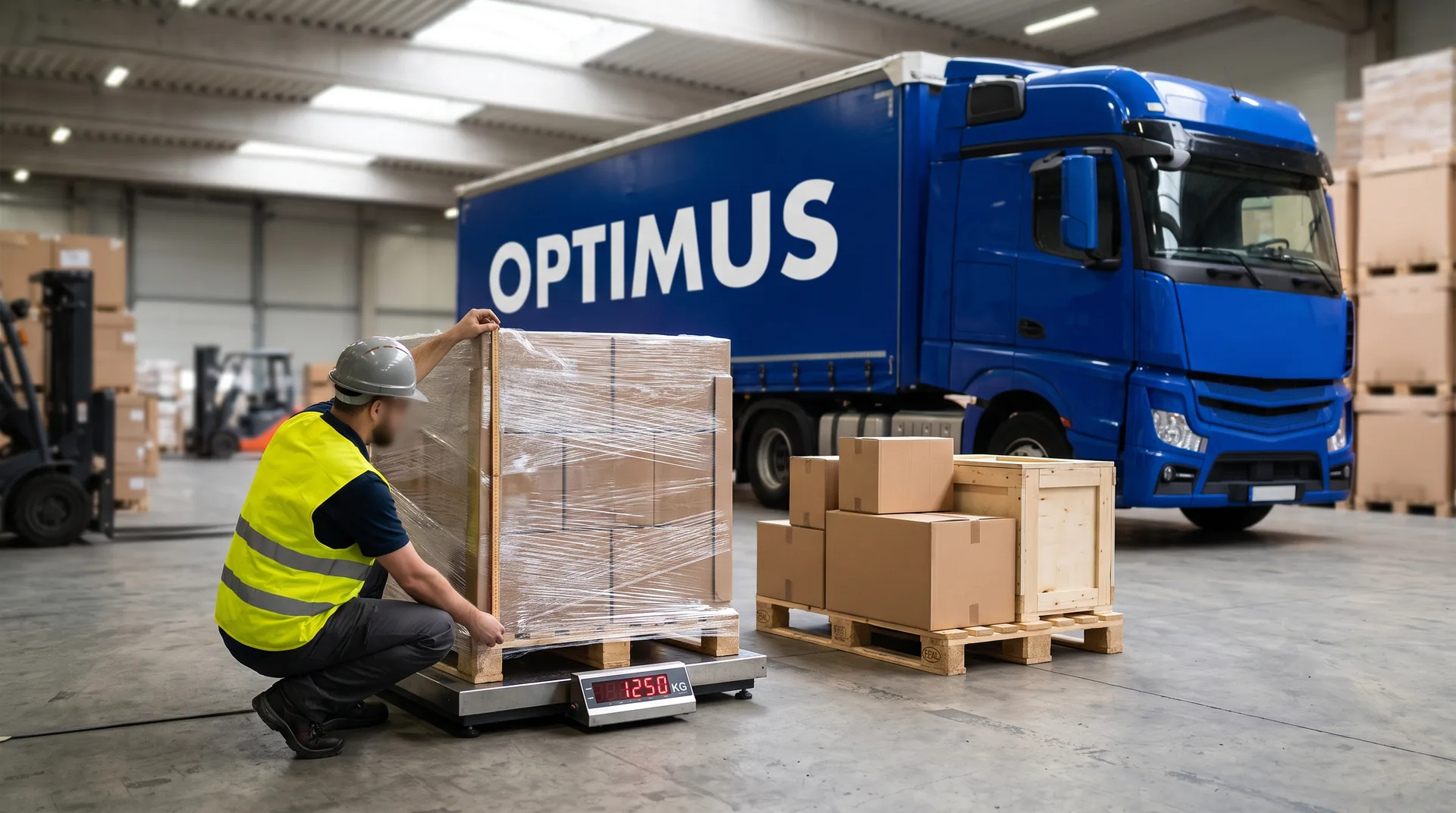
Three parameters decide whether a unit is received: height measured including the base, the gross weight of the pallet, and the wrapping. Amazon publishes specific limits in its carrier documentation, but the binding figures are those in force on the day of delivery, and some restrictions belong to the individual site. The fourth parameter, rarely remembered, is the vehicle itself.
What Amazon publishes today
In its carrier material Amazon states that a single-stacked pallet must not exceed one hundred and eighty centimetres in height, that total pallet weight must not exceed five hundred kilograms, and that for double-stacked deliveries the height limit in the United Kingdom is three metres including the base. Cartons on a pallet carry a standard limit of twenty-three kilograms, while any carton over fifteen kilograms must be marked as heavy, visibly from the top and from the sides.
We treat those figures as a starting point rather than gospel. Amazon changes its requirements, and some restrictions belong to the individual site, including whether it accepts double-stacked pallets at all. So before every loading we check the specification applying to that shipment and that address, rather than trusting a guide written a year ago. The wider set of requirements is collected in the article on Amazon UK pallet requirements, and the stacking rules in the piece on pallet stacking and double-stacking.
Wrapping: clear, tight, no knots
Amazon rules on stretch wrap are surprisingly detailed and all serve one end: the load arrives intact and can be assessed without cutting it open. The film must be clear, and units wrapped in black or opaque film may be rejected. The wrap must take in the load together with the base, must be tight, and must have no loose ends tied off in a knot. Amazon also expects the unit to carry a note telling the carrier not to break the wrap.
That last requirement sounds trivial and has a serious operational consequence: a load nobody is allowed to unwrap on the way has to be built right the first time. Fixing the wrap in a lay-by in Kent is not a plan. How a stable unit is built is described in the articles on securing a pallet for export and on the EPAL euro pallet.
The base: what travels to the United Kingdom
Amazon separates its requirements for deliveries into the European Union from those into the United Kingdom. For the British market the documentation names a one thousand by one thousand two hundred millimetre four-way access base, GMA grade B or higher, or a CHEP base of the same dimensions. Pallet exchange is not offered, and damaged bases may be rejected at the sender expense. Wooden pallets travelling from Poland must meet the heat treatment requirement of the ISPM 15 standard, which we cover in the article on ISPM 15 requirements.
This is a real problem for a continental sender, because the standard in Poland is a one thousand two hundred by eight hundred millimetre base. Restacking a load onto the format the consignee requires happens at the hub, and the operation and its documentary consequences are unpacked in the articles on restacking to a consignee spec and on a changed pallet count and customs paperwork.
The vehicle as the fourth parameter
Pallets can be perfect and the delivery still fails if the truck is wrong. Amazon requires a vehicle of at least seven and a half tonnes with a reinforced floor, able to reverse to the dock door and admit a truck from the rear. Articulated trailers should have a flat floor with no raised metalwork and a safe working load of not less than five tonnes. Thirty centimetres of clearance must remain above the load and behind the last pallet, and pallets are set with the short side to the rear. Vans and vehicles under seven and a half tonnes are not accepted for palletised deliveries.
What changes on the way
The figures measured at loading are not the figures at the gate, and that is the most underrated part of the subject. On a run from Poland a unit goes through two transfers, several hundred kilometres of vibration, the tilt of a sea crossing and swings in temperature. The load settles, the film stretches, the layers shift. A pallet measured flush against the limit leaves with zero margin, and zero margin is not enough to still be inside the limit at the end.
So we measure twice: when the unit is built and before it is released for the final leg, and on borderline units we plan a margin rather than a perfect hit. Condition checks at receipt and release are described in the article on pallet receipt and release in Milton Keynes.
Sources
- Amazon Seller Central: pallet, wrapping and vehicle requirements
- Amazon Seller Central: shipping and routing requirements
- GOV.UK: wood packaging material and ISPM 15
Not sure whether your pallet fits the consignee limits? Send the dimensions and weight through our quote form and we will check the unit before loading rather than at the gate.