A rejected delivery at an Amazon FBA centre usually comes down to one of four causes: no booking or a missed one, a mismatch between the delivery and the shipment data, illegible or badly placed labels, and pallets outside specification. The vehicle cannot wait at the gate, so a plan B has to exist before the problem does.
What gets a vehicle turned away
- No booked window, or arrival outside a window that nobody rescheduled.
- A pallet or carton count different from the declaration, or a different shipment identifier.
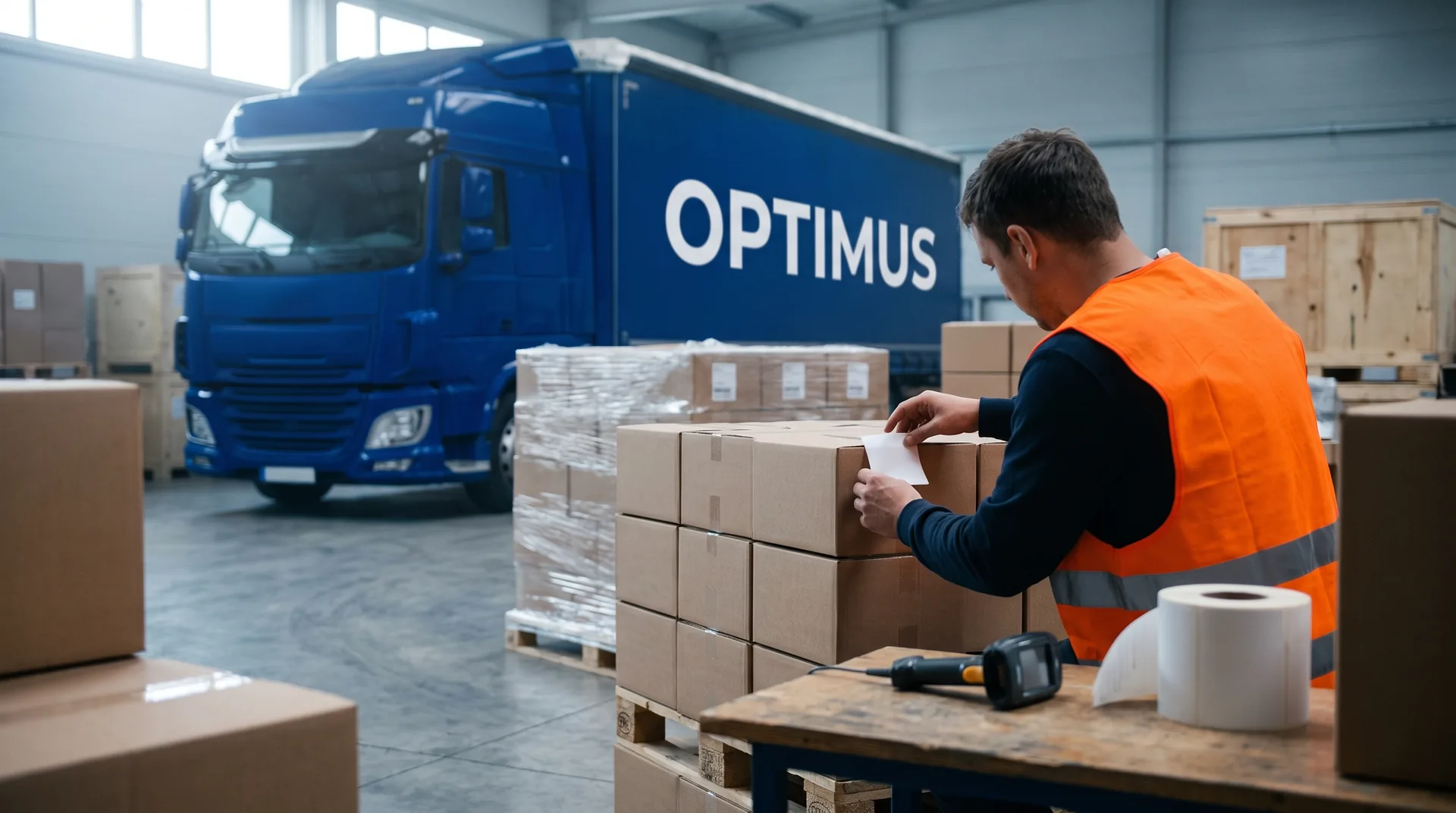
- Labels illegible, covered by film, applied to the wrong face or damaged in transit.
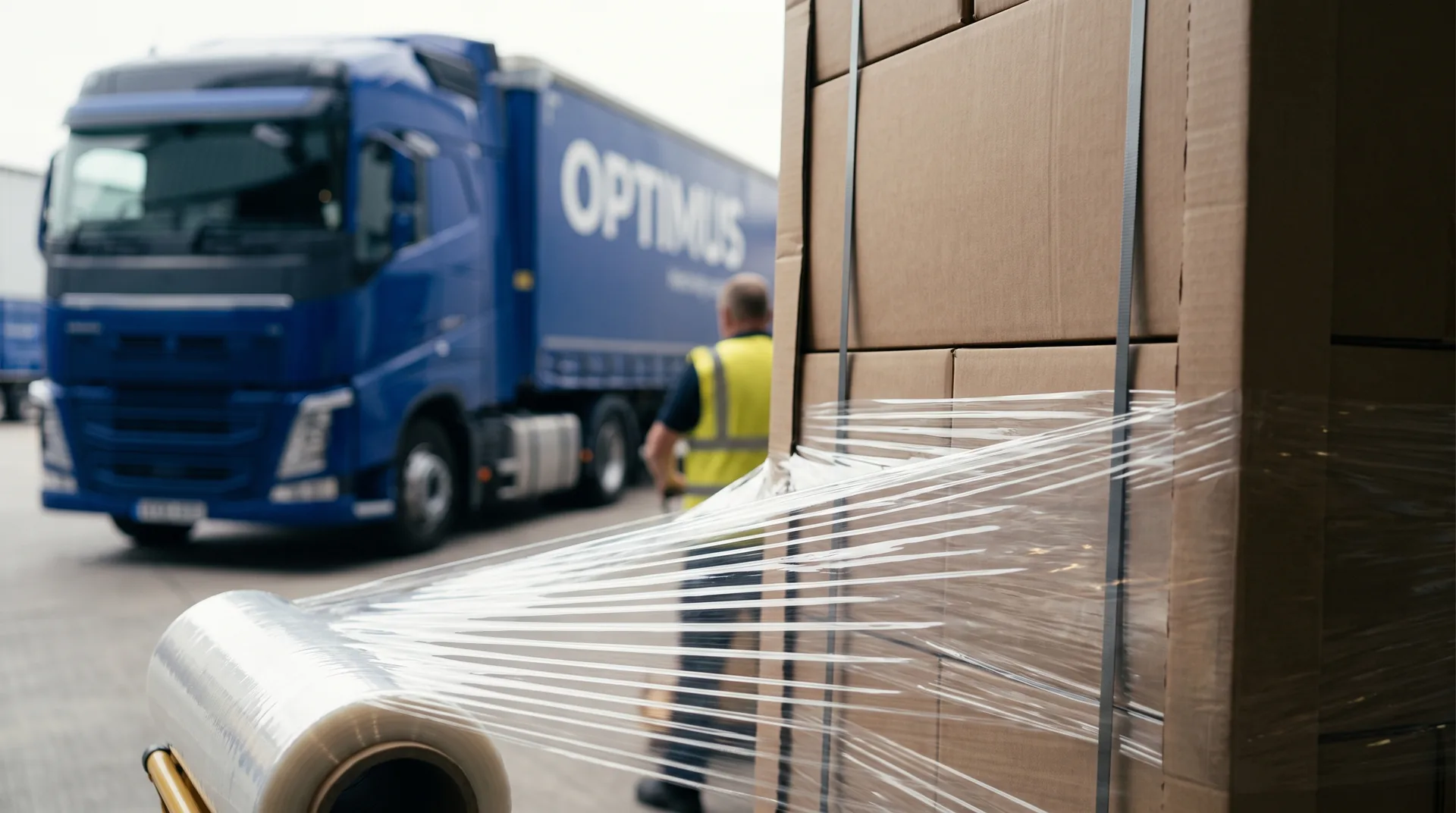
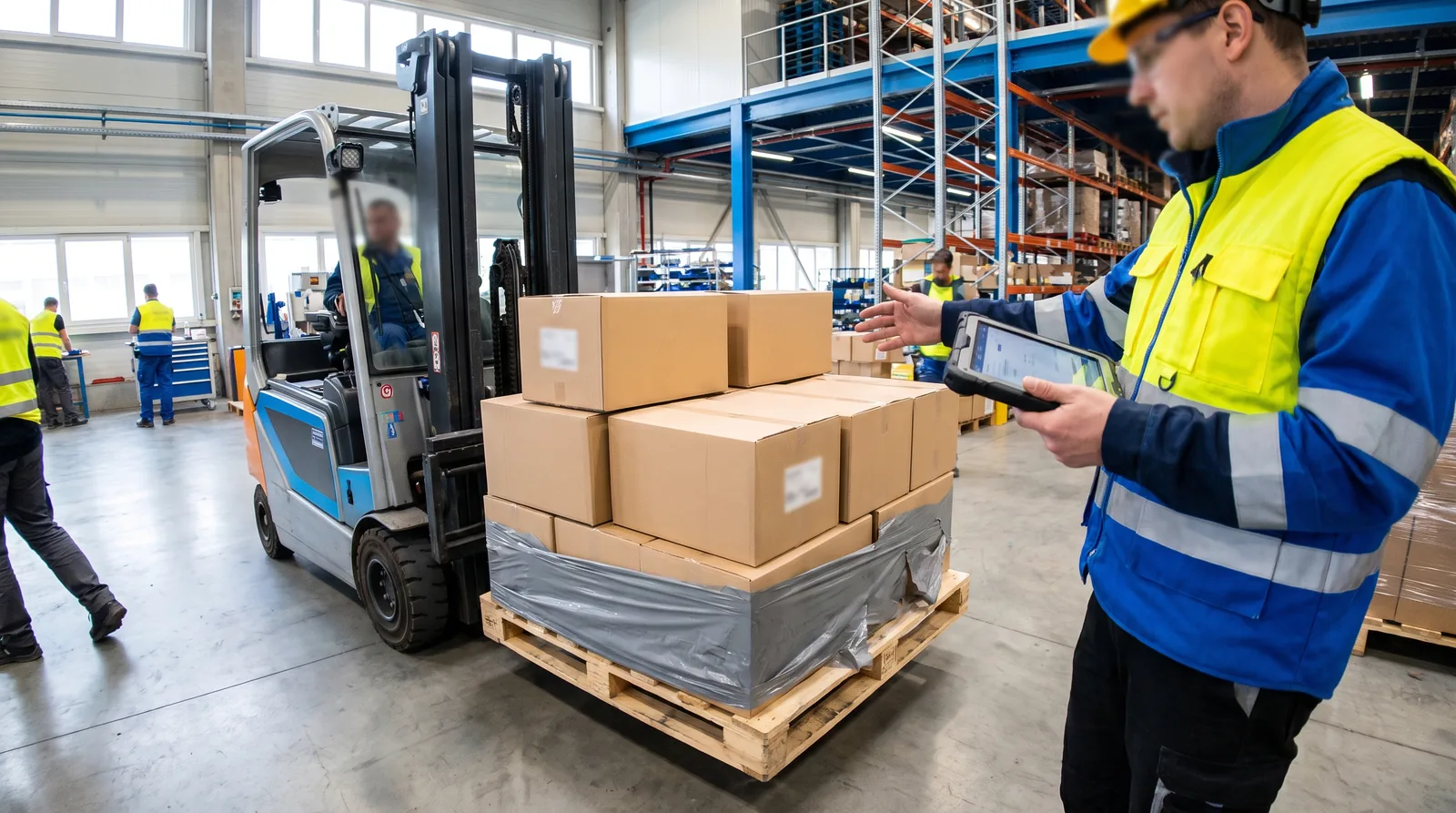
- Pallets outside specification: goods overhanging the footprint, excess height, a damaged carrier, unstable wrapping.
The pallet requirements themselves are taken apart in Amazon UK pallet requirements, and the standard delivery flow in deliveries to Amazon FBA in the UK.
The first hour decides the cost
A vehicle at the centre cannot stand indefinitely: waiting costs money, the driver is running down his hours, and the vehicle is planned for further jobs. Every hour of indecision narrows the options, because it closes off the chance of moving the goods anywhere else the same day. So on a refusal we work in hours, not days. The first action is documenting the cause: a driver's note, photographs of pallets and labels, a record in the seller system. Without that, the second attempt is guesswork rather than a fix.
Why returning to Poland is the worst option
Instinct says turn the goods around, but that is the most expensive of all routes. The load has already crossed a customs border, so a return means another movement in both directions and fresh formalities. Add the time: stock that was meant to be on sale next week goes back to the start. It is almost always cheaper to hold the goods on the British side and remove the cause of refusal there.
Plan B: a buffer on the British side
We route the load to our Milton Keynes warehouse. There we establish exactly what was queried, restack and rebuild the pallets, print and apply correct labels, and then book a new delivery window. The whole operation happens without crossing a border, so the goods stay in the country of sale. The same mechanism handles the reverse situations, when goods come back from customers or have to be redirected, described in Amazon returns handling and in unsold stock in the UK.
How not to repeat it
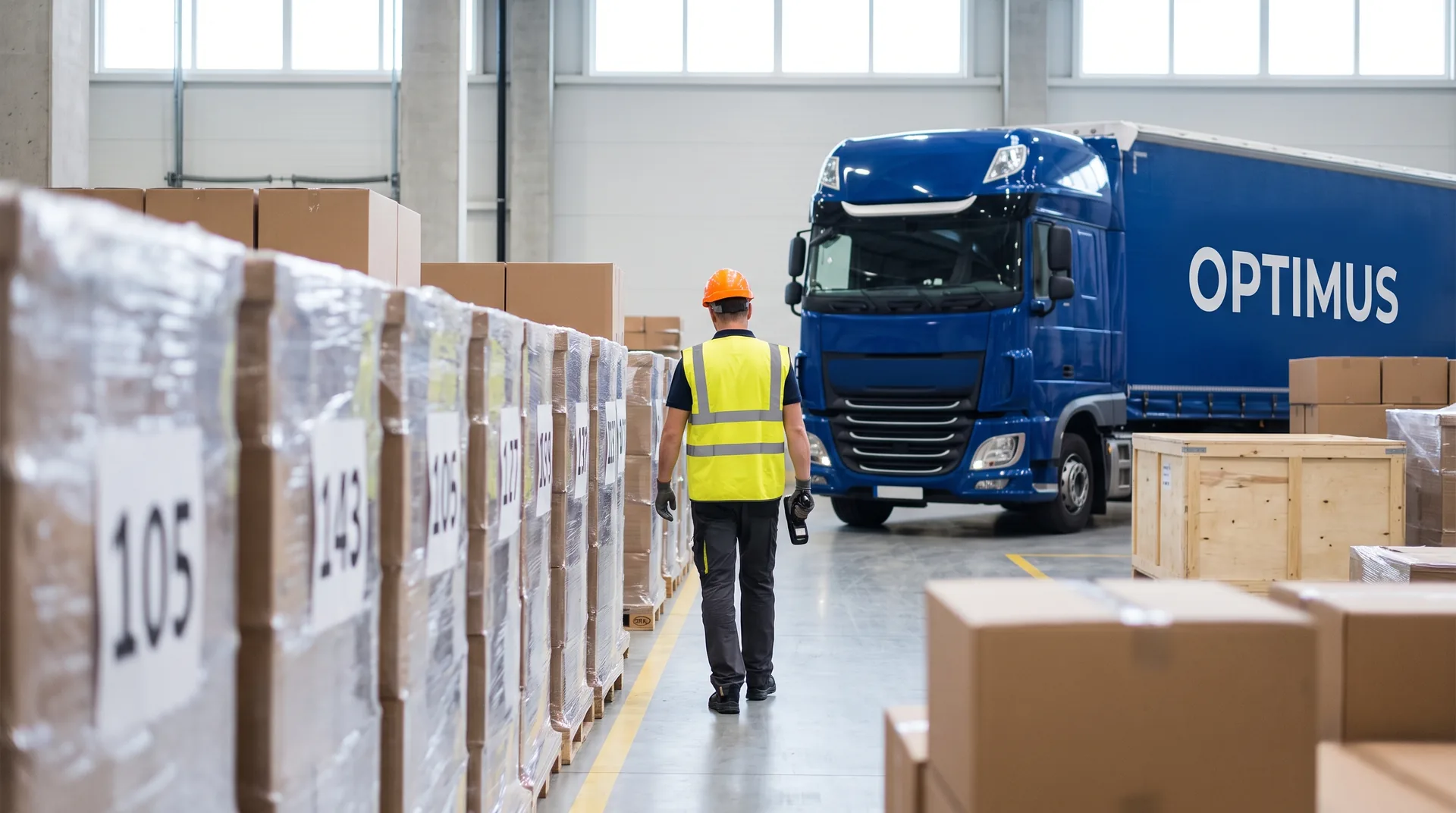
Most rejections can be caught before loading in Poland, and without special effort. Three checks are enough: package count against the shipment data, label accuracy and legibility, and pallet condition against the specification. Add a booking chased through to confirmation rather than filed and forgotten. What to do when the window is lost anyway is covered in a missed delivery window. The transport itself, from collection in Poland to the centre gate, runs under our Amazon UK deliveries service.
When it is worth changing the model
If rejections happen regularly, the problem rarely lies in transport. More often it comes from a model in which every shipment is a separate project: different pallets, different labels, a different person preparing the goods. Sellers who see this repeatedly sometimes do better with a warehouse on the British side and replenishment deliveries into the centre. We compare both approaches in FBA or FBM from Poland.
Sources
Have a rejected delivery, or want to guard against one? Describe the shipment through the quote form and we will propose a transport plan with a buffer on the British side.